Electronic elementOverview
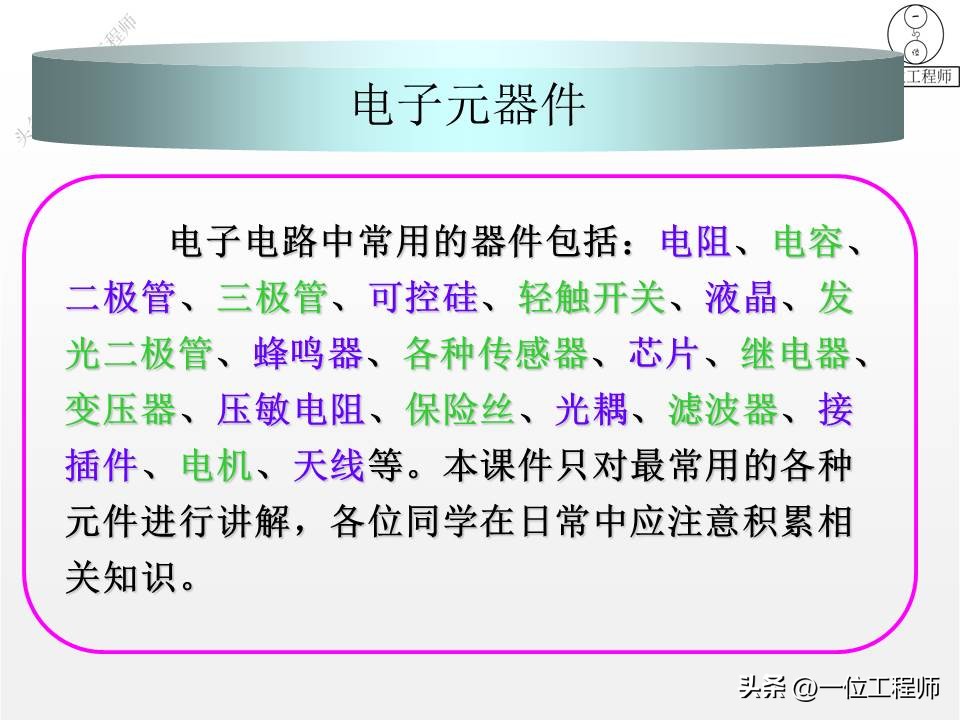
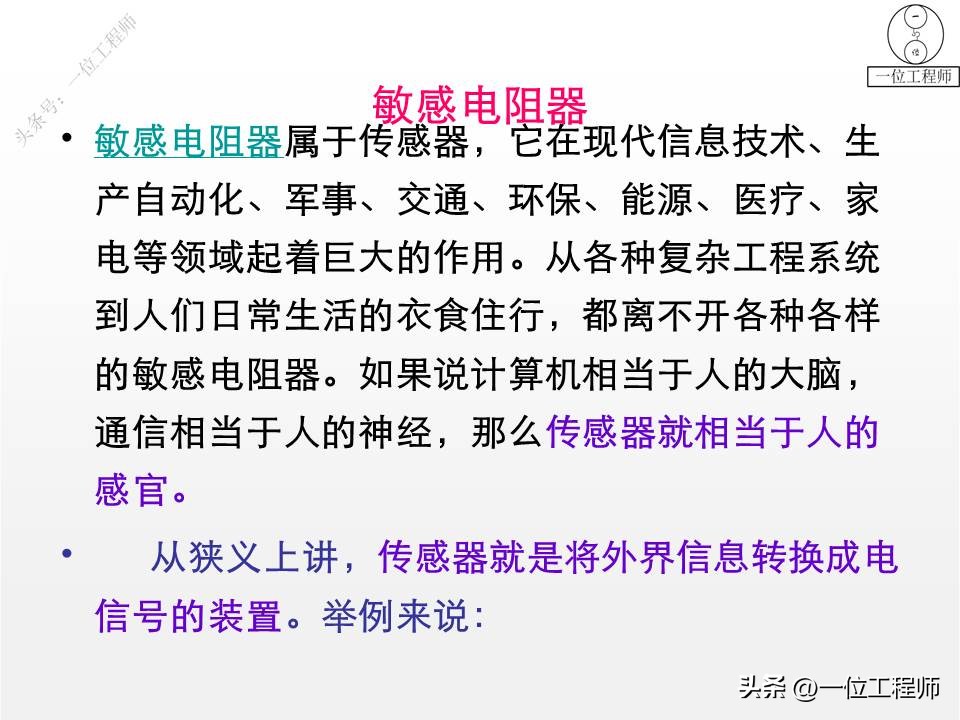
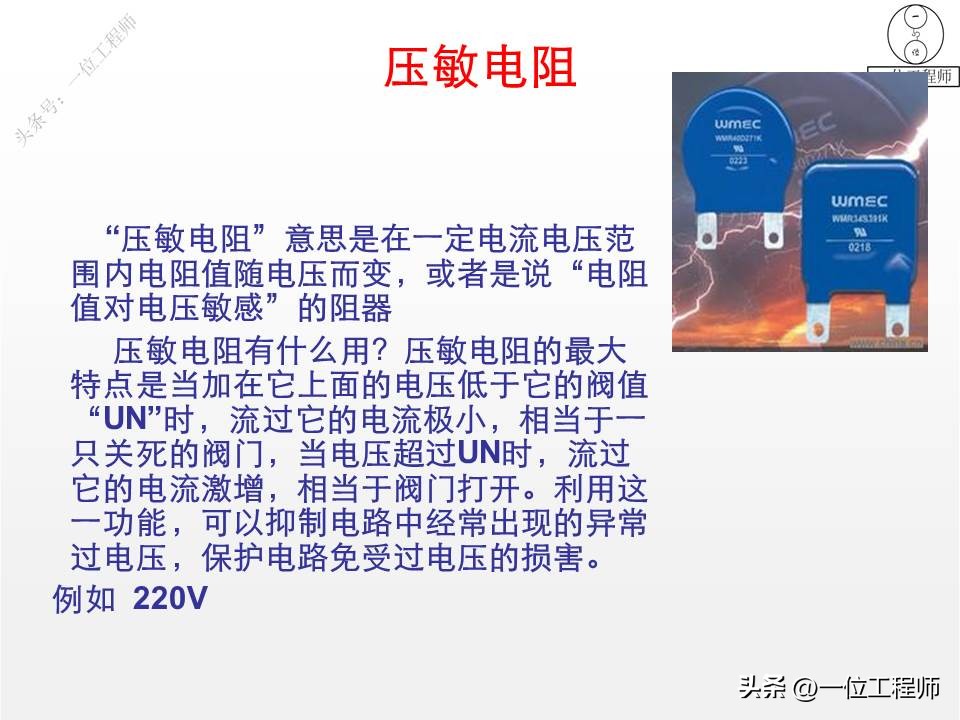
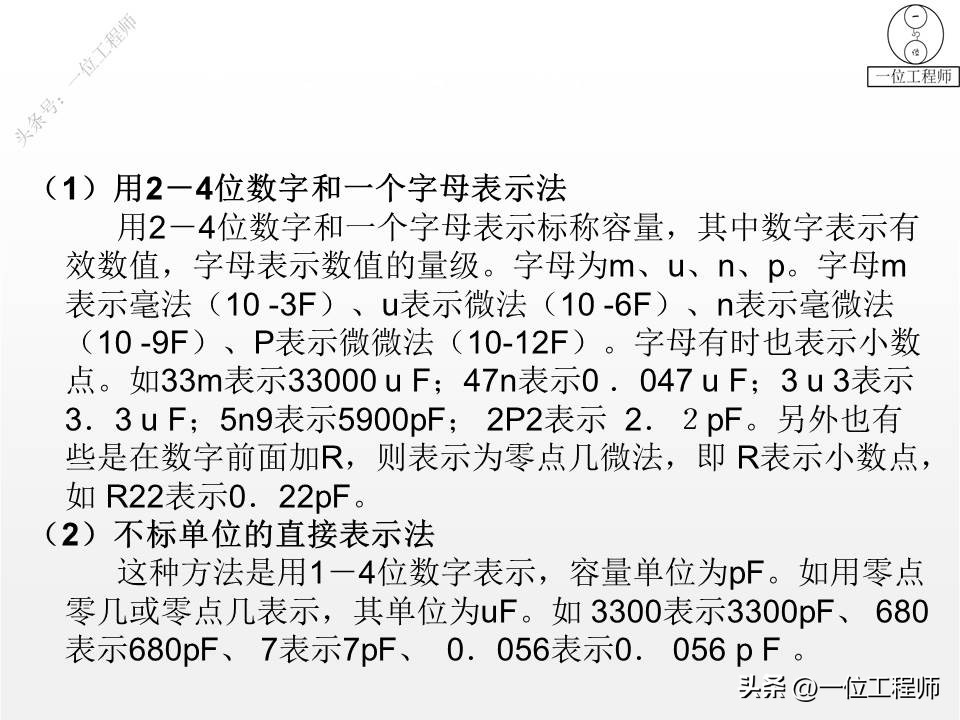
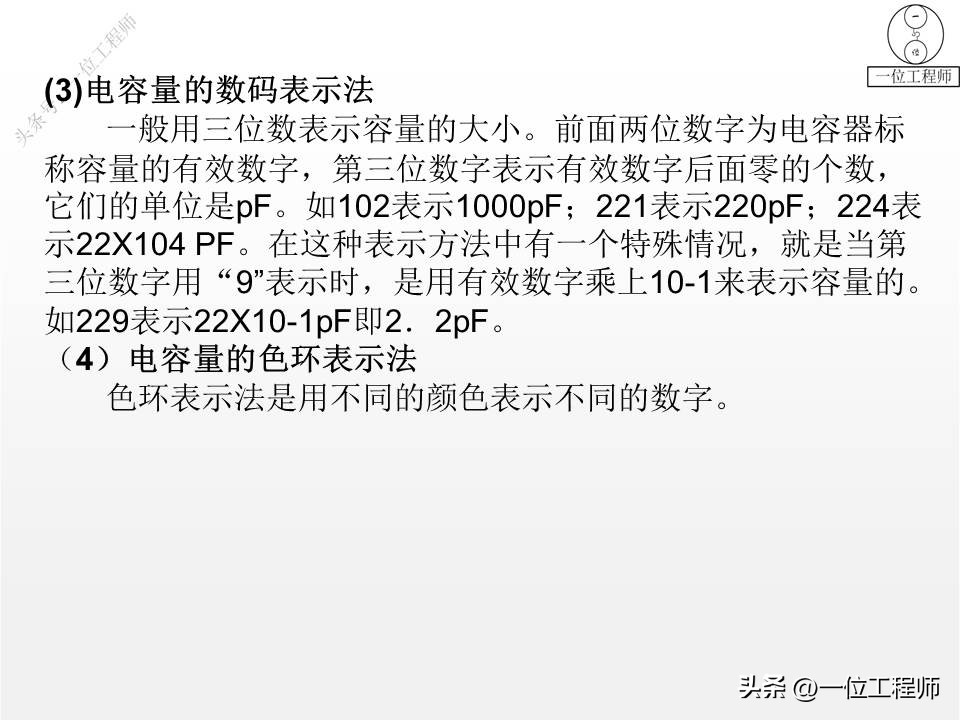
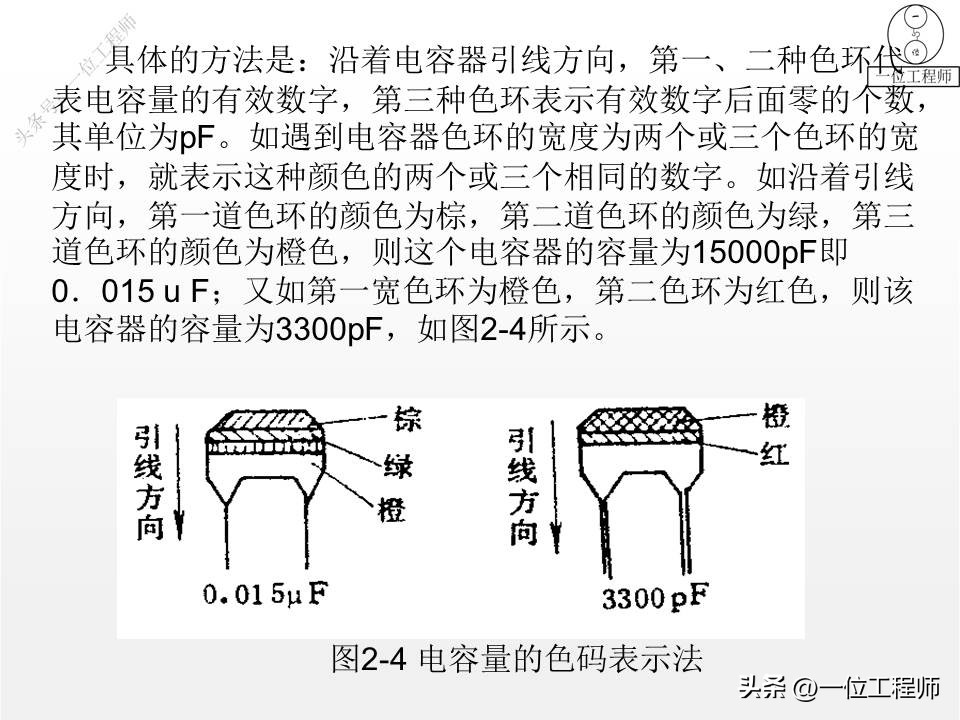
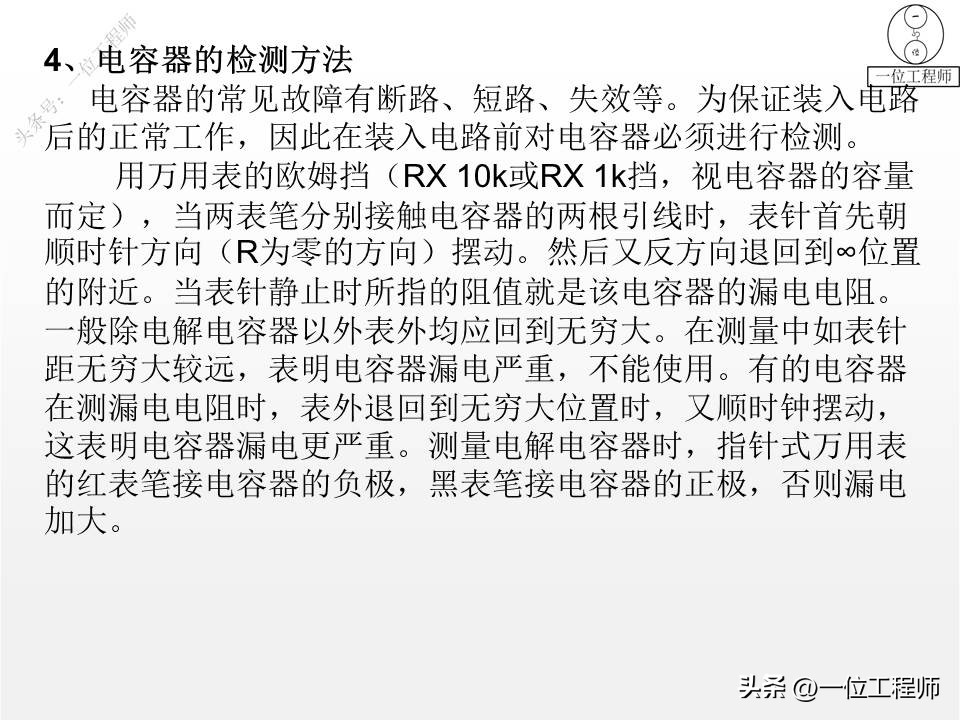
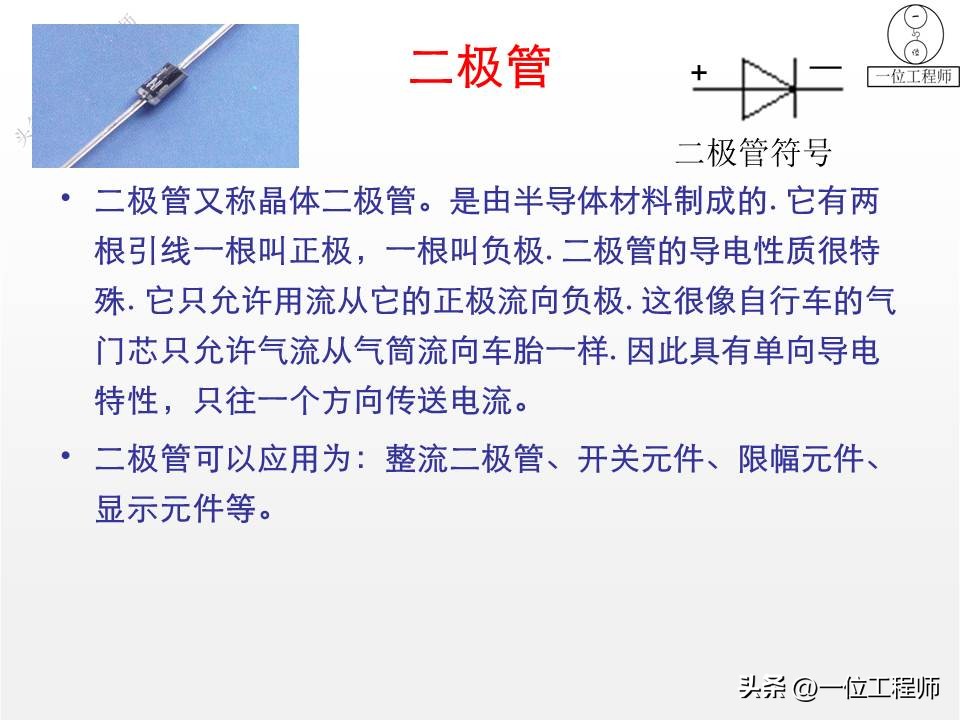
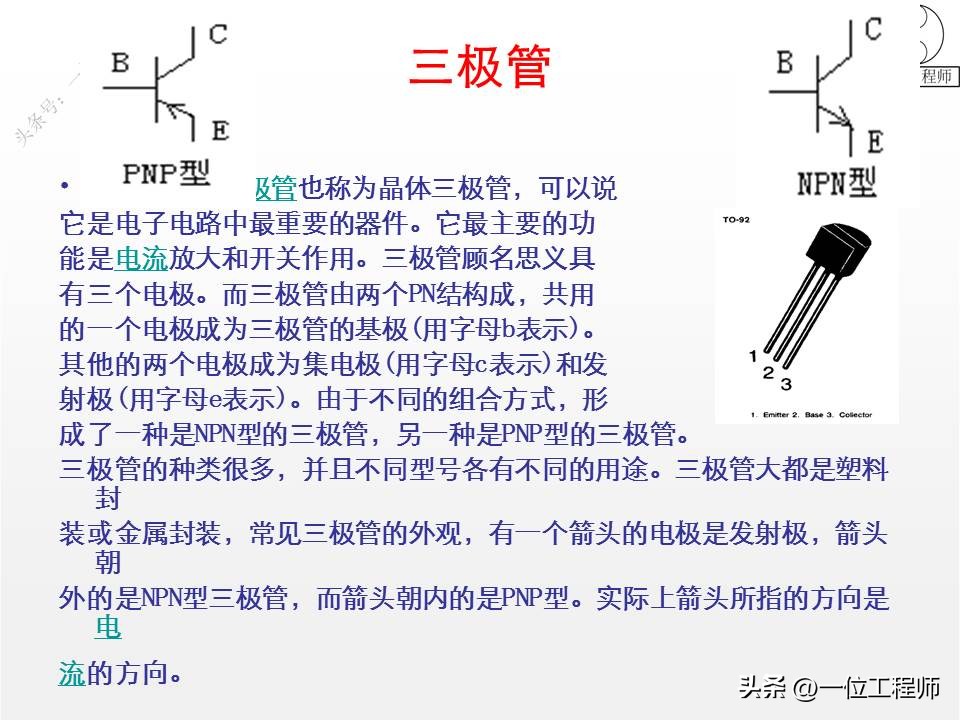
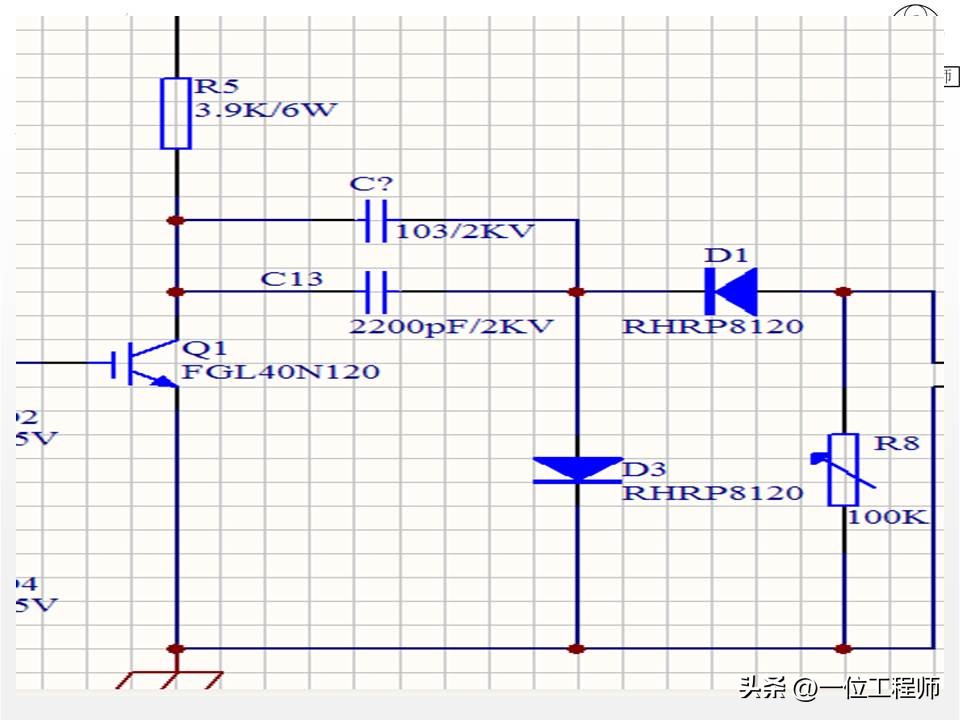
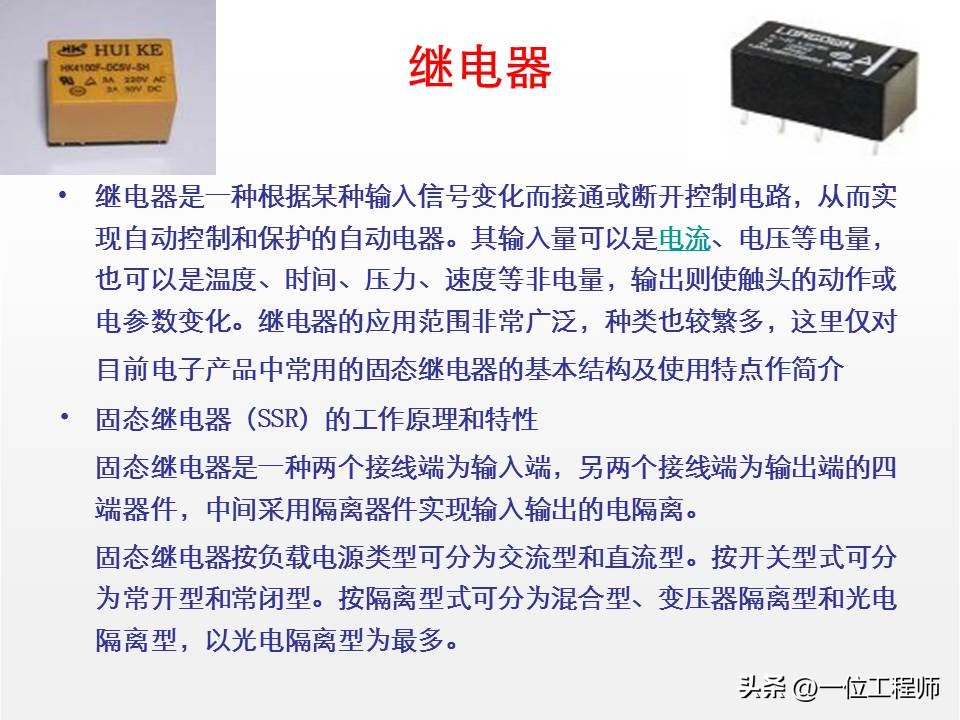
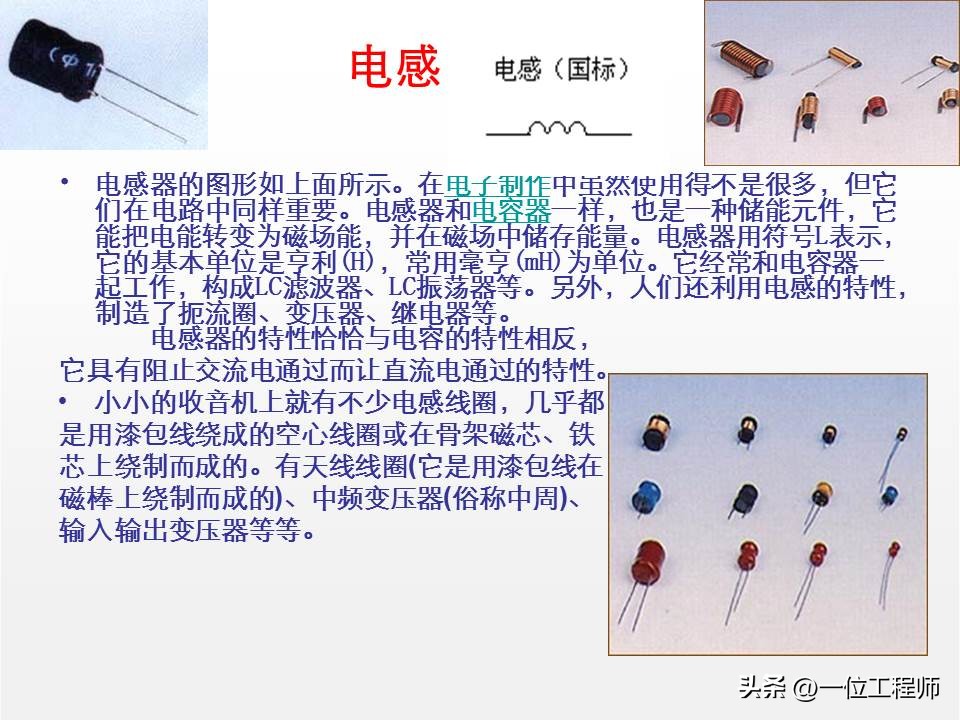
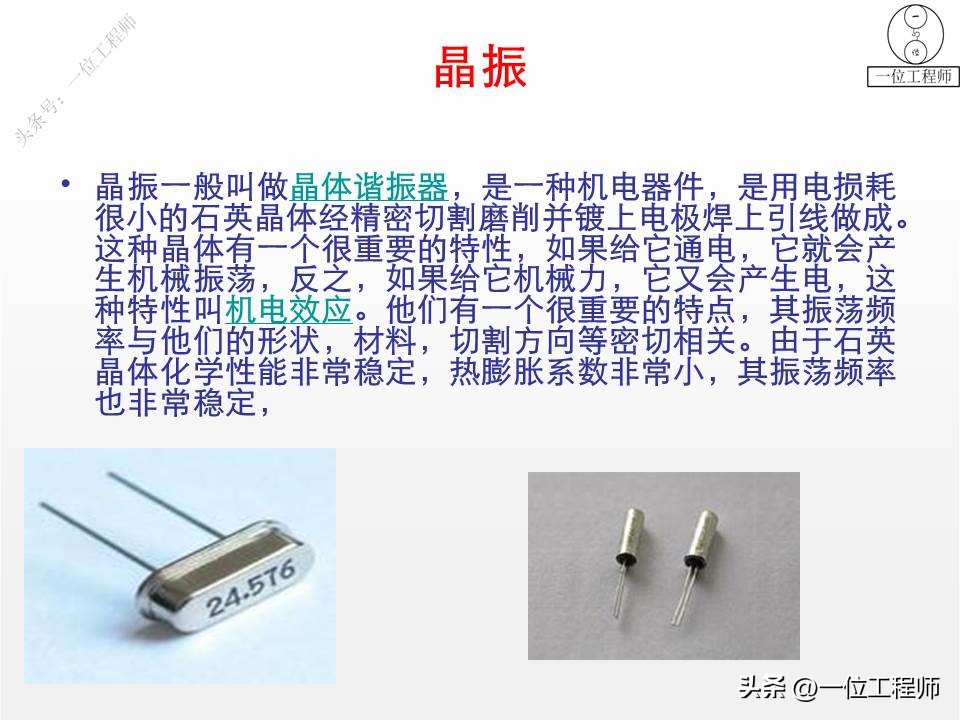
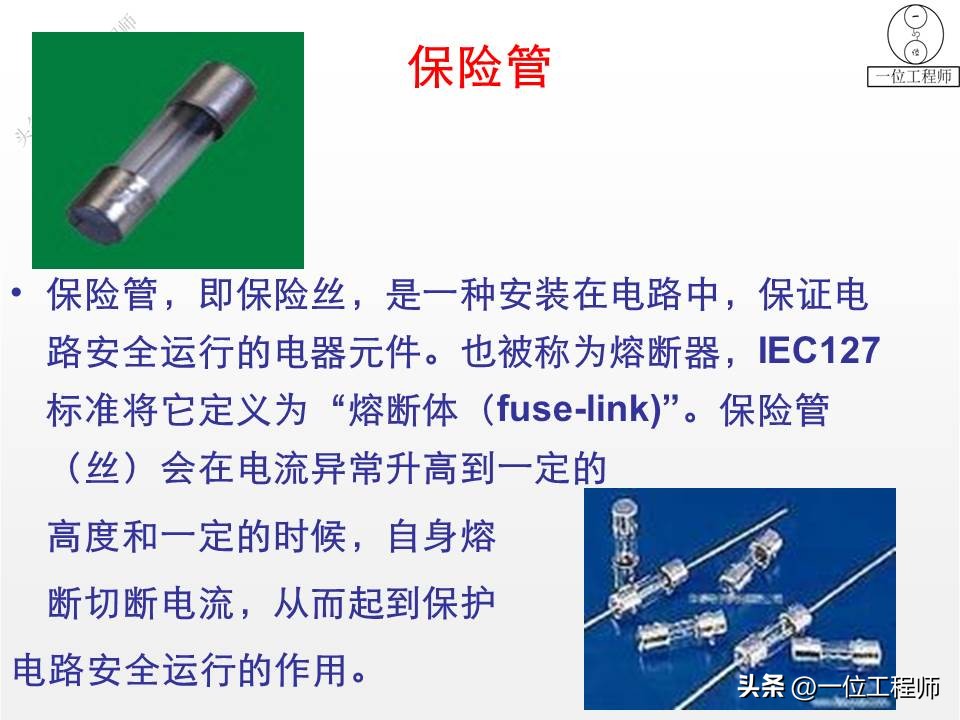
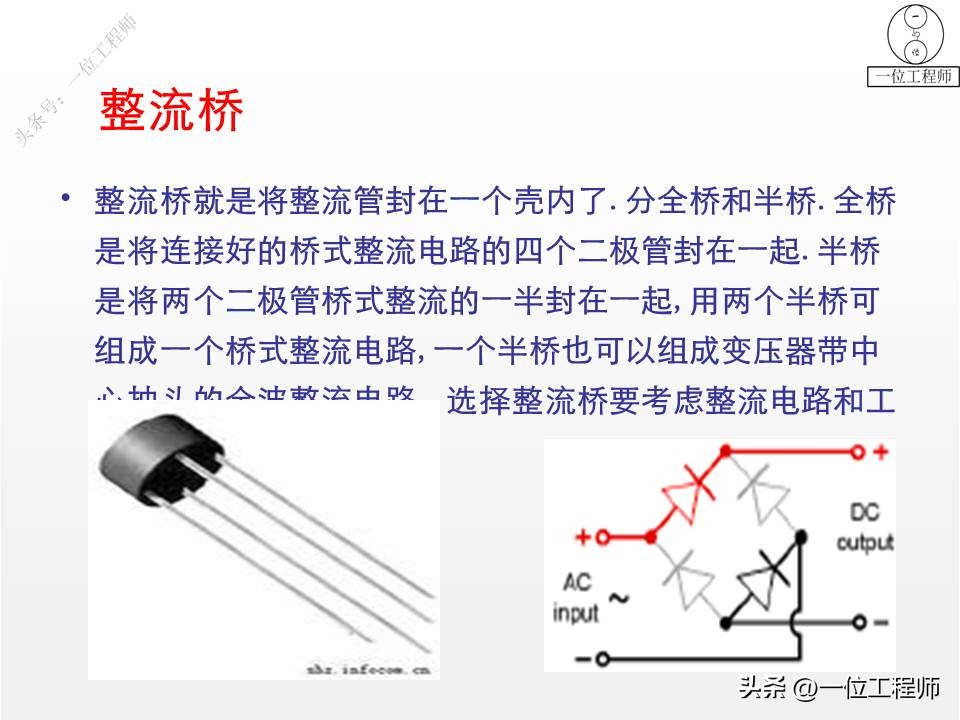
Devices commonly used in electronic circuits include electrical resistance, capacitors, diodes, tripolar tubes, controlled silicon, light-touch switches, liquid crystals, light diodes, beepers, various sensors, chips, relays, transformers, pressure-sensitive electrical resistance, fuses, optics, filters, relay plugs, electrics, antennas, etc。
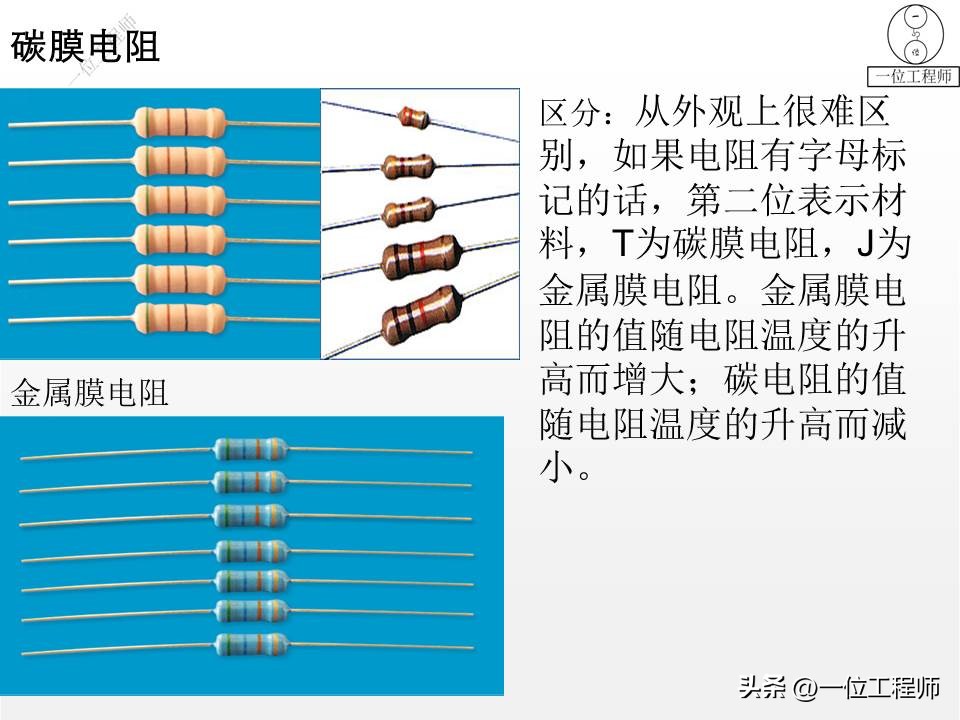
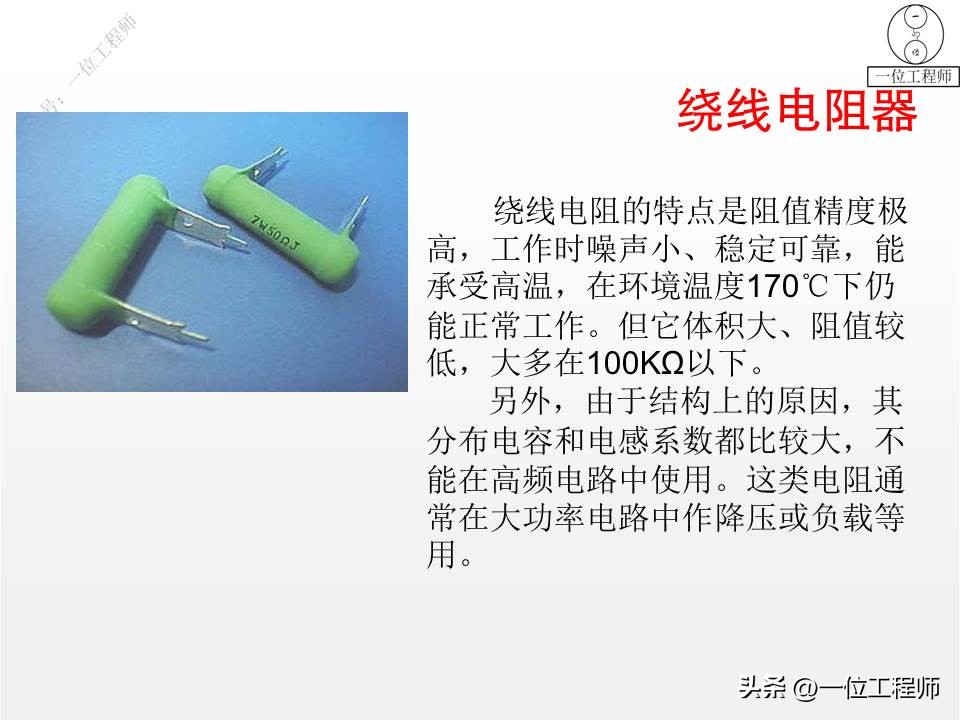
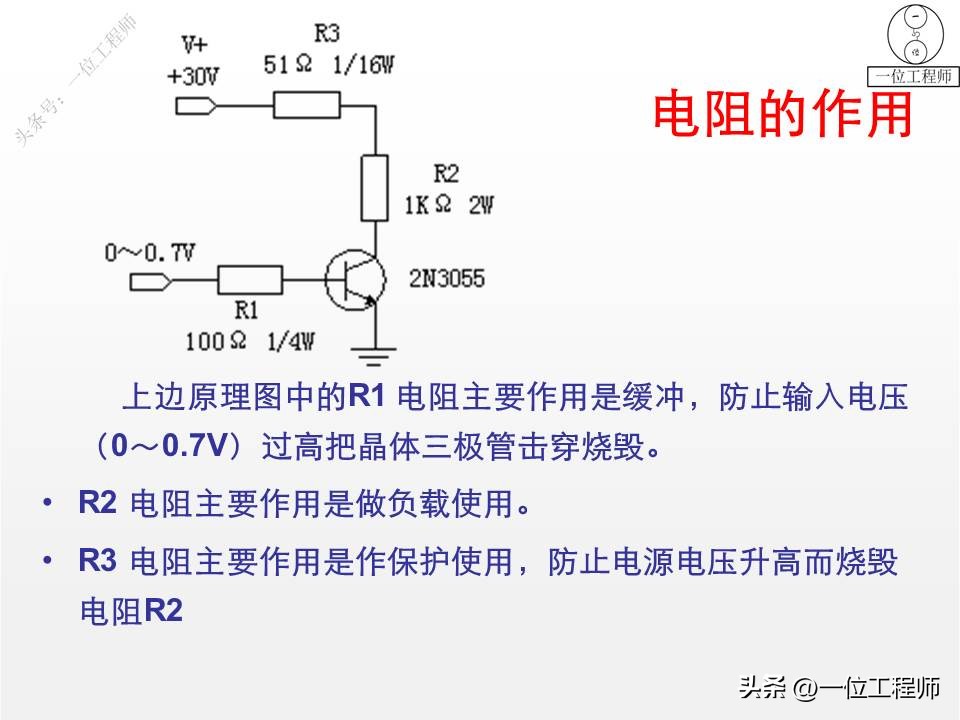
Electronic circuits are like a sophisticated team of collaborators, each of which has a unique function. The electrical resistance is like a “flow-limiter” who adjusts the state of the circuit by blocking the current; the conceiving is an “energy buffer pool” capable of rapidly charging and stabilizing voltage fluctuations. The diodes, like the one-way door of the current, are allowed in only one direction; the controlled silicon, by virtue of its “touch-and-lock” properties, is often used to regulate large power equipment。
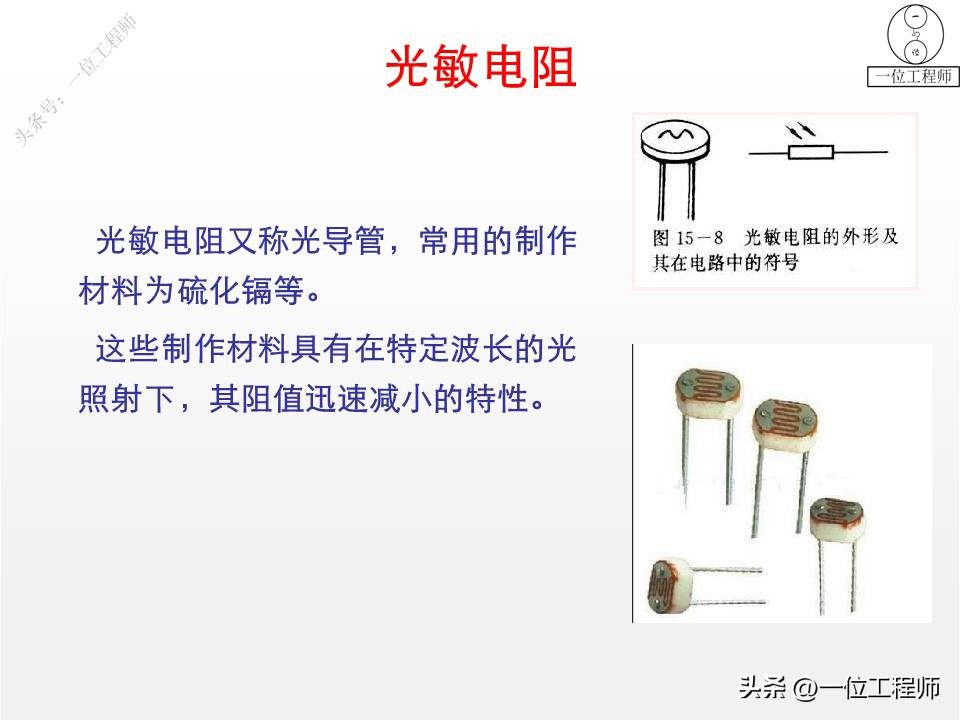
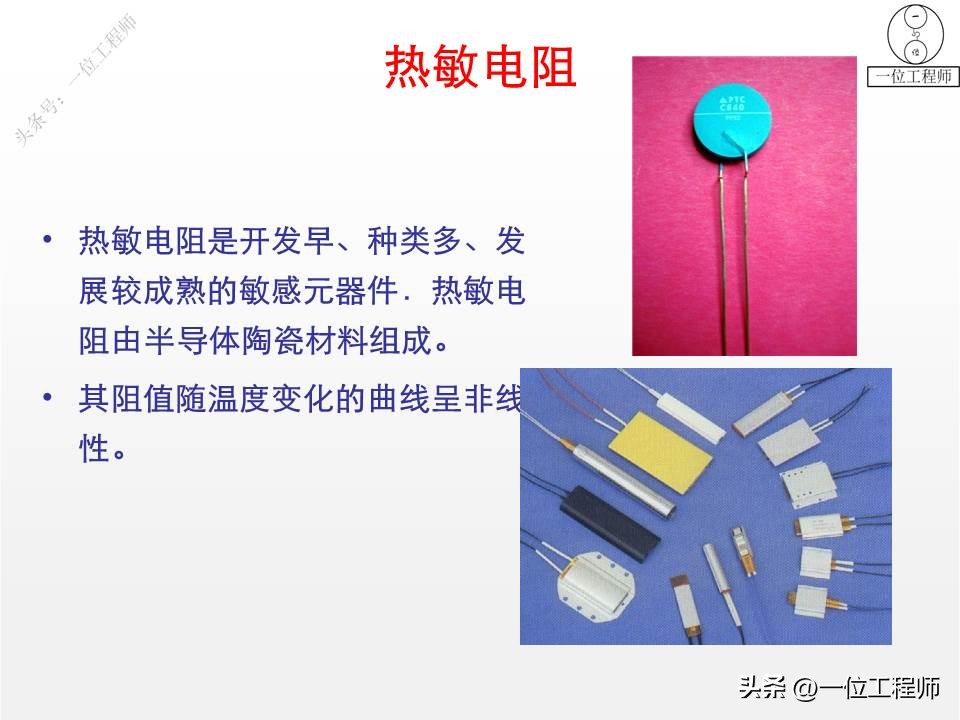
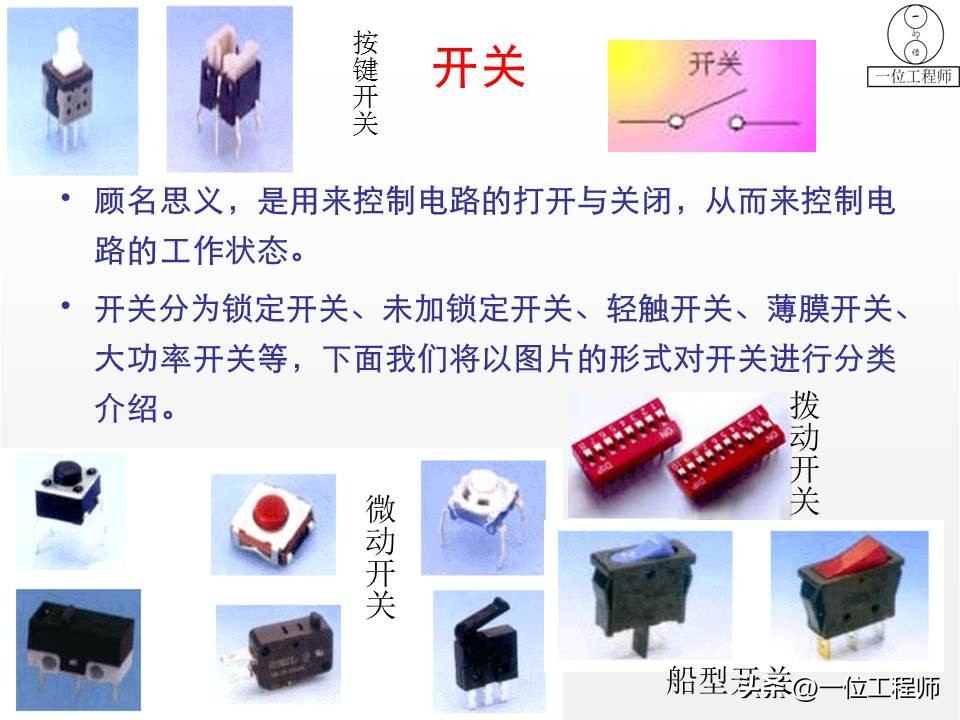
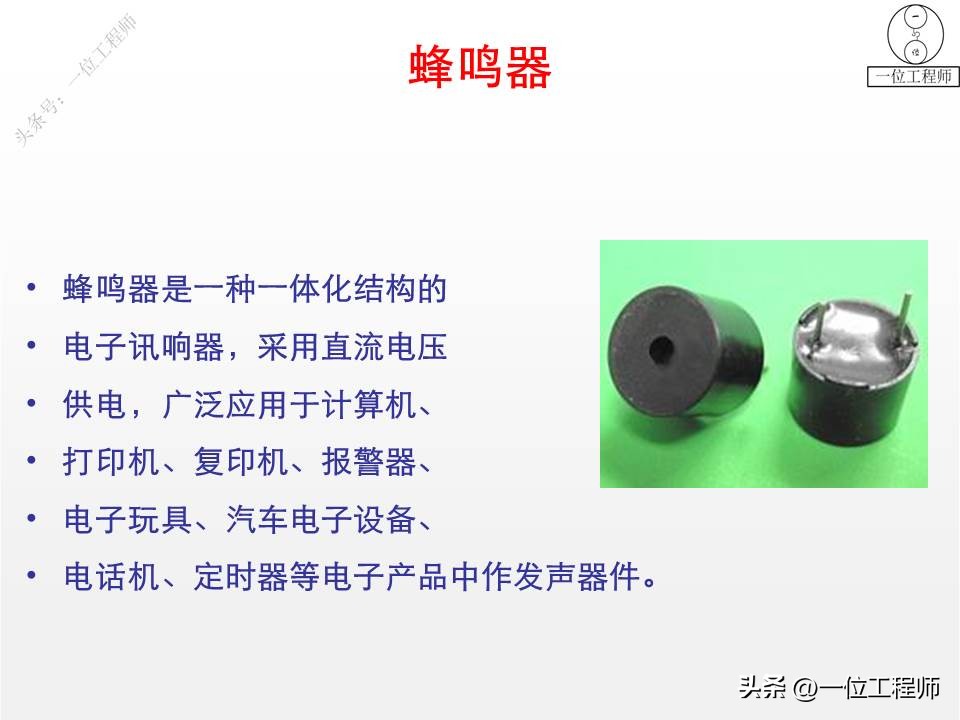
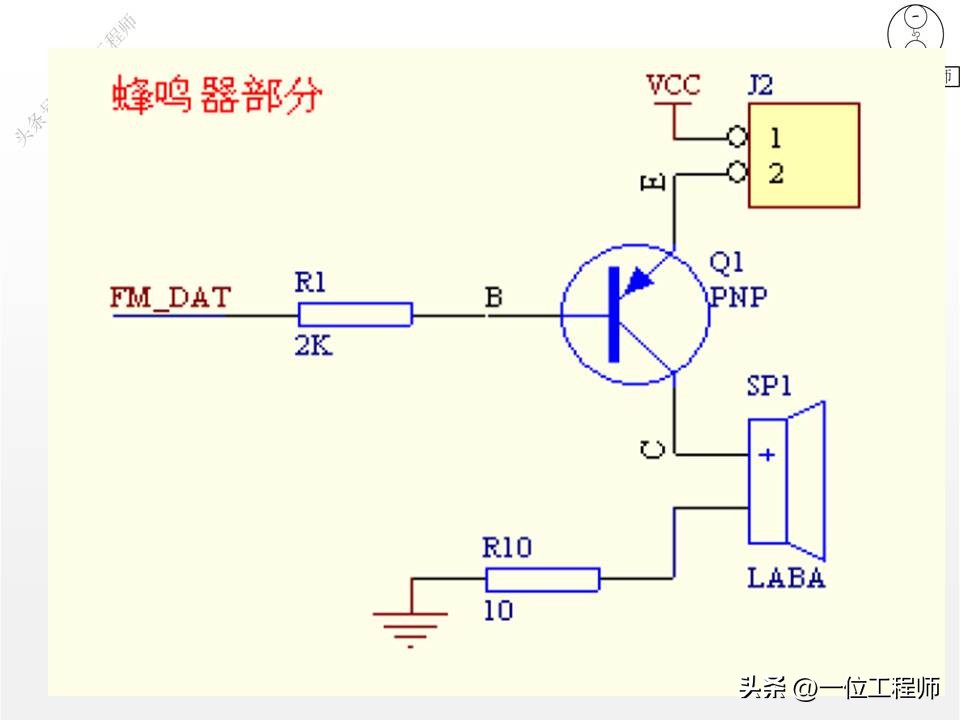
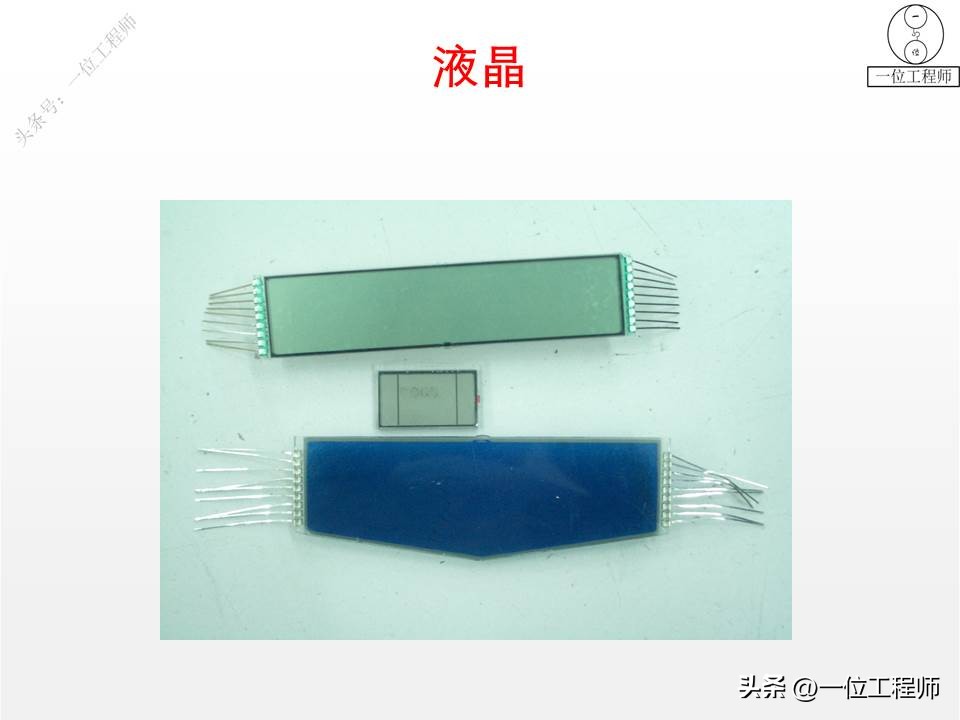
The light touch switch is an interactive point of contact for the human machine's finger, pressing the trigger command; the lcd screen collides text images through a small pixel point to become an information display window; the light diode (led) transmits the device in a multicolored light, and the beeper uses sound alarm abnormalities. Sensors, like the "sensor" of circuits, capture changes in the environment such as temperature, light, humidity in real time。
Plug-in, like the joints of the circuit skeleton, connects the modules to work together; the electric power transforms the electrical power into a rotational power that drives the machinery; and the antenna is a transmitter for wireless signals that sets up the air information bridge. From mobile phones to smart house electricity, these devices are coordinated to allow an orderly flow of electricity, to transform abstract telecommunications into a real-world function, and to support the ease and efficiency of modern life。
85 pages ppt describes 20 electrons