


With a view to effectively strengthening winter safety education for students, effectively preventing the occurrence of various safety incidents and ensuring the safe and healthy growth of students, attention is drawn to the following:
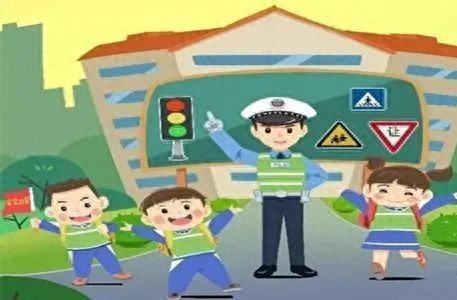
In the light of the onset of winter and the increase in severe weather conditions, such as rain and snowstorms, and the consequent increase in traffic safety risks, in order to ensure the safety of students in and out of school, please:
1. To keep abreast of weather changes, to be careful of the safety of the roads during rainy and snow weather and to guard against possible safety hazards caused by weather such as rain and snow, freezing and fog。
2. To attend school on time and on time, to attend school without delay, delay, delay or need to travel up the road, so as to eliminate security risks arising from subjective factors。
The zebra line is to be followed on foot through the road, without rushing, without rushing, without laughing and with “one by two by three”. When crossing the intersection, it is important to follow the signal, be careful of the traffic and not rush, but to be sure that there is no danger。
4. In winter, heavy fog, frost and snow weather can lead to loss of sight, slippages, and parents must take their students to and from school in a safe manner, especially on roads with water and ice, such as rivers and ponds。
A person under the age of 12 may not ride a bicycle or an electric bicycle under the age of 16。
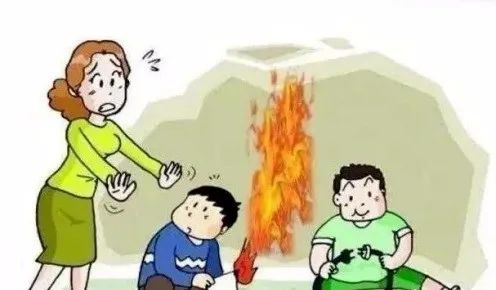
The winter weather is dry and fires are more dangerous. In order to prevent the occurrence of fire incidents:
1. To educate children not to play with fire, home-based lighters and matches should be placed where children cannot get them。
2. To inform the children that they are not allowed to use fire in the field and that it is strictly prohibited to bring dangerous materials such as fire seeds, flammable explosive substances to schools and woodlands。
3. Educate children not to burn fireworks in order to avoid burns and injuries。
To strengthen education on children's knowledge of fire prevention, fire suppression and fire escape, fires are quickly reported by calling “119” in an effort to minimize the probability of safety incidents。
Electricity security for heating
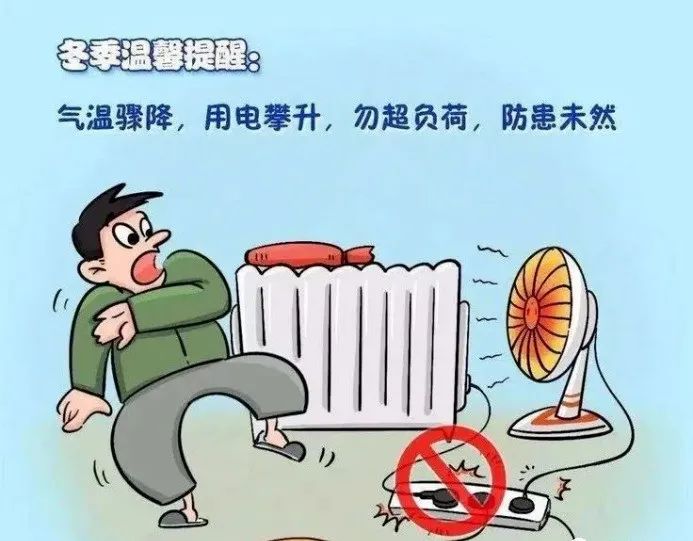
1. The correct use of electrical equipment, the non-disturbing of electrical wire outlets, the non-overloading of electricity, the timely replacement of ageing electrical equipment and circuits, and the closing of power switches when out。
2. In winter, when cold, heat should be kept in mind for safe use of fire power and for the timely clean-up of surrounding flammable materials; when you leave, do not forget to turn off the power switch。
3. Students are prohibited from using heat appliances such as stoves, heaters, heaters, etc. In order to avoid accidents such as burns, electrocutions, etc。
4. In the winter, if a family uses a coal fire for heating, parents are requested to be careful about the ventilation, to keep the flue lane open and to install air-resilient facilities to prevent carbon monoxide poisoning in the household。
Gas safety
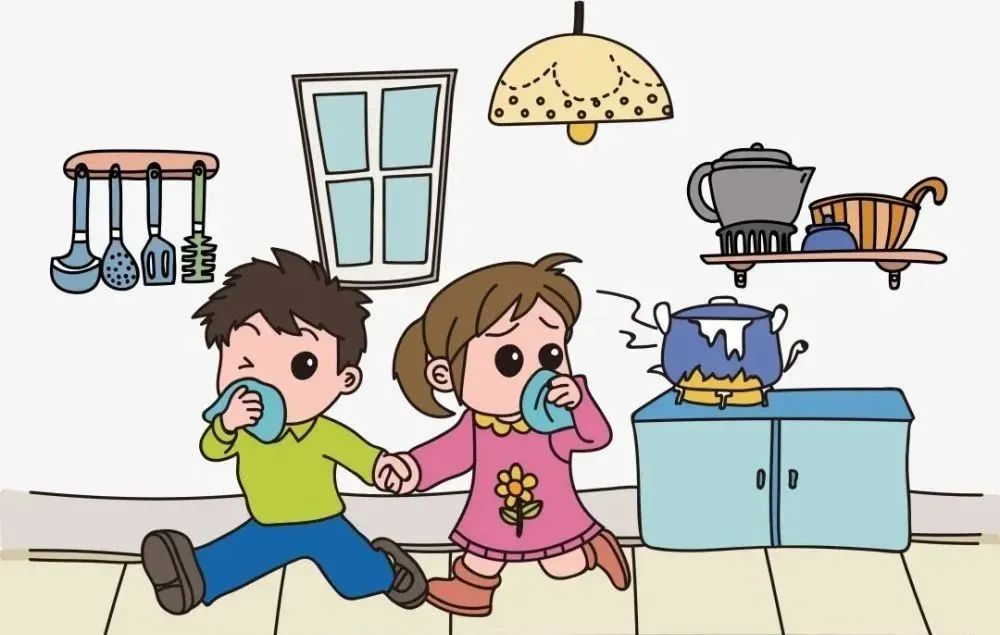
1. Reminds children not to play with natural gas switches in the kitchen。
To prevent the boiling of the soup from extinguishing the fire and causing a gas leak。
3. Timely replacement of older gas hoses to prevent accidents caused by loose release。
When used, turn off gas and water heaters to get people out of fire, out of electricity, out of gas。
Infectious disease safety

During the winter season, which is characterized by large changes in temperature, there is a high incidence of various infectious diseases, such as influenza, virus and parageny pneumonia, and care must be taken to prevent them:
1. Parents are to educate their children to develop good hygiene habits: wash their hands before eating; sneeze, cough and clean noses covered with toilet paper; use used toilet paper without throwing away and spitting; and avoid sharing water cups, meals, towels, etc. With others。
2. Take care of indoor ventilation so as to avoid crowd-intensive, poorly ventilated public places and, if necessary, wear masks。
Drink more of the water, refuse to drink raw water, minimize the use of coloured drinks, and reject the term “three foods without foods”; take care to balance diets, absorb appropriate quantities of vegetables, fruits and protein-rich foods and enhance physical immunity。
4. Parents shall monitor the child's reasonable well-being, ensure adequate sleep, strengthen physical exercise, increase and decrease clothing in a timely manner in accordance with weather changes and be careful to keep warm。
5. During the high incidence of infectious diseases, parents are requested to bring their children to vaccination in a timely manner and to establish a vaccination barrier。
6. Parents should pay close attention to the health of their children in their daily lives, such as the detection of fever, rashes, headaches, inactivity, coughing, red eyes, etc., and take the child to the clinic in a timely manner and contact the head of the class in a timely and proactive manner to inform the child of his or her physical condition。
The responsibility for security lay more with tarzan than with the alarm bells that were preempted. The safe and healthy development of our children is the common voice of our schools, teachers, parents and society at large, so that we can work together to educate our children about winter safety and to constantly enhance their sense of safety and care for their healthy and happy development









