



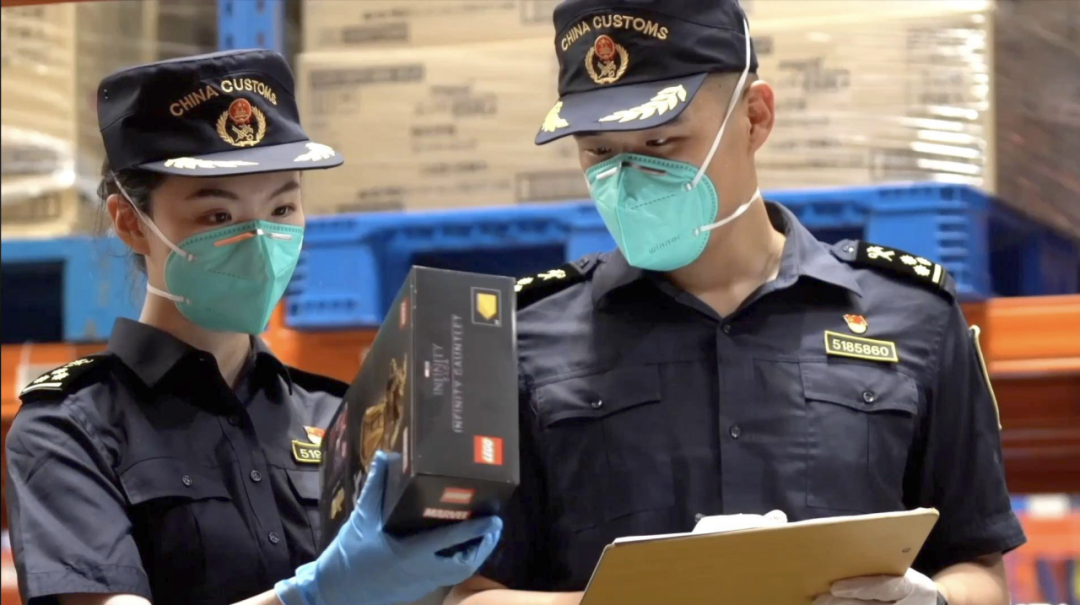
A shipment of products intended for overseas use may be held by customs because of alleged infringement of trademark marks; an authorized patent may also trigger tort disputes at the export chain. For enterprises, these risks do not only result in delays in goods, but are more likely to involve storage costs, defaults on delivery, loss of customers and even obstruction of overseas market layout。
14 october 2026, stateIntellectual property rightsThe authority publishes the opinion of the general customs administration of the national intellectual property administration on enhancing the coordinated protection of intellectual property rights (2026-30)。
This document further deploys collaborative protection between intellectual property authorities and customs around information sharing, investigative assistance, operational support, and protection in priority areas。
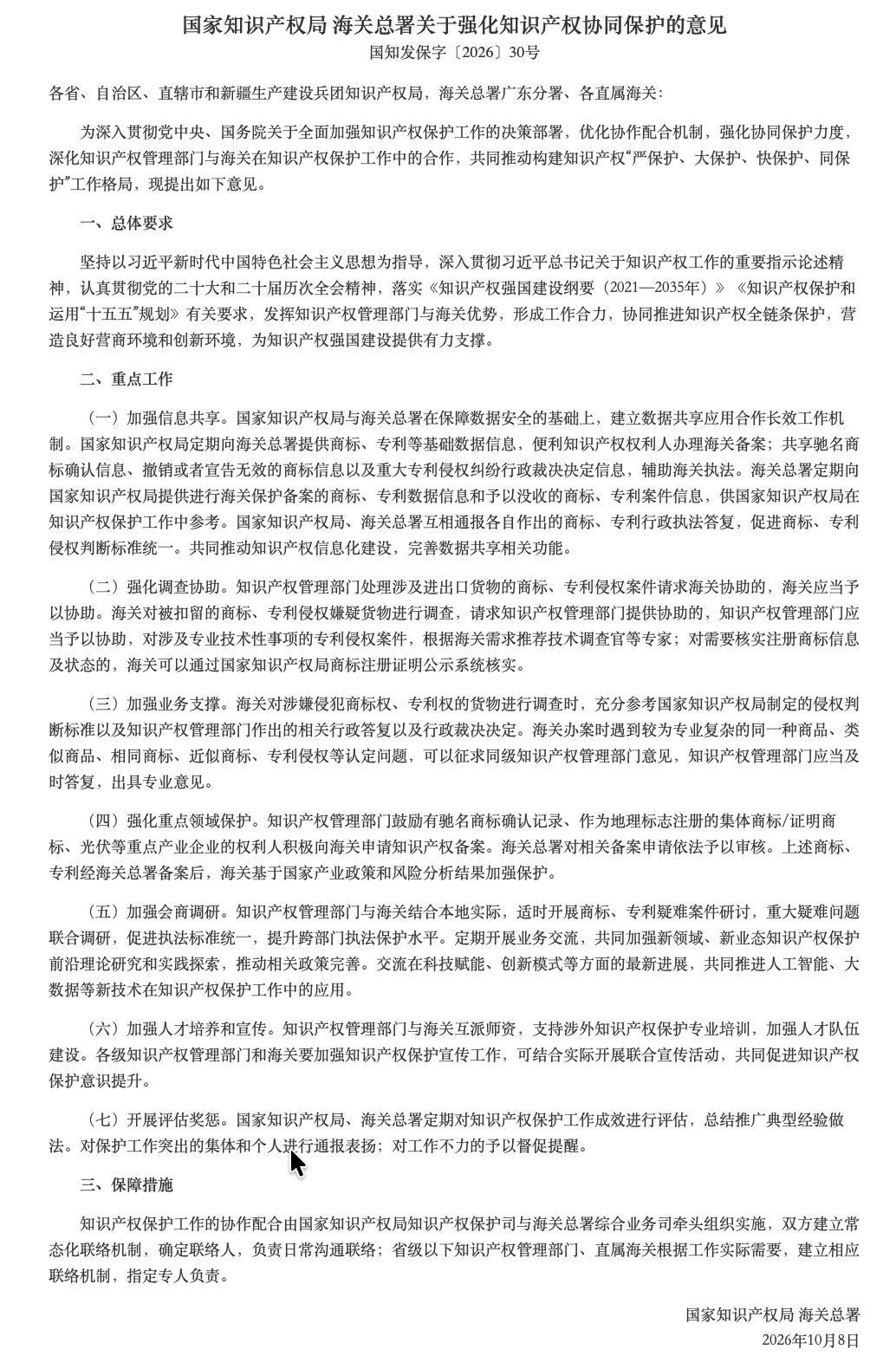
It is a matter of concern that the document not only emphasizes inter-sectoral information-sharing, but also makes it clear that intellectual property authorities can provide professional advice on professional complex trademarks, patent tort determinations and that both parties should enhance investigative assistance in cases of intellectual property tort involving imports and exports of goods。
This sends a signal worthy of corporate attention:
Protection of intellectual property rights is further extending to the import and export chain, and enterprises should not focus solely on whether rights are acquired, but also on whether rights can play a role at key points where goods enter and leave the country。
So, what changes has this document brought? What problems can be solved by registering trademarks and patents respectively? How should enterprises prepare themselves for export and respond effectively when goods are seized or abuse detected
Q1: from “departure” to “co-protection”
What are the new policies releasing
Information-sharing
Making rights information better serve customs enforcement
Intellectual property rightsCustoms protectionOne of the practical difficulties is the need to link information on rights with information on goods。
Customs control of imports and exports requires the identification of whether goods are suspected of violating intellectual property rights such as trademark rights, patents, etc., while the administration of intellectual property has information on trademarks, the status of patent rights, relevant administrative decisions and professional judgements. The timely interface between the two types of information can affect the efficiency of law enforcement and the accuracy of abusive judgements。
This opinion suggests that, on the basis of data security, the national intellectual property agency and the general customs administration establish a mechanism for cooperation in data-sharing applications。
In particular, the national intellectual property agency will regularly provide basic data information on trademarks, patents, etc., to the general customs administration, and share information on the recognition of trademarks, the revocation or annulment of trademarks, and decisions on administrative decisions in major patent infringement disputes. The general customs administration will also regularly provide the national intellectual property agency with relevant customs records and information on the seizure of trademarks and patent cases。
They will also inform each other about trademarks, patent administration and enforcement responses, and promote the convergence of tort judgement criteria。
For enterprises, this means:
Rights information is no longer merely static information held within the enterprise or by a single administration, but is a further basis for cross-sectoral collaborative protection。
In particular, in cases where the status of trademark rights has changed and where patent infringement disputes are more complex, better information-sharing helps law enforcement to have the necessary rights context and to reduce the perceived barriers posed by information asymmetries。
It needs to be noted, however, that information-sharing does not mean that all violations risks are automatically identified. Enterprises still need to be proactive in handling customs records, providing leads on violations and updating information on rights and goods in a timely manner。
Investigation assistance
Clearer coordination mechanisms between customs and intellectual property authorities
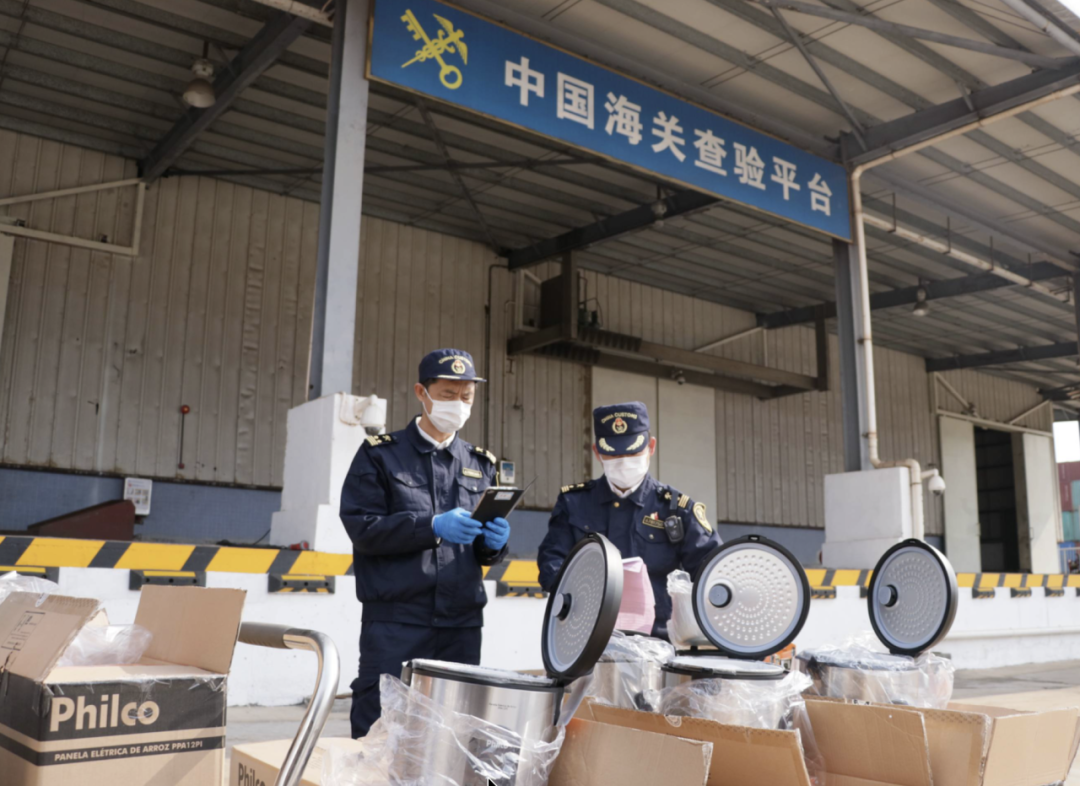
The opinion states that the administration of intellectual property deals with trademarks and patent infringement cases involving the import or export of goods, and that the customs authorities shall assist in requests for customs assistance; and the administration of intellectual property rights shall assist in investigations of detained trademarks and patent infringement suspected goods。
This means that synergistic protection involves not only routine exchange of information, but also the investigation of specific cases。
For example, where an export product is suspected of using a trademark registered by another person, customs may need to further verify the registration of trademarks and the status of rights; in cases of alleged infringement of patent rights, the technical characteristics of the goods, the interpretation of patent claims and whether the relevant technical programmes fall within the scope of protection may involve professional judgement。
In response, the opinion makes it clear that, in respect of professional technical matters, the ipr administration may recommend experts, such as technical investigators, on the basis of customs needs, and may also seek advice from the ipr administration at the same level in the case of more complex trademarks and patent infringement determinations, for prompt response and professional advice。
This arrangement is relevant。
Trademark tort judgements may involve issues such as whether trademark marks are identical or similar, or whether goods are identical or similar; patent tort judgements may require more detailed analysis of technical options. The introduction of professional advice has helped to improve the capacity to handle complex cases。
For enterprises, greater emphasis should be placed on the preparation of professional evidence in the future. Information on products in kind, technical drawings, patent claims checklists, trademark registration information and authorization documents can be an important basis for responding to investigations。
Focus area protection
Documentation should be closer to corporate risk
In particular, the opinion suggests that intellectual property authorities should encourage holders of well-known trademark recognition records, collective trademarks registered as geographical indications or probative trademarks, and key industrial enterprises, such as photovoltaics, to actively apply to customs for filing of intellectual property rights。
The signal here is not that customs protection is required only by large enterprises, but rather that different industries, different types of rights, should be combined with actual export risk assessment requirements。
For example, brands with high market visibility may face trademark counterfeiting and unauthorized use; technology-intensive industries such as photovoltaics may involve matching product structures, technology programmes and patent claims。
For these enterprises, the ipr layout should not be confined to the domestic application and overseas registration stages, but should also further consider the use of customs protection mechanisms to protect against the risk of abuse at the import and export chain。
It should be emphasized that the opinion refers to encouraging the right-holders who meet the relevant conditions to apply actively for filing, and does not mean that all enterprises or all products in a particular industry will automatically receive customs protection。
Q2: trademarks and patents customs record
What can be solved separately
Customs filing is an important institutional tool for the protection of intellectual property, but trademarks do not have the same tort recognition logic as patents. Enterprises should choose the type of right to protect according to their own product characteristics。
Mark record
Protection against unauthorized use of brand names
At the heart of trademark protection is the prevention of unauthorized use of markings that infringe on the right to exclusive use of registered trademarks on related goods。
For exporting enterprises, trademark risks may arise from multiple sources:
By filing a customs record of intellectual property rights, rights-holders can provide information on trademark rights to customs and provide relevant leads in relation to known risk of infringement, creating conditions for customs to identify goods suspected of infringement。
When the relevant legal conditions are met, the customs authorities may take protective measures ex officio, and when the right holder finds that the goods suspected of violating the law are about to be imported or exported, he may also apply for detention in accordance with the law。
However, the filing of trademarks does not mean that all goods with similar markings will be found to be in violation. Specific judgements still need to be analysed in the context of the status of trademark rights, categories of goods, mode of use of markings, authorization, etc。
Enterprises should focus on preparing:
One is a valid trademark registration certificate and information on the rights holder
Second is the actual use of trademarks, including merchandise, packaging and label pictures
Third, to authorize dealers, licensees and legal users of information
Fourthly, there are known clues about tort goods, producers, consignors, consignees, etc。
The clearer this information becomes, the better it is for customs to understand the boundaries of rights and to identify anomalies。
Patent filing
Allowing technology program protection to extend to import/export
Unlike trademarks, patent tort judgements usually require an analysis of patent claims and the technical characteristics of the alleged product。
For example, an enterprise has an invention patent involving mechanical structures, and products exported by another enterprise may have similar structural designs. Even if the product looks different, the risk of patent infringement cannot be directly excluded by mere appearance differences。
In the context of patent customs protection, rights holders are required to provide information on patent rights and to provide a basis for their suspicion of infringement, taking into account the circumstances of the goods suspected of infringement。
Patent cases tend to require more technical material than trademarks. The patent claim, the statement, the accompanying chart, the product structure, the technical parameters, the sample and the necessary technical comparison of the material may all affect tort judgement。
The following issues require particular attention by enterprises:
For enterprises preparing to export technology products, the two address different issues and should be organized separately。
It's not an automatic interception, it's not a violation conclusion
Enterprises also need to understand the basic operating logic of customs protection of intellectual property。
In accordance with the regulations of the people's republic of china on customs protection of intellectual property rights, customs may take protective measures in accordance with the law in respect of imports and exports of goods suspected of violating registered intellectual property rights, and may apply for detention in accordance with the provisions when the right holder finds that the goods in question are about to be imported or exported。
In the relevant proceedings, the rights holder may be required to submit an application, a statement of rights, evidence of the facts of the alleged violation, and to provide appropriate guarantees in accordance with the law. In the case of registered intellectual property, the customs authorities, when they find the goods suspected of being in violation, notify the right holder, who must respond within the legal time limit。
Thus, the value of filing is to provide a basis of rights and relevant leads for customs to identify and process goods suspected of being in violation, rather than to substitute for the statutory procedures of customs, or to make early findings of infringement。
Businesses cannot assume that they can “take care of themselves when they have done so”, let alone wait until the goods have been seized before looking for patent documents, trademark certificates or matching information。
Q3: pre-export enterprises
What intellectual property rights should be prepared
For exporting enterprises, intellectual property protection should be embedded in the whole process of product development, brand management, supply chain management and export delivery, rather than being treated as a separate administrative process。
Zero one
Let's find out what business has rights
An enterprise should establish a list of intellectual property assets, including, at a minimum:
It is particularly important to note that domestically acquired trademarks and patent rights generally do not directly replace the distribution of rights in targeted export markets。
For example, registration of trademarks in china does not automatically mean that enterprises have the same scope of trademark rights in the united states, the european union or the south-east asian market. Patent rights are also of a geographical nature and the patent layout and status of rights in the country or region concerned should be verified according to the target market。
For enterprises planning to operate overseas markets on a long-term basis, it is proposed that the ipr inventory be synchronized with export market planning。
02
Not just your rights, but the rights of others
Before exporting an enterprise, the necessary intellectual property risk screening should be carried out according to product type, technical characteristics, brand name and country or area of sale。
Trademarks
The existence of identical or similar trademarks in the target market should be verified and the risk of use of brand names, packaging labels and promotional materials assessed。
Patent aspects
The relevant patent literature should be retrieved in conjunction with the product technology programme and fto analysis should be carried out as necessary. Further analysis of the legal status of the relevant patent, the scope of the claim and possible tort disputes should also be undertaken for products involving complex technologies, important commercial customers or high-risk markets。
This work applies in particular to the following situations:
The value of risk screening is not to promise that an enterprise will never have a tort dispute, but to identify risks as far in advance as possible and to reduce the risk of complaints, detention or involvement in litigation following the listing of products。
03 [customs list established]
Matching protection mechanisms with export operations
Enterprises may assess which trademarks and patents are suitable for priority customs filing based on factors such as the frequency of product exports, value of goods, brand visibility, risk of infringement and target markets。
Record managementIt would not be appropriate to focus only on the number of applications, but also on the quality of information and its maintenance。
It is recommended that enterprises establish a filing desk to record the type of right, the rights number, the filing status, the period of validity, the corresponding goods, the main points of export, the known information on the violation and the person responsible for it。
In the event of a change in the brand, patent, licence, status of rights or relevant filing information of an enterprise, the need for a corresponding change, cancellation or other formalities should be verified in a timely manner。
For enterprises with multiple brands, product lines and technology programmes, the intellectual property, legal, foreign trade and supply chain sectors can work together to maintain the relevant information and avoid a disconnect between rights information and actual export operations。
04 [creation of evidence file]
Don't wait until the controversy happens to find the material
In export operations, the enterprise may be both a rights holder and a complainant. Therefore, the evidence preparation should cover both “how to protect their rights” and “how to justify their products”。
On the right side
Trademark registration certificates, patent certificates, product design information, technology development records, authorized contracts, product pictures, tort leads and related communication records should be kept。
Exporting enterprise side
Product research and development, supplier contracts, procurement records, legal authorization documents, certification of technical origin of products, export contracts, customs declarations and relevant inspection records shall be kept。
If the enterprise entrusts production to a third party, it needs to be clear, in particular, whether the trademarks, designs, technical programmes and related parts provided by the supplier have legal origin and the necessary authorization。
These materials are not just supporting documents for customs investigations, but may also play a role in subsequent civil proceedings, administrative proceedings or contractual disputes。
Q4: goods seized or tort discovered time
How should enterprises respond
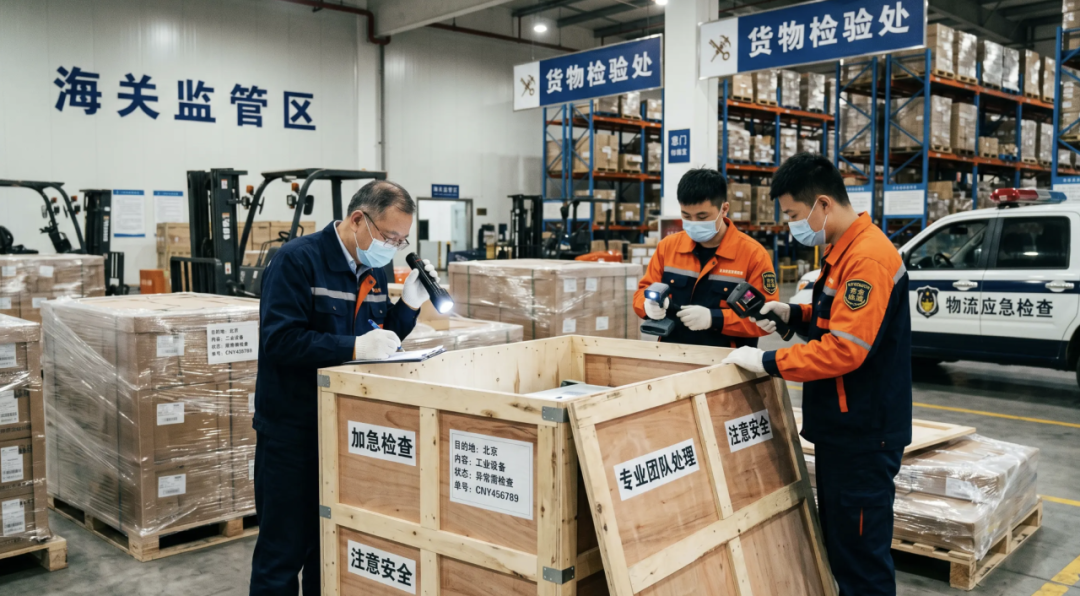
The detention of exported goods by intellectual property rights does not necessarily mean that they will ultimately be found to be in violation; however, the dispute may be further complicated by the failure of an enterprise to follow legal procedures, provide the necessary information or organize professional analyses in a timely manner。
Scenario one: an enterprise finds that goods exported by others are suspected of violating its trademark or patent
Step 1: rapid verification of the status of rights
The right holder, state of law, scope of protection and filing of the relevant trademark or patent. In the case of trademarks, registration information, approved goods and authorized use should be verified; in the case of patents, the identification of patent claims and related technical characteristics should be highlighted。
Step 2: collect cargo leads as soon as possible
The names, models, pictures, quantities, producers, shippers, consignees, ports of import and export, as well as information on the expected time of entry and exit are to be confirmed as far as possible。
In the absence of specific cargo leads, the mere existence of “similar products on the market” is often difficult to effectively promote protective measures for specific imported and exported goods。
Step iii: application or provision of leads to customs in accordance with the law
The appropriate procedures are selected depending on whether the case has been filed, whether the goods are about to be imported or exported and the circumstances of the particular case. If an application for detention is required, the application, proof of entitlement, evidence of tort and corresponding guarantees shall be prepared in accordance with the relevant provisions。
It should be noted that the customs protection of registered intellectual property rights is not identical to that applied for at the initiative of the right holder, and that the specific procedures and conditions applied are not identical and should be judged on the merits。
Step 4: active cooperation with investigations
In the course of customs investigations, the right-holder shall provide additional information in a timely manner. Professional issues such as patent technical judgements and the approximation of trademarks can be documented by technical checklists, product pictures, trademark matching materials and other evidence to illustrate suspected infringement。
Administrative protection, civil proceedings and other lawful avenues of redress should be assessed simultaneously if the case involves a high value of goods, complex technical options or may trigger subsequent proceedings。
Scene 2: exported goods of the enterprise themselves are being held by customs
In the case of exporting enterprises, the primary task upon receipt of a customs notice is not to immediately identify the violation or refusal to cooperate, but to ascertain the reasons for the detention, the rights involved and the specific procedures。
Step 1: confirm case information
Verification of claims for trademarks or patents, rights holders, suspected to infringe products, shipments of related goods, as well as customs submissions and deadlines for processing。
Step 2: substantive violations analysis
Where a dispute concerns trademarks, the existence of a legal authorization, whether the use of markings constitutes a violation, as well as categories of goods and related use should be verified。
In the case of a dispute involving a patent, the technical characteristics of the alleged product should be compared with the patent claim and, if necessary, a professional analysis commissioned. The existence of patent infringement cannot be assumed simply because the product looks different。
Step 3: timely collation of legal sources and technical information
These include product design drawings, r & d records, procurement contracts, vendor authorization, trademark licence contracts, certification of technical origin, product specifications and other relevant information。
If the enterprise considers that the goods do not violate the relevant intellectual property rights, it shall submit to the customs authorities, in accordance with the procedure, written statements and corresponding evidence, and not rely solely on “the fact that it does not know that the other party is patented” or “suppliers have produced as such”。
Step 4: assessing subsequent laws and commercial risks
The detention of goods may affect both the period of delivery, overseas customer relations, storage costs and contract performance. The enterprise should assess in a timely manner whether there is a need to adjust delivery arrangements, communicate with customers or seek alternative disposals to the extent permitted by law。
In the case of goods suspected of violating patent rights, the relevant law provides for mechanisms for the release of security under certain conditions, but the applicability, the type of security required and the need for the right holder to pursue further judicial proceedings to resolve the dispute should be determined in the light of the circumstances。
[special reminder]: do not ignore the deadline
The regulations of the people's republic of china on customs protection of intellectual property rights establish procedural requirements for the application of right holders for detention, the provision of guarantees and customs investigations. Upon receipt of the notice, the enterprise should immediately verify the specific time frame and organize its response so as to avoid delays in the process affecting interests。
From “passive advocacy” to “export pre-management”
It's the ability the firm really needs to build
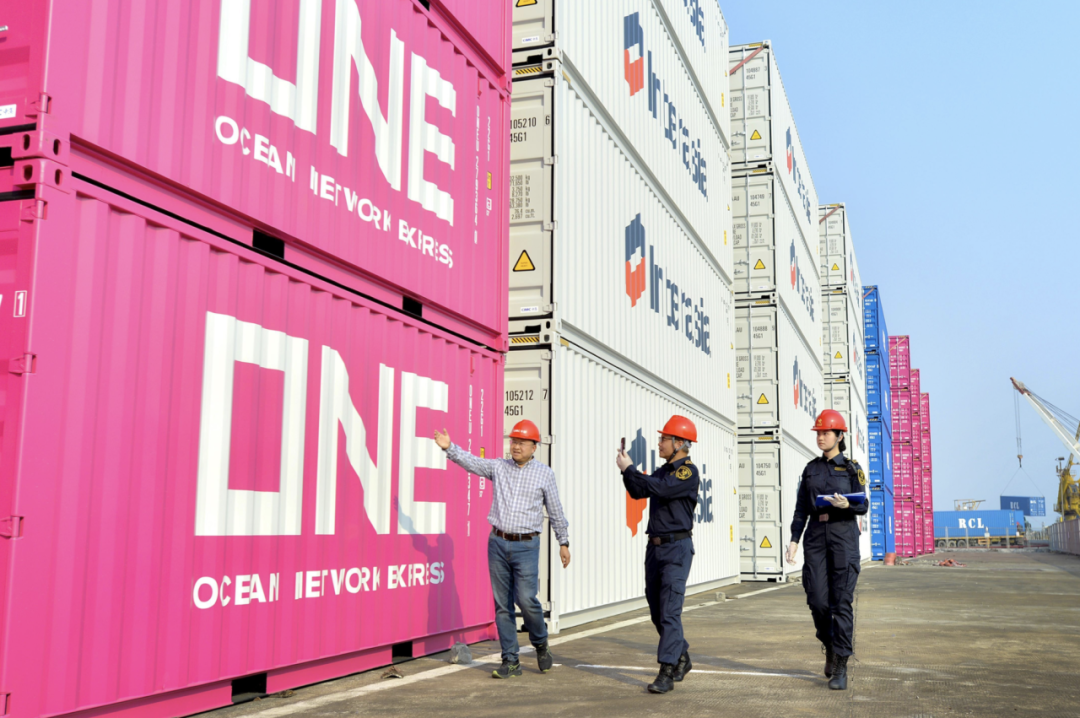
The opinion further strengthens mechanisms for information sharing, investigative assistance and professional support between intellectual property authorities and customs. For enterprises, it is important not only to have an additional tool of protection, but also to remind them to revisit the relationship between intellectual property rights and international trade。
In the past, some enterprises have understood intellectual property work as the application of trademarks, patenting and payment of dues. However, when products enter international markets, what really affects business operations often also includes the distribution of rights in targeted markets, the risk of third-party abuse, the integrity of the enabling chain, customs filing and the ability to deal with disputes。
Therefore, enterprises should build at least three basic capacities:
One is the power management
(c) clear ownership of the status, scope of protection and authorization of rights to their trademarks, patents and other intellectual property rights。
The second is risk recognition
(c) carry out the necessary intellectual property risk screening for targeted markets prior to product development, procurement, production and export, with particular attention to trademark conflicts and patented fto risks。
Three is the ability to deal with disputes
Establish an evidence system that allows quick access to certificates of rights, technical information, authorization documents and export records, and respond in a timely manner when customs notification is received or leads to violations。
In the case of intellectual property agencies, services should not stop at the completion of applications. A rational interface between trademarks and patent layouts, customs filings, fto analysis, tort monitoring and dispute response around the actual business needs of the enterprise will be more effective in helping the enterprise to transform intellectual property rights into risk management capabilities in its maritime operations。

Export competition is increasing, and ipr risks are increasingly occurring at specific points in cargo clearance, product delivery and overseas market outreach。
State secretariatThis time, increased coordination and protection with the general customs administration has led to greater cross-sectoral information sharing, investigative assistance and professional support. For enterprises, it is important not to wait for the goods to be seized before finding a solution, but to integrate the distribution of rights, tort risk screening, customs filing and evidence management into the day-to-day business process before the product is exported。
Real effective intellectual property protection goes beyond proving that an enterprise has a right to be identified, claimed and effectively upheld through legal processes at a critical time。
References:
Special note: ip policy and practice are read here and do not constitute case-specific legal opinions. In the case of actual seizure or tort disputes, the business should be judged in relation to the status of specific rights, information on the goods and the applicable procedures。









