I don't know
20261009
I. Disassembly and mechanical operating tool layers
1. Precision and batches. The fixed screws of smartphones have various specifications, and the maintenance should be equipped with a precise set of starters covering the inner six corners, crosses, one word and a brand-specific batch. The location of the bolts and the batch type should be checked against the dismantling data prior to the operation to avoid slips, perforations and screw damage. For glue units, local heating should be softened, followed by separation from other shredders, and should not be applied solely by the lifting。
2. Squeeze rods, scrapes and straws. Plastic sled rods, polyester shreds and trigonodes are used to separate screens, back covers and inner frames, and suctions are used to create initial openings and control separation angles. Soft screens, warp screens and folding screens should reduce penetration depths and prioritize the use of original plant shell processes and specialized cures to prevent damage to inner screens, optics and seals。
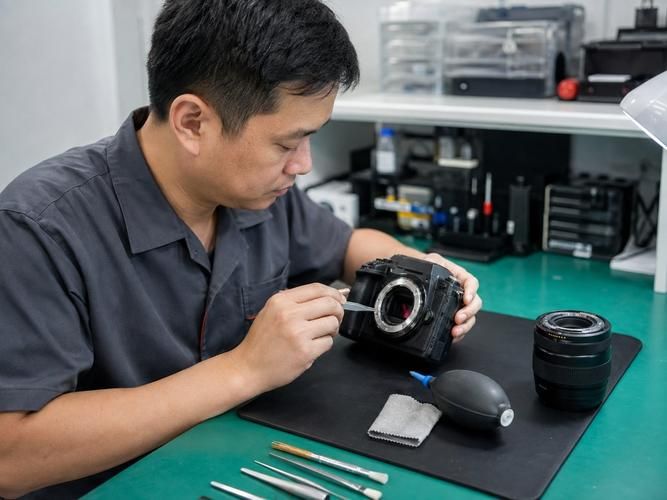
Twilight and brushes. The maintenance shall be made of electrostatic saps, which shall be configured by straight head, bend and flat head and shall be used to pick screws, shrapnel, detachments, capacitating electrical resistance and glue pieces. Brushing is used to remove dust and fibre from aerobic slots, speaker networks, recharge vents, main plate surfaces; it should be used in conjunction with scavenger solvents, dustless cloths before washing, avoiding the entry of fur crumbs into cameras and sensor apertures。
4. Disaggregated discs, fixed racks and pressure-plugs. Snails, gaskets, springs and sealing rings shall be stored in a breakout sequence. The main plate fixes are used for chip welding and detection, and screen shielding is used to replace the gel solidification that shows the total or back cover. Pressure time, pressure and glue shall be performed on the basis of technical documents for accessories。
Ii. Welding, restoration and microconnection tool layers
1. Welding equipment. The main plate welding, liner repair, flight line and small component replacement shall use thermostatic, electrostatic welding equipment. Welds should be selected to the size of the welding point, and the thin-spaced elements should operate with a low-loading line to avoid thermal damage to adjacent gels and panels. Welding materials should be selected for suitable lines, welding followed by wetting, bridges and welding in conjunction with the lead-free process。
2. Hot wind recovery equipment. Hot wind pistols or hot wind rehabilitation stations are used for the removal and installation of radio frequency units, power management units, storage and base-band seals, shielding and large integrated components. The operation shall set a reasonable temperature and volume of wind and protect the surrounding plastics, glues, batteries and fingerprint modules from heat. Large-sized grid arrays can be sealed to reduce the risk of deformation of the base plate by combining retort, infrared preheating and temperature curve control。
3. Welding and tinting materials. Welders are used to improve wetting and reduce oxidation, but the choice should be made for products that are less corrosive to the printing pads and that can be cleaned or removed free of requirements. Tin belts, stiflers are used to remove excess welding; tin nets, tin plasma are used for replanting of grid arrays. Welding residues should be treated in accordance with supporting instructions and dust-free requirements to prevent electrical leakage, corrosive and radio frequency abnormalities。
4. Micrometric and magnifying observation equipment. Microscopes are used to examine welders, lead feet, ducts, cracks, burns and re-weld mass. Regular plate-level maintenance can use continuous multiplication optical microscopes, and chip-level refurbishment selects a magnification rate based on containment density. Co-operation with light lighting and photorecording can result in malfunctions, welding before, after and after, and receiving data closed loops。
Detection, diagnosis and electrical safety layer
1. Universalized meters and insulation tests. The numeric graphs are used to measure access, electrical resistance, diode properties, device power supply and ground resistance. Cellular maintenance involves the screening of short circuits by means of a pass-through slot, followed by the measurement of circuit power, communications bus and sensor circuits using circuit information to avoid secondary malfunctions caused by electrical miscalculation。
2. Direct current steady voltage power sources and limit current protection. Non-cell-to-wire testing should use direct current power sources, set output by machine-type nominal voltage and enable limit-to-flow protection. Power circuits, short-circuit points and part of the functional module anomalies can be assessed by observing the currents of the opener, stand-by currents and load changes. Power polarity, detection point of contact and test line insulation should conform to operational specifications。
3. Oscilloscopes and specialized diagnostics. The oscilloscope is used for wave-shaped determination of low-frequency parameters associated with clocks, duplicates, data bus, charge telecommunications, audio and radio frequency. Chip-level maintenance allows cross-analysis with original plant circuit information, dot maps and fault codes. The software level should use the manufacturer-authorized diagnostic tool to complete system testing, parameter calibration and version restoration。
4. Complete security check. The maintenance shall be followed by security confirmation in accordance with applicable national standards. Gb 4943. 1-2022, part 1: security requirements, issued on 19 july 2022 and implemented on 1 august 2023, replace gb 4943. 1-2011 and gb 8898-2011, covering information technology and communications equipment security requirements. Battery replacement, preservation of circuit modification and recharge circuit maintenance should be combined with gb 31241- 2022 technical instructions for the safety of portable electronic products with lithium ion and battery, which were issued on 29 december 2022 and implemented on 1 january 2024, replace gb 31241-2014。
Parts, consumables and replacement material layers
1. Original plant and eligible accessories. The replacement of screen composition, batteries, cameras, handsets, loudspeakers, vibrates, keys, katos, liners and main plates shall be preferred to the original plant spare parts or equally qualified accessories. In the manufacturer's self-help maintenance materials, spare parts are provided for a 90-day quality security; the tools for dismantling machines include metal shredders, screwdrivers, polyester shreds, suctions, triangulations, anti-static plasters, re-enactment glues, and double-screening, screen fingerprints, infrared light sensitivity, etc., after replacing monitors, cameras and so on。
2. Glue and sealed materials. Screens, backcaps, batteries and meso frames are retorted for structural glues, double-sided glues, dust-nets and waterproof seals. Rubber thickness, coating paths, solidified temperature and pressure protection parameters should be consistent with the original design. High-protective-type resealed seals should be checked for the catore, interface, key-plugs and backcaps, so as not to substitute for seal recovery。
3. Clean and protective materials. Scavenger solvents, waterless cleaning fluids, dustless cloths, tampons and electrostatic tape belts are used to remove welders, dust, sweat and water residue. Lithium ion batteries shall be maintained in areas where fire sources, short circuits and puncture protection are prohibited; damaged, drumming, leaking or high temperature batteries shall be handed over to qualified units for disposal in accordance with hazardous waste and local regulations and shall not be arbitrarily discarded or continue to be installed。
V. Specialized maintenance and process cures
1. Display and touch maintenance. The outer-screen cracks, the internal-screen leaks, the tactile failures and the adhesive ageing correspond to different processes. Stereoscopes, degels, optic glues, pegs and vacuum debuggers should be treated with appropriate treatments; folding of screen chains, flexible panels and super thin glass layers should be handled by maintenance units with original process parameters, and it is difficult for common desktop tools to guarantee bending life and tactile linearity。
2. Masterboard and chip level maintenance. Fence arrays, front end radio frequency, power management, base belts and storage units will require heat winding, microscopes, tin net implants, refitting parameter files and test assembly. Rubber protection, bottom filling and shield cavity complexes should be followed by adhesion, cooling, welding, welding, electrical resistance and functional self-measurement。
3. Batteries and recharge system maintenance. Batteries shall be replaced by disconnection of the electrical power, discharge of residual charge, removal of the original battery using a special glue tool, and prohibition of sharp instrumentation of the core. Recharge interfaces, electrons, protection switches and charge management units shall be repaired to verify charging currents, temperature rises, recognition protocols and protective actions。
Vi. Operational environment, personnel and compliance level
1. Static and fire-proof environments. The maintenance table should be equipped with static radio pads, ground wristbands, static electrical packaging and ion removal equipment; thermal, welding, battery heating should be carried out in ventilating, fireproof, non-flammable areas. Organic solvents and welding materials should be stored in accordance with chemicals management requirements。
2. Technical information and quality management. Complete maintenance should include repair logs, failure recurrences, record-keeping, replacement of spare parts numbers, welding parameters, test data and delivery and acceptance. Chip-level operations should retain circuit information, dot maps, original photographs and pre- and post-repair images to form retroactive archives。
Safety and standard floor. Mobile phone maintenance is not simply a replacement for spare parts, but is a system engineering exercise with mechanical dismantling, micro-connection, electrical diagnostics, reduction of accessories and standard reprocessing as closed loops. Dismantling tools guarantee a non-harmed structure, welding tools guarantee a non-harmed base plate, testing tools guarantee a reliable judgement, plant fittings and sealed consumables guarantee life and protection, and standards gb 4943. 1-2022 and gb 31241-2022 guarantee electrical safety and battery safety. Only the integration of tools, materials, processes and standards will allow for reviewable, quantitative and empirical, and long-term reliable mobile phone maintenance。
I'm sorry