


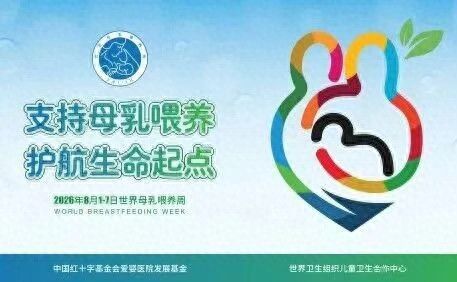
1-7 august 2026, the 35th world breastfeeding week, this year's theme is “supporting breastfeeding and protecting the beginning of life”. The theme emphasizes that breast milk is the most nutritious and safe natural food for infants and that breastfeeding is not only the closest emotional bond between mothers and infants, but also an integral part of the human reproduction process, with important implications for the health of mothers and children. The event was co-organized by the department of nursing, the department of perinatal medicine and the newborn section。
"hello" for power
Upgrade of nurses
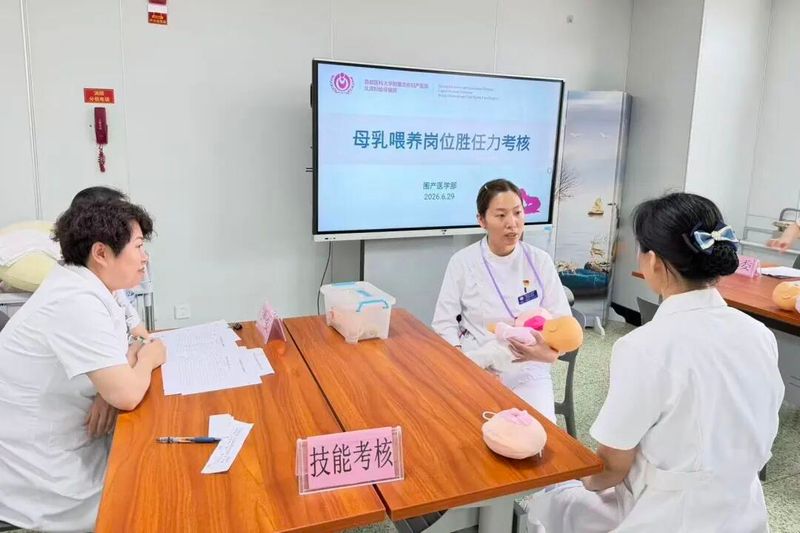
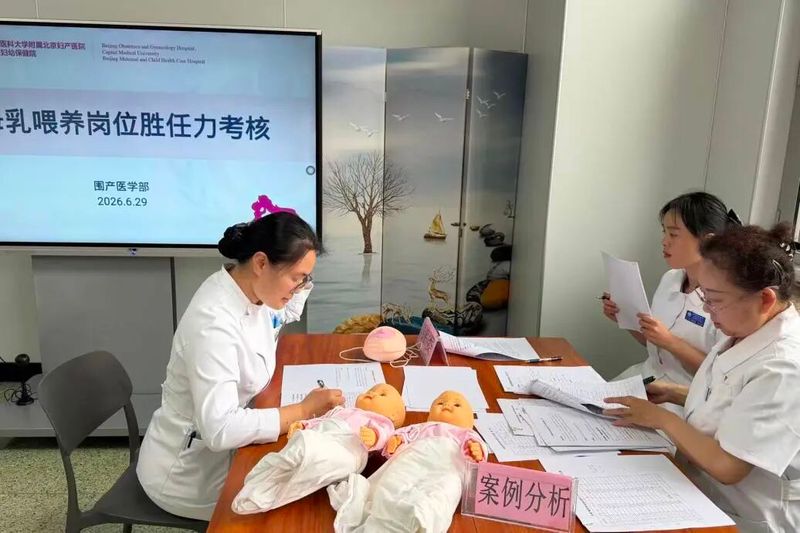
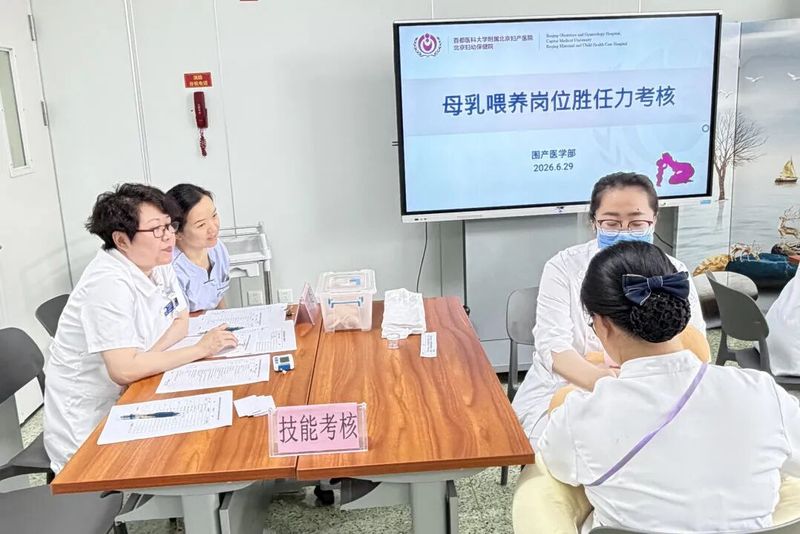
On 3 august, in order to enhance the skills and counselling capacity of nurses for clinical breastfeeding guidance and to better serve mothers and newborns, the department of nursing organized breast-feeding refresher training and invited the chief physician of the beijing maternal and child health institute, gao hae feng, to teach “early breastfeeding after childbirth”, the deputy director of care of the ministry of health, song lili, to teach “a self-assessment of baby-friendly hospital capacity”, 362 medical staff from the hospital participated in online and offline training with a 98. 7 per cent success rate in theoretical examinations。
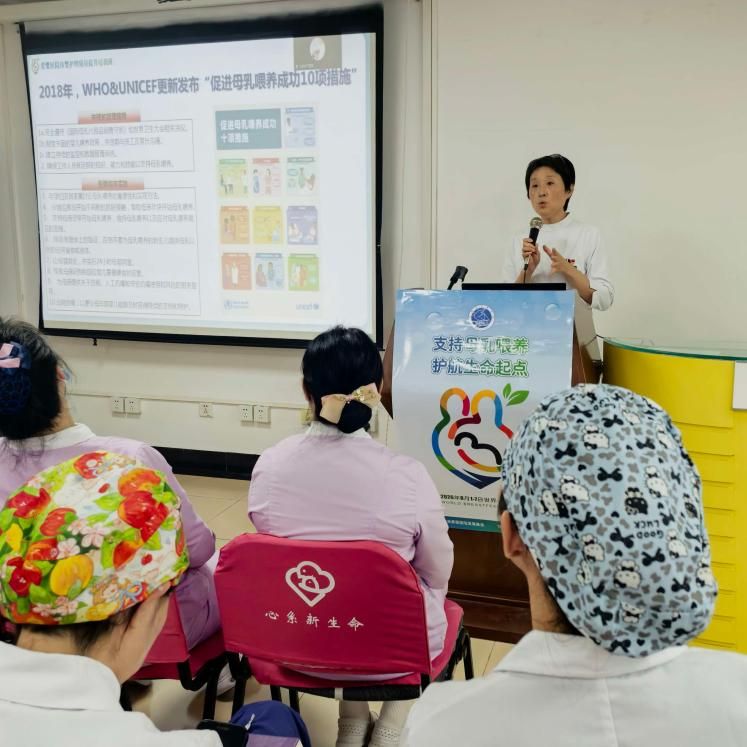
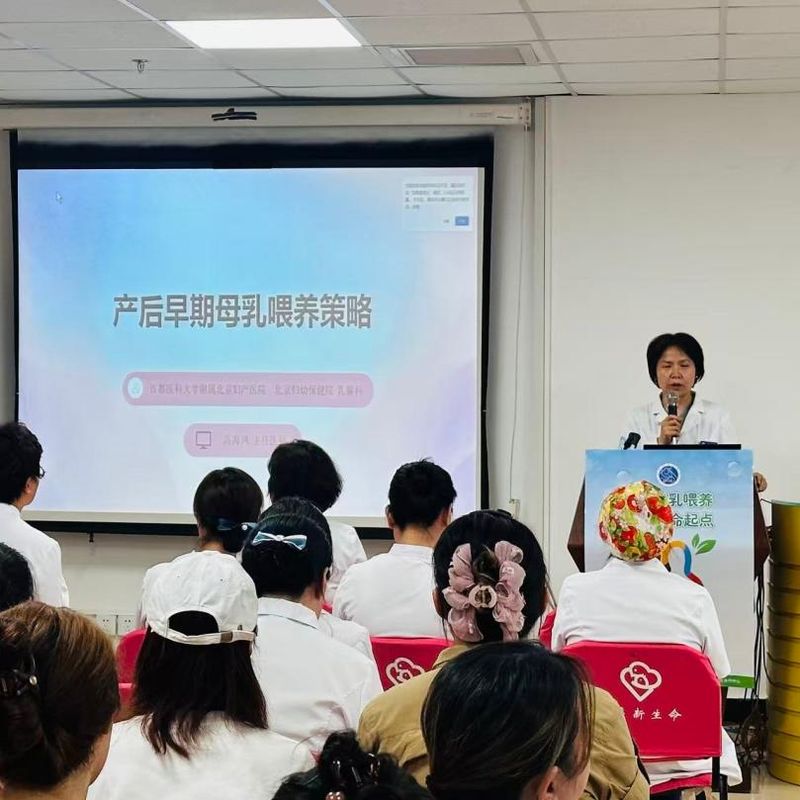
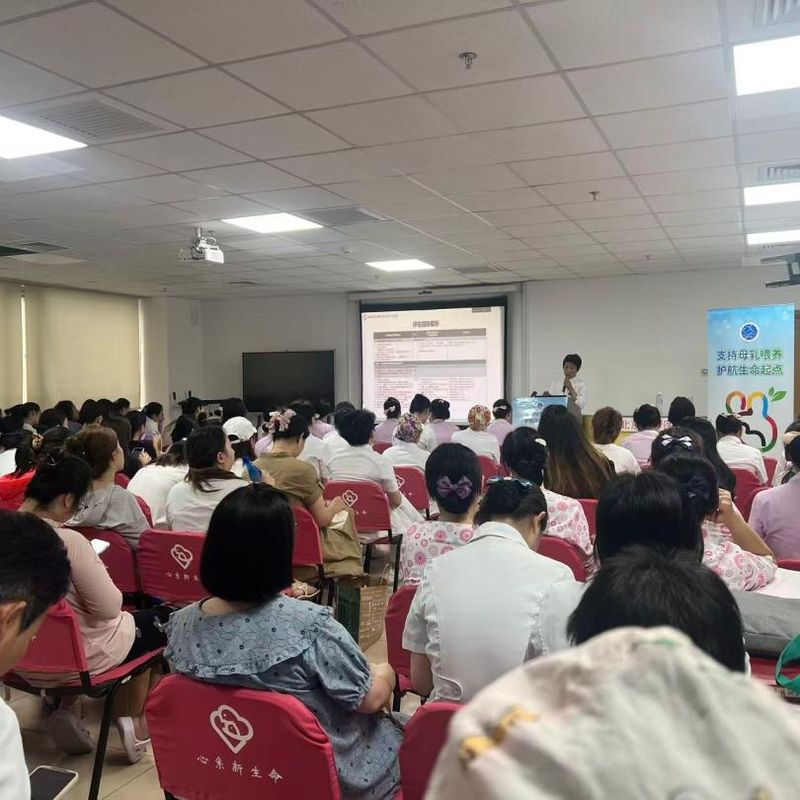
Specialized training on breastfeeding for all nurses in the ministry of perinatal medicine was conducted by renowned breastfeeding experts, covering the core breastfeeding strategy, the standardized feeding process, routine clinical problem identification and treatment techniques, and the scientific addition of principles and ethics to infant and child feeding. At the same time, emphasis is being placed on a standardized treatment process for high-prevalence problems such as the prevalence of clinical work and the difficulty of dealing with breast-feeding interventions in the context of mother-to-child separation, management of low blood sugar for newborns, assessment of special neonatal feeding, lack of milk, abnormality in the lineage, breast damage, breast-stuffing, and non-milk treatment of newborns, providing first-line caregivers with a scientific, unified and landable normative solution。
"hello" love bridge
Building confidence in feeding during pregnancy
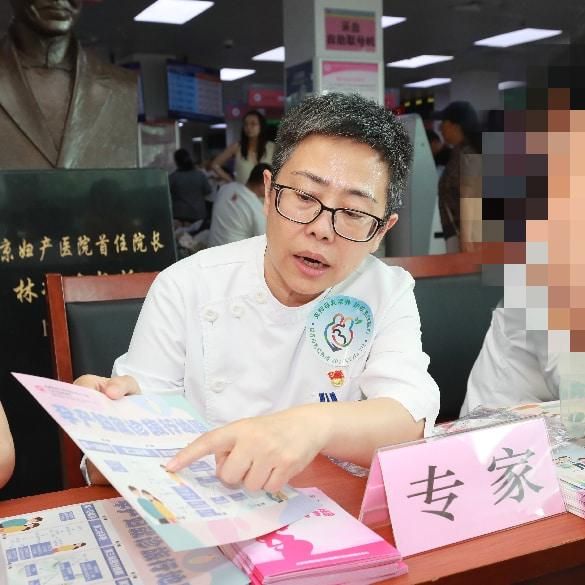
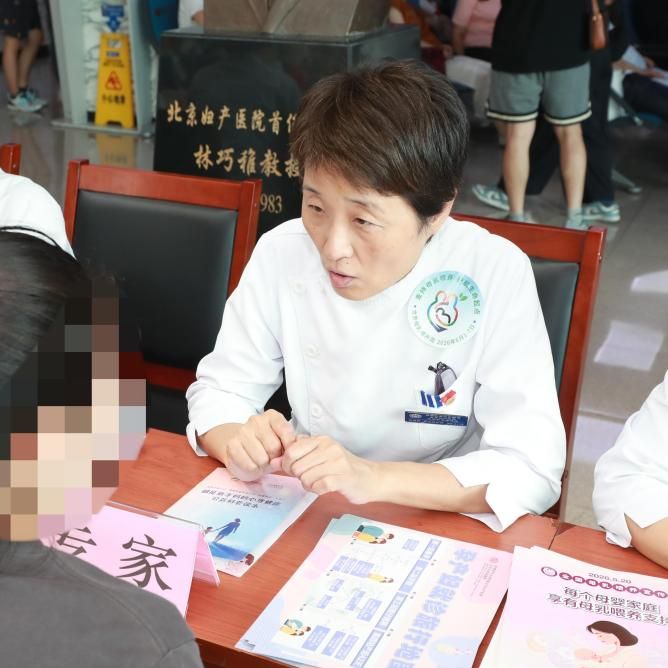
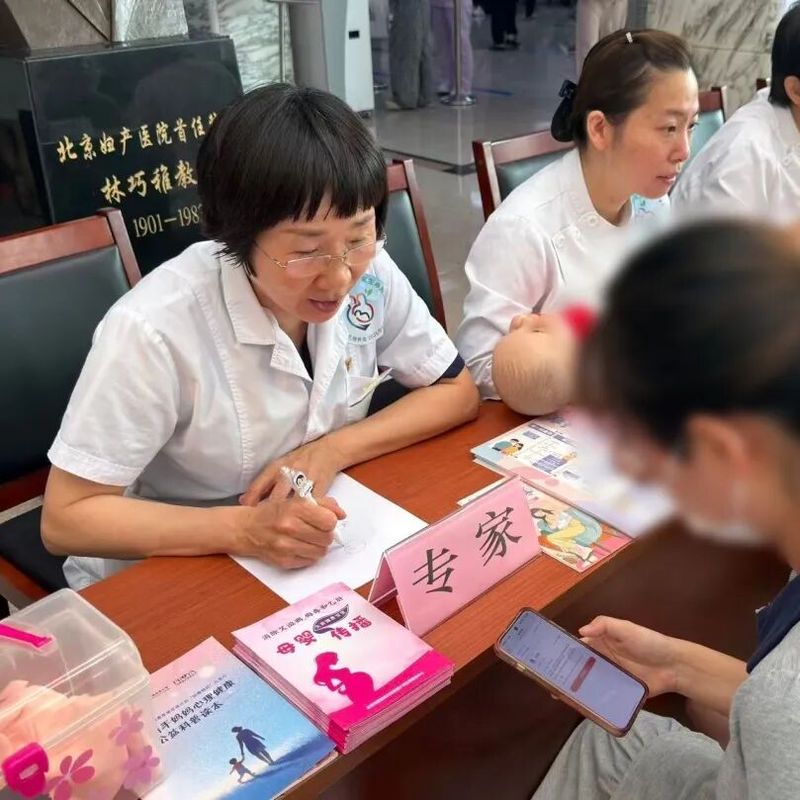
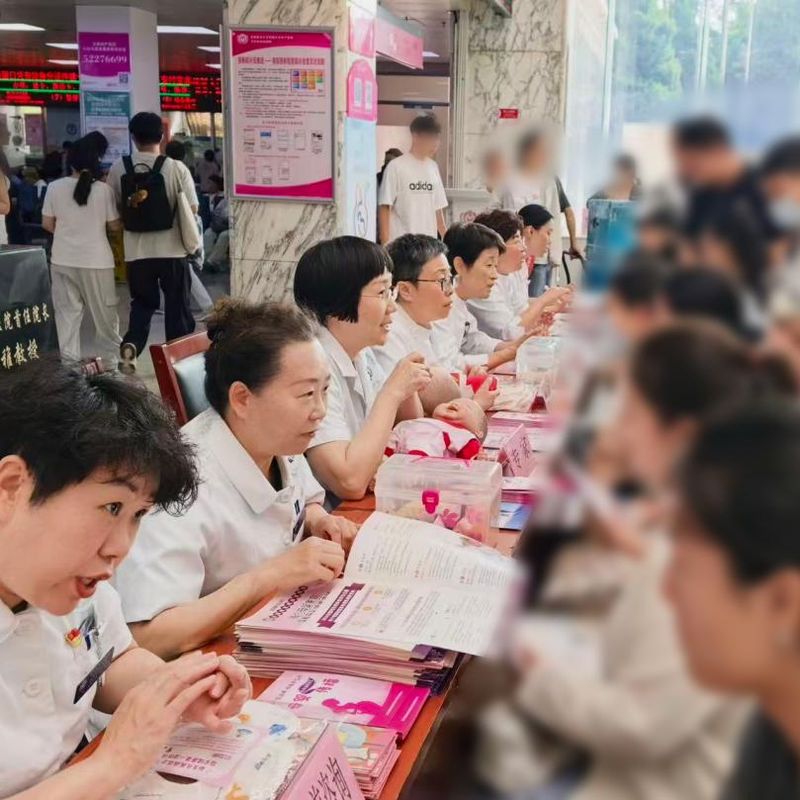
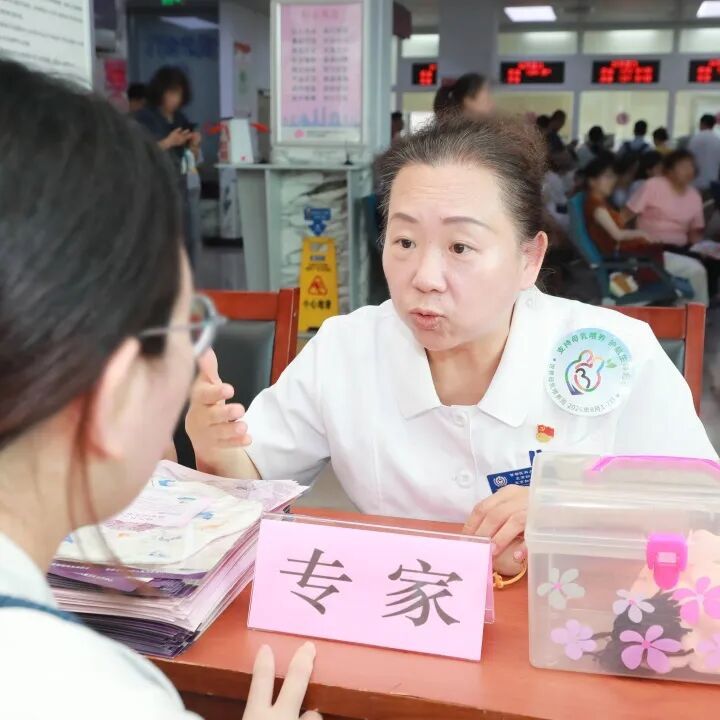
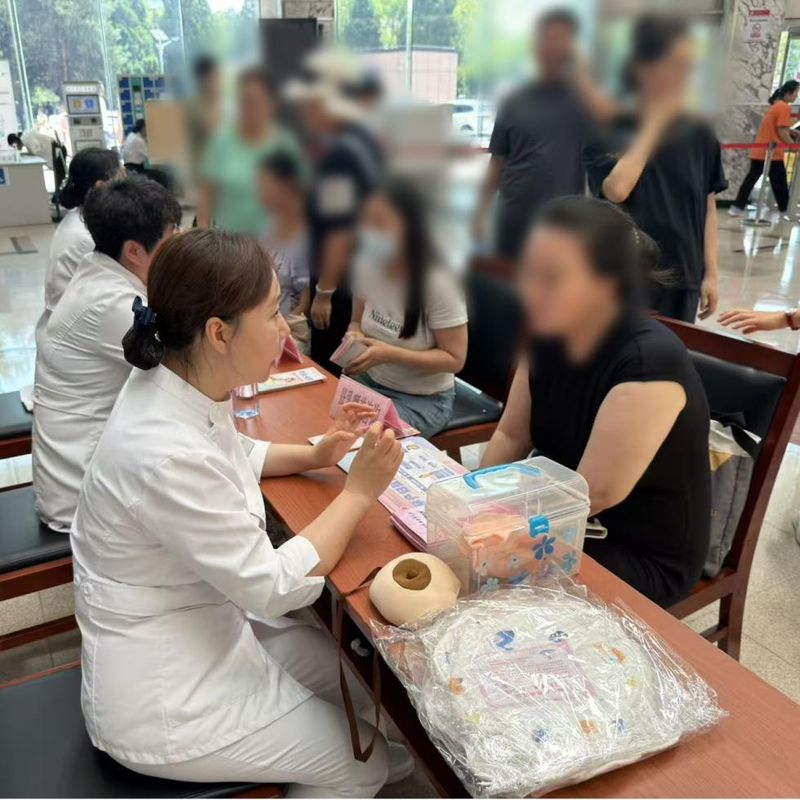
On 7 august, zilong, deputy director of the department of nursing, and solily, deputy director of the department of disease prevention and control, joined a team of specialist breastfeeding specialists from the director of the intra-hospital infection unit, fistoo jan, in the clinic hall to conduct counselling activities on the subject of breastfeeding。
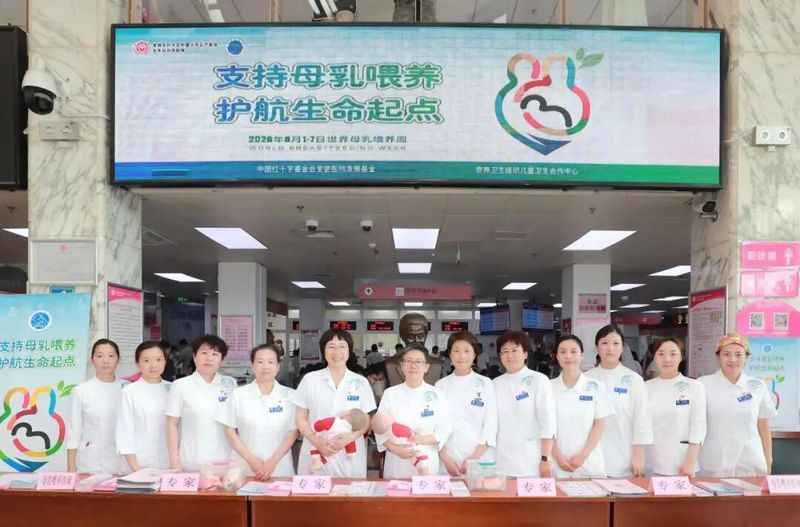
At the site of the event, the team of experts, using their technical expertise, provided individualized feeding guidance to visiting mothers and their families, conducted professional responses to problems such as breastfeeding practices, clinical feeding difficulties, and accurately addressed the confusion that mothers encounter during breastfeeding. In-situ distribution of breastfeeding health awareness materials, scientific breastfeeding education for the general public, increased awareness of breastfeeding, effective promotion of maternal confidence in exclusive breastfeeding and further promotion of an enabling environment for breastfeeding. The event involved more than 100 pregnant women。
"hello"
The bay of psychiatry for mother and child
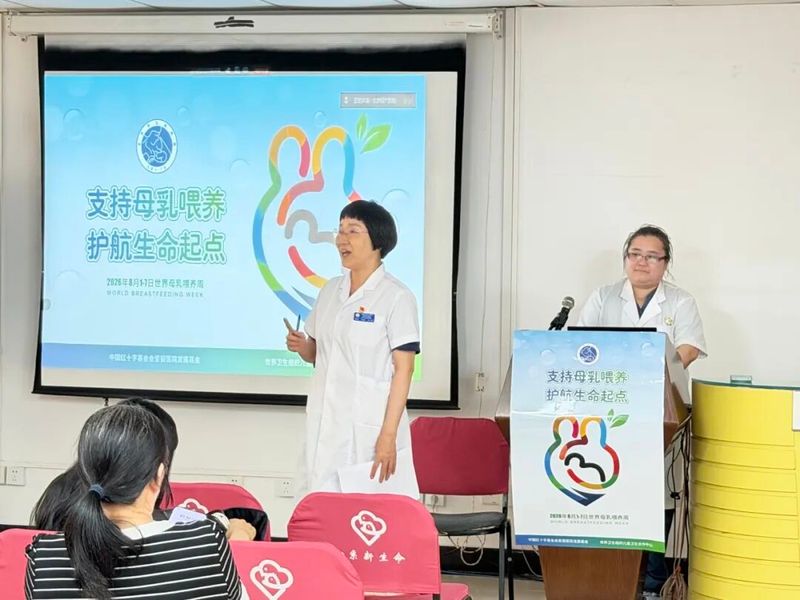
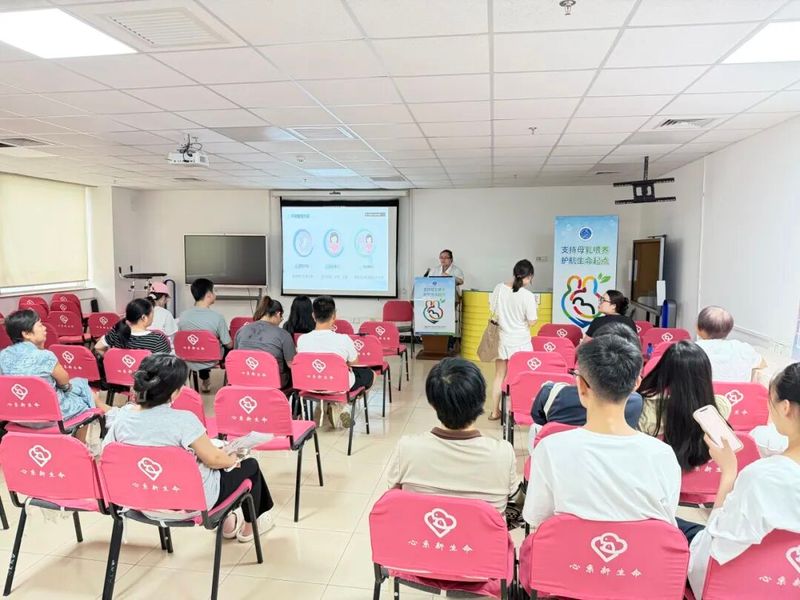
This course is conducted in the form of a combination of online and offline courses focusing on the management of complications during pregnancy, post-partum emotional fluctuations, early anxiety associated with breastfeeding and psychological distress caused by inadequate family support. The course was co-chaired by director fistoo jen and dr. Hao weng. In combination with clinical practice, systematic presentations of identifying points and scientific regulation techniques for post-partum stresses are conducted to provide on-site training for mothers in emotional relaxation and physical exercise, as well as general guidance for family members on practical methods of maternal emotional support to help mothers start breastfeeding in a stable, active physical and mental state. More than 40 pregnant women and their families participated online and in parallel。
"hello"
Implementing early neonatal care
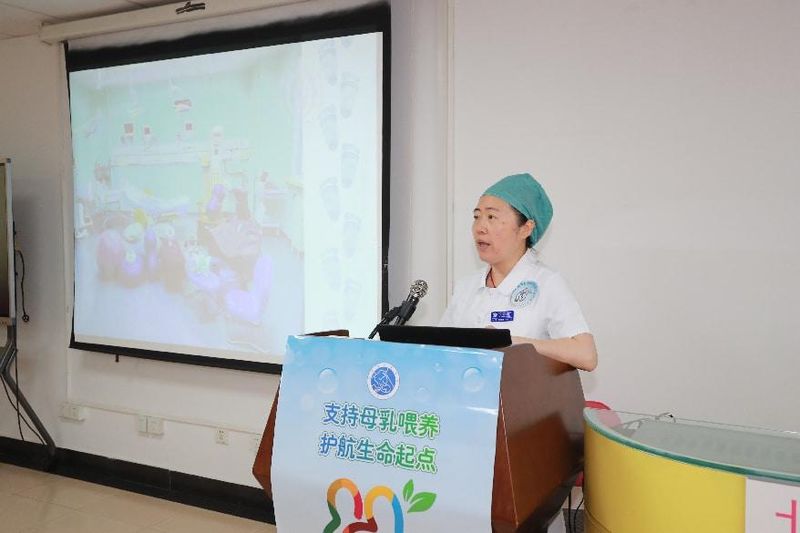
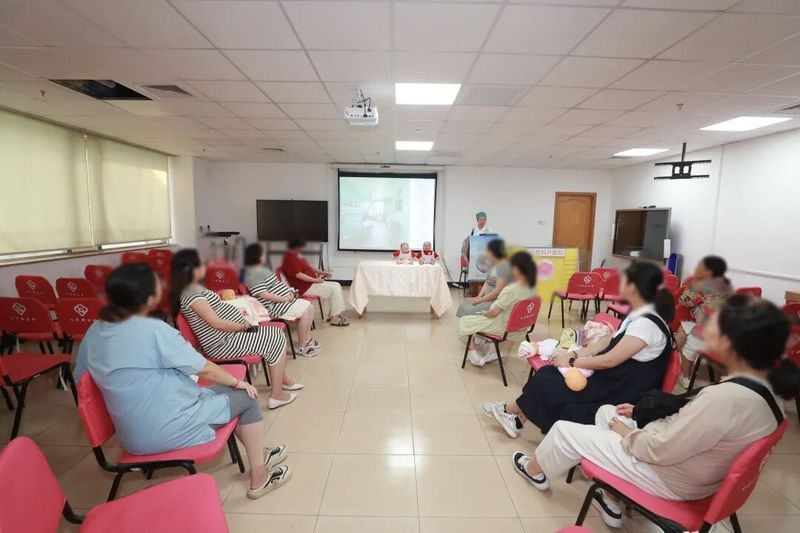
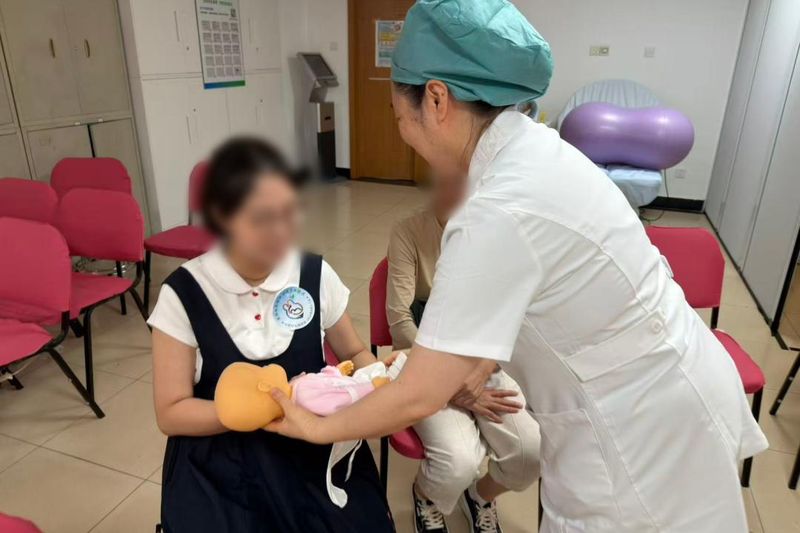
Midwives explain and demonstrate the core techniques and standard operating procedures of eenc (basic early newborn care) for pregnant mothers. It covers immediate care after birth, the importance of skin contact and methods of implementation, and how to identify and support effective sucking behaviour at the early stages of the newborn. The aim is to help prospective parents acquire scientific care knowledge and practical skills, thereby creating a safe and warm initial environment for the newborn and laying a solid foundation for successful breastfeeding。
Hello
Mother's breast-feeding
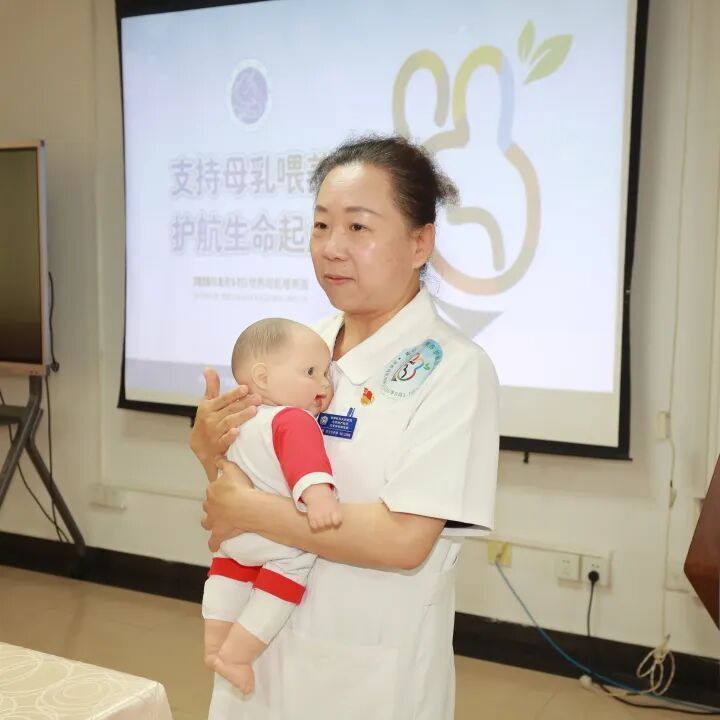
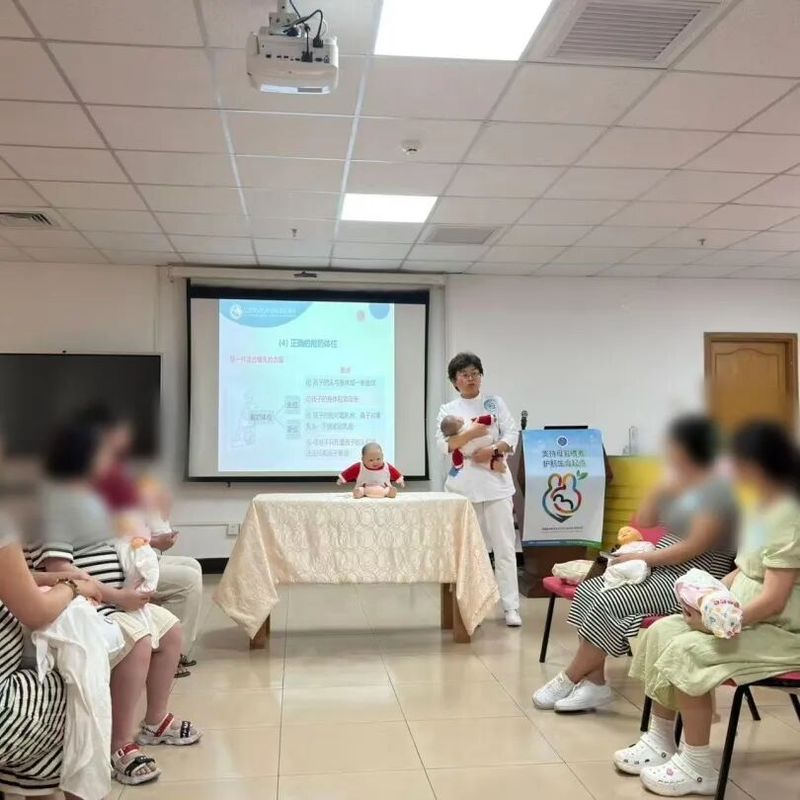
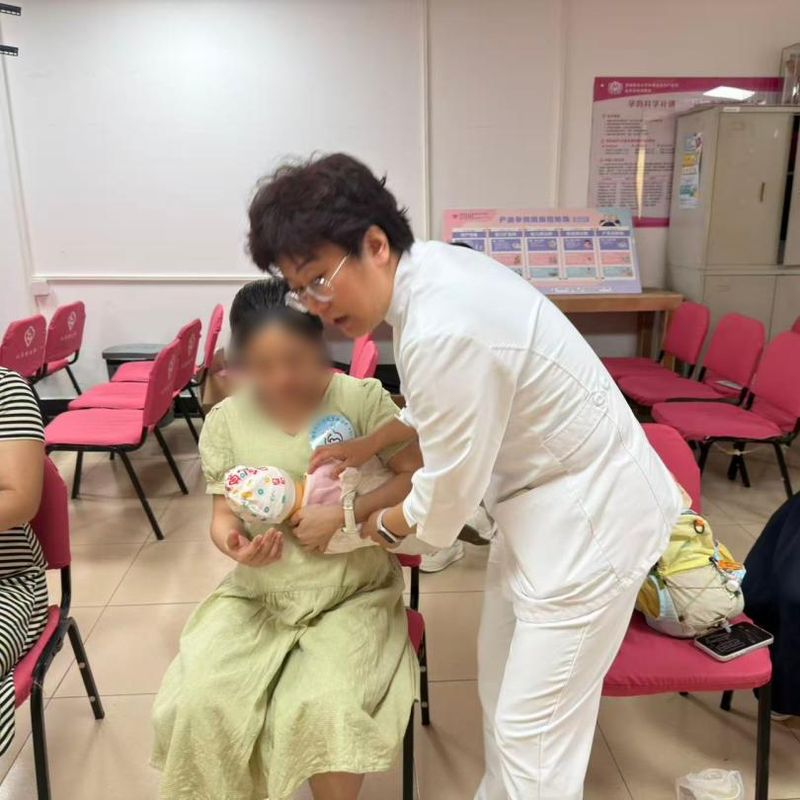
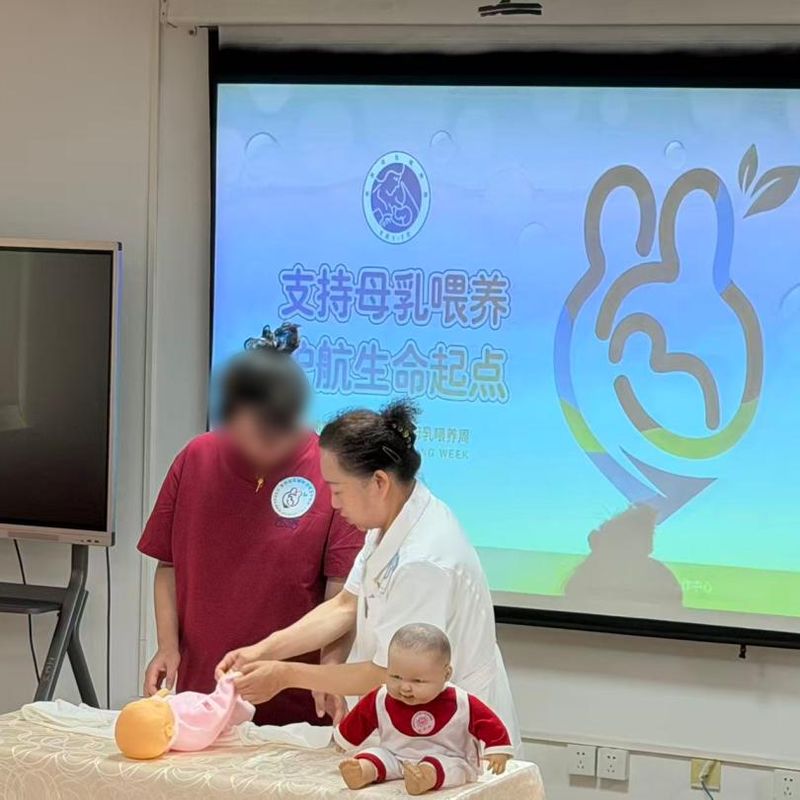
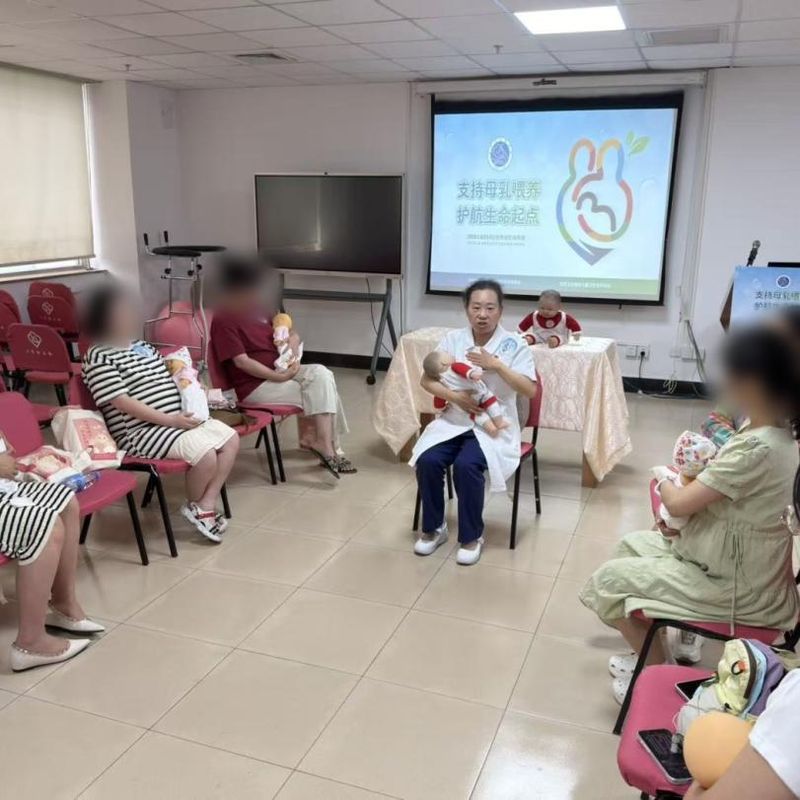
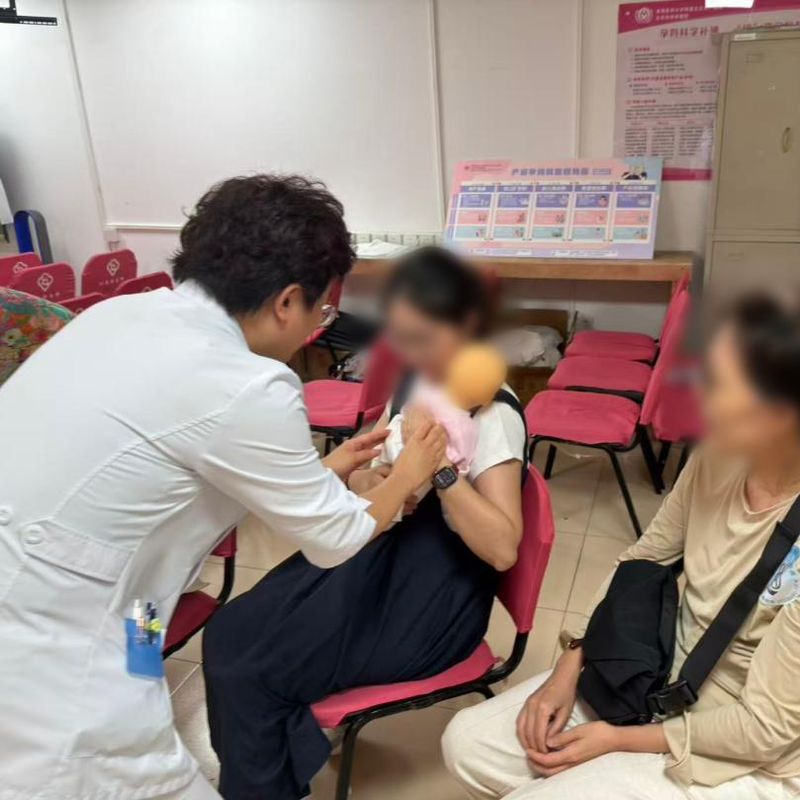
Using an interactive experience model, the event provided mothers with instruction in breastfeeding-related knowledge and practical skills, using teaching aids to conduct hands-on exercises in a variety of breastfeeding positions, with one-on-one mentoring by the head nurse to help participants develop standard feeding positions, with a specific questionnaire on breastfeeding in the workplace, interaction between the head nurse and the “back-to-back mother” in the workplace, a demonstration of the correct use of a milk pump and the scientific defrosting of milk, and a joint exploration of viable ways to sustain breastfeeding in the workplace to respond to the pain of breastfeeding。
"hello"
Support for the feeding of pre-born children
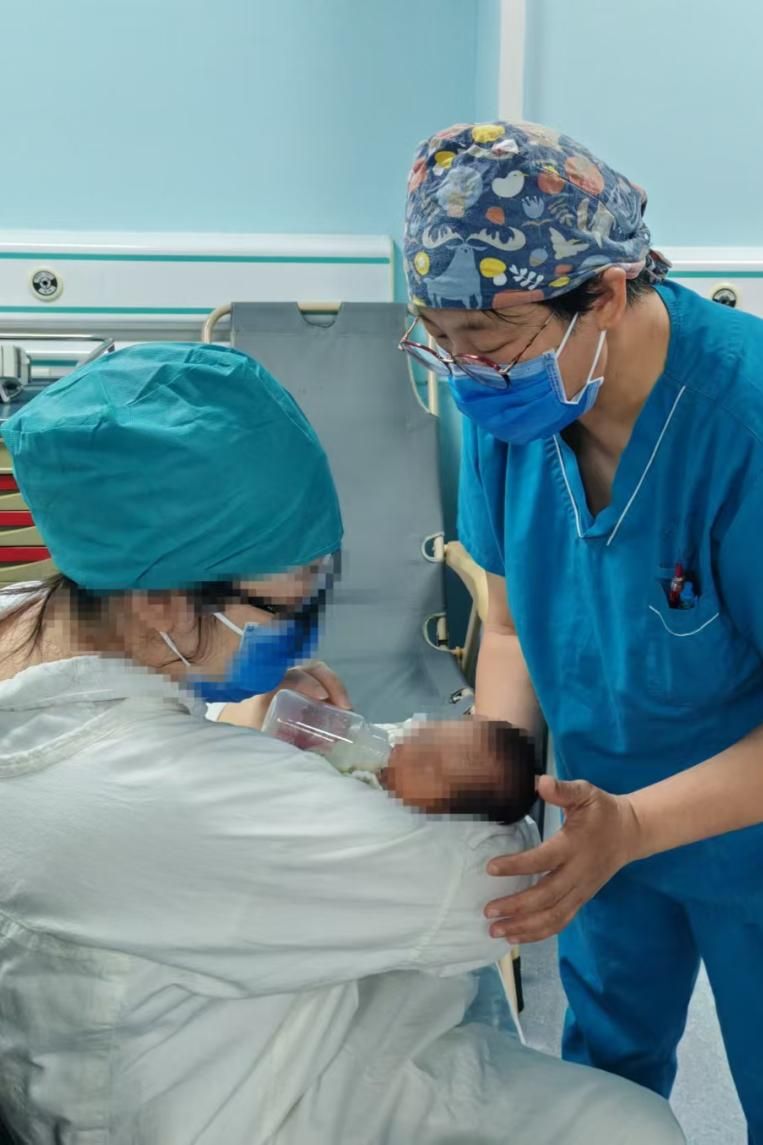
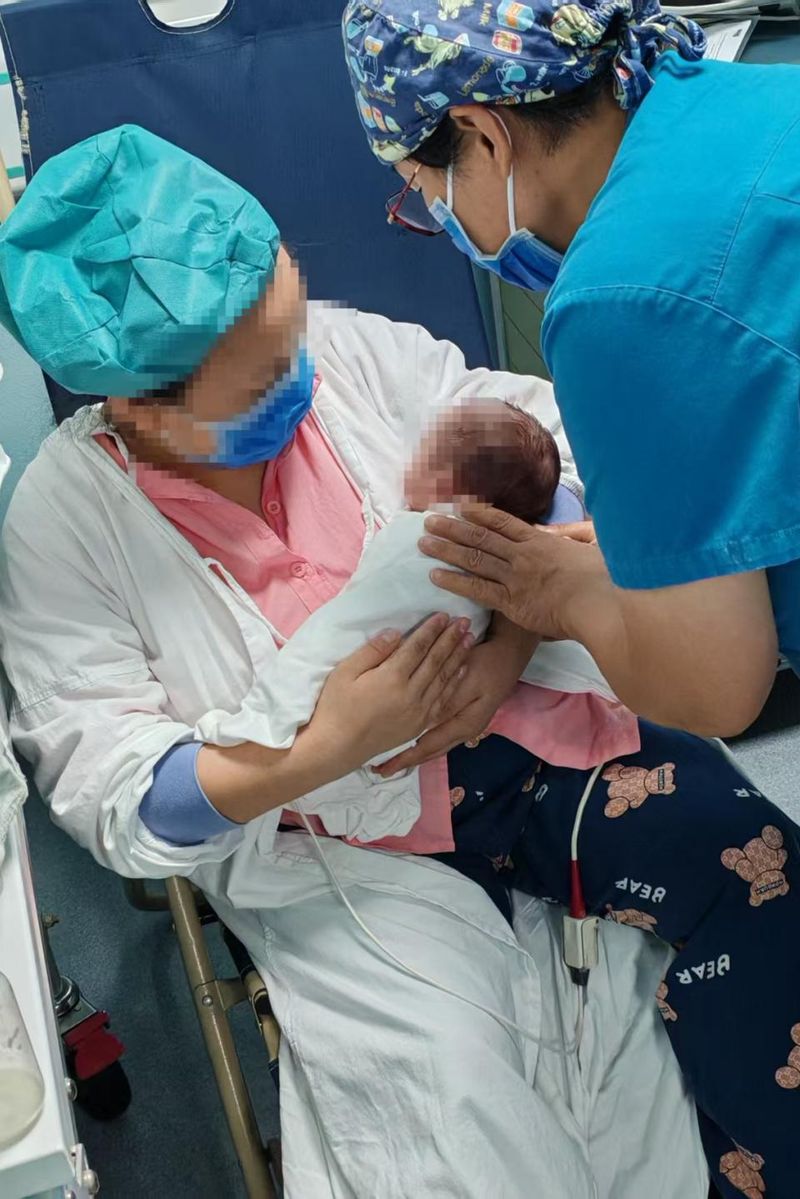
The neonatal ward is open to pre-natal mothers and fathers in “kmc” playgrounds, where the pre-natal child is under full supervision, through a live demonstration and hand-to-hand teaching by the medical team, to help parents acquire standardized operating procedures for carrying the pre-natal child in their arms and skin contact, thereby effectively reducing infant stress, stabilizing vital signs and increasing emotional bonding between parents and children, and increasing infant safety。
"hello"
Broaden the line to upper kop positions
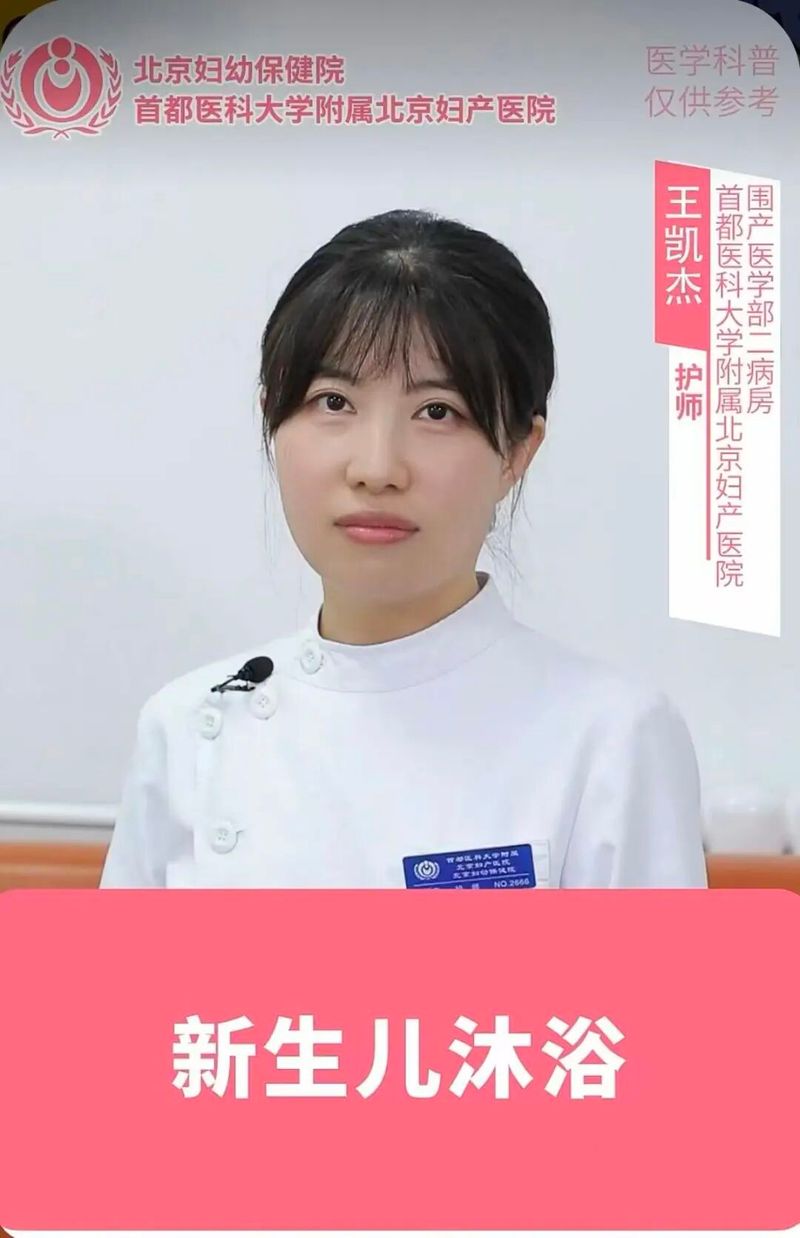
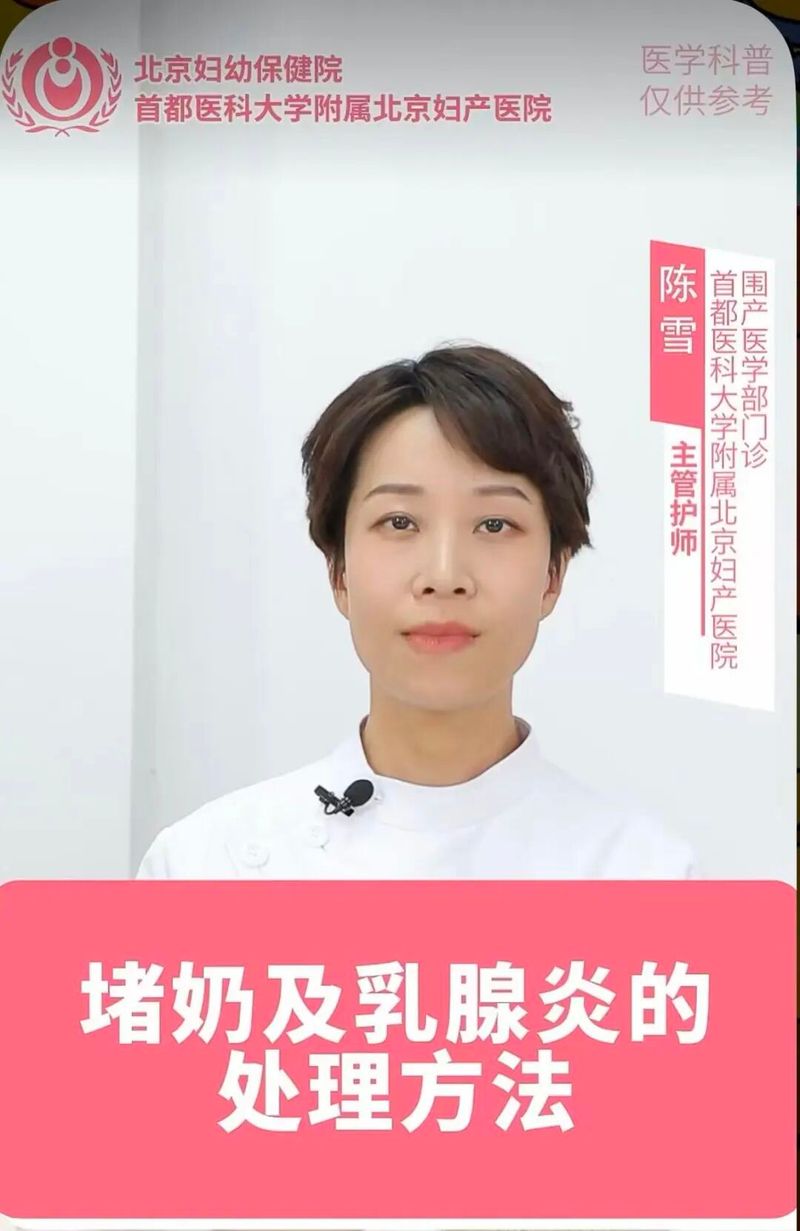
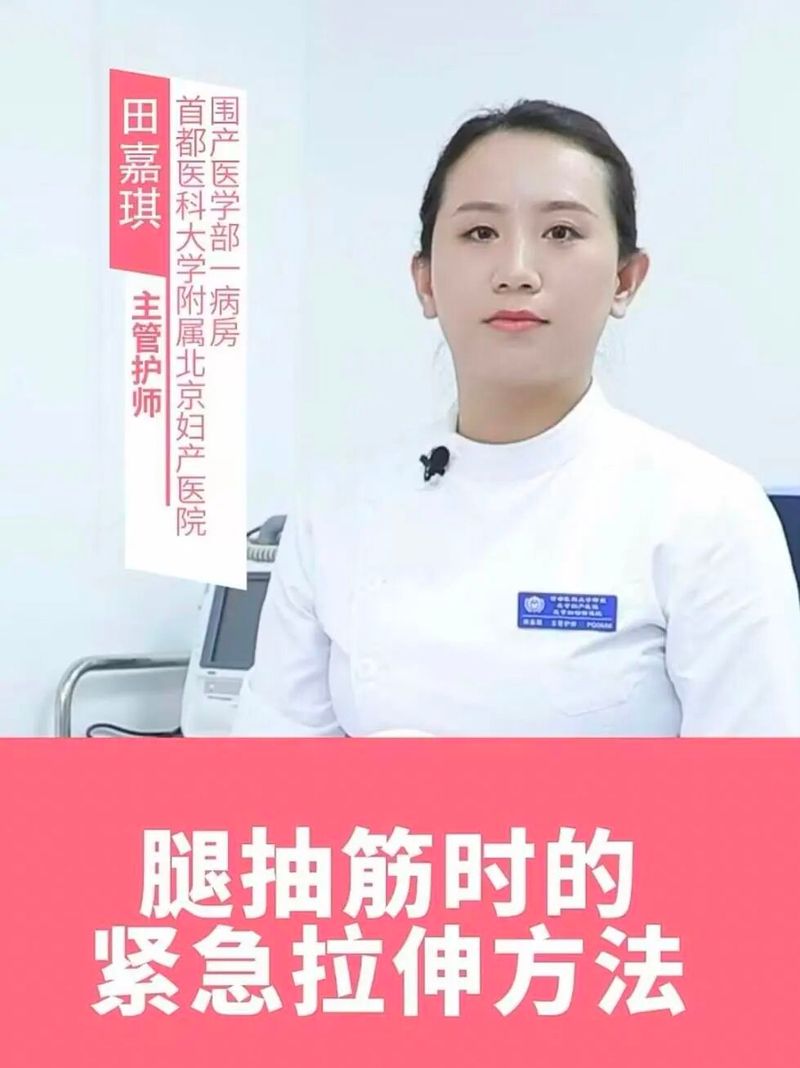
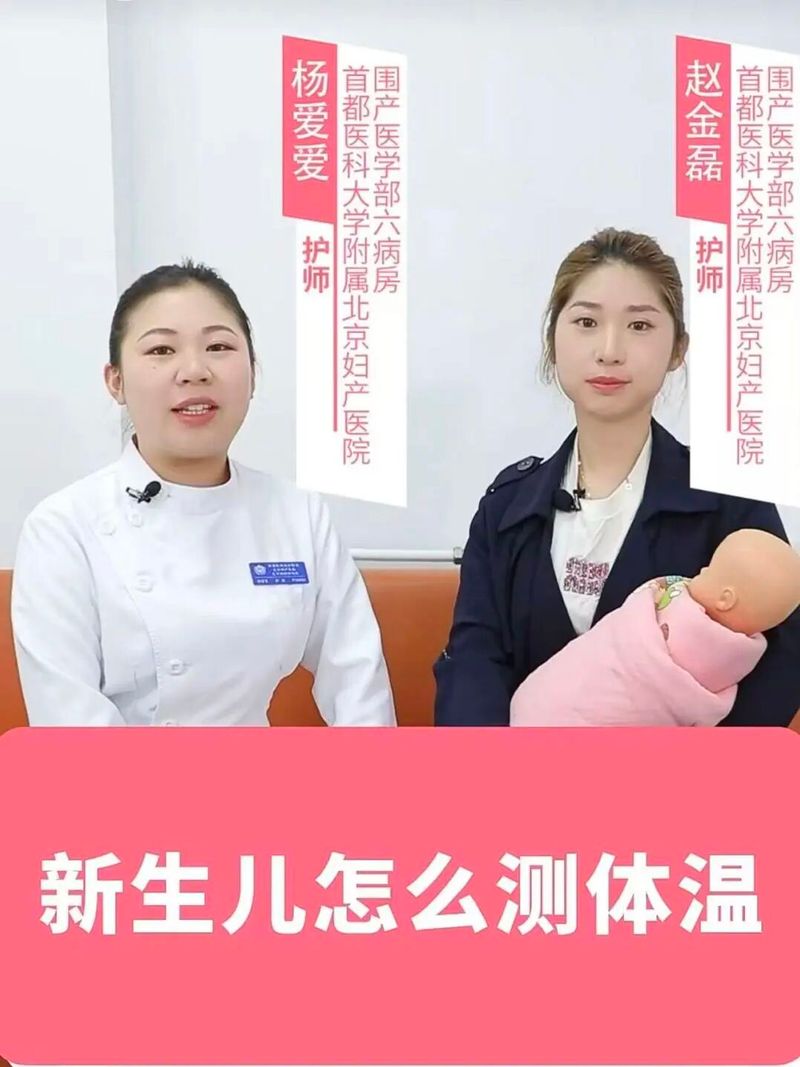
During the breastfeeding week, the hospital's micro-intelligence public no. Promotes the general knowledge of breastfeeding and disseminates the concept of scientific feeding through questions and answers, graphics, videos, etc. To protect the health of the mother and the child in all its aspects and to help every family science and culture through the critical stages of conception and upbringing。

"hello" love analysis
Practical experience with sedimentation of special populations
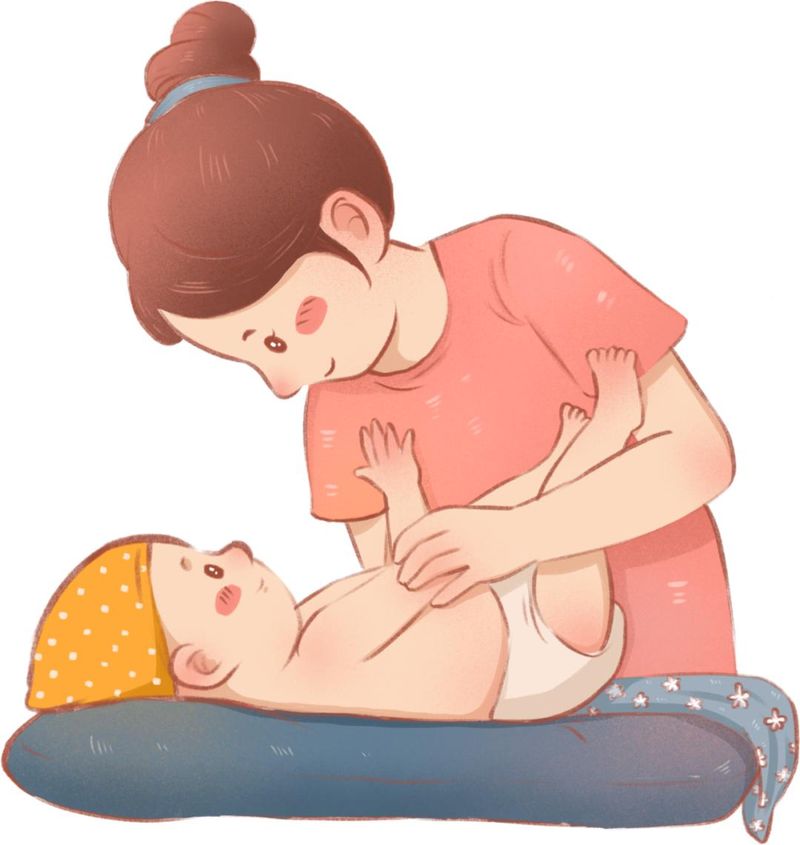
(c) to prepare representative and specific cases of breastfeeding guidance in clinical practice, with emphasis on pregnant women with specific physiological conditions, combined underlying diseases, complex psychosocial backgrounds, etc. The complete documentation of the basics of the case, the real challenges of feeding, clinical intervention programmes and accompanying support measures, as well as the follow-up of the case to its fate and end, provide examples of reusable and reusable normative guidance. Based on case studies, a shared learning resource bank has been established to refine science-based breastfeeding support strategies and practical experience for special population groups and to continuously improve the breastfeeding guidance capacity of health-care providers for special mothers, so that specialized feeding services reach more needy groups of mothers and children。
"hello" love-free
Multicultural counselling on breastfeeding
Using a combination of on-line and off-line models, online consultations are provided on the basis of the official internet platform of the hospital by providing a sub-lined assessment and professional guidance. In-patient mothers and newborns are supported by 24-hour breastfeeding in wards to ensure timely and professional responses to feeding questions and to achieve continuous protection from hospital to family。
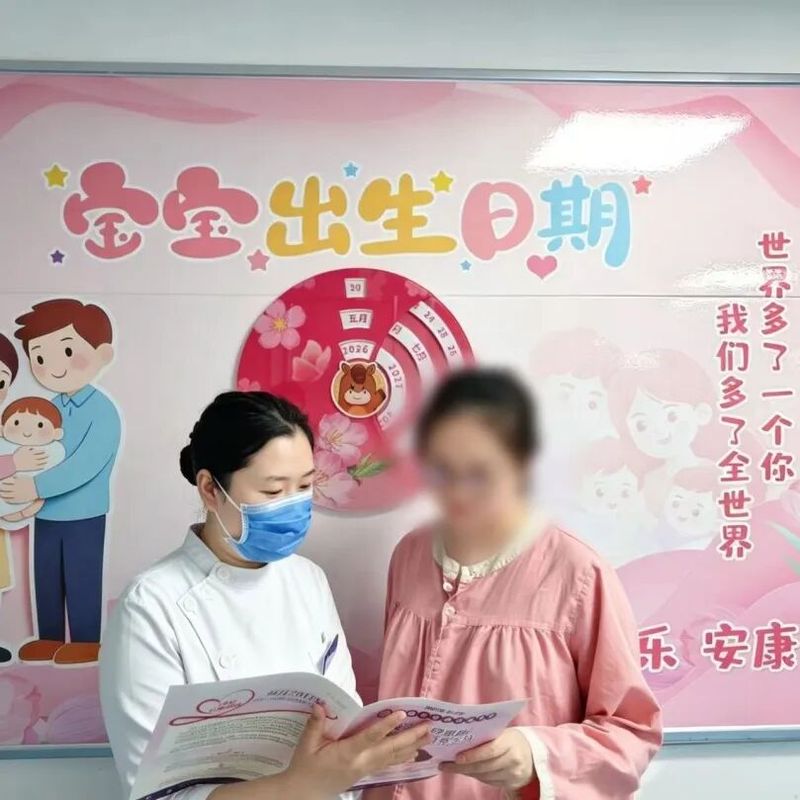
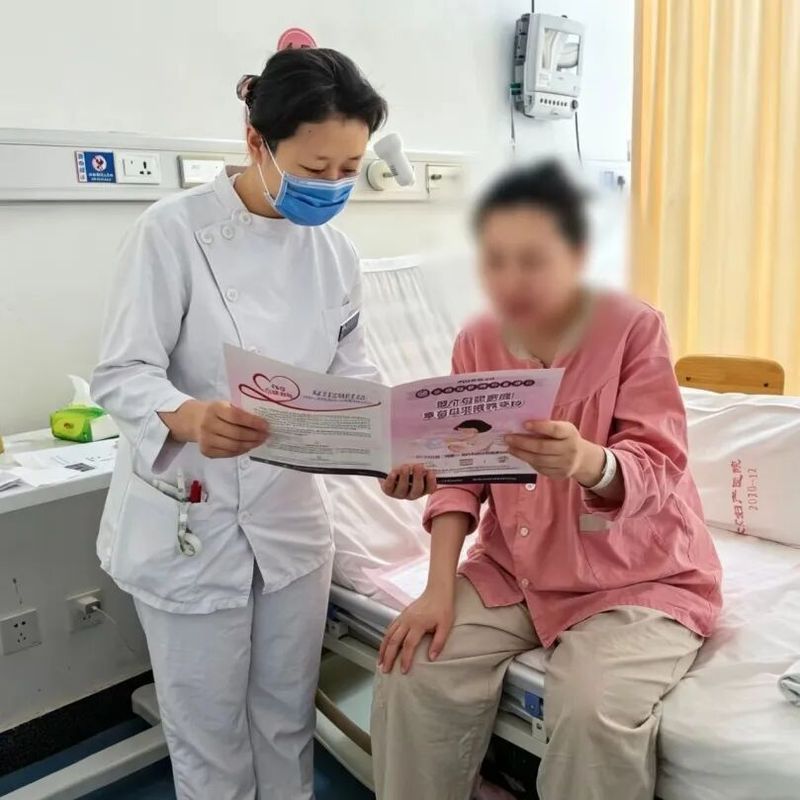
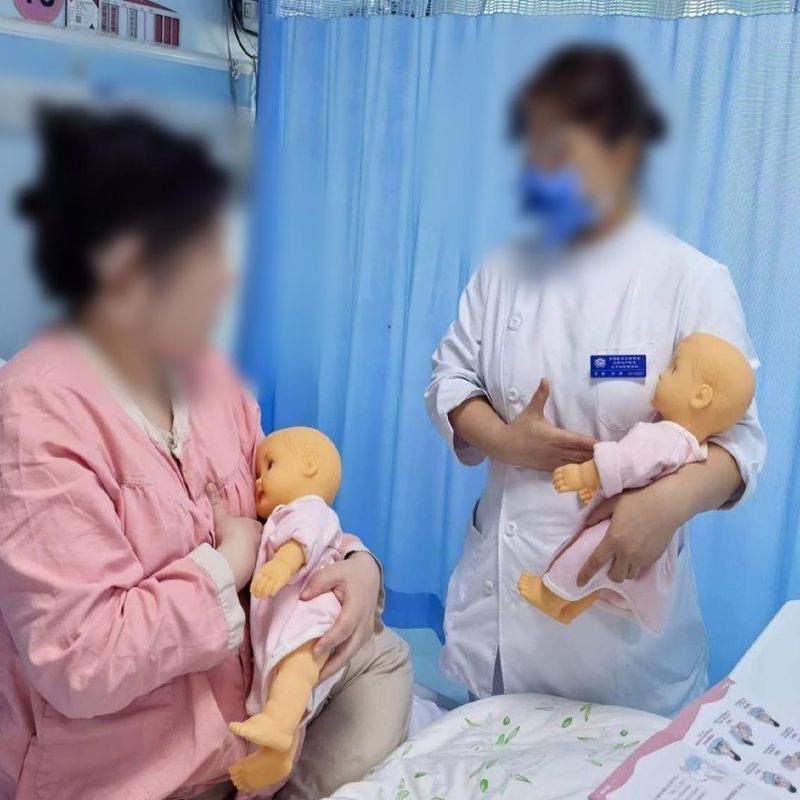
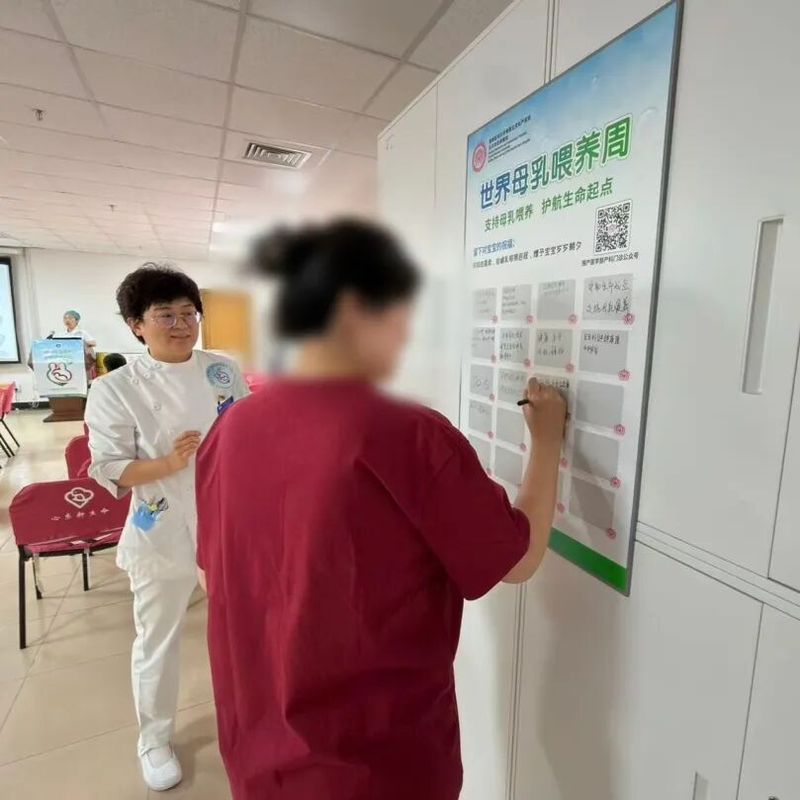
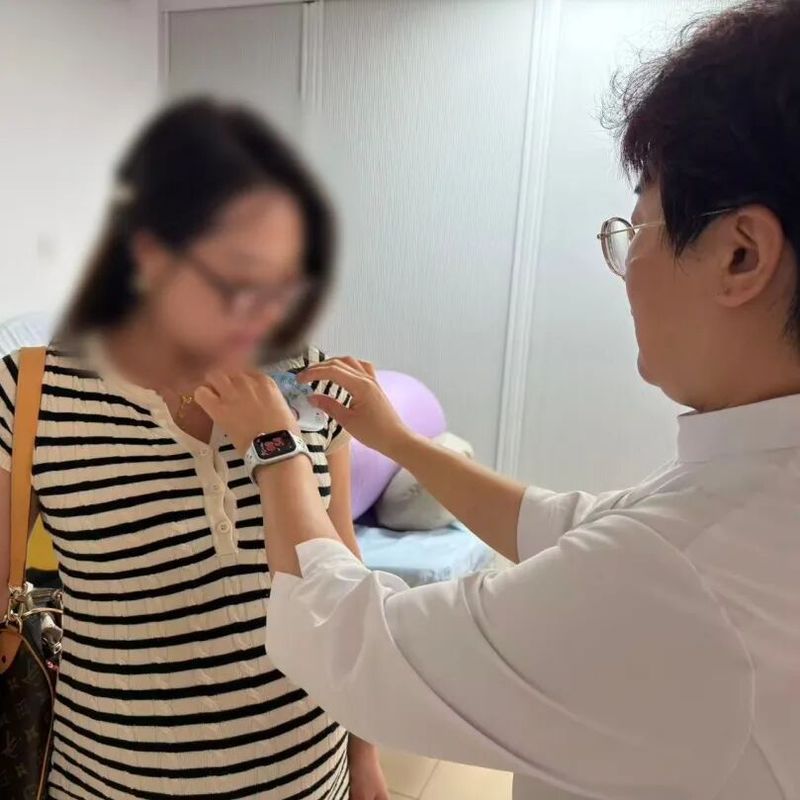
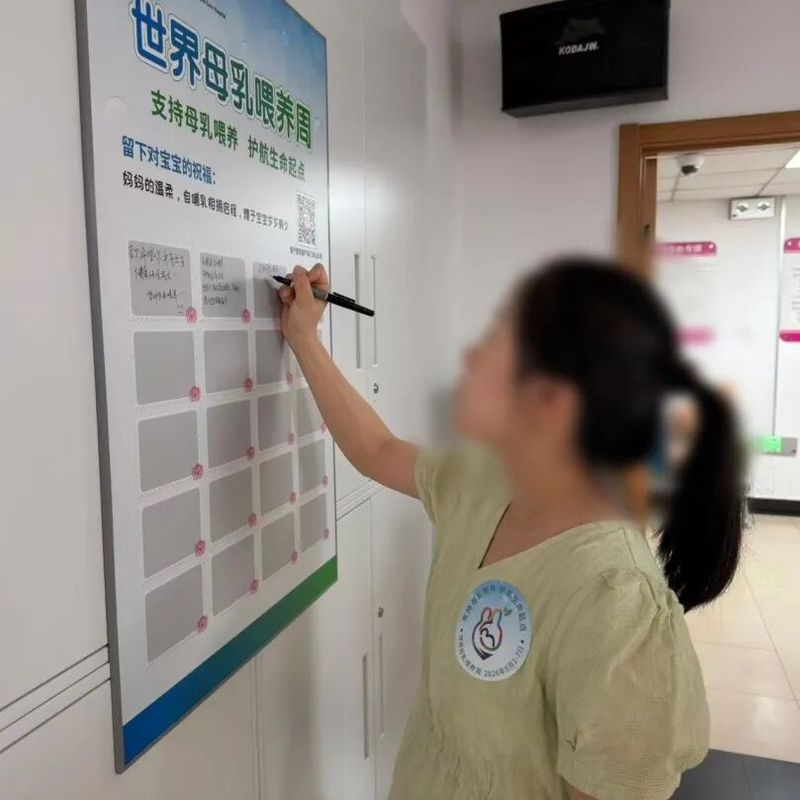
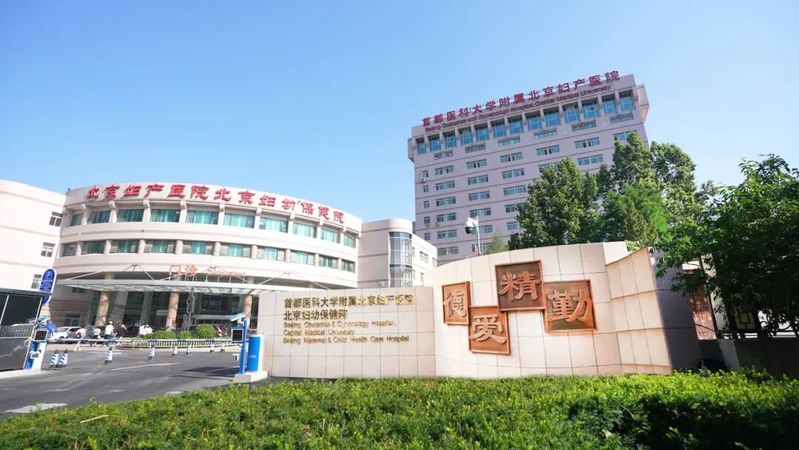
This breastfeeding week, based on systematic health education, focuses on individualized interventions, leads mothers and their families to establish scientific breastfeeding awareness, enhances mother-to-child breastfeeding self-effectiveness, elaborates a comprehensive breastfeeding support network and empowers breastfeeding to be sustainable. Based on clinical functions, all health-care providers continue to protect the health of mothers and children and build strong barriers to breastfeeding。
Contribution: department of nursing
Review editor: advocacy centre
Beijing maternity hospital









