


Many new entrants to foreign trade have experienced a few months of communication with their clients, with samples repeatedly confirming that quality is on the line, that they are on the line, that they are on the line, that they are on the line, and that they are on the spot. All the preceding links were unchallenged, resulting in the last step in logistics, the efforts of the previous few months that went directly into the water, reduced claims, and the loss of customers and demurrage charges。
I recently met a new recruit for six months, a typical case. He took over 300,000 orders for gold, all of which were successfully processed, inspected and sampled, and the customer confirmed the tailings. He saved money and found a freight forwarder whose offer was far below the market price, without careful identification of the clearance terms and without checking hs codes. When the goods arrive at the port of destination, customs inspection seizes them, resulting in high demurrage fees. When clients look at the cost of the delivery, the price is soared that they are either discounted or abandoned. Deportation costs are even higher than the value of the goods, new arrivals are in a difficult position, working for more than six months, and end up not only losing money, but also putting tens of thousands of dollars。
A lot of new recruits have a mistake: isn't logistics just looking for someone to take the goods into a container and load them on a ship? Not really. In 2026, customs compliance in overseas countries became more stringent, and the requirements of the eu eori, the united states isf declarations and the rcep certificate of origin triggered a minor oversight. The true closing point for foreign trade is not the arrival of goods on board the ship, but the smooth clearance of customers, the collection of goods and the safe delivery of the final payment. As long as the customer has not received the goods, the order is not really completed。
The four major pits in the logistics chain, where newcomers are the most vulnerable, are organized below and are the source of most of the crashes。
First, greed and low-priced freight forwarders ignore hidden costs and clearance risks。
Low prices for pick-up are the usual pattern of industry. Some freight forwarders have low prices that attract newer orders and, when the goods arrive at the port, a number of names emerge: destination port operating fees, change orders, storage demurrage charges, and emergency clearance charges, which add up to far more than originally saved freight charges。
It is also more dangerous to use the eori batch for customs clearance to compress costs. There was a problem with one ticket, and all the goods under the same tax number were seized. The recent high frequency of customs inspections in europe has led to a pattern of customs clearance, which, if discovered, leads to underreporting and misreporting, to the seizure of goods for dozens of days, and to a direct delay in the client's up-to-boarding programme during the season。
Here is a simple test for the newcomer: the offer is clearly below the market average of 15 per cent and must be vigilant. Prior to the next order, the freight forwarder is required to include the full cost, destination port charges, in a written breakdown, to confirm whether there are any additional surcharges, rather than relying solely on sea freight charges。
Second, the documents are so obfuscated that the difference between a single item and a single word is withheld。
This is the most high-frequency mistake of the newcomers. The small details of hs-code error, misalignment of the consignor's letter on the bill of lading, misalignment of the weight of the piece and the customs declaration information, and discrepancies between the head and the physical, will trigger a direct customs inspection。
There are also many who ignore the certificates of origin. Despite the fact that the rcep tariff relief conditions were met, the processing of certificates of origin was forgotten, and a large amount of customs duties was paid by customers, which could easily lead to disputes. Electrical, magnetic, brand-type products are also required to be certified in advance and cannot be shipped with a sense of luck。
There's a good habit of being real: getting a draft bill of lading, checking word for word. Commercial invoices, boxes, bills of lading, three document information, are consistent; photographs, videos, seals, cabinet numbers are kept before and after the cabinets, and these are the most direct documents in the event of identification, short-term goods or damage。
Thirdly, trade terms are not well understood, with mixed mandates and responsibilities, and ultimately they are left to themselves。
The terms fob, cif, ddp, many newcomers are only half-aware. Under the fob clause, the customer appoints a forwarder, the destination port costs and customs clearance risks would have been borne by the buyer, but many newcomers fail to make clear in advance, and the subsequent customer refuses to pay the destination port fees in an inconsistent manner。
It is least recommended that newcomers simply take ddp clauses. Ddp required the seller to be responsible for the full clearance and payment of taxes, and all losses were borne by the exporter in the event that the destination country's importer's qualifications were abnormal and the tax and fees were misestimated. Many newcomers simply did not understand that, but they were all confused and were caught by high tariffs and demurrage fees。
The quotations and contracts must contain clear trade terms, cost allocation, liability nodes, and oral agreements do not count。
Fourthly, trust is destroyed by the neglect of cabinets, packing and time limits。
Roads are bumpy, paper boxes are uncontainable, heavy and light, non-tangible membranes trays are easily squeezed and broken upon arrival. In particular, cabinets, combinations of different types of goods, and irregular packagings can easily be broken and labels removed from the trunk。
In addition, new entrants are often under-assessed in terms of the risk of being dumped during the season. Close to europe and the united states, on holidays, and with tight space, even if the cabins are booked, they can be dumped and missed. Long-term opportunities for cooperation can be lost directly if clients catch up with sales and a delay。
The cabinets are as close as possible to the scene, check the quantity, strengthen the packaging, and put on the headheads and alert signs; the delivery of goods in the seasons is set aside for buffer periods, without last-minute delivery。
After talking about the pits, let's say that the newer can go directly to the logistics self-checking process, go through it before delivery and avoid most accidents。
1. Selecting a freight forwarder to give priority to customs clearance capacity and emergency response, rather than price-only, and to service providers who can provide formal documents and track the entire link
2. Confirms that hs codes, declarations of value, authentication documents and refusals to undervalue to assist customers in tax avoidance are highly risky
3. Draft bills of lading are carefully checked, invoices, boxes, customs declarations are consistent and certificates of origin are processed in advance, as required
4. A photo certificate, recording the number of the cabinet, the number of the seal, and the packing standard for long-distance shipping
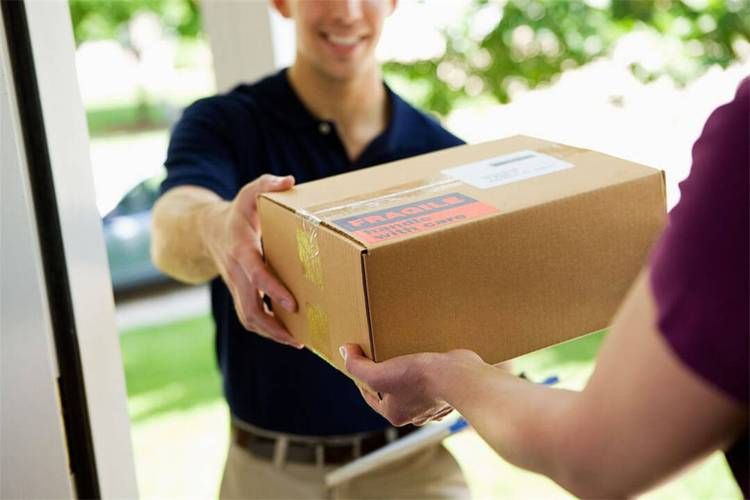
5. Synchronize logistics nodes with customers, provide copies of bills of lading in a timely manner after embarking, and confirm the late payment and then arrange for electrical discharges。
I would also like to remind you that logistics insurance is not neglected. High value, perishables, long-distance routes are recommended for cargo insurance. There is a real occurrence of loss, loss of averages, at least a channel of settlement, without having to bear the full loss alone. A lot of new people think it's a waste of money to buy insurance before they regret it。
Many foreign traders often say that orders are negotiated and long-term cooperation is delivered. Clients accept your products and accept your prices as a first step towards trust; successful and uncontroversial logistics delivery is the key to trust. The previous interview forms, the sample, and the production are perfect, and as long as the logistics chain flips, all the hard work will be compromised or even eliminated。
The competitive foreign trade environment in 2026, with increasing customer choices and a bad logistics experience, was sufficient to shift buyers to other suppliers. Long-term customers are more likely to sink than to keep delivery and logistics under control when prices are down。
Summary
Foreign trade orders never end when the goods are manufactured and loaded on board the ship, but when the customer receives them safely and successfully. In logistics, low-price traps, document errors, lack of accountability and delays in cargo losses are hidden time bombs. New entrants do not seek to master all international logistics rules, but to maintain the basic bottom line: spectro-channeling, document checking, early segregation of duties and responsibilities, leaving marks and evidence preservation。
Foreign trade business, with its winnings in detail, is also prone to last-minute neglect。
What have you done in foreign trade logistics? Have there been any cases of withholding, demurrage or invisibility charges for freight forwarders? You're welcome to leave a message in the comment area。









