



Many look back on old platforms like the 100-do library, the 360-doc and the bean-ding web, and they put it all together in one sentence: the era is over。
I. Purpose of majority use of the library
The first time i used it was for neither learning nor raising myself up, but simply for exchange。
If you want to get a copy of it in the right format, with enough words, and with what you want from the school. It doesn't matter if there's a real idea in it, to be honest. It was later discovered that this was not my case alone, but a shared experience of a generation: membership applications, internship reports, class summaries, work plans, end-of-year debriefings, meritorious material... These things are just a process file。
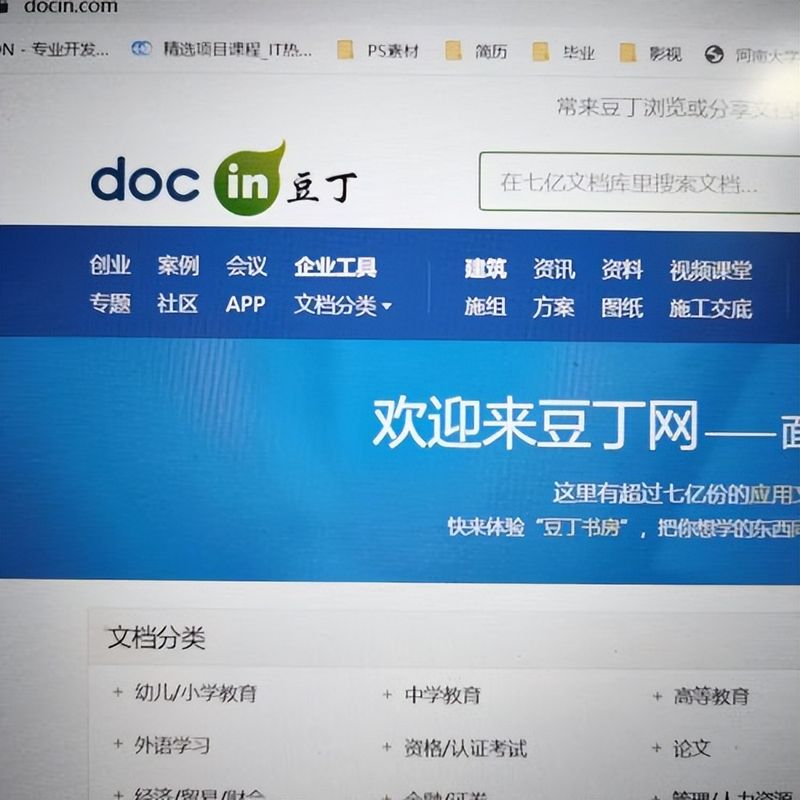
In many cases, the library addresses templates that have to be exchanged。
Ii. Why should the library fire
First of all, the bottom is thick enough. Without a big file support, the user search is blank and nobody's coming. But it's certainly not enough to build up the information, and there's a lot of dry stuff in the early days and blogs。
The library captures a large number of users because a number of operations have stepped on ideas。
First, in those days, the original version was expensive, but the collection was almost free of money. I remember a couple of years ago, it took several pieces to get a paper under the internet and a few dozen dollars to buy a book about it, but on the library, a few cents could even download a prototype report or a PDF version. Students' wallets are not big enough, and these library sites naturally have a huge influx of people here。
It was not soybeans or 360doc library that i was most impressed by myself, but the new wave of questions and information-sharing, which i remember thinking was the most complete when compared. I was interested in philosophy at the time, but this kind of information was relatively small, and many other library sites were not available, but it was complete, when almost all the information was shared free of charge, at best with points, and never paid for。
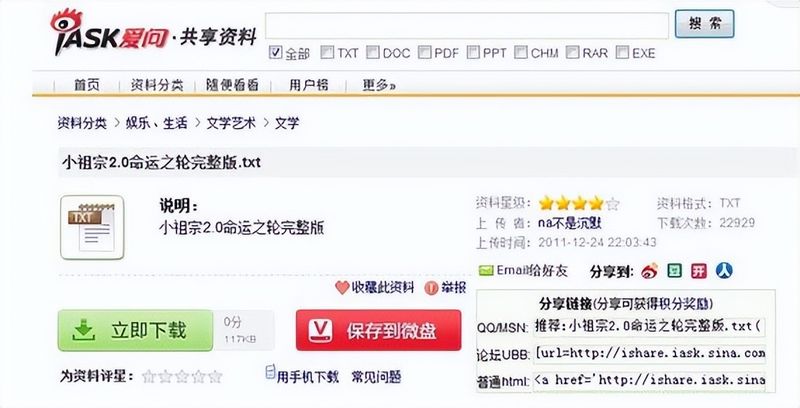
It may be difficult to imagine at that time, but it was true. Before writers collectively defended their rights in 2011, the matter of copyright was largely unrealized. Virtually all people have the right to upload in-house information and pirated books, and to upload to the platform will not be deleted. The platform is closed to one eye, and zero cost hoards the bulk of content. It's impossible to get up in a regulatory environment like this。
There are also a number of platforms that can benefit from uploading documents. This has greatly stimulated motivation, especially among poor university students, who have little time to afford, and who are uploading the information on hard drives。
It was almost 100 degrees on the internet, and i remember when i didn't even know what the library was, but it just came up after the search, and it was a library site. What solutions, operational guidelines, membership applications, end-of-year wrap-ups are all there is, and there was a real sense of discovery. It's a lot more, and it's too long to leave。
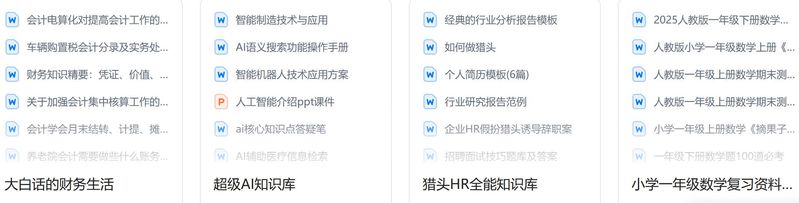
And one thing i think is important, but very few mention it. It coincides with the sub-rules of school, unit delivery, which must be formatted in a safe and correct manner. Many of the templates here are suitable for inspection and have been successfully exchanged。
In general, the library website is up to date。
Iii. The risks themselves
To be honest, there was something wrong with the first contact at that time, and it was not right, but there was always a less advanced feeling, and even a problem, of such a site。
Looking back now, such a library site is dangerous from the outset。
The first is the high repetition of content. The search for an end-of-year summary has produced dozens of copies, which are highly repetitive and copying each other, resulting in the platform's diminishing core values。
Users also upload confidential company documents, in-house training materials and pirate book scans. The platform may not know for itself where these documents come from and is not legal。
Early on, for fast stacking of content, the platform encouraged everyone to upload it, without having to verify their qualifications, without having to prove that the document is their own, without having to open the computer to find a file, and without having to click on it. It's like opening the door for people to dump trash in, piracy, secrecy, low-quality content。
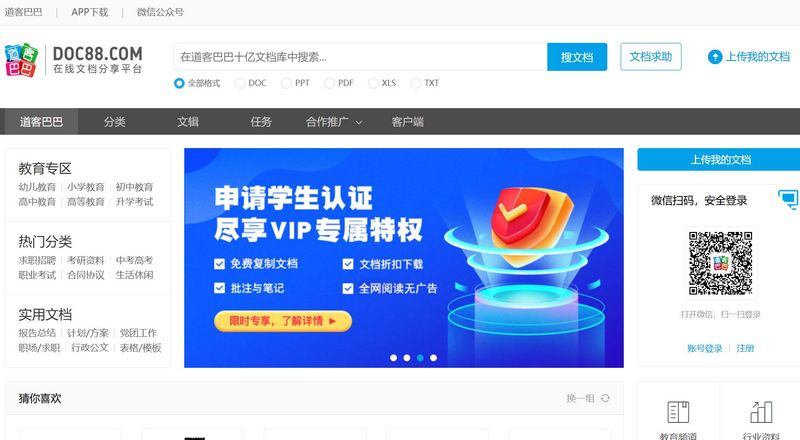
The most deadly is the extremely high copyright risk. Most of the documents uploaded were unauthorised, without the consent of the originaler, and the platform was equivalent to daily red lines of copyright。
More troublesome is that the larger the platform, the more users, the more repetitive content, the greater the concentration of copyright disputes. The wider the spread, the more well-known, the easier it is to be targeted by the copyrighted party and, if prosecuted, to lose money or to remove files on a large scale. And the documents are the foundation of the platform, and more users can't find anything and go。
Ultimately, this pattern of attracting users by means of large copyright-free documents is not in itself suitable for long-term survival。
Iv. Ai reduction
It's a devastating blow to these libraries. The phrase “to produce a summary of personal work in 2025” would produce a document that was formatted, well-worded and politically correct and might be complete and time-efficient than the template we were looking for in the library. There is no need to search the library for templates, download them, or even register points, and change them for half a day。
In fact, ai killed not just the library website, but all the standard, predictable content. What really stays, and is not replaced by ai, is real experience, unique personal judgement, even if imperfect, but inspired by heart。
And these are not on the library。
V. Historical significance of the library website
What's the point of the library site
First of all, for poor students like me, i did save a lot of money. In the era of high prices for hard copy material and insufficient library collections, the library gathers more free materials. It must be acknowledged that it does not regulate power in a manner that does break down barriers to knowledge and money and allows people with limited economic access to the required content。
At the same time, the library allows millions of people to quickly find the template, saves the trouble of spending the night changing and adjusting the format over and over again, and makes it easier for us to deal with uncompleted applications。
Only now, both things are no longer needed, and the library site almost fulfilled its historic mission。









