


From industrial trends to career opportunities. From post capacity to personal influence。
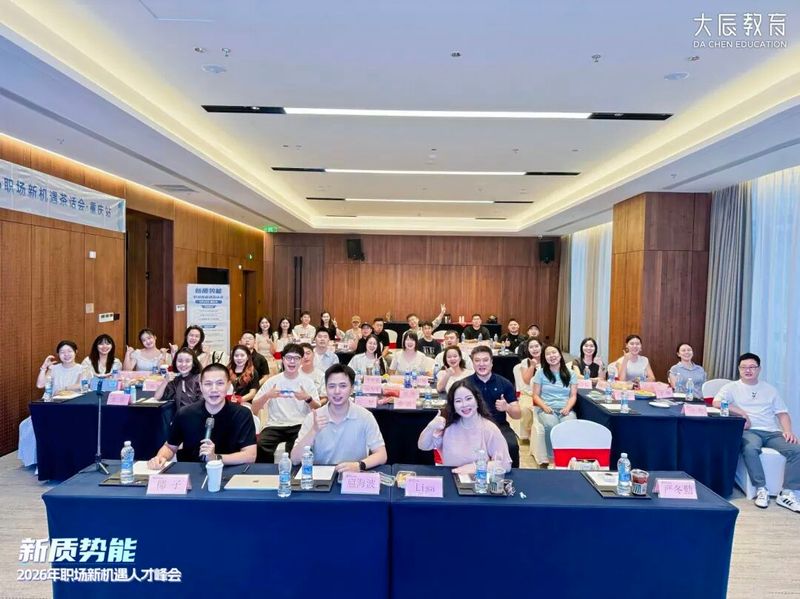
On 29 august, the jubilee station of the “new quality, new opportunities in the workplace” was successfully held. The summit focused on industrial change and talent upgrading in the context of new qualitative productivity development and invited industry field experts to share it in depth with career mentors around core issues such as future trends in high-growth industries, ai-applied talent development, and job branding。
The three guests answered a question from different dimensions: how should workers find their own new opportunities when industry is changing
Mr. Lisa, founder of the taitama business school, from the perspective of macro-industry and talent trends, helps workers to see the future direction of industrial development and to understand the relationship between regional industrial layouts and career opportunities。
The fde front-line deployment of the engineer, mr. Boye, further shifts industry trends to specific positions, and dismantles the capacity structure and growth path of the new talent of the ai era in the context of its own career transformation and corporate ai landing practices。
Dahai education partners, the ai+ explorer coconut teacher, enters from the other side of personal career development, sharing how to build a workplace individual brand, allowing professional competencies to be seen and giving more opportunities to connect themselves proactively。
From “seeing trends” to “understanding jobs”, to “expanding personal values”, three layers of sharing have evolved, creating a growth path from industry recognition to professional action。
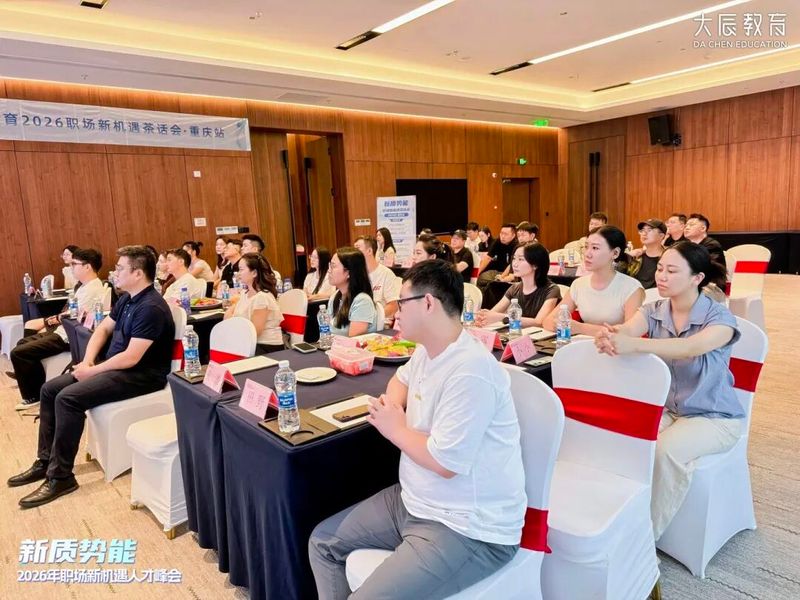
Focus on new quality productivity and find new coordinates for career development
A new scientific and technological revolution and industrial transformation are accelerating, and new qualitative productivity has become an important driving force for industrial upgrading and economic development。
Emerging areas, represented by artificial intelligence, smartness, low-altitude economies, and cross-border access to the sea, have continued to develop, and technological innovation is moving into real industry, with new business models, new job patterns and new talent needs。
Industry is changing, as is the demand for talent in enterprises。
In the past, competition among workers was more centred on academic qualifications, experience and single professional competencies; and today, as new quality productivity accelerates, a growing number of enterprises are focusing on a person's ability to understand industrial trends, solve real business problems and link technology, business and real scenes。
For working people, this means both new challenges to the original career path and the opening of new development spaces。
In chongqing, in particular, industrial upgrading is generating a more diverse demand for talent as modern manufacturing, digital economy, artificial intelligence, and so on。
How to understand industrial change, find the right track and connect individual abilities to industrial opportunities is an important topic for current workers to rethink。
Based on these times, otsama education has continued to focus on industrial trends and human growth and aims to provide a more realistic, concrete and accessible career development reference for the different stages of working life through the in-depth link between industry specialists, field mentors and job workers。
Trends insight lisa: understanding high growth industries over the next five years, finding industrial coordinates for personal development
The summit's inaugural session was held with the theme " trends in high-growth industries and human development over the next five years " , by mr. Lisa, founder of the tai chi business school。
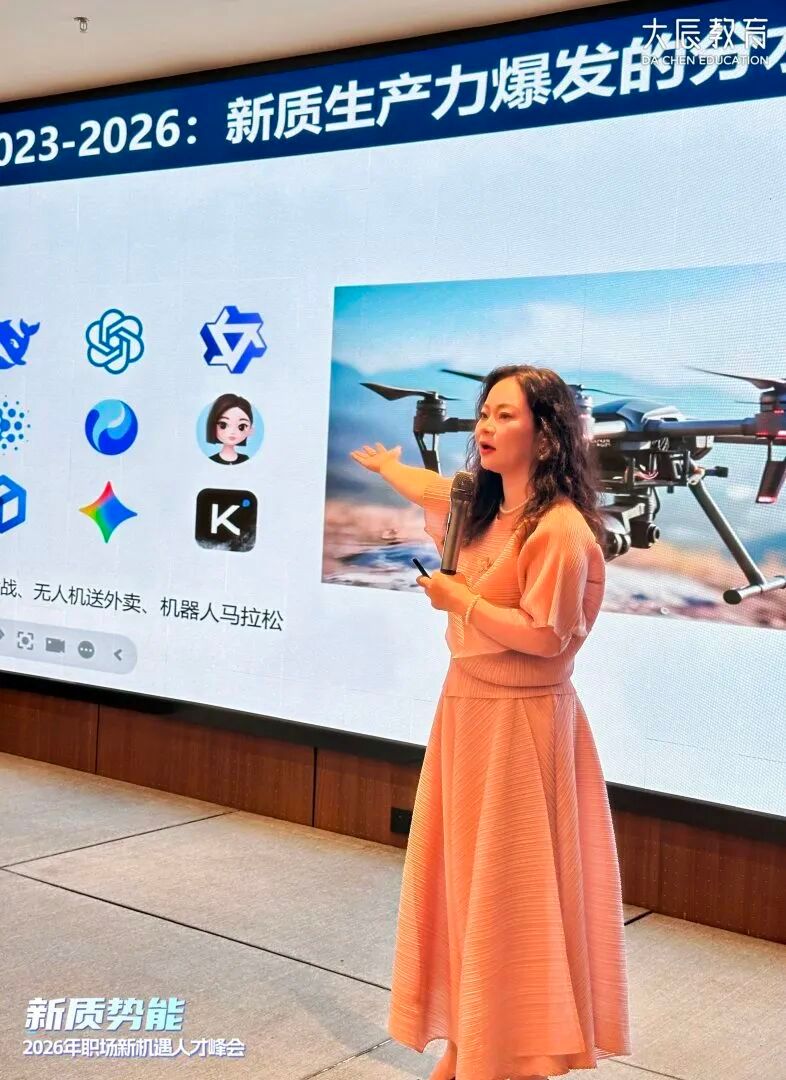
In the light of macro-industrial developments and changes in the demand for human resources, mr. Lisa undertook a systematic analysis of the five-year high-growth industries and, in conjunction with industrial developments in chongqing and the chuansu region, helped field workers to understand the relationship between industrial trends and individual career choices。
At the heart of this sharing is not simply telling you what industry is popular, but helping people in the workplace to build a bottom-up logic for judging career opportunities。
With the accelerated transformation of old and new kinetic energy, the development model of traditional industries is changing, and new technologies, such as artificial intelligence, are reshaping the way enterprises produce and their talent structure。
On the one hand, some duplication and standardization efforts are being influenced by technological developments; on the other hand, new jobs and new career opportunities are being created around ai applications, industry digitization, emerging technologies, etc。
Future career opportunities come not only from a certain industry but also from new demands arising from the process of industrial upgrading。
In sharing, mr. Lisa focused on the changing needs of ai-related talent。
As ai moves from technological exploration to industrial applications, the demand for talent in enterprises begins to extend from purely technological research and development to the ai products, ai operations, solutions, business applications and actual business landings。
This means that the talent opportunities of the ai era are not limited to skilled personnel in the traditional sense。
People who know technology, know business, know scenes and can drive technology to produce real business value are equally becoming important talent for enterprises。
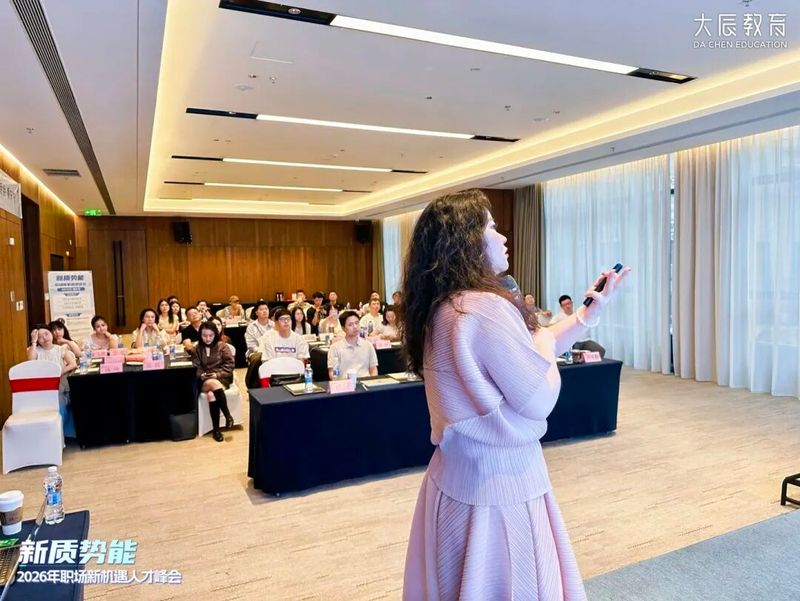
In conjunction with industrial development in chongqing and kawasu, mr. Lisa further analysed the links between regional industry and career opportunities。
Chongqing is continuously advancing the construction of modern manufacturing industry systems, and new energy vehicles, electronics, smart equipment and smart manufacturing industries are developing, and the integration of new technologies with traditional industries is accelerating。
Changes in industrial structures not only result in changes in the number of enterprises and in the size of industries, but also further change in the demand for talent。
What is really important for working people is not blind pursuit of “hot ends”, but rather finding a correlation between industrial trends and their own strengths。
In the process of transitioning old and new dynamics, re-examine their abilities, experience and career orientation and proactively seek industrial paths that can accumulate over time, perhaps as an important window of opportunity for career leaps for those in the workforce。
Job-placed boye: from finding a job to real-life business, see how new jobs were born in the ai era
If mr. Lisa's sharing helped field workers to see the “big map” of industrial development, then the fde front-line deployment of engineer mr. Boye's share further reduced macro-industry opportunities to a specific new and emerging position。
Ms. Boye shared this information around " fde front line deployment engineers: from job search to business real landing " , systematically dismantling the fde job content, competency requirements, job paths and real landing of enterprises, taking into account his professional experience and the practices of the enterprise's ai project。
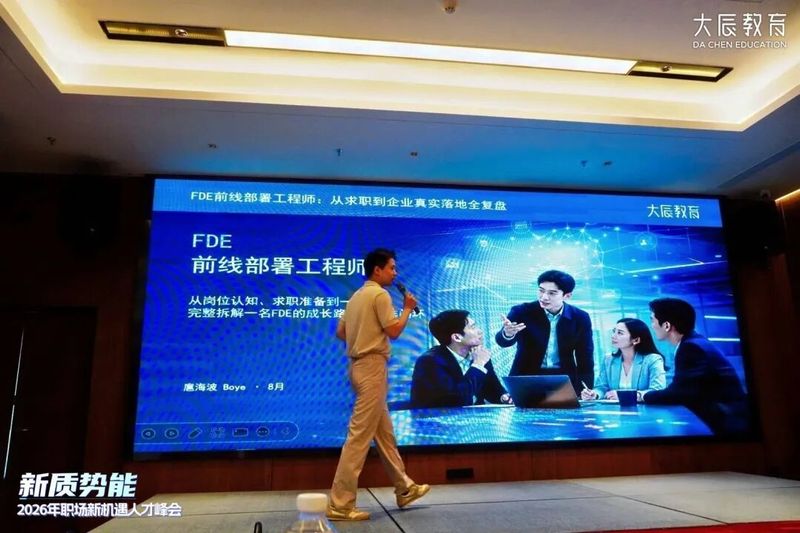
From "ai's hot" to "ai's real business," there is a very long industrial chain in the middle, and the fde is one of the key players in linking technology and business。
Today, with the rapid growth of the ai industry, modelling capacity is increasing and the threshold for firms to access ai technology is decreasing。
But when ai actually enters the business business, the problem is not just whether or not it has a model, but rather:
"how does this model fit into existing systems?"
“how to solve real business problems?”
"how can the project really run?"
Between technical capacity and the business landscape, a large number of complex connections and landings are still required。
The key to ai's real value creation is not just the technology itself, but whether it can enter real business and produce results。
Mr. Boye demonstrated a very representative career transition path, taking into account his professional experience from java engineer, ai applied development engineer, algorithmic engineer to fde。
His experience also shows that entering the new track does not mean that past work experience is completely lost。
On the contrary, the technical capacity accumulated in the past, project experience and industry understanding can be transformed into the competencies needed for new jobs through regrouping。
For example, engineering development experiences can be translated into systems integration, interface development and problem mapping capabilities; ai application experiences can be further extended to rag, agent and business access; and algorithm-related experiences can help talent to understand model capabilities and impact assessments in greater depth。
Career transformation is not “starting from scratch”, but rather redefining past experiences and moving them to new industrial scenarios。
In terms of fde positions, boye further described the different directions of traditional delivery fde, internal fde/ai-bp and agent fde。
From deployment, exclusion, customer communication, to intra-enterprise business transformation, to agent workflow and standardized delivery, jobs are continuing with the development of the ai industry。
At the same time, he has further broken the fde career path into key points such as orientation, evidence-gathering, work, curriculum changes, wide distribution and interviews。
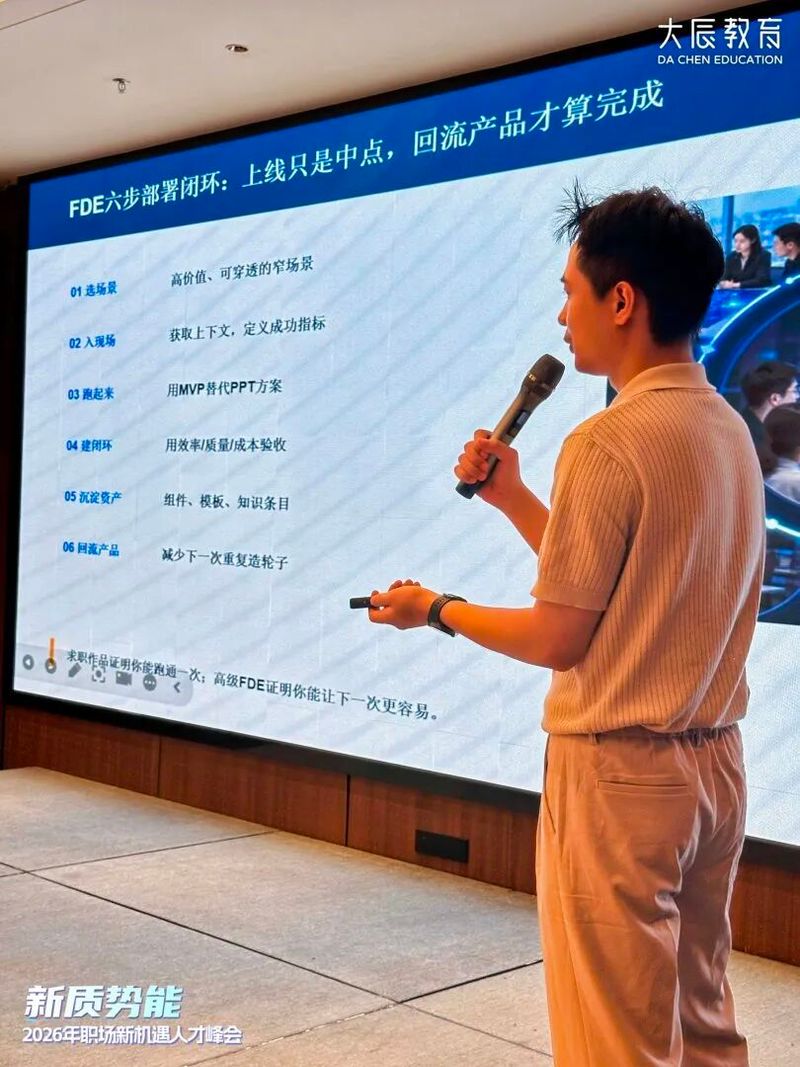
For new jobs, it is not the name of the job that is truly valuable, but the system of proven, transferable and sustainable accumulation of competencies around the job。
This sharing has also made it more visible to the field: the career opportunities offered by ai are not a distant “future concept”, but are entering the business, the job and the specific business scene。
Personal brand coconut: building workplace influence, making the opportunity to find it. The door
Following the sharing of career opportunities at the “industry” and “job” levels in the first two sessions, the third session of the summit further returned to the workplace itself。
Dahai education partner, ai+ explorer coconut, shared around building workspace brand impact, making opportunities active, from intra-workspace influence, friends' circles to the sinking of commons content, and a systematic presentation on how to increase the visibility and recognition of individual professional competencies。
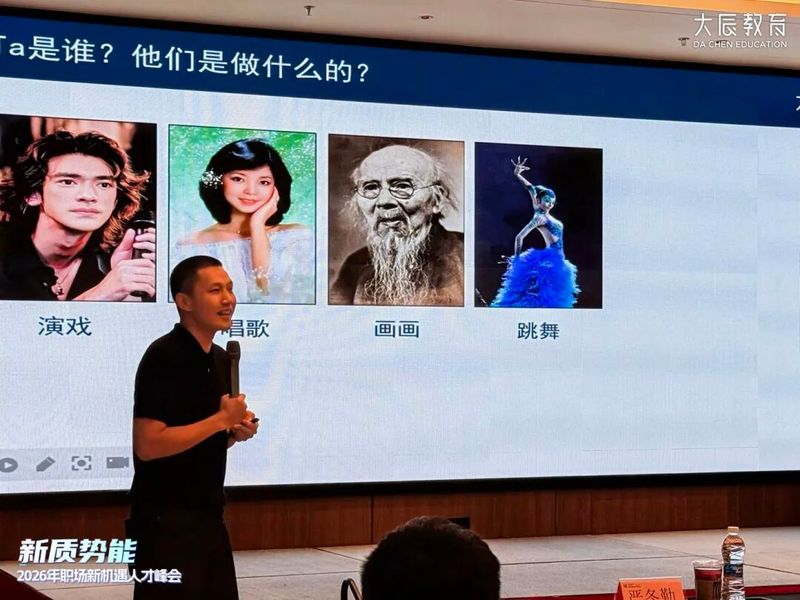
Capability, which is the foundation for career development, and the ability to be seen determine whether more opportunities are connected to you。
In the workplace, many opportunities do not appear in the form of recruitment information。
An internal project collaboration, a cross-sectoral sharing, a leader's proposal and a link to a trade friend could all become new entry points for career development。
And before these opportunities really happen, others need to know first: who you are, what you are good at, what you can solve。
Mr. Coco pointed out that the job brand was not simply a “man-made” brand, nor was it a requirement for everyone to become so-called cyberred。
It is more important to have a clear, stable and identifiable label on the professional competencies that individuals have accumulated over time。
Within the enterprise, proactive reporting, professional sharing, cross-sectoral collaboration and demonstration of project results can be a demonstration of individual competencies。
A high-quality sharing goes beyond the completion of work and builds personal professional influence within the organization。
In the day-to-day business of an incumbent, the circle of friends can also become a permanent “personal business card”。
Through life experience, professional knowledge, work thinking, learning to grow, resource connections, one's professional abilities and personal qualities can be presented more firmly。
At the same time, public spaces, small red books, short videos, etc., also provide greater communication space for professional competencies。
Continuous output of industry observations, job re-engineering, professional expertise and personal thinking is essentially the constant sinking of individual content assets。
When a person's professional abilities are continuously expressed, sunk, and a clear personal label is developed, career opportunities can also move from “actively sought” to “actively connected”。
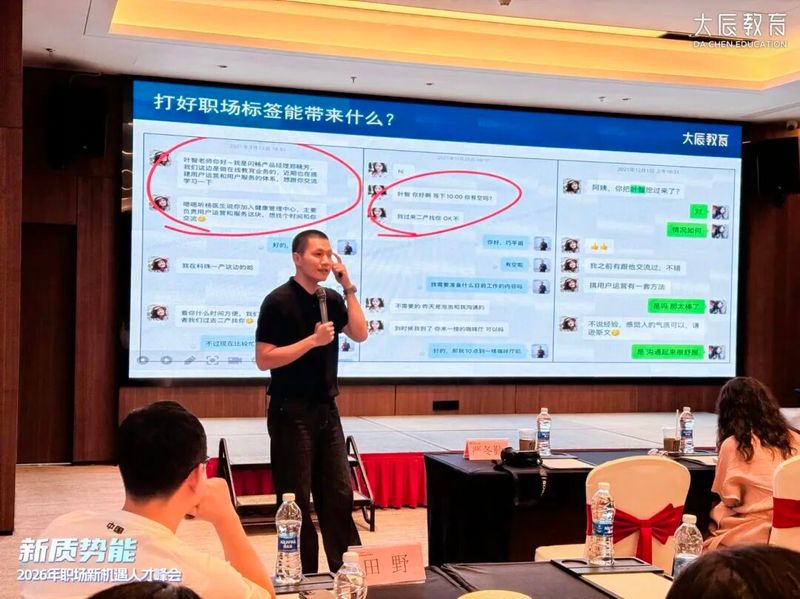
The sharing of coconut teachers also provided an important inspiration for the field:
Career development requires not only the promotion of “internal merit”, but also learning to see its value。
From industrial trends to personal growth: towards a new qualitative age of productivity
The sharing of the three guests, although from a different perspective, together constitutes a complete career development logic。
(a) lisa, in the light of industry trends, shows future opportunities
(a) boye, from the point of view of the specific position, gives the workplace an understanding of what the new industry needs
Coconuts, on the other hand, are based on individual brand names, allowing job-makers to think further about how their abilities can be seen, recognized and translated into more career opportunities。
From “seeing trends” to “selecting directions”, from “understanding jobs” to “building capacities”, and from “capable accumulation” to “value expression”, this is a cognitive upgrading required to grow in the new qualitative productivity age。
Industry changes will not stop and jobs will continue to evolve。
Future workplace competition may no longer be a competition for a particular professional skill, but will increasingly be reflected in a combination of one's trend judgemental abilities, cross-border learning abilities, business resolution capabilities and personal influence。
For every worker, what is really worth doing is not anxiety about what's next, but constant thinking:
What can i solve in the new industrial structure
Growing up with new talent and moving towards a new future of career development
Chongqing is a city with a deep industrial base and a constant release of innovation。
New industrial opportunities, new business scenarios and new talent needs are emerging as new technologies and traditional industries become increasingly integrated。
This also means that industrial upgrading is not only a business development proposition, but also a job proposition that every worker has to face。
Seeing trends is the beginning of change; understanding them leads; and real action turns them into opportunities for themselves。
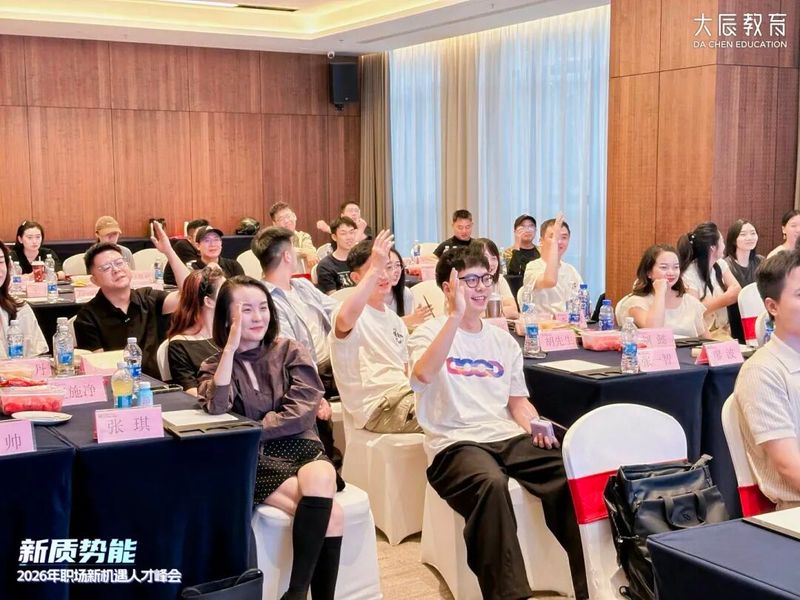
By linking industry, business, specialists and talent on a continuous basis, the aim is to enable more workers to understand their career choices from the perspective of industrial development, to find certainty in the changes and to build new career competitiveness in new opportunities。
Tata education messenger: walking with the times, growing up with talent
As the country's leading business institute, otsama has always focused on the link between industrial development and human development。
We believe that truly valuable vocational education, not just the transmission of knowledge, should help working people to see trends, to know themselves, to understand their industries, to improve their abilities and ultimately to find their own career paths。
From new quality productivity to new industries such as artificial intelligence, smartness, low-altitude economies, and cross-border access to the sea, osama education will continue to focus on industrial change and talent needs, linking more industry specialists to operational resources, and providing more front-line, professional, real-life industry insight and growth support for job-makers。
The tide of times is accelerating, the boundaries of industries are being redefined and the value of talent is being re-measured。
We look forward to working with more people in the workplace to maintain their sensitivity to change and their ability to sustain growth。
The end of chongqing station is not the end of an event, but the beginning of more connections and exploration。
New dynamics are gathering and new career opportunities are emerging。
In the future, tata education will continue to move into more cities, connect more industries and talent, focus on the growth of talent, coordinate with industry trends, accompany more workers to open their cognitive boundaries, upgrade their professional capabilities, and find their place in a changing era towards a wider career future。
Tata education, with every worker。









