


Strengthening the care workforce
Weave campus health net
Training in the prevention and control of infectious diseases during the autumn and winter of the kindergarten in qingjiang


Strengthening the care workforce
At the turn of autumn and winter, temperatures fluctuate sharply, and common infectious diseases, such as influenza, viral diarrhoea, foot and mouth disease and pox, enter high levels. The immunization system for young children is not yet fully developed, combined with relatively closed collective living spaces and high levels of human contact, especially with regard to the prevention and control of infectious diseases, and health safety must not be neglected。
Caregivers are central to the health care of kindergartens and are the first line of defence for young children's health. In order to further regulate sanitary sterilization procedures, enhance emergency response capacity, upgrade the professional level of the care workforce and ensure physical and mental health throughout the school, the park organises special training for all caregivers in the prevention and control of infectious diseases in autumn and winter。
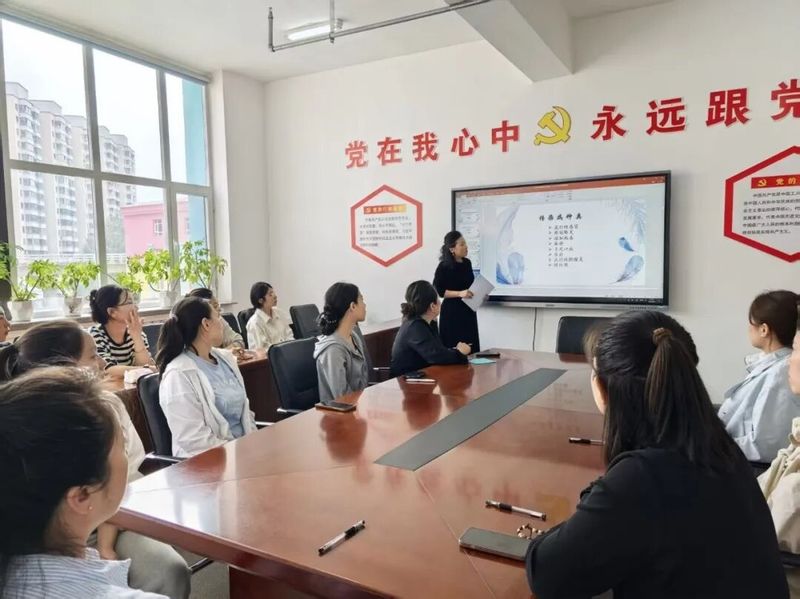
The training, which was given by the health teachers at the school, focused on day-to-day childcare, which was both systematic and practical. The training is tailored to the pathological characteristics of high-prevalence infectious diseases in the autumn and winter, typical symptoms, early identification points, isolation criteria and back-to-school requirements, and helps caregivers to build scientific awareness of the disease。
In response to sudden childhood outbursts, diarrhoea, fever, rashes, etc., training is provided on emergency treatment, information-by-information reporting, temporary isolation and end-of-life sterilization, and the six-early prevention and control principles of early detection, early detection, early diagnosis, early treatment, early isolation, early control, rapid response, standardized disposal and closed loop management。
In addition, the training refines the basics of day-to-day care in autumn and winter: scientific increase in clothing reduction, promotion of adequate drinking water, regulation of mid-night visits, development of good hygiene practices for young children, starting with details to improve their own immunity。
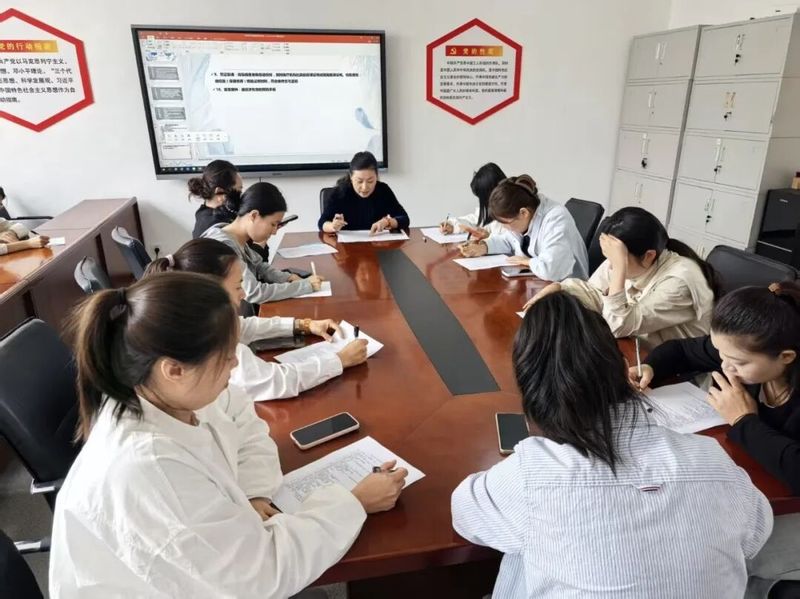
At the end of the training, all the child-care staff conducted a systematic review and knowledge-building exercise, combining the group discussions and written appraisals, to ensure that the training was effective。
The details are real. Through this training system, all child-care workers are further strengthening the theoretical basis for the prevention and control of infectious diseases, regulating practical skills and enhancing job responsibility。









