


In the world of emeralds, the betstone was never blindly taken by chance, but a precise judgement based on the crust and the field. The value of a stone, 90 per cent of which is hidden in visible skin crust textures and field features, captures these two cores, extracting the inevitability of “choice” from the uncertainty of “ gambling” and locking out the gold areas that really hold high-quality meat。
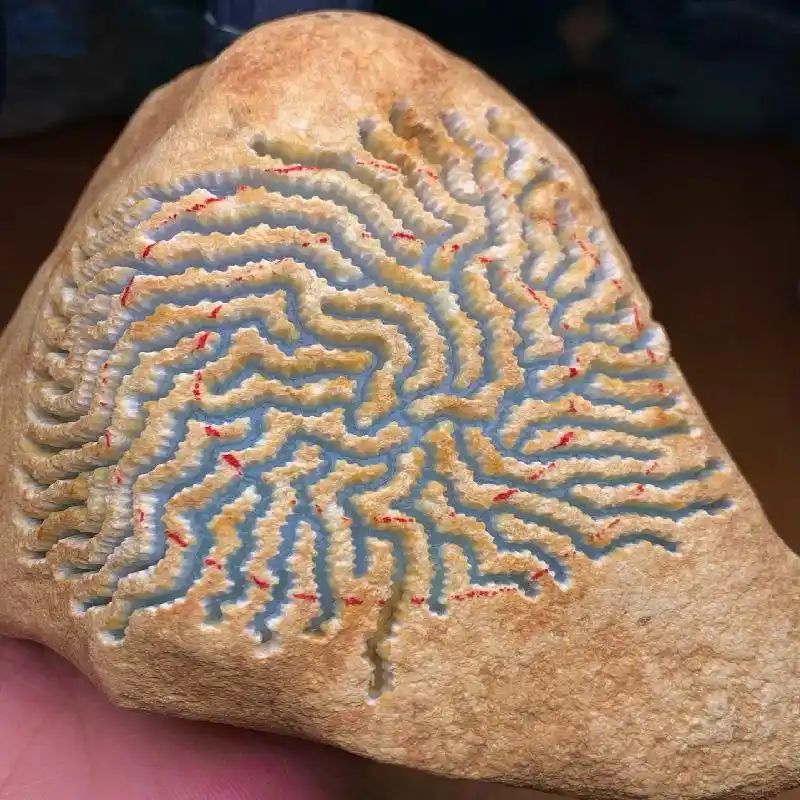
Leather shells are the “clothes” of emeralds and, more importantly, the “barometer” of flesh. The commonality of quality furs lies in “tight, flat and non-fragmented”, but the physical potential of different manifestations varies from one another. First of all, the skin is thick: the skin is smooth like the skin of the baby's skin, the particles are weak, often wrapped in fine, fine flesh, which is a “hot bed” for ice, glass, and the surface of the skin is rough as sandpaper, the particles are visible, the meat is mostly scab or beans, and the water is softer. And look at the color of the skin: the old husks are dark brown, with irregular wrinkles on the surface, thick as the skin of the elephants, and the internal meat is likely to grow old water; the yellow husks are like yellow sand, and the particles are flat and tight, and they are not powdered with their hands. They are the classic ones that produce high colour and water; the black husks are the most special, are bright in the black, and if the skins see “low flowers” (green spots, silk trails) or “blank” (black strips), they are internal green signals, but they need to be wary of “green eating” — thorium and green symbills, which can erode the green and reduce the meat value。
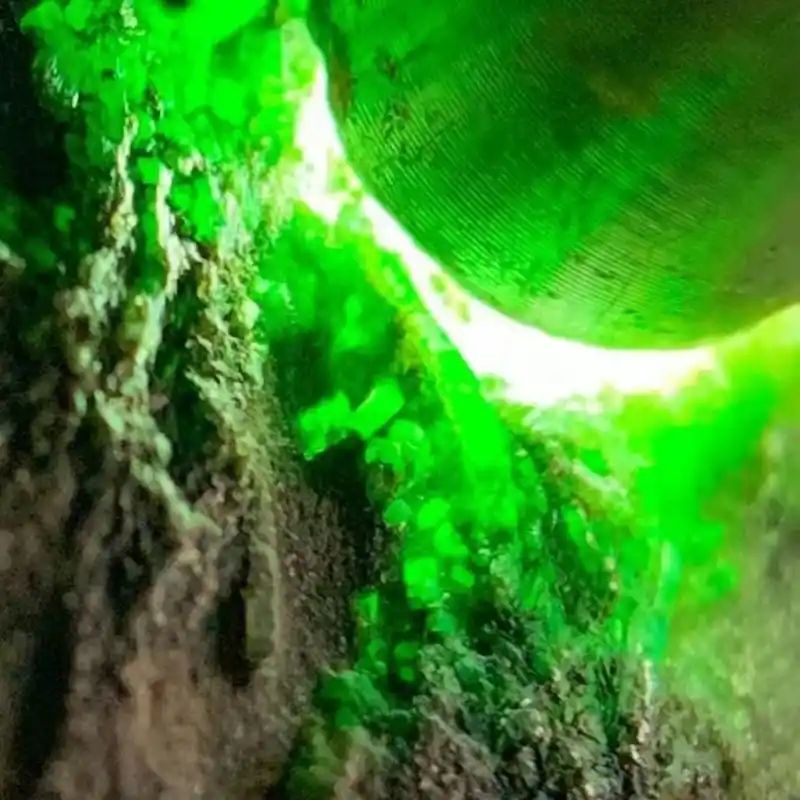
In addition to the crust itself, the site is characterized by another “gold key” to determine the flesh. Each site, because of its geological environment, produces a solid “gene” of the original crust and meat, which is tantamount to a “birth file” of the original stone. For example, as the representative of the old field, with yellow salt and sand, the skin is thin and tight, the internal meat is mostly ice-creed, eucalysed, green and evenly distributed, and it is the “plasters” of high-quality stone in the market; the original crust in the mouth of the moxi sand is mostly white salt sand, grey sand; the surface is often covered with “salary sand” (part of the skin has been removed and internal meat has been exposed), the striping of the sand is black and fluorescent, and must be a good meal for the old water, known as the “crazy cradle of ice” and the back of the river is famous for “small and fine”, the crust is yellow sand, with few cracks, the interior is thick, especially suitable for the “high value of small stone”。
The core logic in the selection of the original stone is that “the skin shell and the mouth prove each other”. For example, when a yellow salt sandstone is encountered, the crust is observed: the sand grain is flat and tight, the nails of the finger are untraceable (proven that the skin is old), and the pine flowers and aphids are shown (the aphids are the stripes of the skin, much the same as the internal greens); then the surface features are determined: if they fit the yellow salt and sand characteristics of the packen field — the sand, the colour of the skin, the thinness of the skin — the area of the meat is likely to be thick beneath the belt or the pine flowers. On the other hand, if a piece of black sand platinum is rough and loose, and does not correspond to the “black, compact” character of the mowanki site (the high-quality black sand plume), even if it is green, the interior may be a poor flesh of “short, coloured waterhead”。
Many newcomers choose the stone and are vulnerable to the error zone of “specify the skin colours, undefunct intersections”. The same is true of black skins, which are thick and green inside of mowanki, while the black skins at the mouth of the cardboard are gray and the meat is cottony and their value varies from one day to another. There are also those who see large areas of laxity in the skin, but ignore the “fragmentation” of the field — such as the stone of the wood — which is often accompanied by “smelting cotton”, but which is multi-fissles that, if not combined with the distribution of the crust, may not be able to pick up the pieces, even if the meat is good。
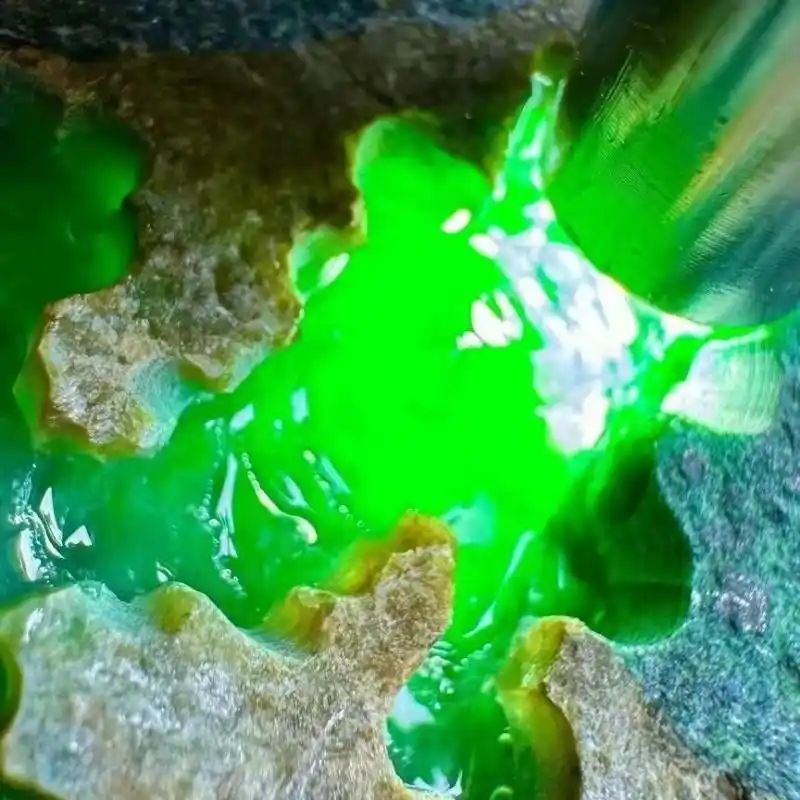
The real pickers are doing the "exclusion" method: first to remove the rock from the poor origin through the field, then to screen the old skin, skin, and non-fragmented candidates through the husk characteristics, and finally to lock the most likely high-quality areas on the basis of “signs” such as pine blossoms, euphemisms, desalms, etc. Remember, the quality of the meat of the emerald stone never comes out of a “dagger”, but from a “seen” - every texture of the skin shell, every feature of the spot, every selection, is the precise decodement of the “genetic” of the stone。









