


A digital transformation that builds new capabilities and promotes business innovation should be accompanied by a matching governance system and continuous change in management models to provide management security, in addition to the design and implementation of systemic solutions to provide technical support. The preceding section presents three main perspectives on development strategies for digital transformation, new capabilities and systemic solutions. The present paper presents a governance system perspective, a governance system perspective that transforms the governance mechanisms and management models of value security, and a governance system that supports new capacity-building and promotes business innovation transformation。
I. The four sub-perspectives of governance systems
The governance system perspective includes four sub-points: digital governance, organizational mechanisms, management practices, organizational culture, etc。
Digital governance. It refers to the establishment of digital governance mechanisms that match new types of capacity-building, operation and optimization, the application of structural approaches, the promotion of the integration of human, financial and material resources, factors and activities, including data, technology, processes, organization, synergies, innovation and continuous improvement, the enhancement of the application of safe and controlled technologies and the building and continuous improvement of management mechanisms such as secure and controlled information security. The first is a digital governance mechanism. These include standard norms and governance mechanisms to achieve synergy, innovation management and dynamic optimization of the four elements. Second is digital leadership. These include strategic insights and forward-looking configurations of senior leaders on the digital transition, as well as collaborative leadership and coordination mechanisms that are co-generated by first-hand, decision-making-level members, other leaders at all levels, and leaders of ecological partners. The third is digital talent. These include the concept of full digitalization and skills development, a system of performance appraisal and growth incentives for digitalized talent, and mechanisms for cross-organizational (enterprise) talent sharing and mobility. Fourth is digital funding. Mechanisms include integrated and coordinated use of digitized financial inputs around innovative capacity-building, global optimization, dynamic synergistic management and quantitative precision accounting. Five is safe and manageable. These include the development, application and platformization of autonomous and controlled technologies, the application of information security technology tools such as cybersecurity, system security and data security, and the establishment of related management mechanisms such as security control and information security。
Organizational mechanisms. This refers to the establishment of organizational responsibilities and competencies that match new types of capacity-building, operation and optimization, as well as the enhancement of responsiveness to the growing dynamic of users, individualized needs and flexible service capabilities。
[t/aiitre 10001 - 2020 reference architecture for digital transformation, in the original t/aiitre 2020 standard, governance systems, including general principles, digital governance, organizational mechanisms, management practices, organizational culture, etc., are selected from this section under “5. 5. 3 organizational mechanisms”]
The organization should establish a structure of responsibilities and competencies that is compatible with new types of capacity-building, operation and optimization, including organizational set-up, functional responsibilities, and continuously improves the responsiveness and flexibility of services to the increasingly dynamic and personalized needs of users。
The activities to be undertaken by the organization include, but are not limited to:
(a) establishment of a flexible organizational structure for processization, networking and ecology, as appropriate, as well as data-driven mechanisms for dynamic optimization of the organizational structure to enhance the suitability and compatibility of the organizational structure with new types of competencies
B) develop a dynamic system of segregation of duties across processes and full-time data-driven functions, as well as coordination mechanisms for dynamic communication among them, to enhance coordination and coherence of new types of capacity-building activities。
Management approach. This refers to the establishment of organizational management and work models that match new forms of capacity-building, operation and optimization to promote self-organization, self-learning, creative work, support for self-worth and growth with the organization. The first is innovation in management. These include a shift from functionally driven layered management to process-driven matrix management, data-driven network management, intelligently driven eco-symbiotic management, etc. The second is a change in employee work patterns. This includes supporting staff to perform their functions based on mobility, socialization, and knowledgeable digital platforms, as well as stimulating self-management, self-learning and value achievement, guided by value creation results and contributions。
Organizational culture. This refers to building an organizational culture that matches new forms of capacity-building, operation and optimization, and translating the vision of the digital transformation strategy into a code of conduct for the organization's own proactive innovation。
[t/aiitre 10001 - 2020 reference architecture for digital transformation, in the original t/aiitre 2020 standard, governance systems, including general principles, digital governance, organizational mechanisms, management practices, organizational culture, etc., are selected from this section under “5. 5. 5 organizational culture”]
The organization should start with values, codes of conduct and so forth, create an organizational culture that is compatible with new forms of capacity-building, operation and optimization, and transform the vision of a digital transformation strategy into a conscious behaviour of the organization's entire staff to innovate proactively。
The activities to be undertaken by the organization include, but are not limited to:
(a) to respond positively to the changes brought about by the new generation of information technologies and to build values of openness, innovation, initiative and effectiveness
B) develop codes of conduct and guidelines that match values, and use tools such as digitization and platformization to support the effective implementation of codes of conduct and guidelines and their iterative optimization。
Ii. Methodologies for linking governance system processes
The governance system process interface approach consists mainly of planning, implementing, evaluating and improving the organization-wide governance system to support the implementation and operation of new capabilities (systems), with the following main process approaches:
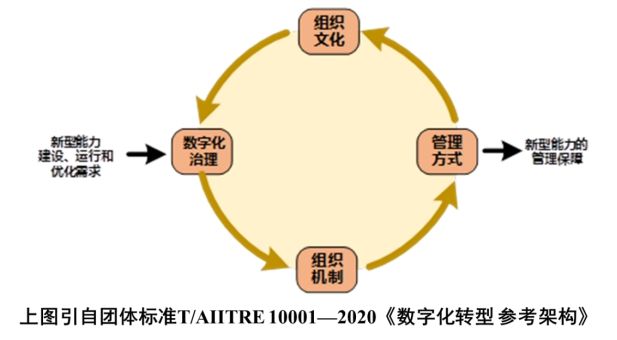
Figure 1 key processes included in the governance system process linkage approach
Planning of the governance system. In line with the demand for innovation in the governance system from new capacities (systems) identified and planned, programmes and pathways for innovative change in the governance system are systematically planned in terms of digital governance, organizational mechanisms, management practices, organizational culture, etc. In particular, there is a need to identify the needs of the digital governance system, digital leadership, digital talent, digital finance, security control and so forth, in line with the requirements for the effective implementation and operation of the new capability (system). At the corporate level, organizational mechanisms need to be identified for optimization, innovative changes in management practices, and staff empowerment, leading to organizational mechanisms and managerial excellence programmes. There is a need to identify organizational cultural needs and develop organizational cultural programmes. The upgrading of the governance system is a gradual and long-term process that requires a high degree of attention to the suitability of the new capabilities (systems), master planning, identification of the ways in which the parties will work together to build the governance system in accordance with the requirements of distribution implementation, identification of the necessary support conditions and resource requirements, and the responsibilities of those responsible, participants, stakeholders, etc。
Implementation of the governance system. Based on the planned governance system-building programme, organizational stakeholders are working together to build digital governance systems, adapt organizational mechanisms, change management practices, build organizational culture, apply safe and manageable technologies, and build secure and secure information security management mechanisms, build a fully-fledged digital governance system, create small, networked, platformd soft organizations, achieve the empowerment and innovation incentives of staff and develop an organizational culture appropriate to organizational management change. The implementation of the governance system should continue to promote the alignment and optimization of digital governance, organizational mechanisms, management practices, organizational culture, etc., and to regularize and institutionalize the results in order to improve the coherence and effectiveness of governance system-related building and activities。
Continuous improvement of the governance system. Establish a system of diagnosis, benchmarking and evaluation of governance systems, provide dynamic follow-up, comprehensive analysis and accurate evaluation of the whole process of building governance systems and the effectiveness of their functioning, identify needs and opportunities for continuous improvement, promote the optimization of governance systems, and continuously improve their suitability and effectiveness for new types of capabilities (systems)。
The main elements are derived from group standards t/aiitre 10001-2020 digital transformation reference architecture









