


I. Early childhood education knowledge
Sensibility
Perception is the basis for children's understanding of the world. It enables them to better understand the world around them and to help them to acquire knowledge. It is therefore necessary to give children a more realistic life experience, more contact with nature and more colourful series of things around them。
Operation capability
It is important to develop hands-on skills so that, in normal times, children can play a lot of smart toys, learn paper or part-time work with their children, and develop children's habits of working。
Language development
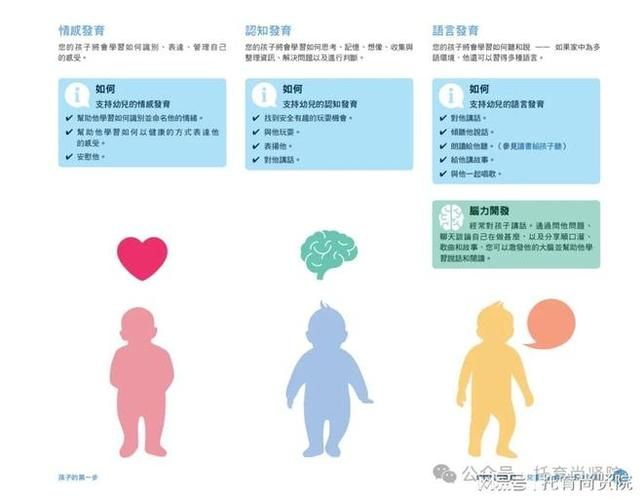
When a child is a child, it is necessary to teach the child in dialogue, to take advantage of the critical period of development of the child's language skills and to enable the child to learn more language and language, which will also strengthen the child's memory。
Imagination
Parents and friends need to encourage children to think and imagine and to make full use of their activities and behaviours in everyday life in order to train and train children in this area。
Painting capability
Children's drawings develop their ability to observe and remember and contribute to the development of mental capacities. In addition, drawings promote children's aesthetics and contribute to their artistic development。
Ii. The principle of early feeding for infants and young children
Early nutrition “planning” for human health
Professor lucas came to china to participate in the 2008 workshop on evidence-based practices for nutrition planning and infant nutrition, which was invited by april 2008. He shared with the attending pediatricians the view that infant nutrition would affect the health of a lifetime. In his view, early nutrition during the critical period of infant growth (from 1 to 2 months of life) affects the life cycle of blood pressure, cholesterol levels, metabolism, insulin resistance, lipid, arterial sclerosis, skeletal health, behaviour, learning ability and even life expectancy。
It is understood that nutrition may have such a “planning” effect, based on the frontier animal experiment of professor mcc-cance 45 years ago. The results show that nutrition during infancy will significantly affect all aspects of the human body, including the risk factors for cardiovascular diseases (blood pressure, fat metabolism, insulin resistance and lipid), cognitive ability, bone health and specialty。
Studies have shown that slower early growth and breastfeeding are important reasons for reducing cardiovascular risk factors in adulthood, while early rapid growth and development are beneficial for brain development. Amber has a long-standing commitment to designing the best nutrition formulation for early childhood in order to achieve a balance of factors。
The moon doesn't need extra nutrition
The baby, who had just reached four months of age, was exactly the height of weight, but the parents and grandparents were anxious to give him this nutrient, the healthcare, on the grounds that “the baby was not overweight”。
The “super-high”, “super-strong” parents are happy, and many citizens have long held that view. But early growth is not good. According to lucas, the brain development of a premature child is inadequate and the benefits of enhanced nutrition (a 30 per cent increase in proteins) for its brain development are evident. However, full-month brain development is well developed, and additional nutrients have little effect on the brain, which, in turn, can cause it to grow too fast, with negative effects on future health。
Iii. What are the common feeding patterns of infants and young children
(i) breastfeeding
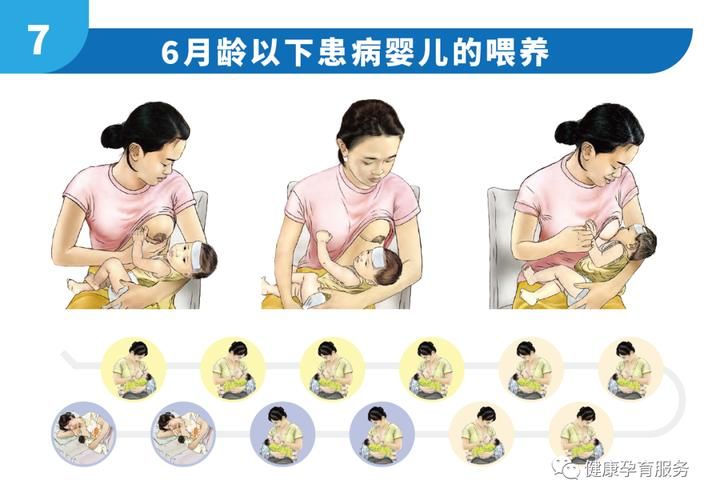
Breastfeeding is known as breastfeeding as the main food. Breast milk is the best nutrition for infants. The enemy called the milk “creasing, beautiful as a plume”, which was fertilized by the essence of the valley. Breastfeeding is also strongly promoted in our country and in the world health organization. Breastfeeding has many benefits: a high nutritional value and a high absorption value. This has the effect of enhancing breast immunization. The three-person calcium phosphorus ratio is more appropriate and is therefore well absorbed. Breastfeeding is easy, clean and at a moderate temperature。
Breastfeeding: started seven times a day and decreased to five times with age, approximately 15 to 20 minutes each. In general, breastfeeding begins six to twelve hours after delivery. Newborn babies are fed every 2-3 hours, every 3-4 months or so, and every 4 hours after 4 months. They're all nursing at night. It is appropriate to sit in the arms of the baby, so that it can breathe well and so that the air in the stomach can rise, so that every time you breastfeed, the milk of the baby should be taken out as much as possible, and the next dose will increase. After breastfeeding, the baby is held in the back for about two to three minutes, so that it is drained out of the stomach air in order to prevent the vomiting of milk, and if there is a nasal stubble to block the nasal cavity, it affects the breathing and prevents the breast. When a child cries, do not immediately force breastfeeding in order to cause coughing and vomiting。
Weaning time: 8-12 months is the most appropriate, summer is not the proper season for weaning, preferably after autumn. Weaning should be preceded by a gradual reduction in the number of breastfeedings and a gradual increase in complementary feeding methods。
Weaning must not be abrupt, otherwise anorexic and diarrhoeal。
(ii) artificial feeding
Feeding with milk powder, milk, goat milk, soybean milk, paste or other substitutes is called artificial feeding, of which milk is the most common. Infants up to six months old must be guaranteed a certain amount of fresh milk, but with age, full milk is often not easily available and can be pumped with milk powder。
The method of calculating the amount of milk given:
For example: 5-month-old babies, weighing about 6 kg, needing 110 ml of milk per kilogram per day and adding 5-8% sugar. The calculation is as follows:
110 x 6 = 660 ml of milk per day required (5-6 times)
660 x 5% sugar per day = 33 g
Water required 150 x 6 = 900 ml per day
The amount of water added to the lotion shall be 900-660 = 240 ml
Iv. How to increase infant and young child immunization
One, water. What's the most important ingredient in the body? Not hard bones, but soft and soft water. The surface area of infants and young children is higher than that of adults, and water evaporation is high, and additional moisture is needed. Water is abundant, metabolism is strong and immunity is naturally increasing. 2. Yellow green vegetables and vegetables contain dietary fibres that prevent the constipation of the baby, contribute to the growth of intestines and create a good absorption environment for the intestines. If the baby does not like vegetables, it can crush mixed meat into balls or squeeze juice。
3 - bean products are suitable for indigestion, cold-prone, malnourished babies. Bean products and soybeans contain abundant proteins, iron, hussum, vitamins, zinc, selenium, etc. It has the effect of irritating, irritating and detoxifying。
4 the yogurt is an dairy that combines nutrition with the improvement of the intestinal environment. But the baby can't drink until it's 1 year old。
7. Tomato tomatoes contain a variety of antioxidation factors, such as tomato erythrobins, carrots, vitamin e and c, which increase the baby's immunity, repair damaged cells, protect cells from damage and reduce infant mortality due to severe diarrhoea。
They contain trace elements such as nucleic acid and zinc, which enhances the body; they are also good nutrients, and they have the effect of regasification, wetting and abating the stomach. It applies to children with weak stomachs and ill health。
Ten, five grains of food are indispensable to an immunizing baby. It is the main food for humans, and the first thing to try is rice and wheat when the baby is four months later. After weaning, alternative foods are also cereals. Entire grains containing embryos and thalliums, enriched with vitamins b and e, are antioxidants that enhance immunity and the functioning of immunosuppressive cells。
The dates contain sugar, calcium, phosphorus, iron, vitamin c, vitamin p, etc., are “natural vitamin pills” and have the effect of supplementing the spleen and raising blood. It applies to a child with a weak stomach, a lack of blood, awe, and a cold-prone baby。
Food for mushrooms enhances the baby's immunity and improves its cardiovascular function. The silver ear, for example, contains 17 amino acids, calcium, vitamins, etc., and has pulmonary and gastrogenic effects. The presence of sugary compounds in mushrooms or mushrooms, on the other hand, prevents epilepsy and anaemia。









