


Bring the answer
1. What age does pre-school education mean for children
Pre-school education refers to the education of children aged 3-6 years。
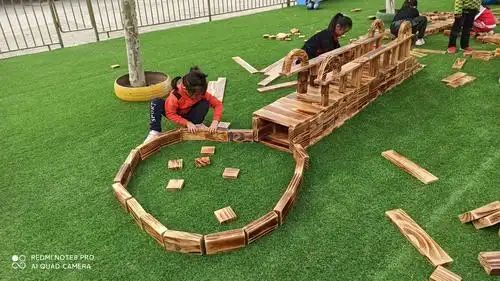
2. What is the purpose of pre-school education
The main purpose of pre-school education is to contribute to the full development of the child, to develop his/her cognitive, emotional, social and other capacities and to lay the foundation for his/her future learning and life。
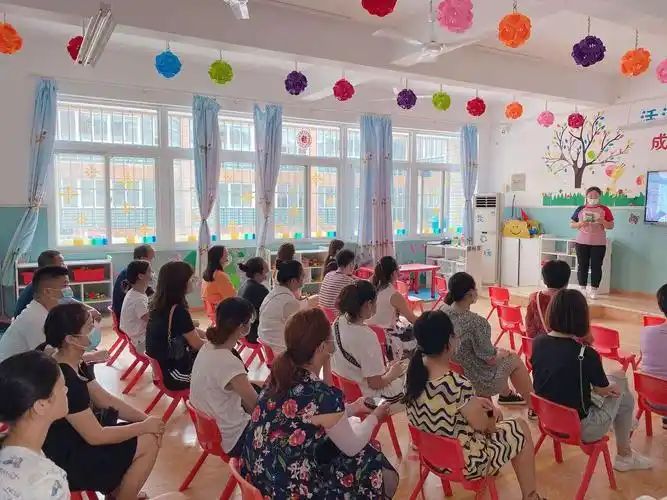
3. What are the main elements of preschool education
The main elements of pre-school education include language, mathematics, science, society and the arts。
What is “early education”
“early education” refers to early childhood education for infants aged 0-3 years, mainly for the purpose of cognitive, linguistic, emotional and social development。
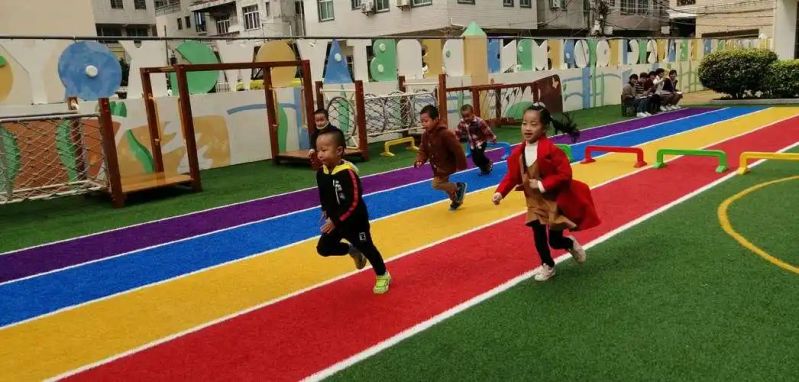
5. What are the core values of pre-school education
The core values of pre-school education are child-centred, focused on the child's physical and mental well-being, comprehensive development, the child's personality, interests and characteristics, and the child's social responsibility and creativity。
6. What are the teaching principles of pre-school education
The teaching principles of preschool education include a child-centred approach, a play-oriented approach, an activity-driven approach, a context-based approach, education based on learning, progress, etc。
What is “situation education”
Response: “situational education” refers to the creation of a situational educational environment that stimulates the interest and participation of children and promotes their active learning and development, based on their life experience and level of knowledge, including through simulation of life and social circumstances。
What does “language education” mean in pre-school education
“language education” in pre-school education refers to the development of a child's language skills, including speech, vocabulary, grammar, grammar etc。
What is the role of “play education” in pre-school education
The “play education” in pre-school education contributes to the child's cognitive, emotional and social development and is an important way for the child to learn on his/her own initiative. It fosters the child's creativity and imagination and develops his/her ability to solve problems and cooperate, while also enhancing his/her self-confidence and social skills。
What does “science education” mean in pre-school education
“scientific education” in pre-school education refers to the development of scientific research and scientific thinking for children, including education in observation, exploration, experimentation, reasoning, etc。
What does “mathematics education” mean in pre-school education
“mathematical education” in pre-school education refers to education aimed at the development of children's mathematical abilities, including concepts of numbers, counting, simple additions and subtractions。
What does “art education” mean in pre-school education
“artistic education” in pre-school education refers to the development of children's artistic expression and appreciation, including drawing, crafts, music, dance, etc。









