


No one can guarantee a lifetime without a small accident。
For the first time, most of the car owners were in danger, panicking in the first place, having a bad head and having no idea what to do first. I've spent so many years on car insurance, and i've seen so many simple accidents, because i've got the order wrong, i've said the wrong thing, i've done the wrong thing, i've paid thousands of dollars to fix the car。
Today, in plain language, the whole process of risk-taking is clearly described, and the suggestion is that it should be collected, that it should be taken into account in the event of an accident, and that it would avoid most of the damage。
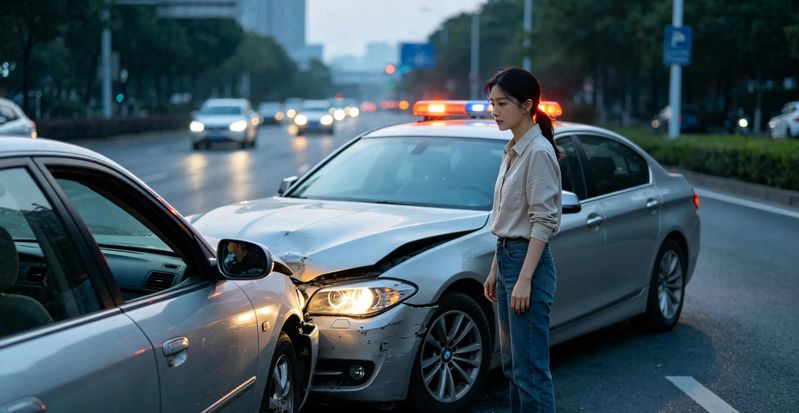
Step one: look at people, then look at the scene
The first thing that happened was not to fight, not to call insurance, to see if anyone was injured。
If anyone is injured: 120 people are rescued immediately, 122 people are called to the police, and no private consultations are held, the consequences are particularly serious。
If it's just broken down, it's okay
High-speed, high-mounted bridges must be opened with triangular warning signs in the back of the vehicle to prevent secondary tailings。
Don't move the car。
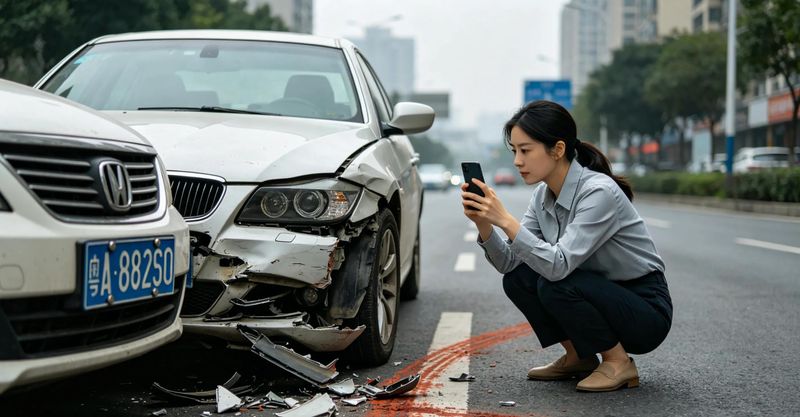
Step two: take a picture. This step is a direct decision
You don't need to take pictures
1. Panorama of the accident: location of the two vehicles, route, surrounding environment
2. Collision break-ups: dimples, cracks, scratches clearly
3. Both plates must be recorded
4. Ground debris, brake marks
Photos should not be deleted, all kept, and must be used for culpability and loss。
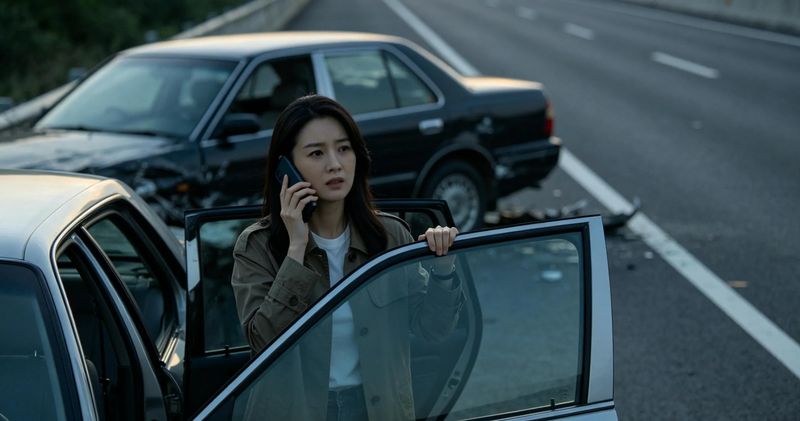
Step three: judge, call the police or private
We have to call the police
1. Persons injured
2. Car crashes, damage to chassis and bumpers
3. Duis, unlicensed driving, escape
4. The parties are divided on their responsibilities and are in dispute
When the traffic police issue an incident certificate, this paper certificate must be kept in order to settle the claim。
That's the only way to be private
Only shallow paint scratches on the surface, the car is not deformed, the repair of the car can be done at several hundred pieces and the responsibility of the parties is not disputed。
It's important to remind us that we can't just say yes. Take pictures of each other's driving permits, id cards. As long as the car is indented, no internal damage is seen, no privacy is determined, and it is easy to return to work afterward。
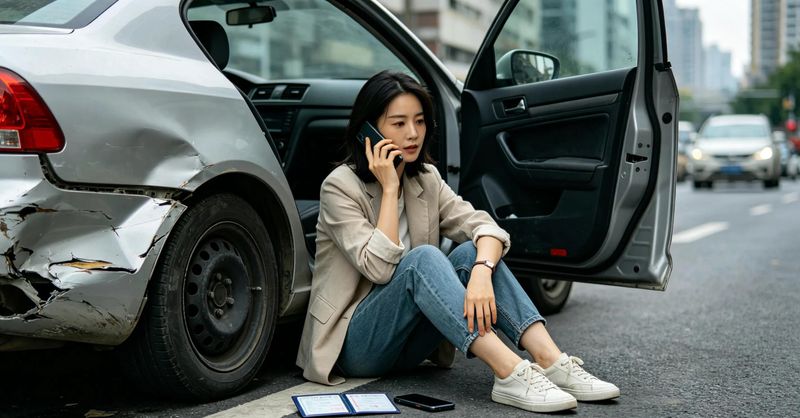
Step four: when to report insurance, don't make any calls
After taking a picture of the scene, you decide whether or not to report for insurance。
Car damage is heavy and requires insurance repairs: call the insurance company to report the incident. Only the time, place, accident. Don't say that i'm deceiving myself and blame myself for what i said。
Just a few hundred small scratches: a simple sum. If the premium increases in the second year after the risk are more expensive than the cost of repairing the car, then it would be more cost-effective to pay for it and not to report it。
It reminds us not to simply sign a full-fledged commission from the repair plant, which, once commissioned, will cost you no money you know, and will be easily underpaid。
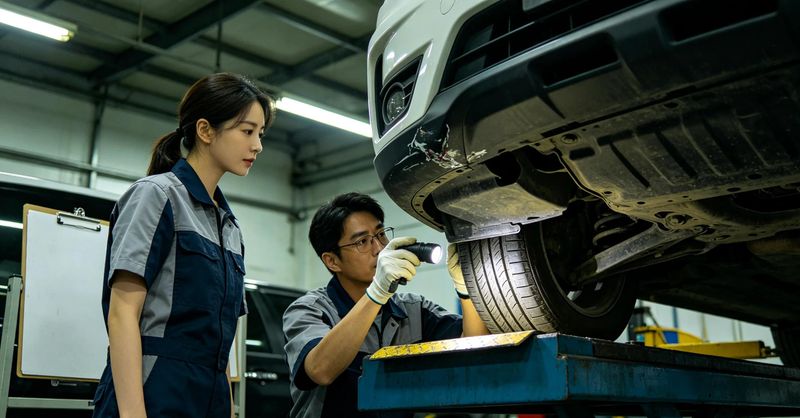
Step five: keep an eye on the damage
As far as possible, the loss should not be left entirely to the repair plant。
Do not just look at visible damage, the chassis, the inner liner of these hidden positions, and ask for a layman's inspection。
Check the maintenance and replacement items on the purchase order and confirm the correct signature. After signing, it is very difficult to attempt additional damage。
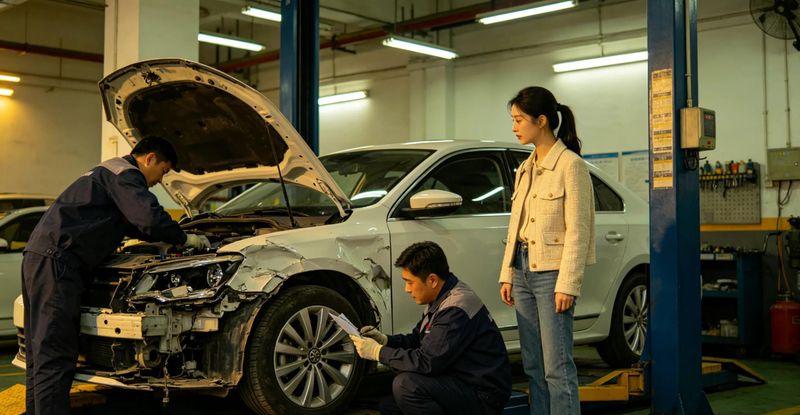
Step six: car repair, two ways to pay for it. The pit
The repair plant seeks compensation in the direct amount of the money from the insurance company to the repair plant. Once the car has been repaired, the vehicle is checked carefully and the car is taken away。
2. Self-advancement: you pay first to repair the vehicle, to keep maintenance invoices and lists, to submit them to the insurance company and to verify the completion of the claim and call your bank card。
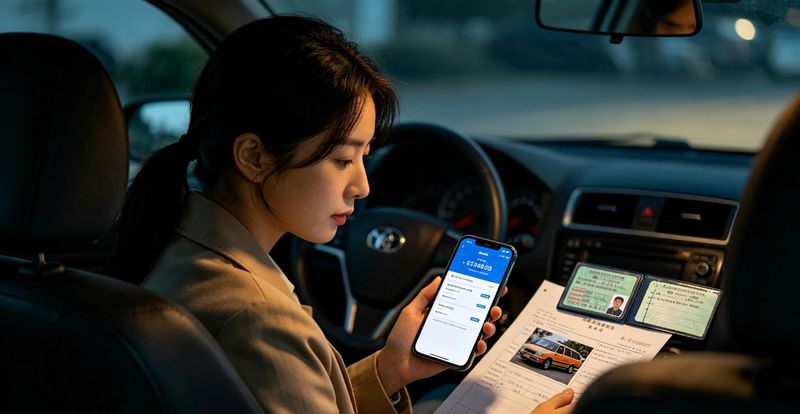
Step 7: reconcile the amount before it's really closed
Once the amounts have been paid, the reconciliation of the amounts and the consistency of the prior valuations is made. All the photographs and documents of the scene were retained and the case was closed。
I'm sorry
1. Do not panic and do not make decisions on the basis of feelings。
2. Not all cases are compensable even if they were fully insured。
3. Do not give up the settlement of claims verbally and promise not to count in the settlement, but will cause themselves to be in trouble。
4. Whether to report a crime or not, and not to make a quick decision。
If you have a problem with an accident, you can leave a message in the comment area and i'll answer。
Pay attention to me, learn a little more about settlement, drive less money。









