


In mathematics studies at the primary level, children are often given full marks on the test papers, but this does not mean that all children who have reached full points have a solid basis to maintain that level in a stable manner. It is less difficult to learn about mathematics in the lower grades, with little effort to learn, but many parents and children devote a lot of time to this stage, resulting in an unreasonable distribution and consumption of learning resources。
Even though children do not attend all types of out-of-school classes and do not receive intensive and specialized training at the primary level, there are still a number of pupils in the lower grades of mathematics who are unable to achieve high marks and who are able to achieve a steady and high percentage of children. Existing differences in abilities between students are an objective fact。
This objective capability gap is only obscured by the fact that many parents are raising their children too early and too intensely. When a child moves to a higher grade and comes into contact with a subject that requires a higher degree of intellectual ability, students who are less able to think begin to lose track of learning. Some of the children have high or even full grades in their language, english and mathematics, but only lower scores, which appear to have a weak performance in mathematics, and are already marked by a capacity gap。

At this critical turning point, mathematics becomes particularly difficult. The difference in scores between students in language subjects is relatively small, english is much higher if you are willing to work hard, physics and other disciplines are limited to knowledge-sharing, while the geometry and functional content of mathematics places high demands on the ability to think autonomously and directly divides students into three distinct levels。
The first category of students who are unable to learn how to do so, the difference in mathematics between them and other students is no longer a few or ten points, but can reach the point where the difference in one subject is sufficient to influence the way forward. The second group of students is an issue, but they are already using the mental potential of upper secondary schools to sustain lower secondary school performance. The third category is children with real advantages, whose mental abilities gradually highlight them as learning advances。
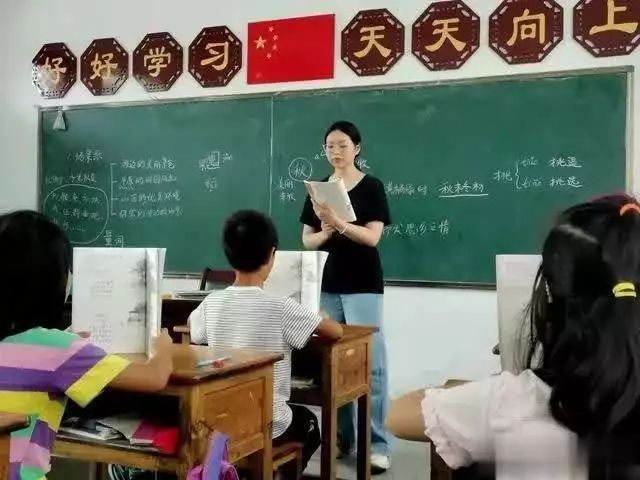
After entering high school, the real gap in mental abilities between the second and third categories of students begins to emerge and extends to physics and chemistry. The two subjects of upper secondary school also require the scientific thinking and knowledge points formed in the mathematics studies of lower secondary schools as the basis。
Science subjects in high schools are difficult, but mathematics is still the most difficult subject, and it is more abstract, more calculating, and the impact on the achievement of advanced examinations is more pronounced when it comes to high values and clear differences. Mathematics remains a central expression of scientific difficulty, especially in recent years, when the gap between chemical and biological scores has narrowed and physical difficulties have been adjusted。

Excessive input into mathematics in the lower primary school masked the original capacity gap among students。
Upon entering the second year, the high requirements of mathematics directly divided students into three distinct groups。
The difficulty and differentiation of mathematics in upper secondary schools makes it one of the most visible subjects in scientific studies。
# mathematics studies # section









