


Research on knowledge transfer in the implementation of enterprise erps has grown rapidly in recent years. Many enterprises have achieved good results through the implementation of erp, improving governance, business processes and enterprise competitiveness. But, on the other hand, many failures have awakened us to the considerable degree of familiarity with and barriers to the use of our business community, the vast majority of which are also familiar with and popularized by markets and the media, and the success rate of their implementation is very low compared to that of developed countries. Given the size of the erp and the multidimensional aspects of its implementation, many experts and scholars have explored the successful implementation and application of erp from different perspectives and hope that certain patterns can be drawn from the experience of the success or failure of the enterprise in implementing erp to inform the enterprise。
The erp implementation process is the process by which an enterprise understands, applies, adapts and uses innovatively in accordance with its own development objectives and issues; it is the process by which an enterprise integrates changed work processes, job responsibilities, sector collaboration and software and hardware systems. On the face of it, the implementation of erp by enterprises is achieved through the transfer of technology, which mainly involves the implementation of technical equipment and operational skills, as demonstrated by computer hardware and software. However, to enable the erp system to successfully integrate itself with the culture, governance and organizational structure of the enterprise and to upgrade its current level of governance and capacity in its creative use, it is crucial that the knowledge of providers and users be fully communicated and interacted, and that effective knowledge be generated and synergized in exchanges between them. Therefore, erp implementation is not just a product transfer and technology transfer, but, more importantly, a transfer of knowledge between the enterprise and the relevant subject and within the enterprise. Successful knowledge transfer is an effective guarantee for successful implementation of erp。
Subjects involved in erp implementation
The vice-president of the chinese information economy society, zhu mei yun, referred to the five models of competitive power and client agency theory of the michaelporter, and concluded that the main subjects of informationization of enterprises were primarily the client, agent, consultant supervisor, competitor, partner and other users, and that the transfer of knowledge between them could be divided into six categories, namely, contractual transfer, mentoring transfer, reference transfer, binding transfer, competitive transfer and adaptive transfer. (a) contract-type transfer is a two-way transfer of knowledge between the principal and the agent of the computerization project in order to satisfy the express and implicit terms of the contract between the parties; guidance-based transfer refers to the process of transferring knowledge from the consulting supervisor to the user of the information project; reference-type transfers are the process of transfer of knowledge from other enterprise users that have already done so to the users of the ict project; a binding transfer is the process of transfer of knowledge by the builder of the advisory supervisory direction information project; (a) competitive transfer is the process of transferring knowledge from the builder to the builder; adaptive transfer is the process of transferring knowledge to the builders of the ict project。
The framework covers all aspects of knowledge transfer in the context of enterprise informatization, but most of the research in the practical study of knowledge transfer in the implementation of erp focuses on the three main subjects of implementing business, erp software manufacturers and erp project consultants. The practical implementation of erp is carried out primarily by an implementation team consisting of erp software manufacturers and erp project consultants, so we can position the problem for knowledge transfer between providers and users. The substance of the erp implementation process is the process of transfer of multiple knowledge between providers and users: transfer of knowledge on generic solutions, transfer of methodological knowledge on project implementation, transfer of business knowledge, and transfer of existing systems, process knowledge. Of these, the first two were transferred by the provider to the user, while the second two were transferred by the user to the provider。
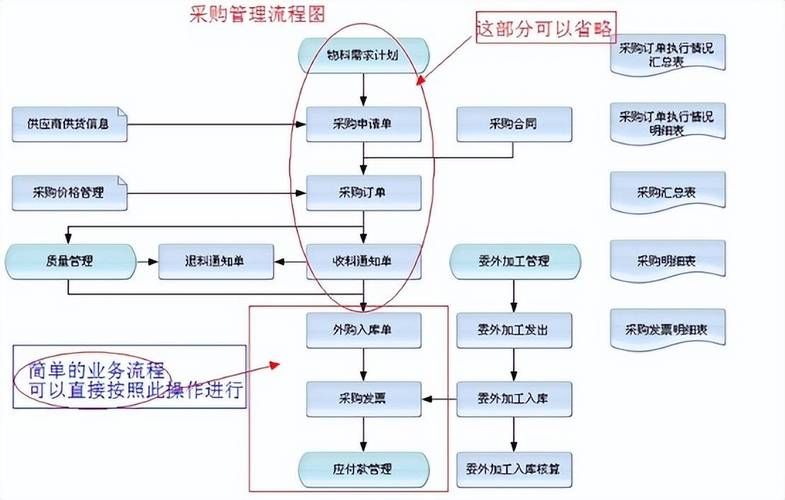
Knowledge content in implementation of erp
In the application of erp, the content of knowledge can also be divided into explicit and hidden knowledge. Visible knowledge, including advice, lectures, software and hardware manuals from experts and documentation available to all enterprises, is of a general nature and can be easily accessed by enterprises at a certain cost. Invisible knowledge, in turn, refers to knowledge that is difficult to document and disseminate in words, that is empirical knowledge that is integrated with people, that is difficult to codify or formulaize and that is difficult to collect and disseminate through conventional methods. It contains technical, cognitive, empirical and value elements. In the process of implementation, tacit knowledge is the most complex and critical. From the point of view of the providers, tacit knowledge is found in three main areas: first, methodology, templates and know-how in the implementation process, often embedded in the minds and practices of experts, rarely provided in the form of public knowledge, and difficult to find readily available textual information, which enterprises are not easily aware of and familiar with; second, governance concepts, process design and industry experience included in the software; thirdly, the impact of software on the organizational structure, governance systems and culture of enterprises is reflected in a series of changes in the implementation of informatization。
For its part, the user has accumulated a wealth of hidden knowledge, which can be divided into three categories: one is the inertia and inertia that enterprises have accumulated over time, which often exist in a way that can only be expected to speak out; second, the enterprise's own culture, governance structures, organizational structures, business processes and working models, some of which exist in the form of texts such as regulations and others are implicit in people's thinking, perceptions and behaviour; third is the experience and adaptability of enterprises to past applications and organizational changes in new technologies。
The hidden knowledge of the erp user, which plays a very important role throughout the life cycle of the project, is also very important. The complete knowledge content system includes explicit and hidden knowledge of various aspects of the erp project consultants, erp software manufacturers and implementing enterprises. Effective knowledge transfer cannot be achieved without the knowledge content of users in the implementation of the erp project。
Moreover, while tacit knowledge is the most complex and difficult to manage and transfer in the course of erp implementation, unless the erp provider is a highly unregulated enterprise, whether in the course of erp implementation or after project completion, knowledge that is decisive for the success or failure of the project is not its hidden knowledge, but rather its visible knowledge. The key knowledge of the normative erp provider is necessarily included mainly in its prominent knowledge. Without a role to play, the erp project should first examine whether the erp provider is mature and whether the user has fully and effectively absorbed, diffused and governed the obvious knowledge of the provider。
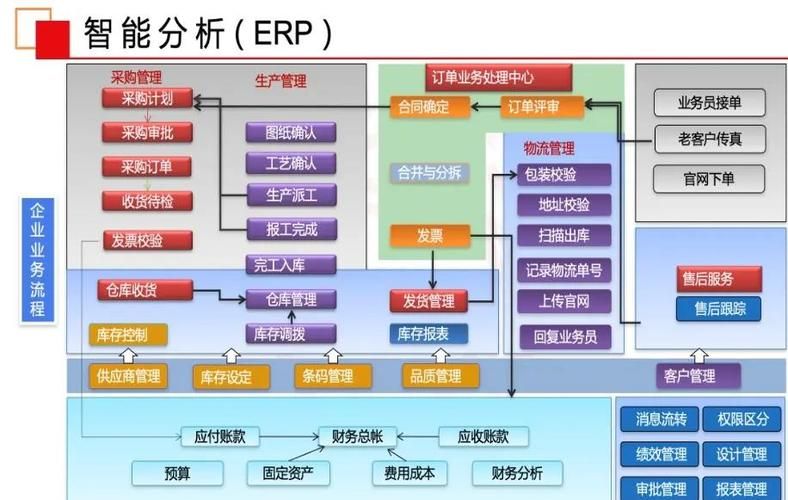
Elements of knowledge transfer in erp implementation
Knowledge transfer in the implementation of erp refers primarily to the transfer and integration of hidden knowledge between the knowledge provider and the enterprise. The presentation of knowledge transfer elements in the implementation of erp focuses on three main areas, namely: the knowledge transfer cycle process in which the enterprise's governance and staff learn and study in depth the extraordinary business processes of the enterprise, the industry; the knowledge transfer cycle process in which the common governance logic and governance thinking of erp software are learned and understood; and the knowledge transfer cycle in which the application techniques of erp software are accumulated, knowledge innovation and knowledge dissemination。
However, the transfer and integration of tacit knowledge is not central to the work being done in the implementation of the erp, but is a difficult task. The purpose of the erp implementation is to make the erp system responsive to the needs of the user and, in turn, to make the user fully familiar with and exploit the enormous potential of the erp system. However, since implementing enterprises often lack experience with the application of the erp system, they must rely on the visible experience and knowledge developed over a long period of time by the erp software manufacturer and the erp project consultant to become familiar with and fully utilize the erp system. The more knowledge an enterprise lacks when it implements an erp, the more it demands the visibility of the knowledge. Clearly, the main element of knowledge transfer is the explicit knowledge of the knowledge provider, not its hidden knowledge. The commitment and realization of erp providers to the transfer of knowledge to users is primarily their explicit knowledge component. Their tacit transfer of knowledge can help them to complete the effective transfer of prominent knowledge。
While the knowledge content implemented by the erp includes the three-pronged knowledge systems involved in the project, the main orientation of the knowledge transfer implemented by the project is clear, namely, from the technology provider to the user. The reverse transfer of knowledge is primarily aimed at the effective implementation of knowledge transfer services in the main direction, and ultimately at assisting erp software manufacturers and project consultants to meet the needs of implementing enterprises。
However, the transfer of knowledge from technology to users is only the first step in the transfer of knowledge from the erp project. For users, knowledge transfer efforts, such as the initial absorption of external knowledge, and the reuse of knowledge, as well as the prevention of the accepted degradation of prominent knowledge, should be more integrated into the knowledge transfer component。
Factors influencing knowledge transfer in the implementation of erp
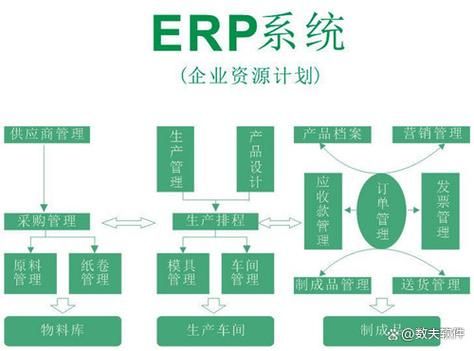
The key to knowledge transfer is the movement and application of knowledge, and the factors affecting knowledge transfer in the implementation of erp include three main aspects: first, knowledge-related aspects, second, motivation, and third, communication。
Knowledge-related aspects, including the relationship between providers and users in the implementation process, how they agree on knowledge, how they identify with it, and how users can accept it. Knowledge transfer requires frequent contact and interaction, and the relationship between the provider and the user in the implementation process has a significant impact on the provider's ability to transfer the required knowledge and the user's ability to learn and apply it. The more harmonious the relationship, the greater the recognition of knowledge, the greater the user's acceptability, the more successful the transfer of knowledge。
The motivations for knowledge transfer, including those of providers and users, are also an important aspect. In the course of implementation, the results of implementation may vary if the motivation of the perpetrator is different. For example, there are hopes for faster implementation and for slower implementation; some are aimed at creating a good background for further cooperation in the future, and others are aimed at maximizing economic benefits. In the implementation of erp, regulators need to use different ways to motivate different motivations to maximize the successful transfer of knowledge。
In the course of implementation, the consultants who communicated and those who could not communicate were completely different and the results obtained varied. If communication barriers exist between the provider and the user, the lack of a good exchange of information and consensus between the two will also have a significant impact on their relations. The smoother communication between the two sides, the more successful the transfer of knowledge。
Successful knowledge transfer is an effective guarantee for successful implementation of erp. Understanding the subjects involved in the implementation of the erp, the content of knowledge and knowledge transfer in the implementation of the erp, and the factors influencing the transfer of knowledge in the implementation of the erp can make enterprises more effective in their knowledge transfer efforts, promote successful implementation of the erp, and bring greater competitive advantages and economic benefits to the enterprise。









