


On april 26th, the shenzhen intermediate people's court of shenzhen issued a white paper on the state of judicial protection of intellectual property rights. It was to be hoped that the judicial protection of intellectual property rights would play a leading role in overcoming the challenges of intellectual property justice in order to safeguard and guarantee fair competition in a fair trial。
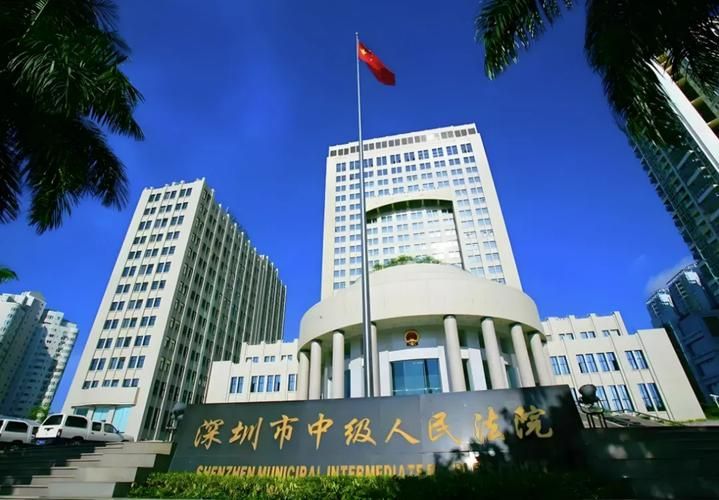
According to the white paper, between may 2012 and april 2013, the shenzhen municipal courts handled a total of 10637 cases of various types of intellectual property litigation, concluding 8,835 cases. The two courts, which function as civil, criminal and administrative courts, have received and concluded a number of major and typical cases, including apple, nokia, the united states interactive digital group, hua, chinese, chinese, chinese, queens, 100-degree and foreign-renowned enterprises and brands. Cases are difficult, professional and of high social interest。
The shenzhen court fully fulfils its criminal justice protection function in respect of intellectual property, correctly grasps the principle of proportionality and makes reasonable use of criminal sanctions, and seriously punishes all types of criminal acts relating to intellectual property in accordance with the law. 937 persons were convicted in accordance with the law. Of these, 297 were crimes of forgery and sale of false registered trademarks, 26 were offences of illicit manufacture and sale of registered trademark marks, 336 were offences against copyright, 344 were offences against trade secrets, 13 were offences against trade secrets and 2 were offences of illegal dealing (involving violations of intellectual property rights)。
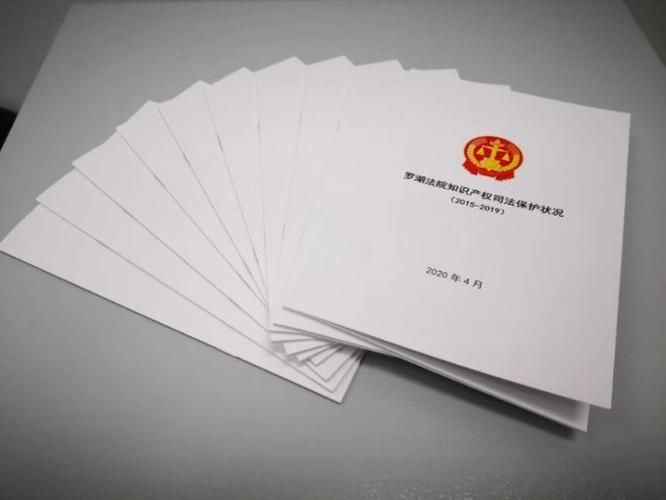
In the context of innovations in intellectual property justice mechanisms, the shenzhen court system has been steadily pursuing the shenzhen model of reform of intellectual property “triple” (civil, criminal and administrative), the establishment of the first internet civil dispute mediation centre in the country and the creation of an intellectual property “rights holder database”。
The strength of the shenzhen model lies in the fact that there is no need to change the geographical and hierarchical jurisdiction of the case in question, that the division of functions within the courts is harmonized, that there is no external adjustment of the courts involved and that the resistance to reform is minimized; and that professional intellectual property cases can be dealt with uniformly and centrally in a specialized judicial body, in accordance with their own characteristics and inherent norms。

To date, 162 copyright holders have been registered in the database, covering 18,900 video and video works, 2,600 print works, 1660 music works, 5640 pictures and 340 computer software sets. (concluded)









