


Jewelry maintenance
With the passage of time, it is particularly important to have access to the correct care method if it is to prolong its useful life and to make it new and radiant. Let's see what the experts say。
How can i avoid physical damage to jewellery?
1. In carrying out activities with a high level of physical activity, such as exercise, housework, physical work or physical exercise, avoid wearing jewellery in order to avoid damage。
2. Do not pull, press, fold, bathe or sleep. Crafts, if damaged, difficult to repair and difficult to restore to their original condition, must be treated with care. In particular, some institutional chains, such as snake bone chains, hard chains, stars, etc., cannot be restored after damage。
3. Take care of the order in which the jewellery is worn. They should wear jewellery after they have been dressed. So that the claws and locks of the jewels do not touch the clothes, thereby affecting the integrity of the stones. Check carefully before wearing it every time. For example, check whether diamonds or precious stones are embedded, whether metal surfaces are worn out, whether pearl chains are firmly tied, whether earring elasticity is reduced, and whether chained springs are flexible。
4. Jewelry shall be kept independently in jewellery boxes or transparent bags, avoiding friction between jewellery and scraping。
5. Proper wearing is a better way to maintain it. The jewellery shall be worn in such a way that it is changed or removed, depending on the person, the matter, the time, the place and the object。
How to avoid chemical damage to jewellery
1. To avoid swimming with jewellery, chlorine gas or sea water in the pool may also cause the jewellery to lose light, in addition to being easily lost。
2. It is recommended that, when washing hands, the ring should preferably be removed because the soap contains alkaline substances of varying degrees, so as not to cause damage to the precious stones as a result of their accumulation, and if the soap penetrates into the rings, it can affect the light and brightness of metals and stones。
3. Regular cleaning of jewellery is necessary. The option is to send the ornaments to a store where the cleaning service is specialized, or to wash them in the home, soak them in a mild cleaning agent, wash them with a soft brush, wash them with fresh water and then dry them with clean fabric。
L diamonds, colour treasure maintenance
Avoid touching chemicals
Diamonds, precious stones and accessories should avoid exposure to cosmetics, perfumes, hair sprayers, vinegar, juice, bleachers, paint fluids and chemicals containing elements such as lead and mercury, because chemical liquids make diamonds dark。
2. Watch out for oil pollution
Diamonds and precious stones are per se oily and do not wear drills when doing household chores. When wearing drills and when exposed to oil, please use the water to wash them, so that the diamonds do not fade。
3. Proper storage
Diamonds are the world's most hard natural material, and when they are placed together with other jewellery, they can easily be scraped by friction and should be stored independently in jewellery boxes or transparent bags。
4. No collisions
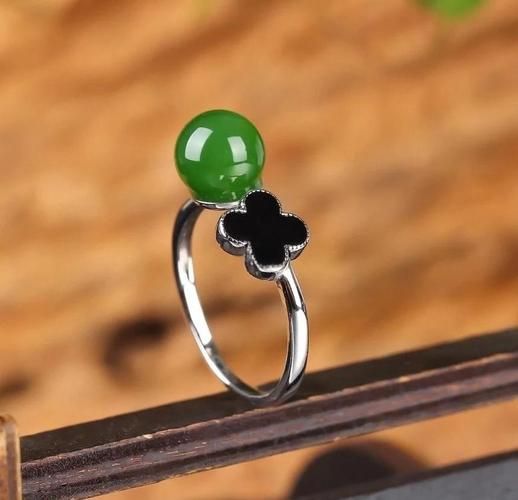
Diamond accessories are designed to avoid collisions and impacts. Diamonds, though hard and hard to grind, may also be damaged if hit hard in their texture direction, affecting the overall structure of the diamonds。
Cleaning and maintenance
(a) the oily nature of the diamonds and the fact that they can be worn in a dirty manner require regular cleaning in order to keep them as bright as possible。
(b) when cleaning at home on a day-to-day basis, the solidity of the diamonds must be checked, followed by a small amount of mild detergent in the hot water, and the drill must be immersed for a few minutes, washed with water and dried with clean soft cloth。
(c) diamond-coated jewellery, which should be checked periodically (recommended every three to six months) at the branded jewellery store to ensure its durability。
Maintenance of l pearls and other organic stones
1. Avoid touching chemicals that do not affect the light and colour of pearls or shelled organic stones, and avoid exposure to acid substances and chemicals such as sweat, vinegar, perfume, soap, water stereotyping, bleaching or seawater. 2. Carefully cooking with oil and smoke is not suitable for pearls. Because the smoke and the steam that come into contact can enter through the microgas hole of the pearl's surface, making it yellow. Due to the fact that the primary element of the pearl is calcium, its surface is less rigid and must be stored in separate jewellery boxes or transparent bags. Especially on hot days, pearls need to be wiped with soft towels and placed in jewellery boxes. Avoid exposure to rough materials in case of wear on the pearl surface。
4. Avoid direct sunlight to avoid direct exposure to organic stones, such as pearls, in the sun or in too dry a place to dehydrate and affect surface light. Prudence does not wash with water. Because water can enter a small hole in the pearls, it is difficult to dry up, and it can lead to bad silk. It is ideal to clean pearls with mineral water without a chain of jewellery, and to avoid the use of piped water, which contains chlorine and is susceptible to damage to the light on the surface of pearls。
Maintenance of jade stones
Avoid touching chemicals
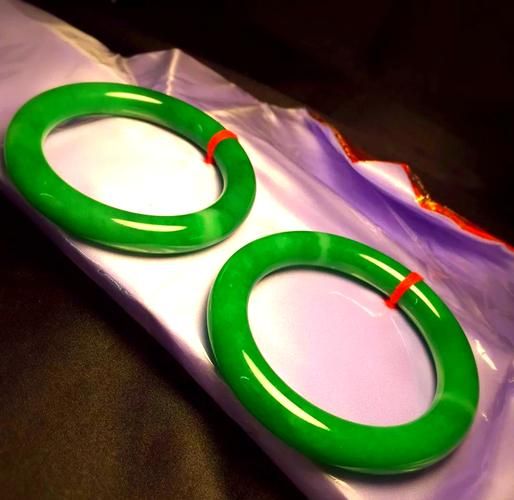
(c) avoid, to the extent possible, contact with perfumes and chemical fluids by jade jewellery in order to prevent erosion and affect the beauty and lightness of the jewellery。
2. Avoiding heat or exposure
Avoid heat sources, such as sunlight, stoves, etc., or overheating to avoid damage due to cooling。
Regular cleaning and maintenance
(a) use soft white cloth for routine cleaning, which, in order to avoid scratching, can help maintain and maintain the same。
(b) the jade-like jewellery should not collide with hard matter or fall, and should not be used in a soft, pristine jewellery box。
L metal-type jewellery maintenance (k gold, gold, platinum, silver)
1. Avoid touching chemicals such as k gold, gold jewellery to avoid exposure to cosmetics, perfumes, hair sprays, vinegar, bleaching, coating fluids and chemicals containing elements such as lead and mercury, as chemical liquids make k gold jewellery dark。
2. Refrain from wearing gold and, in particular, dyeing or burning hair, bearing in mind that the necklace or earring is removed first. Because of the chemical composition of dyes and hot water, it is easy to change the part of the gold that is connected to or attached to it, thereby undermining its overall beauty. 3. Do not wear long gold, k gold jewellery swimming, which can be exposed to chemical reactions to the surfaces of gold and k gold by chemicals in the pool or sea water. 4. The proper storage of k-gold jewellery, especially diamonds, should be independently stored in jewellery boxes or transparent bags, in order to avoid placing them together with other jewellery, especially diamonds, which may cause friction between them by their hardness. Gold platinum jewellery shall be separated from other accessories and stored in separate jewellery boxes or transparent bags to avoid touching or scratching. Do not wear platinum rings and gold rings on their adjacent fingers, which can be partially yellowed because of the powder of gold rubbed on each other. Gold, because of its softer metal nature, can be squeezed and deformed and should be squeezed and pulled as much as possible. Solid silver jewellery should preferably be stored independently in jewellery boxes or jewellery bags to prevent exposure of the silver surface to air and to oxidize to black. Plutonium is not readily chemical, and is resistant. However, if there are frictions between jewellery or contact with rough objects of the surface of platinum, it is easy to create scratches on the surface of platinum. Therefore, the wearing of platinum jewellery is avoided for domestic or physical behaviour to prevent collision injuries. 6. To prevent excessive temperature differentials due to the high heating rate of gold, when enjoying a steam bath, remember to remove the gold on the body so that the heat of the steam does not burn the skin through gold。
7. The best maintenance method for silver is often worn daily, since humans ' fats protect silver and give them natural light。









