


In vitro baby technology (ivf) is an assistive reproductive technique that obtains multiple eggs by promoting ovulation and, after in vitro fertilization in a laboratory environment, transfers embryos to the female uterus for fertilization. This technology has brought hope of childbearing to the infertility patients and, after years of development, is now quite mature。
During the ovulation cycle, doctors use drugs to stimulate multiple ovaries, thereby increasing the success rate of in vitro babies. In vitro fertilization of natural ovulations is carried out by monitoring the growth of the ovulation and hormone levels without the use of ovulcers. Although natural cycle in vitro babies can avoid drug-to-ovarian irritation and reduce the risk of multiple pregnancies, their success rates are lower than those that contribute to ovulation cycles。

During in vitro babies, two to three embryos are usually transplanted to the uterus to increase the chances of successful pregnancy. This has led to a significant increase in the chances of twins or multiple births. At present, the proportion of twins and multiple births per year among newborns globally has reached 20 per cent in some countries with high birth rates。
The birth of twins is undoubtedly a welcome development for many families. However, the risk of pregnancy for twins or multiples cannot be ignored。
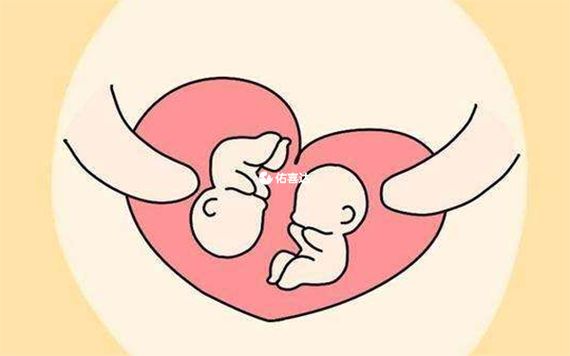
Although the arrival of twins is welcome, multiple pregnancies have certain health risks for both mothers and children:
Thus, after confirming multiple pregnancies, a patient with an in vitro baby should follow the advice of a reproductive doctor and perform the abortion if necessary. According to medical recommendations, the reduction of three or more births is necessary, and the reduction of two births to single births is recommended in order to reduce the risk of pregnancy。
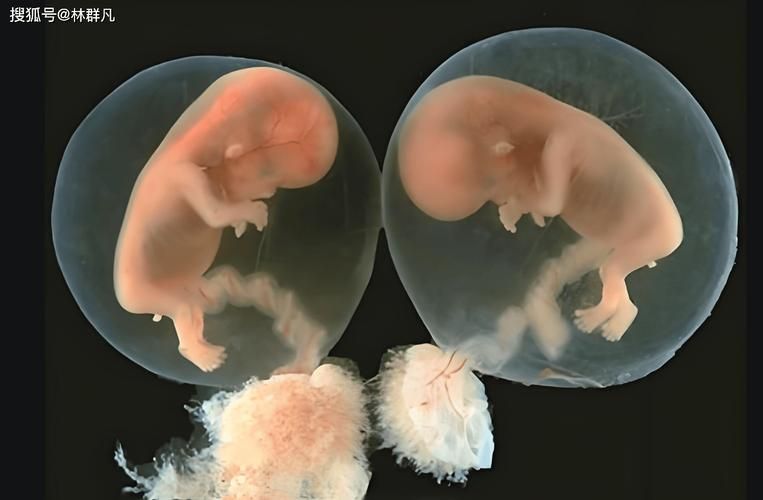
With advances in in vitro infant technology, scientists are studying ways to further increase the success rate of single-birth pregnancies in order to reduce the risk of multiple pregnancies. At the same time, the development of individualized ovulation programmes will help patients realize their reproductive dream in a safe environment。
In vitro infant technology offers hope for infertility, but while success rates are being pursued, the risk of multiple pregnancies needs to be addressed in order for scientific decision-making to ensure safe motherhood and motherhood。









