


Pregnancy is an exciting but challenging journey. This period has not only been marked by physical changes but also by psychological fluctuations. This paper will explore the various aspects of pregnancy and will help mothers-to-be get through this period。
I. Initial period of pregnancy (1-3 months)
1. Recognition of pregnancy

Often in the first month of pregnancy, many women experience early symptoms such as late menstruation, chest pain and fatigue. The home pregnancy test paper is an easy tool to confirm pregnancy and, if necessary, it is recommended to visit the hospital as soon as possible。
2. Physical change
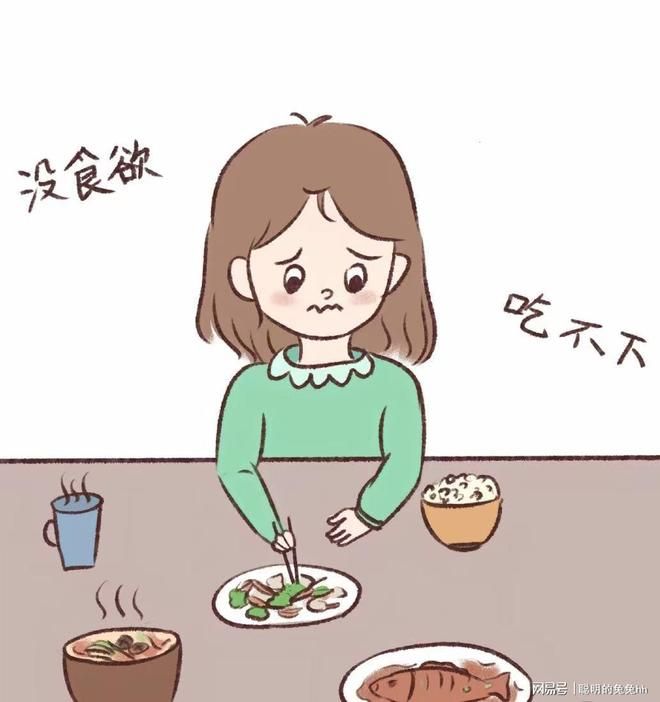
In the early stages of pregnancy, hormonal levels in the body have risen rapidly, with the potential for nausea, vomiting and sleeping addiction. While these symptoms are usually mitigated after 12 weeks, initial physical discomfort requires special attention。
3. Nutritional intake
It was important to maintain a balanced diet. Ingestion of folic acid should be increased early in pregnancy to reduce the risk of foetal neural tube defects. This can be obtained through appropriate supplements and additional eating of green leaves, vegetables, beans and nuts。
4. Psychological preparation
Psychological preparation is equally important. For women who are about to become mothers, there may be stress in the face of advice and expectations from relatives and friends about pregnancy. The search for support systems, such as family, friends or professional counsellors, is then a good option。

Medium-term pregnancy (4-6 months)
1. Physical adaptation
During the middle of pregnancy, many pregnant women feel that they are gradually adapting to pregnancy. Disgusting conditions are beginning to decrease, stomachs are rising and emotions are stabilizing。
2. Periodic check-ups
Regular prenatal check-ups during this period are essential, including ultrasound screening, diabetes screening, etc. These examinations ensure normal development of the foetus and timely identification of potential problems。
Nutritional balance
In the middle of pregnancy, emphasis should be placed on ingestion of sufficient nutrients such as protein, calcium and iron. Food such as poultry, fish, beans and dairy products can be selected to ensure healthy growth of the foetus. At the same time, the appropriate increase in exercise has helped to improve the quality of the body。
Psychological adjustment
During this period, many mothers-to-be began to feel the feeling of motherhood, creating a strong desire to protect the foetus. At the same time, it is an important moment in anticipation and preparation for a new life with partners。

Iii. Late pregnancy (7-9 months)
1. Physical preparation
In the late stages of pregnancy, the pregnant woman's stomach becomes more visible, the burden on the body increases, and problems such as oedema and back pains are prone. At this point, appropriate rest and rest campaigns, such as yoga for pregnant women, can alleviate discomfort。

2. Preparation for childbirth
It is important to learn about childbirth in preparation for childbirth. Access to childbirth courses to understand the steps and possible circumstances of childbirth can help mothers-to-be to increase confidence and reduce fear of unknown。
3. Choice of childbirth
Discussions with doctors on the method of delivery are a crucial step. The advantages and disadvantages of natural childbirth and caesarean section should be chosen on the basis of their own circumstances and medical advice。
4. Psychological adjustment
As the day of delivery approaches, the mood of the mother-to-mother may fluctuate, be anxious or excited. Reasonable psychological guidance and communication with partners can be effective in reducing anxiety。
Question answers
Is it possible to exercise during pregnancy
Appropriate exercise is beneficial to pregnant women, helping to maintain body shape, relieve stress and promote blood circulation. However, high-intensity, intense sports should be avoided and low-intensity aerobics such as walking and swimming should be recommended。
2. What food should be avoided during pregnancy
Pregnant women should avoid raw food, uncooked meat, seafood and caffeine and alcohol-containing food. In addition, food intake of high sugar, salt and fat is minimized to maintain healthy weight。
3. How to deal with pregnancy anxiety
In case of pregnancy anxiety, the mother-to-be can try to relax by breathing deep, meditation, yoga, or join the support group for pregnant women to share experiences and feelings with other mothers-to-be。

Summary of pregnancy
Pregnancy is a beautiful and complex process, and mothers-to-be need to focus on their health and maintain a positive psychological state. Whatever the challenges, it is important to maintain an open mind, accept physical and emotional changes and seek help and support in a timely manner。
Through a proper diet, a moderate exercise and a good mindset, mothers-to-be are able to successfully survive pregnancy and meet new life in the near future. Early preparation and respect for self and the needs of the foetus, both physically and psychologically, are key to success during pregnancy. It is hoped that every mother-to-be will enjoy this special journey and reap happiness and happiness。









