


Outline of the examination for " fundamentals of the financial market " (2023)
Financial market system
Section i. Financial markets overview
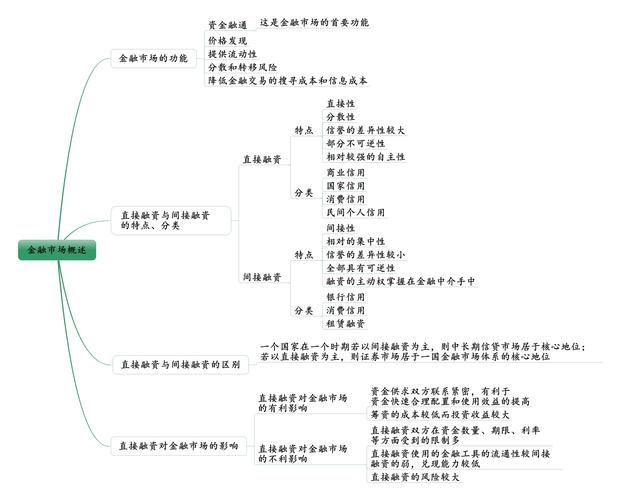
Mastering the concept of financial markets; familiarity with the classification of financial markets; understanding the importance of financial markets; mastering the functioning of financial markets。
Knowledge of the concepts, characteristics and classifications of direct financing and indirect financing; familiarity with the distinction between direct financing and indirect financing; familiarity with the impact of direct financing on financial markets。
Section ii. Global financial markets
Knowledge of global financial market formation and trends; understanding of international financial flows; familiarity with key players in the global financial system。
Knowledge of the main organizations of the international financial regulatory system。
(c) understanding the financial market structure and financial regulatory characteristics of the major countries and regions represented by the united kingdom, the united states and hong kong。
Chapter ii china's financial system and multilayered capital markets
Section i. China's financial system
To understand the history of the development of our financial markets since the establishment of the state; to be familiar with the current state of development of our financial markets; and to be aware of the main factors affecting the functioning of our financial markets。
Understanding the composition of the financial intermediation system; mastering the operations of the main financial intermediaries, such as commercial banks, securities companies and insurance companies; learning about the basics of our banking, securities, insurance and trust industries; familiarizing ourselves with the regulatory framework of our financial markets; understanding the duties of the “one-size-fits-all” system; understanding the requirements of the real economy of financial services; and understanding the policies of financial security and stability。
Knowledge of central bank operations (balance sheet) and key functions; familiarity with the concept of deposit reserve systems and currency multipliers; mastery of monetary policy concepts, measures and objectives; mastery of monetary policy instruments and their rationale; familiarity with monetary policy transmission mechanisms。
To learn about the background and main policy measures of the opening up of our financial sector to the outside world; to learn about the practical measures of opening up our banking, securities, insurance and capital markets to the outside world。
Section ii. Multilevel capital markets in china
Mastering the stratification of capital markets and their intrinsic logic; mastering the main elements, structure and meaning of china's multi-level capital markets。
(c) proficiency in the definition, characteristics and functions of the market in the field; familiarity with the definition, characteristics and functions of the off-site market; familiarity with the concepts and characteristics of the master board, entrepreneurship board, science board; familiarity with the concepts and characteristics of the national system for the transfer of shares of small and medium-sized enterprises (smes) and the north house; familiarity with the concepts and characteristics of the private fund market, the regional equity market, the voucher counter market, the inter-agency private offer and service system。
Knowledge of the policy context in which we have established and piloted the system of registration; familiarity with the type of enterprises and industry areas of the priority services of the institute; familiarity with the system of rules of the system of science of the institute; and mastering of the listing conditions and indicators of listing of the institute。
Knowledge of the context and positioning of entrepreneurship reform; familiarization with the system rules system for entrepreneurship reform; understanding of the differences between entrepreneurship and science creation boards as a result of entrepreneurship reform; substantive differences between ownership and approval。
Chapter iii
Section i issuers of securities
(c) mastering concepts, modalities and characteristics of securities market financing activities。
Knowledge of the concept and classification of issuers of securities; familiarity with the manner and characteristics of direct financing by government and government agencies; familiarity with the manner and characteristics of direct financing by enterprises (companies); familiarity with the means of first-time financing and refinancing by companies listed in our country; and the characteristics of direct financing by financial institutions。
Section ii. Securities investors
Mastering the concept, characteristics and classification of investors in the securities market; understanding the structure and evolution of investors in our securities market。
Mastering the concepts, characteristics and classifications of institutional investors; familiarizing themselves with the role of institutional investors in financial markets; familiarizing themselves with the concepts, characteristics and classifications of investors in the government sector; mastering the concepts, characteristics and classifications of investors in the financial institution category; familiarizing themselves with the concepts and characteristics of qualified foreign investors and investors in institutions in the qualified territory; mastering the concepts and characteristics of human investors in business and business law; mastering the concepts, characteristics and classifications of investors in the fund category。
Mastering the concept of individual investor; familiarization with the risk characteristics of individual investor and the suitability of the investor。
Section iii. Securities intermediaries
Mastering the definition of securities firm; learning about the development of securities companies in our country; mastering the regulatory regime of securities companies in our country and their specific requirements; mastering the type and content of their main operations; and understanding the internationalization of securities company operations。
Proficiency in the types of securities services; knowledge of the content of securities services to be filed by accounting firms, law firms and institutions engaged in asset assessment, credit ratings, financial consultants, information technology systems services; familiarity with the management of securities investment advisory bodies; mastery of the location and operations of our securities finance firm; familiarity with the legal responsibilities of securities services and market access; and management of the services of securities finance firms in transit。
Section iv self-regulatory organizations
Mastering the definition, characteristics and main functions of the stock exchange; familiar with the form of organization of the stock exchange; knowledge of the course of development of our stock exchange。
Proficiency in the nature and purpose of securities associations; knowledge of the history of securities associations; familiarity with the responsibilities of securities associations。
Familiar with the conditions for the establishment and main functions of the securities registry clearing company; familiar with the registration settlement system of the securities registry clearing company。
Section v. Investor protection agencies
Mastering the origin, use, supervision and management of securities investor protection funds; familiar with the meaning and responsibilities of chinese securities investor protection fund companies。
To understand the significance of the centre's establishment; to become familiar with its responsibilities and main operations。
Section vi. Securities regulators
(c) to be familiar with the meaning and principles of securities market regulation, the objectives and means of market regulation; to have control over the regulatory system of our securities market; to have control over the securities regulatory bodies of the state council and their composition; and to be familiar with the duties and powers assigned to securities regulatory bodies under the securities act。
Chapter iv
Section i. Summary of equities
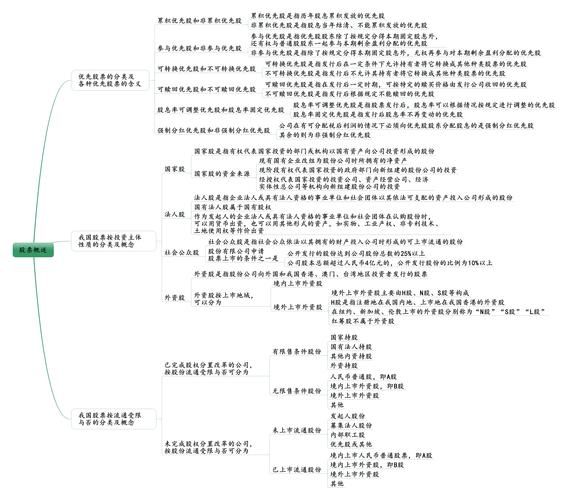
Knowledge of the definition, nature and characteristics of stocks; familiarity with the differences and characteristics of common and special stocks, registered and bearer stocks, nominal and non-denominated stocks; and equity-related capital management concepts, such as equity policy and stock changes。
Ownership of the rights and obligations of ordinary shareholders; control of the order of distribution of profits of the company, terms of distribution of dividends, principles and conditions of distribution of surplus assets, order; familiarity with the concepts of significant shareholder participation in decision-making, rights in proceeds of assets, distribution of surplus assets, preferential rights, etc。
Knowledge of the definition, characteristics of priority shares; understanding of the meaning of the issue or investment priority shares; understanding of the comparison of priority shares with the products of the common stock, bonds and other stock mix; understanding of the classification of priority shares and the meaning of the various priority shares。
Knowledge of the classification and concepts of our stock by the nature of the main investment; familiarity with the concepts of b, h, n, s, l, red。
Section ii. Stock issues
To be familiar with the concept of the stock distribution system; to be aware of the evolution of the stock distribution system in the country; to master the concepts and characteristics of approval, approval and registration; and to master the concepts of sponsorship and underwriting。
(a) the conditions for first-time public distribution of shares; the requirements for the issuance of shares by listed companies; the pricing and distribution of first-time public issuances; and familiarity with the manner in which listed companies issue shares; know about the rules governing the public distribution of shares to non-specified qualified investors at the north exchange, the issuance of shares to companies listed at the north exchange; rules governing the return of fraudulently issued listed shares。
Special regulations for ownership of the stock-release system and the creation of the market。
Section iii. Stock trading
Mastery of securities trading principles and rules of dealing; familiarity with the basic concepts and characteristics of doing business; familiarity with the basic concepts and operations of financing voucher transactions。
Mastery of securities accounts; mastery of the basic principles and requirements for the opening of securities accounts; knowledge of the concepts of securities trust and securities deposit management; knowledge of the content of our securities trust system; knowledge of the form of securities trust; mastery of the basic categories of trust orders; familiarity with the content of trust orders; familiarity with the procedures and procedures for entrusting orders; knowledge of the conditions and procedures for the cancellation of trust orders; mastery of the principles and manner of bid in securities transactions; knowledge of market stabilization mechanisms such as the increase or drop limit; knowledge of the types of transaction costs in securities trading; knowledge of the liquidation and delivery procedures for stock transactions; knowledge of non-trade transactions。
Proficiency in the concepts and functions of the stock price index; knowledge of the steps and methods of preparing the stock price index; familiarity with the country's main stock price index; knowledge of the stock price index in the major stock markets of overseas countries。
• to familiarize themselves with the concepts and components of quantang, deep harbour and quantang; to understand the relevant provisions concerning the range of shares and the level of investment; and to understand the differences between quantang and quantang。
Know the special rules for creative trade。
Section iv. Valuation of equities
Knowledge of the concepts and linkages of book value, book value, liquidation value, intrinsic value; familiarity with the theoretical and market price concepts of shares and the direct causes of stock price changes; understanding of factors affecting stock price changes; and understanding of basic, technical, quantitative analysis concepts。
Knowledge of the concepts of time value, compound interest, present value, discount; familiarity with the factors affecting the value of equity investments; absolute and relative valuation methods for equities。
Chapter v bonds
Section i. Overview of bonds
Knowledge of the definition, face elements, characteristics, classifications of bonds; familiarity with the similarities and differences between bonds and equities。
Mastery of the definition, nature and characteristics of government bonds; classification of central government bonds; knowledge of the variety, characteristics and differences of our public debt; mastery of the concept of local government bonds; familiarity with the subjects and classifications of local government bonds; and knowledge of the issuance of our national bonds and local government bonds。
Knowledge of the definition and classification of financial, corporate and corporate bonds; knowledge of the variety and regulation of our financial bonds; familiarity with the meaning of various corporate bonds; familiarity with the similarities and differences between swapable and convertible bonds; and knowledge of the variety and regulation of our corporate debt. Are familiar with the differences between our corporate and corporate bonds。
Knowledge of the definition, characteristics and classification of international bonds; familiarity with the concepts, characteristics of foreign and european bonds; overview of the issuance of our international bonds。
Knowledge of the definition and classification of asset securitization; familiarity with participants in asset securitization; familiarity with specific operational requirements for asset securitization; familiarity with the concept and classification of asset-backed securities; familiarity with the main products of asset securitization; understanding of the economic drivers of asset securitization; and knowledge of the development history of asset securitization in the country。
Section ii. Bond issues
Mastering the manner in which our national debt is issued; familiar with the procedures for the administration of national debt in the form of bookkeeping and voucher; familiar with the price of the sale of the national debt and the factors influencing the price of the sale of the national debt。
Know the differences and differences between the issuance of local government bonds by agents of the ministry of finance and the self-financing of local governments。
It is familiar with the conditions for issuing financial bonds, filing documents, operating requirements, registration, trusteeship and payment requirements; it is familiar with the concept of sub-debts, the method of collection; it is familiar with the concept of mixed capital bonds, the method of collection。
To be familiar with the basic conditions for the issuance of corporate bonds and corporate bonds in our country, the circumstances in which funds are raised and no reissuance is permitted; to be familiar with the design requirements of the terms for the issuance of corporate bonds and corporate bonds。
Knowledge of the rules for the registration of short-term and medium-term business vouchers, the organization of the carry-over; familiarity with the characteristics of a pool of small and medium-sized non-financial enterprises, the scale of issuance requirements, debt service guarantees, rating requirements, investor protection mechanisms。
• proficiency in the terms and conditions of issue of securities firm bonds; knowledge of the conditions for issuance of securities firm sub-bonds; knowledge of the filing procedures for issuing securities firm bonds, the content of the application documents; familiarity with the institutional arrangements for listing and trading securities firm bonds。
(c) to be aware of the relevant provisions relating to the issuance and acceptance of rmb bonds by international development agencies。
Section iii bond transactions
Mastering the basic concepts of bond spot transactions, buy-back transactions, forward transactions and futures transactions; familiarizing himself with the processes and differences of bond spot transactions, buy-back transactions, forward transactions and futures transactions; mastering the main manner in which bonds are quoted; familiar with the concepts and regulations governing the opening of bonds, transactions, liquidations, collections and related provisions; familiarizing himself with the relevant provisions for bond registration, trusteeship, payment and interest payments。
Knowledge of the definition and content of bond ratings; procedures for understanding bond ratings; familiarity with rating criteria and key elements of bond ratings。
Knowledge of developments in the interbank bond market, the exchange bond market and the commercial bank counter market; familiarity with how the interbank bond market deals with the exchange bond market, how it is hosted and how it is settled; familiarity with the definition and terms of the bond market's transfer to custody; and understanding of the bond market connectivity and open-door policies。
Section iv. Valuation of bonds
Familiar with the underlying principles of bond valuation; familiar with the underlying factors influencing bond value; knowledge of bond prices and actual payments; knowledge of the valuation pricing of zero-interest bonds, interest-bearing bonds, interest-bearing bonds; knowledge of the concepts of current rate of return, maturity rate, spot rate of interest, holding rate, foreclosure rate; familiarity with the elements of convertible corporate bonds。
Understanding the concept of the risk structure and duration structure of interest rates。
Chapter vi portfolio investment funds
Section i. Overview of portfolio investment funds
Mastering the concepts and characteristics of equity investment funds; mastering the differences between funds and equities and bonds; mastering the concepts and differences between contractual and corporate funds, closed funds and open funds; familiarization with the concepts of equity funds, bond funds, hybrid funds, money market funds; familiarity with the differences between public and private funds; mastering the concepts, characteristics of exchange-trade funds and open-market funds; familiarity with the concepts of special types of funds; to obtain an overview of the origin of equity investment funds and the development of the global portfolio investment fund industry; an overview of the development of our portfolio investment fund。
Section ii. Functioning and business processes of the portfolio investment fund
Familiarization with the functioning of our securities investment fund; familiarity with the market participants of the fund; familiarity with the conditions to be met by the proposed fund; familiarity with the fund's collection procedures; familiarity with the fund's subscription procedures, the method of subscription, the rate of subscription and the fee model; familiarity with the concept of open fund requisitions, foreclosures; familiarity with the distinction between subscriptions and requisitions; familiarity with the principles of requisitions, foreclosures; familiarity with the concepts of requisitions, foreclosures and sales service charges; familiarity with the rules and transaction costs of closed funds; familiarity with the concepts of open fund share conversion, non-transaction, trust and freezing。
Section iii valuation, costs and profit distribution of the fund
Familiarization with the concept of the valuation of the assets of the fund; understanding the importance of the valuation of the assets of the fund; familiarity with the factors to be taken into account in the valuation of the assets of the fund; familiarity with the relevant elements of the mechanism for the public collection of portfolio investment funds; familiarity with the principles for the valuation of the assets of the fund in my country; familiarity with the types of costs of the fund; familiarity with the criteria for the calculation of costs and the manner in which they are calculated。
Knowledge of the source of the fund's income, the manner in which profits are distributed; the principle of ownership of the distribution of profits from different types of funds; familiarity with taxes generated by the fund's own investment activities; familiarity with taxes collected by the fund's investors (including individuals and institutions) from investment funds。
Section iv administration of the fund
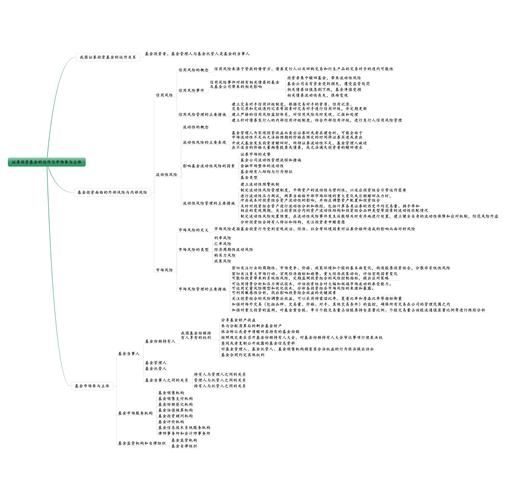
Knowledge of the fund's investment philosophy and investment style; mastery of the fund's investment management process; familiarity with key fund performance assessment methodologies。
Section v. Regulation and disclosure of the fund
To familiarize themselves with the meaning and role of the fund's supervision; to familiarize themselves with the regulatory bodies and self-regulatory organizations of the fund; to familiarize themselves with the regulatory content of the fund's institutions; to regulate the marketing activities of public funds; to regulate the conduct of investments and transactions of public funds; to familiarize themselves with the meaning and role of the fund's disclosure; to possess the prohibitions of disclosure of fund information; to familiarize themselves with disclosure of fund collection, disclosure of operating information and temporary disclosure of information。
Section vi private equity investment funds
Mastering the basic norms of private equity investment funds; understanding the differences between private equity investment funds and private equity funds; familiarity with private equity fund collection procedures and property investment requirements of private equity funds; familiarity with performance evaluation indicators of private equity investment funds and with differences from evaluation criteria of public equity investment funds; familiarity with the general normative requirements of private equity fund managers and practitioners; knowledge of disclosure of private equity funds; knowledge of requirements and processes for foreign business in private fund operations。
Section vii. Infrastructure for public education reits
(c) to become familiar with the basic concepts of infrastructure collection of reits; to learn about applications and confirmation of public collection of reits; to become familiar with the distribution, listing and trading of public collection of reits; to become familiar with the management and disclosure of operations of public collection of reits; to learn about risk management of public collection of reits; and to learn about compliance management of public collection of reits。
Chapter vii financial derivatives
Section i. Overview of financial derivatives
Mastering the concepts, basic features of derivatives; mastering the concepts and classification of financial derivatives in commodity groups; mastering the classification of financial derivatives。
To understand the dynamics, current state of development and trends in the development of financial derivatives; to be familiar with the development of the country's derivatives market; to be aware of the futures and derivatives act and its features; and to master the functions and functions of the financial derivatives market。
Section ii futures and options transactions
Mastery of the concept of commodity futures and their classification; familiarity with the basic state of our commodity futures market; mastery of the concept of commodity futures, classification of commodities and futures products listed on our futures exchange。
Mastering the concept and characteristics of financial futures and the distinction between them and forward transactions; centralization of financial futures, a deposit system, a no-debt settlement system, a warehouse limit system, a large-house reporting system, daily price fluctuations restrictions, a system of forced stowage, a system of compulsory reduction, etc.; mastering the type of financial futures; mastering the futures products listed on china's financial futures exchange and the rules governing their transactions。
The definition and characteristics of financial options; familiarity with the differences between financial futures and financial options; the classification of financial options; knowledge of the main risk indicators of financial options; familiarity with the financial options products listed on our stock and futures exchanges; and knowledge of off-site options。
Section iii. Forward and swap transactions
Mastering the concept and classification of financial forward contracts; mastering the concept and classification of financial swaps; familiarity with the earnings swap operations of securities firms。
Section iv. Other derivative instruments
Familiarization with the definition and advantages of certificates of deposit; understanding of the process by which national companies issue certificates of deposit abroad; understanding china's depository certificate (cdr); familiarization with the definition and classification of structured financial derivatives; understanding of the benefits and risks of structured financial derivatives。
Chapter viii financial risk management
Section i. Overview
Knowledge of three definitions of risk; understanding of the concepts and characteristics of financial risk; mastering of the content and objectives of risk management; familiarity with the concepts and characteristics of risk management strategies; and understanding of modern concepts of risk associated with financial products, investments and financial institutions。
Section ii. Basic framework for financial risk management
Knowledge of risk management processes; understanding of the organizational structure of risk management; familiarity with risk preferences and risk tolerance; understanding of the principles and concepts of risk limits, categories of risk limits; understanding of the chain of limit management; mastering of capital definitions and functions; familiarity with the main categories of capital; mastering of risk coverage and capital leverage rates; familiarity with the definition and criteria of stress testing, scenarios and methods of stress testing。
Section iii market risk management
Knowledge of the definition of market risk and different types of market risk; understanding of exposure of market risk to business; the rationale for sensitivity analysis in market risk measurement, volatility analysis and related indicators; familiarity with limits management in market risk response, valuation management, hedge management, performance and incentive management。
Section iv. Credit risk management
Knowledge of the concepts, content and constituent elements of credit risk; familiarity with counterparty credit risk; mastery of key credit risks faced by securities-type institutions; familiarity with the basic methods and concepts of traditional credit risk assessments and modern credit risk classical quantification models; familiarity with key indicator limits of credit risk control in securities-type institutions; familiarity with key measures of counterparty credit risk management; familiarity with key instruments and basic credit derivatives。
Section v. Liquidity risk management
Knowledge of the definition and classification of liquidity and liquidity risk; performance of portfolio-type agency liquidity risk; familiarity with measurement of portfolio company liquidity risk; understanding of liquidity risk measurement models; familiarity with liquidity risk management strategies and techniques。
Section vi operational risks, reputational risk management and other
Knowledge of the concepts of operational risk, reputational risk, country risk, strategic risk and systemic risk; familiarity with the classification, assessment and management of operational risk; familiarity with the sources, identification and management principles, methodology of reputational risk; understanding of the sources of strategic risk; understanding of country-specific risk, strategic risk, systemic risk management。
Section vii. Risk management practices of our securities companies
Experienced in the establishment and development of our securities firm risk management system; familiarized with the basics of risk management in our securities firm; acquired an overview of risk management in the risk management departments and subsidiaries of securities companies; and acquired basic features of corporate risk management policies and mechanisms, risk management information technology and risk culture building。









