



1 december 2020
It's world aids day 33
This year, our campaign is about
"to fight aids together, share responsibility for health."
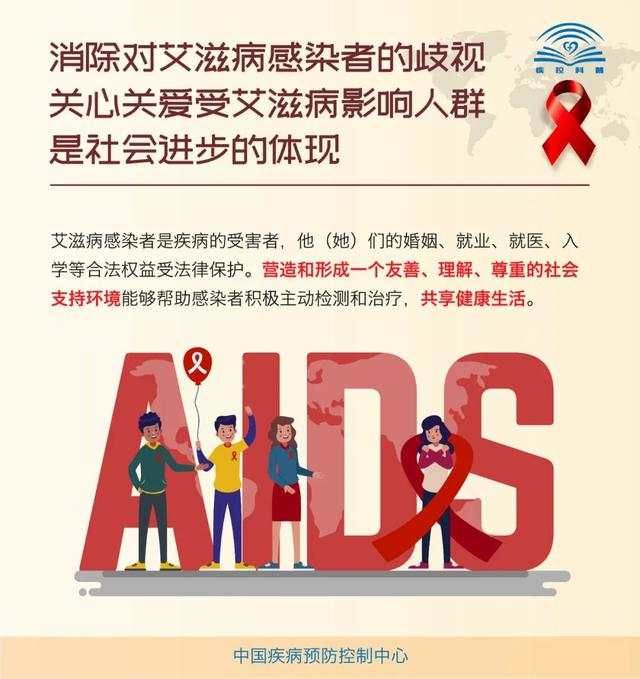
Aids threatens every human being and every family, and its prevention is the responsibility of society as a whole. It is an infectious disease with high levels of mortality and is currently incurable and vaccine-free. We may wish to begin by learning and acquiring basic knowledge of aids as a first step in its prevention。
What is aids?
Aids is a serious infectious disease with a high rate of morbidity and mortality, and its full medical name is acquired immunodeficiency syndrome (aids). This name expresses three definitions:
First, accessibility: an indication that the causes of the disease are acquired rather than acquired, and that they are infectious diseases caused by hiv
(b) second, immuno-deficiency: mainly because the virus causes damage to the human immune system, the protective function of the immune system is reduced and lost
Thirdly, syndrome: indicates complex symptoms associated with multiple systems of opportunistic infections and tumours due to immuno-deficiency in clinical symptoms。
What is the difference between infected and aids patients?
It takes time for hiv to reproduce when it enters the human body. In the initial phase, the immune function of those infected has not been severely compromised, and thus there are no obvious symptoms, and we call them hiv infected. When the immune function of the infected person is destroyed to a certain extent, the other strains take advantage of it and the infected person becomes aids-infected. From people living with hiv to people living with aids, it can take months to years, typically 8 to 10 years, up to 19 years。
How do healthy people get hiv
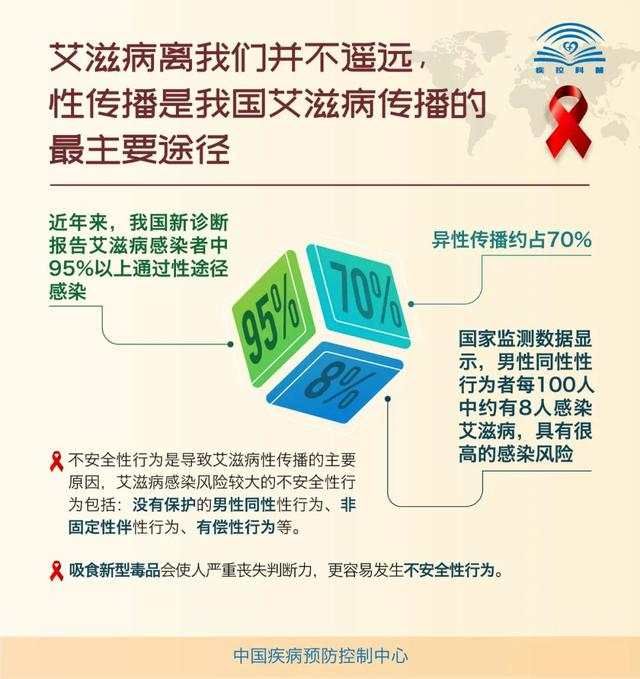
Aids is transmitted mainly through sexual contact, blood and mother-to-child transmission。
Is aids treatable?
Although aids is not cureable, it is treatable。
Aids should be treated in a timely and proactive manner, and pneumonia should be treated in a timely manner; the flu should be treated with urgency. Moreover, anti-viral treatments are available and, while not completely eliminating the hiv virus in the body, their reproduction can be effectively inhibited, thereby significantly increasing the longevity of people living with hiv。
Is it common daily contact with hiv infection?
Daily contact is not contagious with hiv。
The following actions do not spread hiv:
(1) handshakes, hugs, caressings, courtesy kisses with people living with hiv
(2) eating with people living with hiv, drinking drinks and sharing chopsticks and cups。
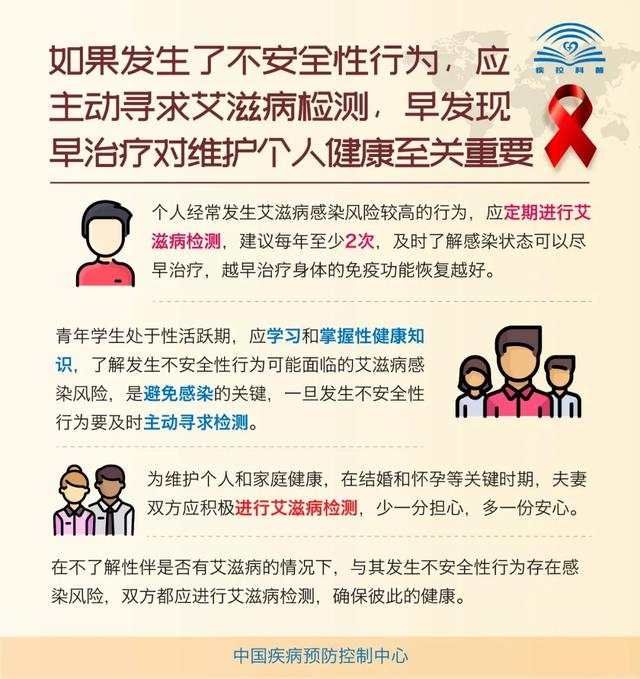
How can hiv transmission be prevented through sexual behaviour?
Prevention of hiv transmission through sexual behaviour requires safe sex。
One is that there is only one sex partner who is loyal to each other and who is not infected with aids;
Second is the correct use of condoms in every sexual life。
How does a drug addict become infected with hiv?
Drug users often share syringes and needles. If one of them is infected with hiv, the syringe will be contaminated and the virus will be transmitted through needles to other drug users. In addition, drugs reduce the health of drug users and increase the likelihood of hiv infection and morbidity。
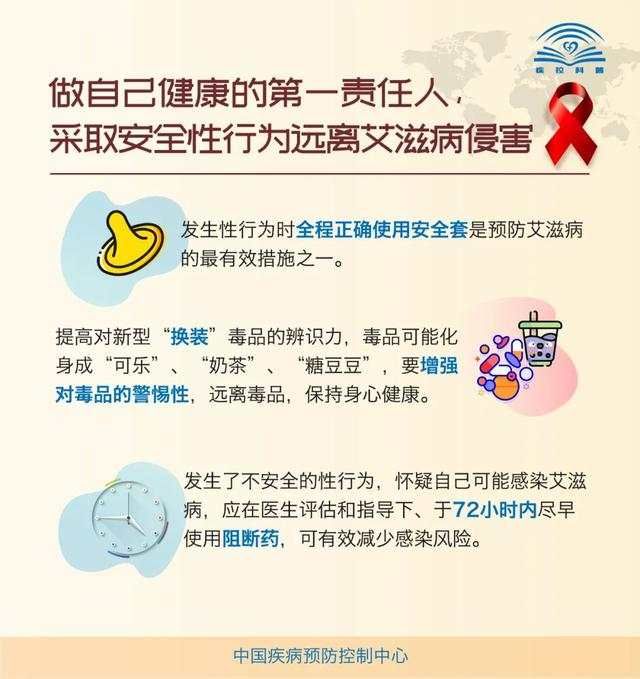
Under what circumstances do normal people have to be tested
It is not clear that the partner has been exposed to high-risk behaviour in the event of hiv infection; has been diagnosed with a sexually transmitted disease; has undergone unsterilized surgery, injection, acupuncture, tooth extraction, beauty, etc.; and has been exposed to unfamiliar blood in life。
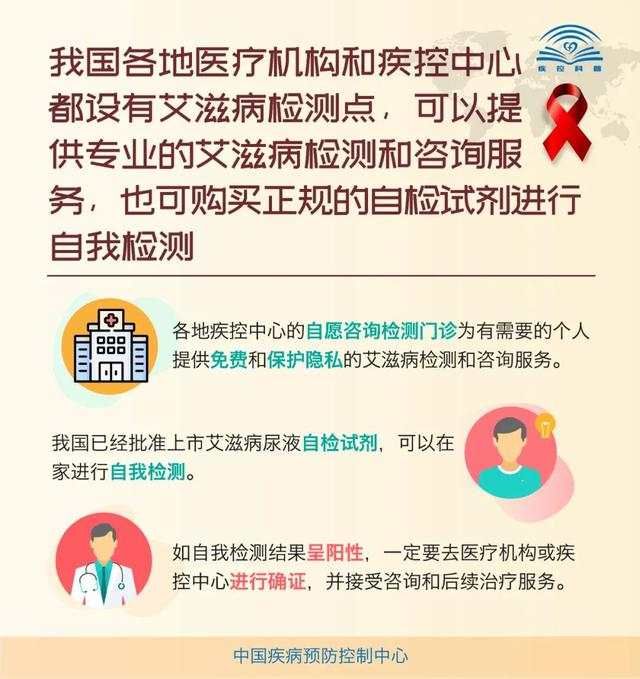
Where's the aids test
Hiv testing points are available in health-care institutions and cdcs throughout the country, providing specialized hiv testing and counselling services. Formal self-test doses can also be purchased for self-testing。
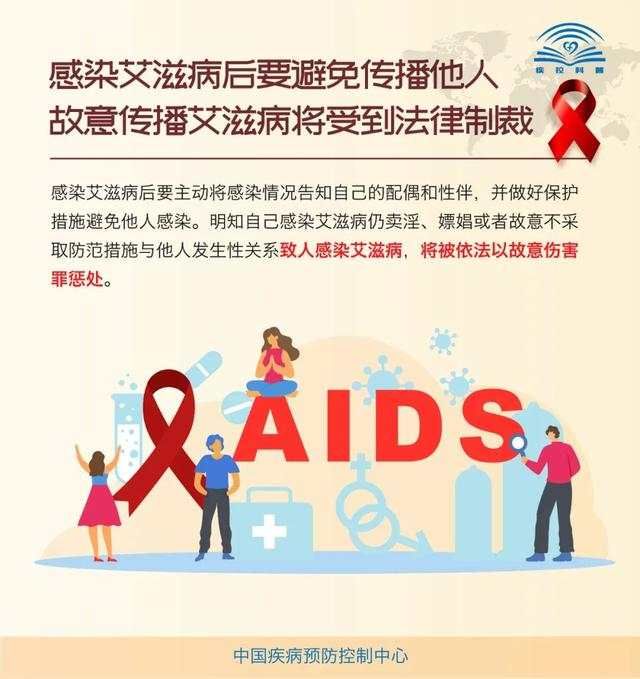
Laws and regulations
People living with hiv are also victims of aids and deserve understanding and attention, but the deliberate transmission of aids is immoral and legally responsible。
Aids, these rumors must be broken
Rumor 1: aids means death
The rumour is that aids has been available for treatment since 1987. Through reasonably effective antiviral treatment, infected people can reach a near normal life expectancy。
Rumor 2: mosquito bites spread hiv
The rumour is that mosquitoes are able to enter the next bite with very little “breed” in it, even if it contains a virus, which is too small to cause transmission。
Rumour 3: a dental infection
When looking at the teeth, there is no danger to the next patient as long as used equipment, equipment with blood or patient-scrutinizers are destroyed as required。
Rumour 4: can the anti-aids drug lopinavi/litonave prevent new coronary pneumonia
Rumours: in the national health commission's series of new coronary virus pneumonia diagnosis programmes, reference is made to “antiviral treatment with trial trial in lopinavi/litonave”. The expert reminded that lopinavi/litonave was a prescription drug, that “testing” did not mean that the public was free to use it, and that the efficacy and safety evidence remained to be further demonstrated。









