


Foreword
First of all, thank you equity friends for their support and recognition
It's a big deal. There's no expert here, only losers, winners! This article is a very comprehensive and systematic one, with the wisdom of previous generations and the advancement of the world, and most of it is a point of knowledge that has been proven in practice! Sharing it selflessly and wishing to meet more fortunate friends。
Before learning how to do business, i want to tell you something:
1. Learn to position themselves, whether it is technical or valuable. Many equity friends have fired shares for several years, and they don't know what they want. Why are they always bad stock? Because the two methods of stock-sharing are different in time and energy. Technically, the concept of time, discipline, etc. Is very demanding, and it is important to plan the timing of the drive, set up the cut-off, etc., and, above all, focus on hot spots and plate wheels, and follow the lead in a timely manner, otherwise the stock market will not change. Value-types require more basic skills, but they also need to test people's cognitive abilities, and there is a high risk that they will face a long-term decline in stock prices if the stock they hold will be substantially destroyed, so that they will be out of the game in a timely manner. In any case, whether it is technical or valuable, it is important to ask itself, before participating, how much of a decline can be sustained and what it is。
The institute looks at several important financial indicators. For example, the māori rate, net interest rate, revenue growth rate, gross profits, net assets per share, receivables, advance receipts, goodwill, etc. I usually look at these, and if it's a technology company, i look at the r & d costs. In short, these are vital data for the basics of the study. It can help us avoid the thunder。
3. The four basic works of the good quality prices (qg) theory, the line theory, the box theory, the form theory. This is a compulsory course in technical analysis, which i did not feel necessary before, but after several years of setbacks it became clear that these theories are truly valuable treasures. Not a few technical indicators can match。
4. Learning group management. Earlier, when i spoke more of the centralization of the bar, i found that it was difficult to grasp, not to say that it was not possible, that if you had a strong capacity to select shares and were an expert in value analysis, you could concentrate. It is recommended that you learn how to group management, create a silo system, not place eggs in a basket, and protect against sudden risk, which is meaningful for almost 100 per cent of equity friends. The combination means a basket of stocks, with one or two preferred industries, with a relative potential or a direct lead. You might ask if you want to do this with little money, and i think it's necessary。
5. Develop knowledge of the future and an understanding of value creation. It requires us to read, learn, observe and hear what the business elites are thinking and doing! When you learn more about the front line, you may be as quick as others to react right, which is quite important for stock-sharing。
It's starting to get to the point of knowledge
Selection unit
I. Locating investments first
Options for the growth unit:
It is important to have big markets and big incremental industrial opportunities。
2. Selection of value units:
It is important to choose a proven or well-known industry leader。
Ii. Stock selection techniques
Basic selection of shares (value selection tool) (value thinking)
(1) financial indicators
First of all, the typical theoretical model of value — the three-rate value。
Māori rate: reflecting the market competitiveness of the company's business, the higher the māori rate, the greater the likelihood that the company will be able to negotiate and be more competitive。
Net interest rate: the higher the net interest rate, reflecting the level of management of the company and its ability to save money, the greater the degree of efficiency and ability to save money。
Revenue growth rates: this reflects the market expansion capacity of the company's operations, which can be further understood as the extent of the market space, and the higher the rate of revenue growth, the greater the evidence that the company is expanding。
In general, the three-value ratio can sustain high growth in the long run, and equities can largely move out of the long-cow situation. And what standards are high growth? Using historical data or empirical values, it can be initially assumed that:
Māori > 25 per cent, net interest rate > 10 per cent, revenue growth rate > 10 per cent, to see if the last three to five years will be sustainable。
With this reference, we can quickly screen out good firms. You can try to find a company that can rule out more than 80%. Many of the bad equities, either run-down growth or low māori rates, let alone net interest rates, and the three-rate indicator is simply negative. So it's important that your friends learn this typical value analysis。
Next, there are a few financial indicators that also need our comprehensive reference:
Total profits: this indicator actually shows the wealth earned by companies. I usually ask companies to make at least $100 million a year, and if a listed company earns millions a year, less than an individual, it is not worth my tracking。
Net asset rate of return: i offer a general discount of less than 8 per cent for equities and a high rate of net asset return, which also shows that companies are financially capable and have high assets。
Net assets per share: the reference to this indicator is shrinking for the current financial statistical methodology. For example, some commercial equity net assets have been revalued and, as a result of the rise in land prices, their net assets will appreciate significantly, the problem being that such appreciation does not directly lead to an increase in corporate profits, at best “higher on paper”. All i care about is net assets that make money, that is, effective net assets. So the structure of net assets would be more reasonable。
Accounts receivable: in two cases, receivables that are recoverable; in another case, products that are not well marketed and are sold first and collected, care is taken that friends who have worked with the company know that such returns are not easy and, to some extent, the company is less competitive. I'll try to avoid a lot of accounts receivable。
Pre-payment: the better the better it is, the better it is, the better it is, the better it is, the better it is, the better it is, the better it is, the better it is, the better it is, the better it is, the better it is, the better it is, the better it is, the better it is, the better it is, the better it is, the better it is, the better it is, the better it is, the better it is, the better it is, the better it is, the better it is, the better it is, the better it is, the better it is, the better it is, the better it is, the better it is, the better it is, the better it is, the better it is, the better it is, the better it is, the better it is the better it is, the better it is, the better it is the better it is, the better it is the better it is the better it is, the better it is the better it is the better that it is the better that it is the better it is the better that it is the better that it is the better that it is the better that it is the better the better the advance payment, the greater the bargaining power of the company。
Turnover rate: the liquidity rate for listed companies, the fixed asset turnover rate and the total asset turnover rate reflect management's soft power, as if it were software (which could also be considered as empirical value, skills), a parameter for the future. The higher the turnover, the stronger the soft power。
(2) shareholder background
It may be clear in this regard that the stronger the shareholders, the more resources can be mobilized to support the development of the enterprise. No further details are provided here。
A really good company will have these good genes. We can use technical analysis to do some short-term or band operations on these good corporate shares, and the odds will increase dramatically. So to be a good shareholder, learning value analysis should be ahead of technical analysis。
Technical aspects unit — basic theory (k-line theory) (general skills in the application of basic assistive indicators)
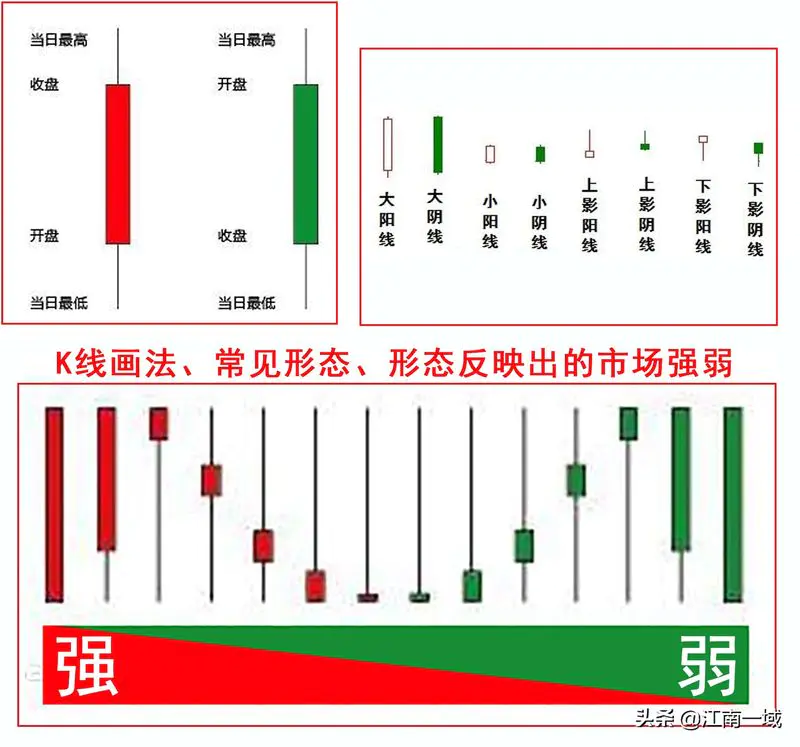
Meaning of k-line
(1) theoretical of quantitative price relationships (extreme version)
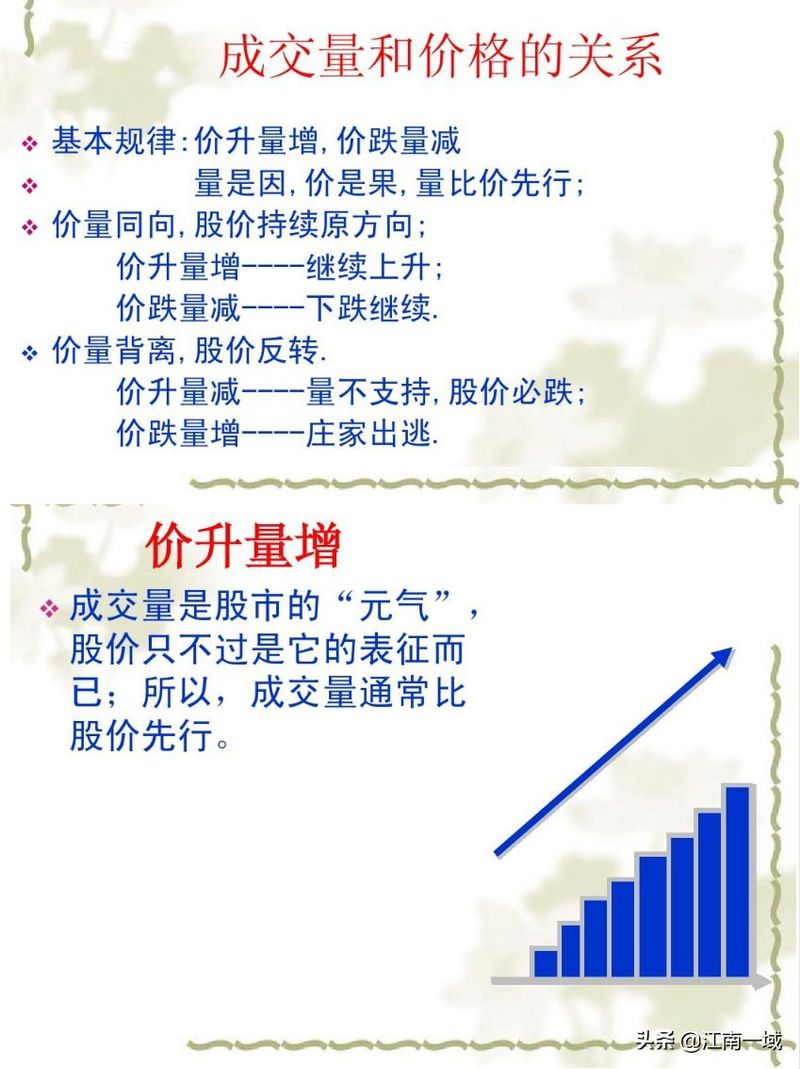
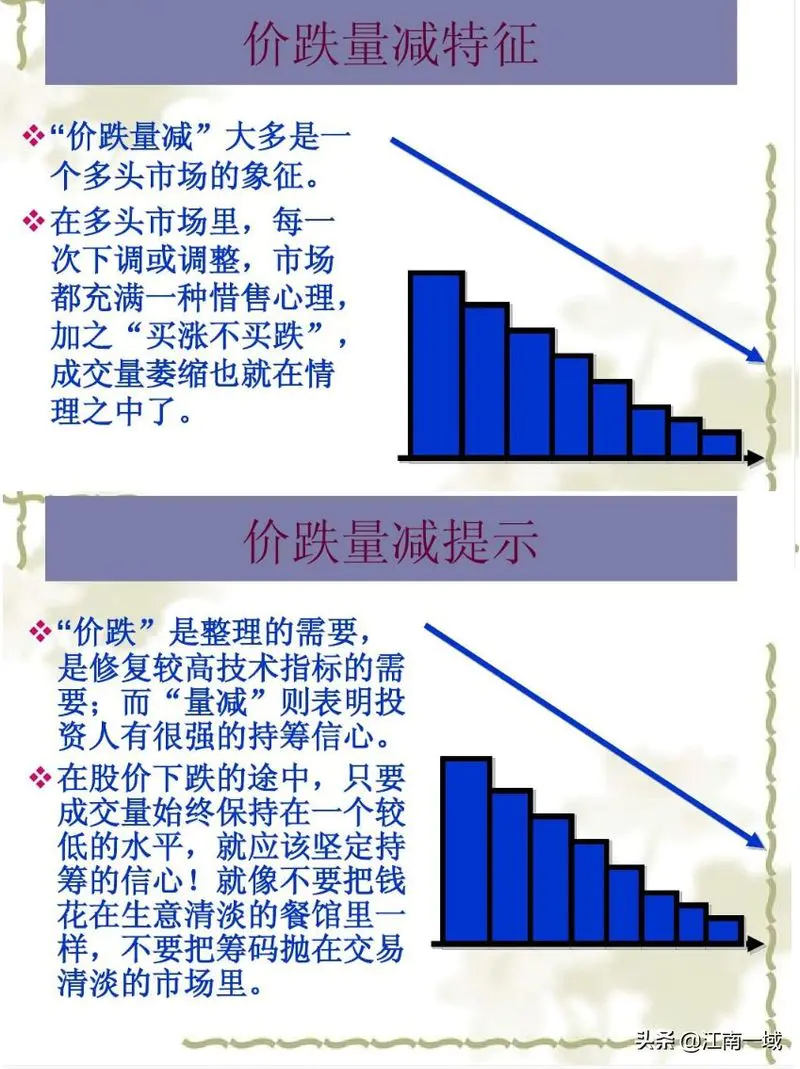
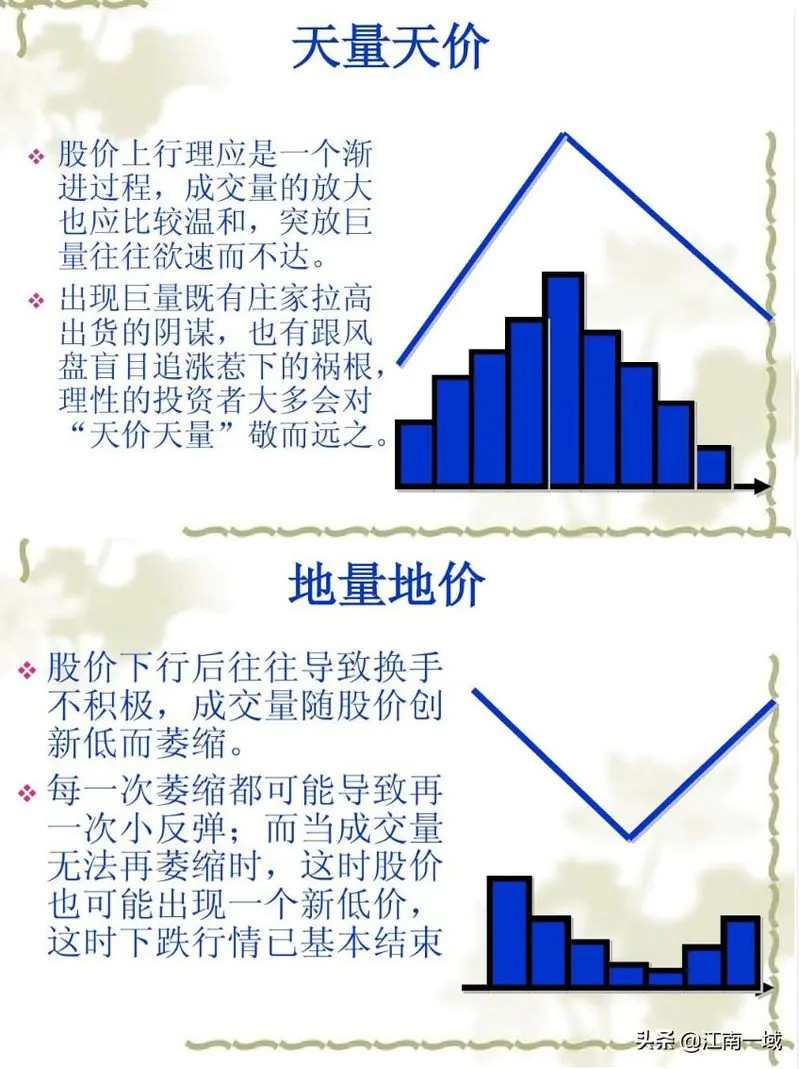
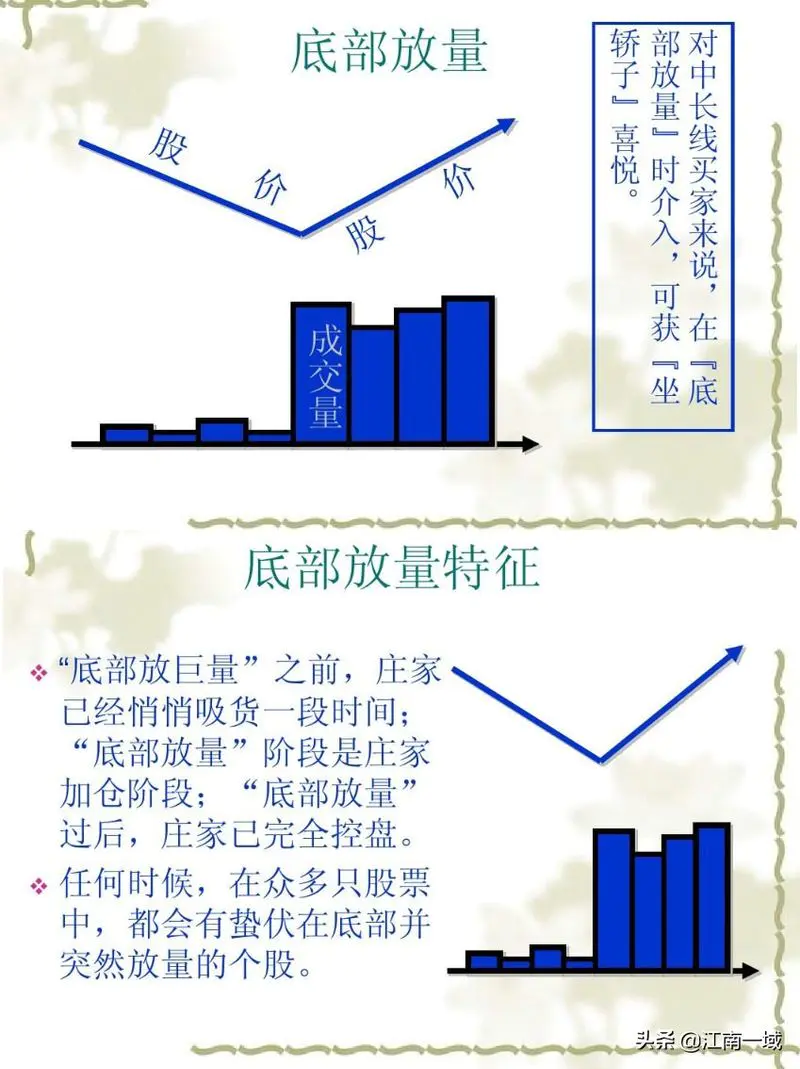
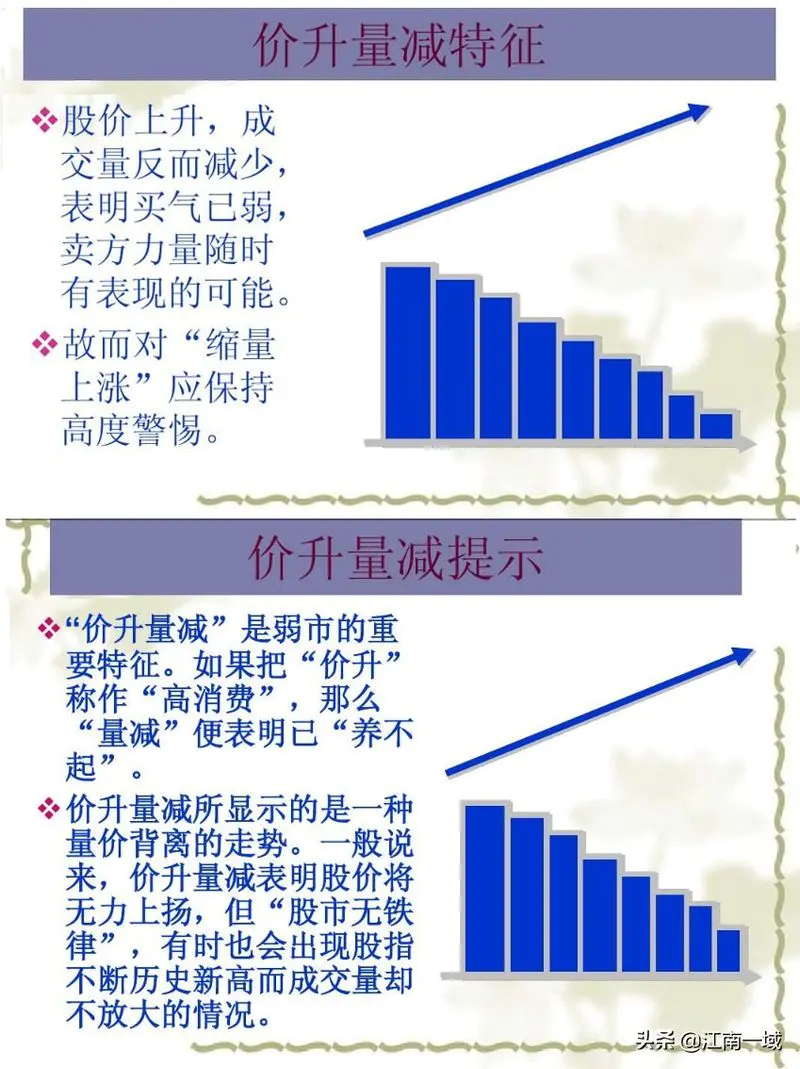
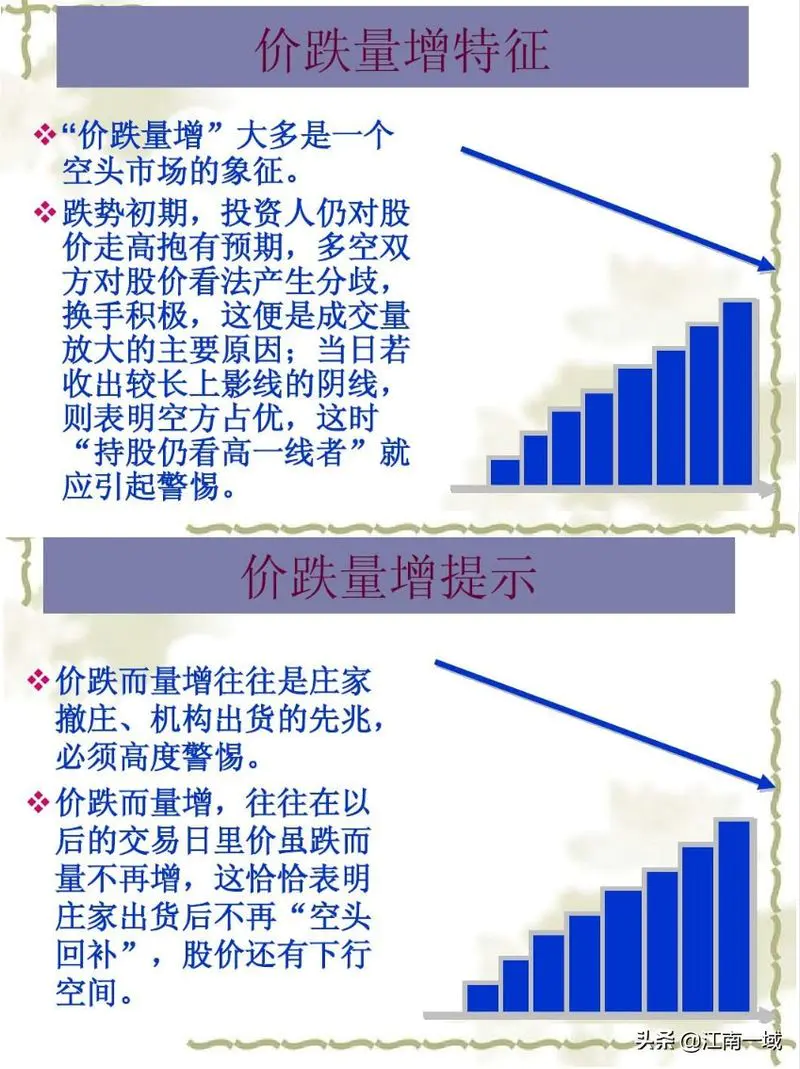
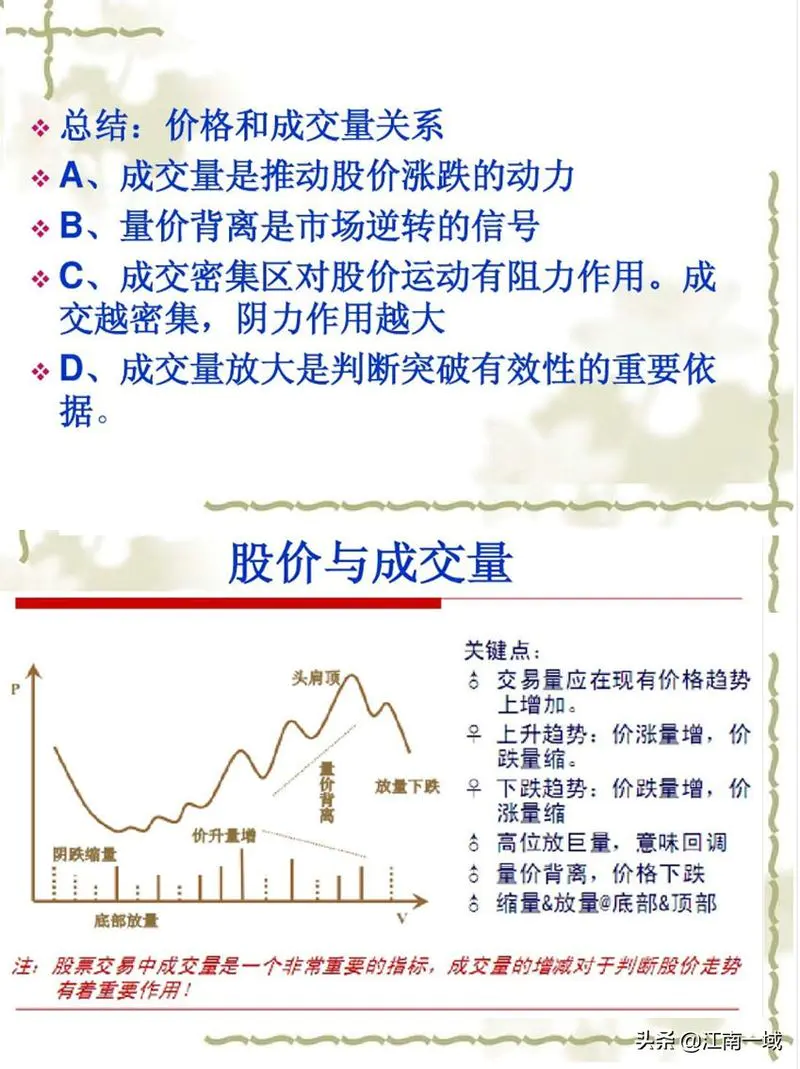
(2) theoretical (application) (peerline) (support line)
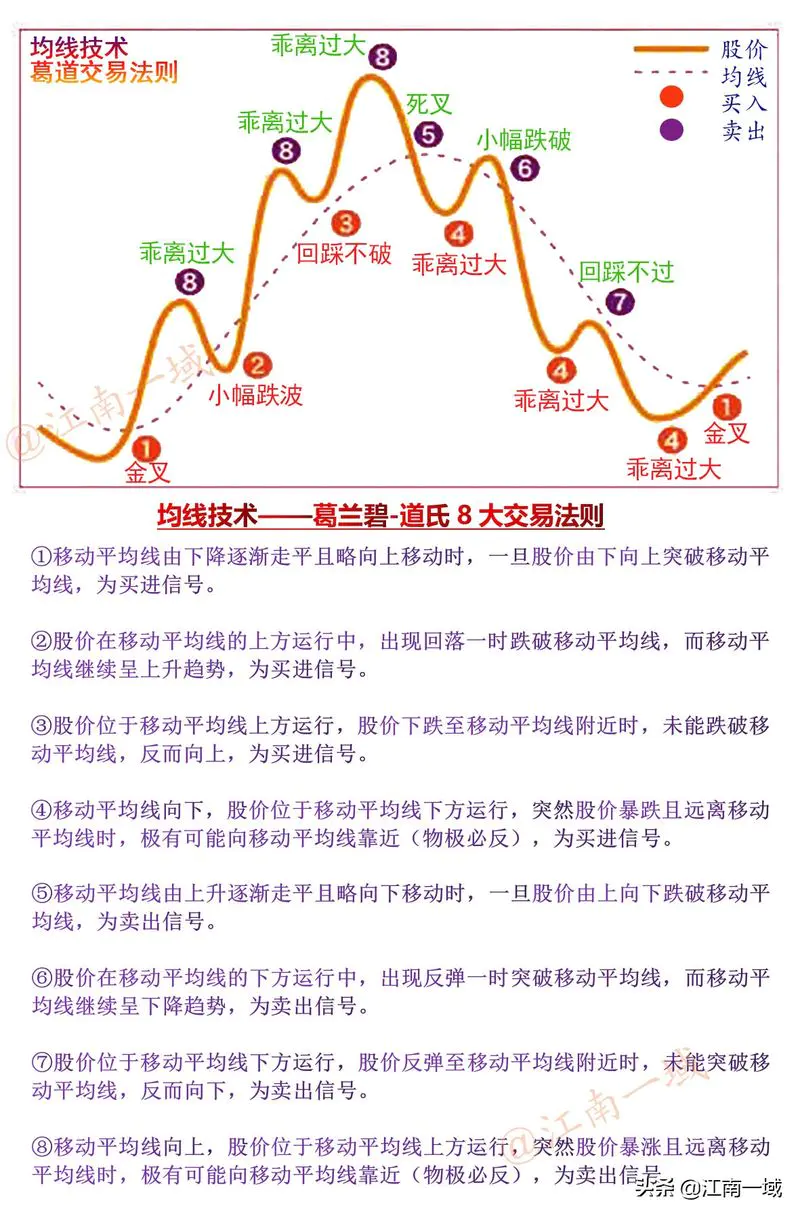
(3) form theory (mass form) (form theory) (form theory) (channel) (k-line combination)
(4) box theory (text version)
(5) periodic theory (video)
Sale
I. Travel board and exit process (time-line tab - stop pattern)
Establishment of a more active stock pool. It is active, typically with a subject unit that operates with the main funds, and partly with a sit-in. These stocks have been marked by several increases and stops in the last six months, as well as multiple increases and stops on early boards. Work to do before the board is caught
Here are a few key points:
(1) their team prefers to operate under $20, with a small capitalization of less than $500 million, which could be relaxed if the turnover rate averaged less than 1 per cent in the last six months。
(2) it is a preference to follow up on a unit without the participation of the fund, where the top 10 shareholders lie in more than one fund and do not normally follow their approach. It's probably because the past is dominated by money。
(3) new subject units tend to be more active, and even when they are poor, they dare to write in such units。
Establish a financial information tracking system. Originally, in the team, there were researchers specializing in gathering information, and information that could have a significant impact on the subsequent performance of the unit concerned would be retrieved. For the diaspora, pay attention to financial and economic information. Work to do before the board is caught
There are two situations to be noted:
(1) some of the news coming out of the night is good and suitable for scratching the board。
(2) after closing, in the front panel that appears on the day, a number of shares with greater price elasticity are found, which is known as a round-up, which is used to catch two or two boards the next day。
By 9 a. M. Every day, every chauffeur collects 4-5 relevant, event-driven units. Then we began to stare, starting at the 9:15 round, and we declined to disturb until 10:30, before everyone could relax. They're pretty sharp. The money's full. (playboard phase)
There are two kinds of situations:
(1) the collective bid is higher by more than eight points, and is to be lifted directly by 9:30。
(2) three points ~ eight points high, 50% silos 3 or 2 steps up at a fast pace, and the last 50% seal, with little time given to the dispersed。
After the board, the change rate for the next few days will be followed up, and they will all be standard and will be ordered out in two groups, as long as it is more than double the average change rate for the past six months. The shift rate to be used here is actually a magnification of the turnover. ♪ fall back behind the board ♪
Ii. Taking technology
(1) hot block tracking (hot unit)
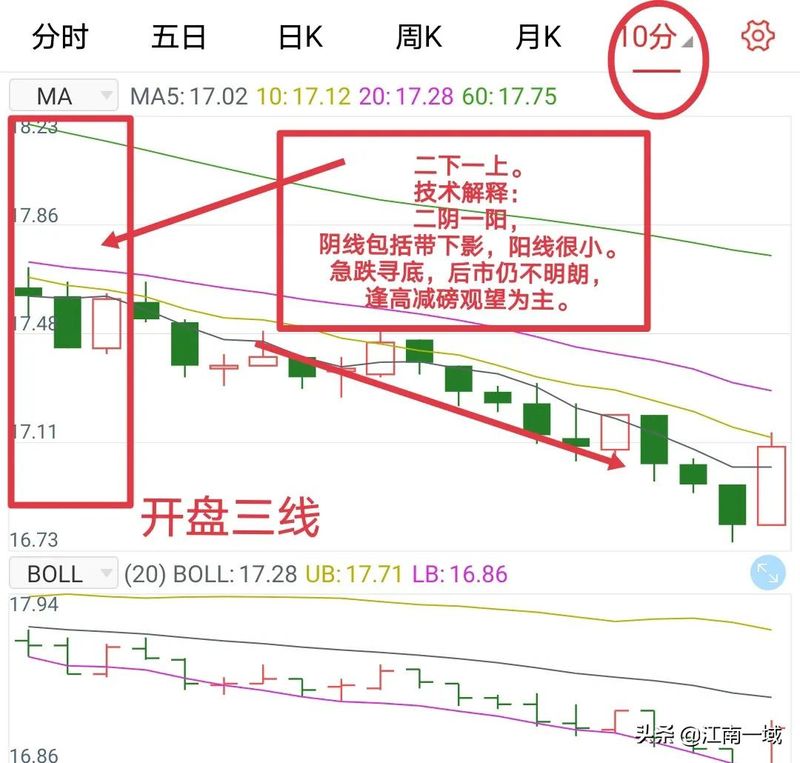
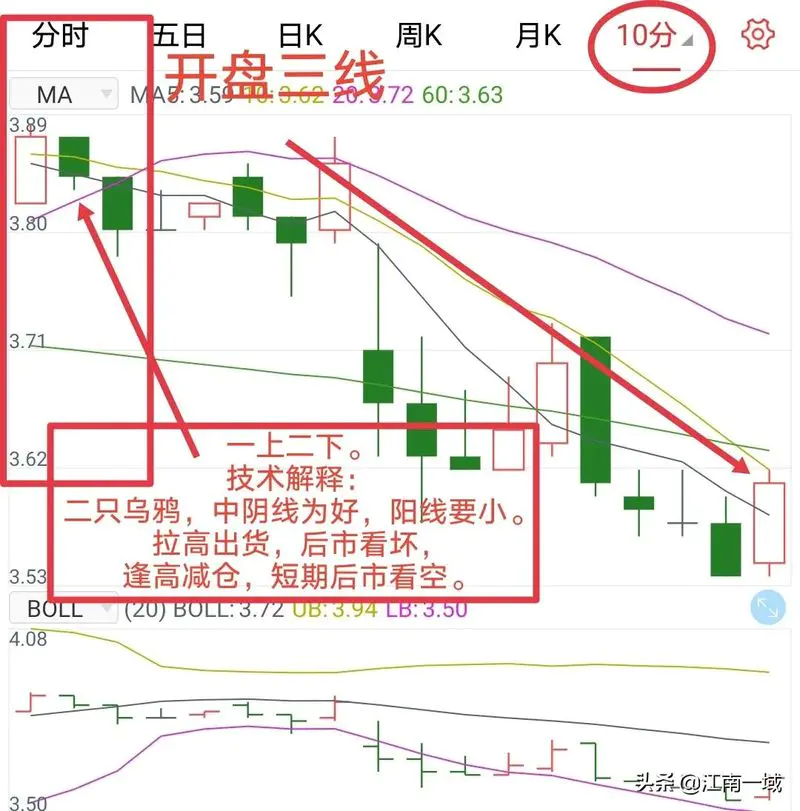
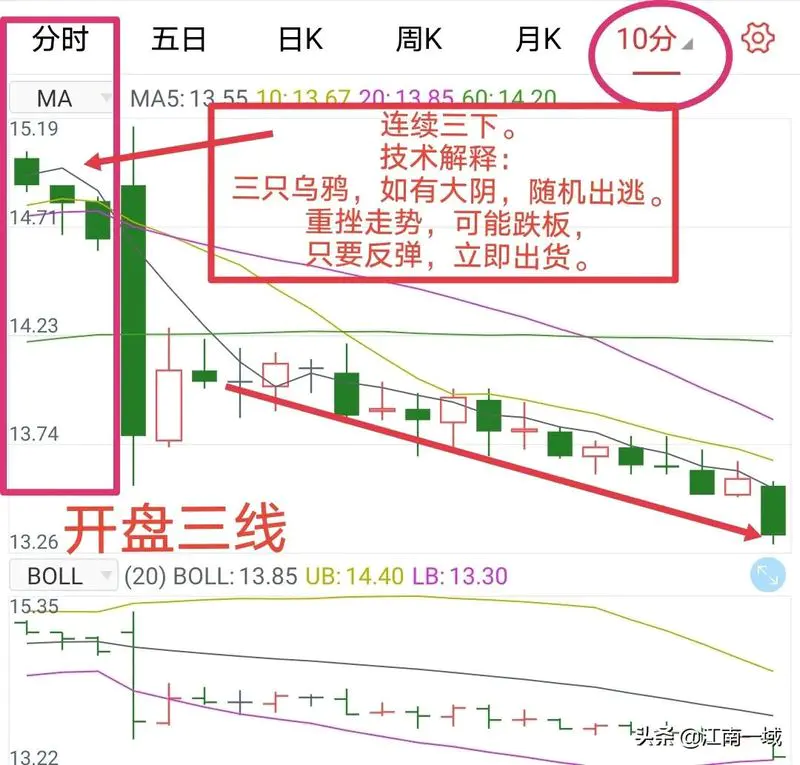
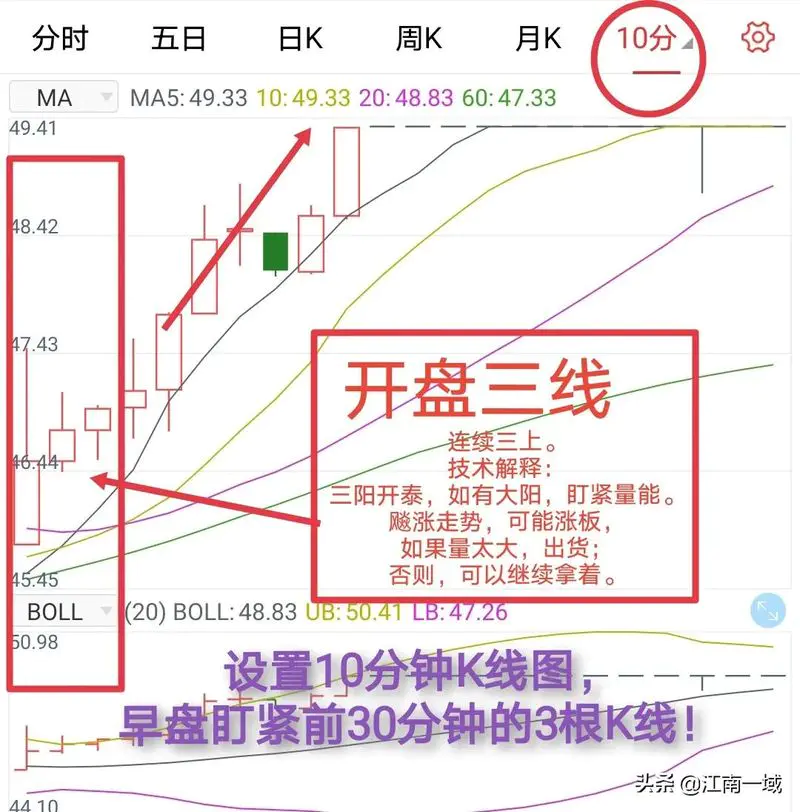
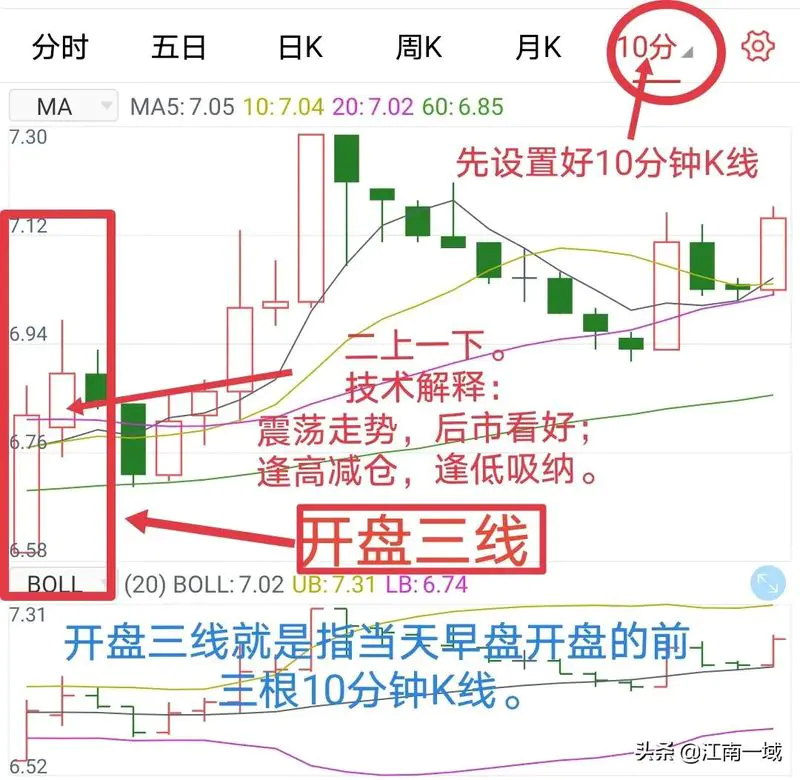
(2) open to read the voice of the 10-minute k-line (open to three-yang)
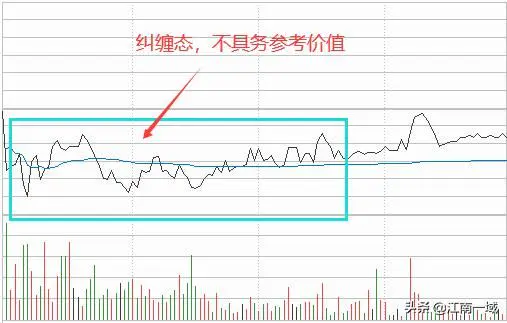
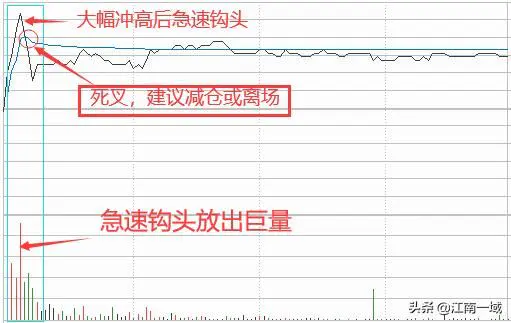
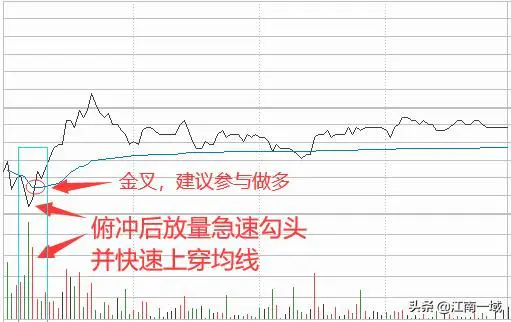
It's a good idea to keep an eye on a few hot plates. One screen shows a 10-minute k-line map of four good-looking stocks, the other screen is the operating window, the code is knocked on, the ticket to the opening plate is raised, and the rest is off-limits, he says. Here are a few sketches:

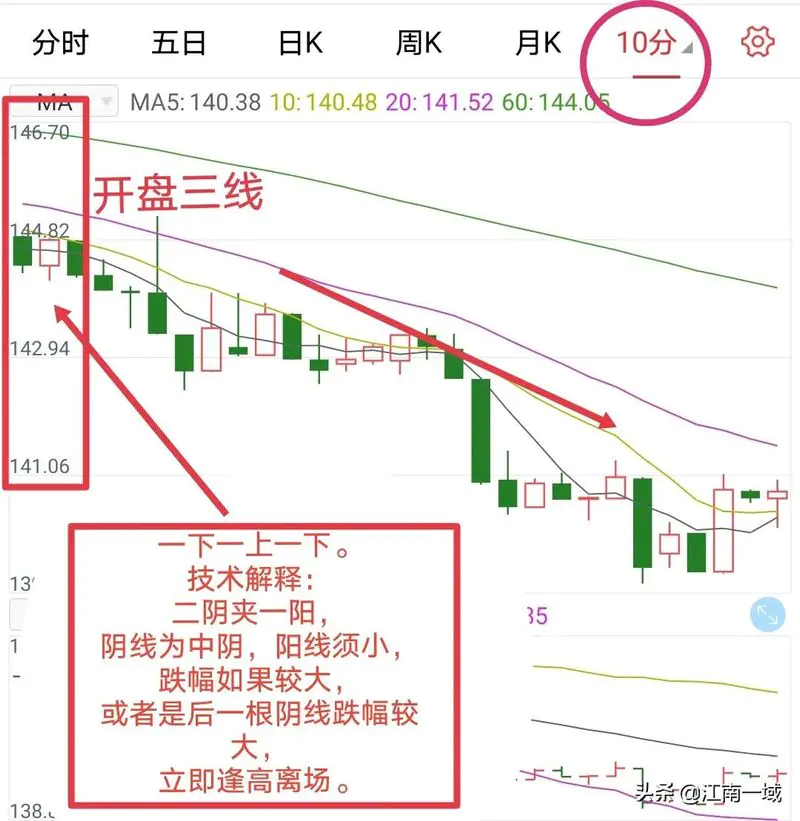
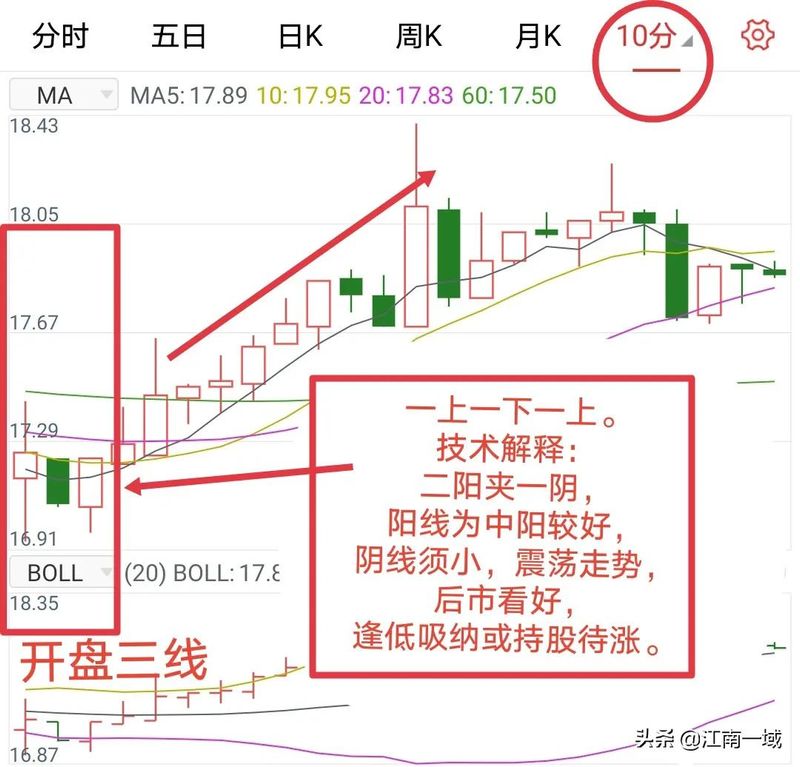
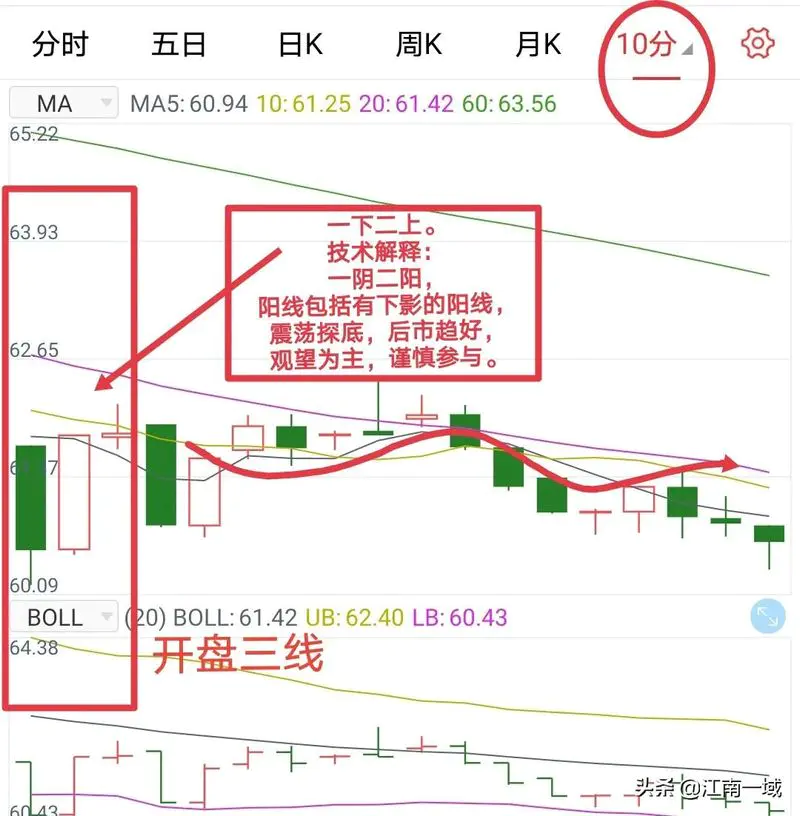
Iii. Technical portals
1. Volume price advice (sharp principle) (highest price)
2. Financial movements (peak)
3. Large bottom form (video)
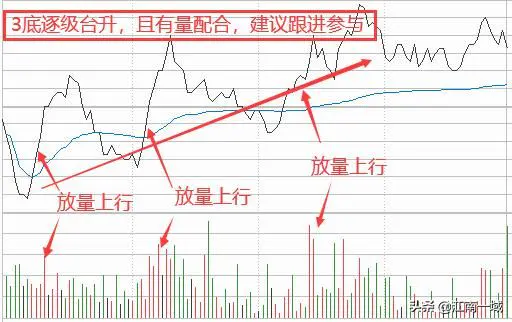
The more effective selection of shares - the bottom of the steps (two-floor upgrade board)
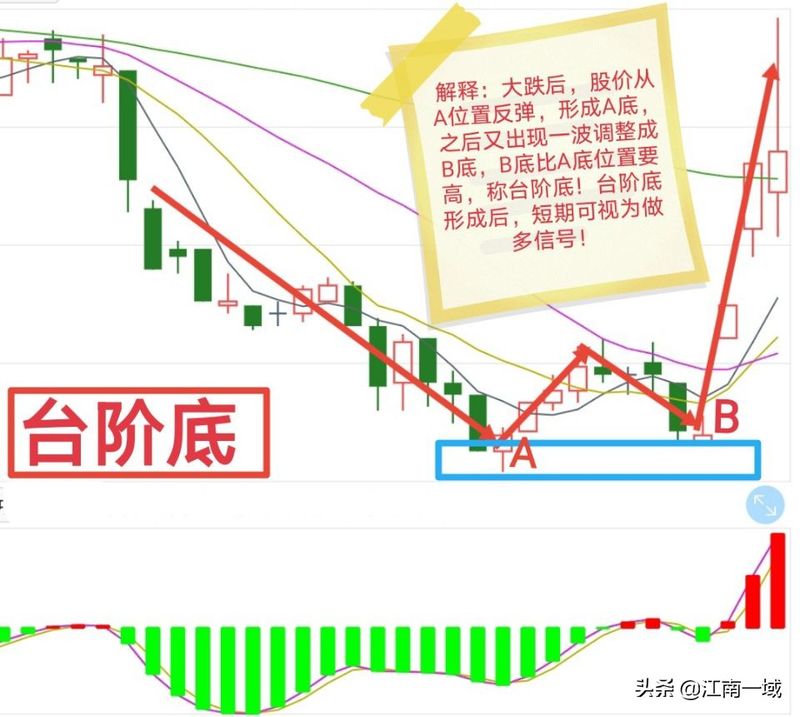
Bottom step form
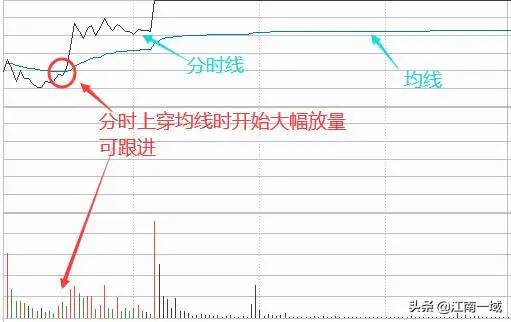
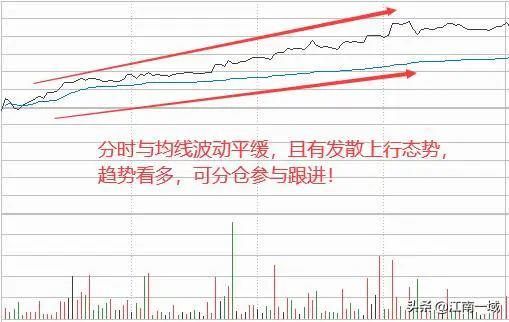
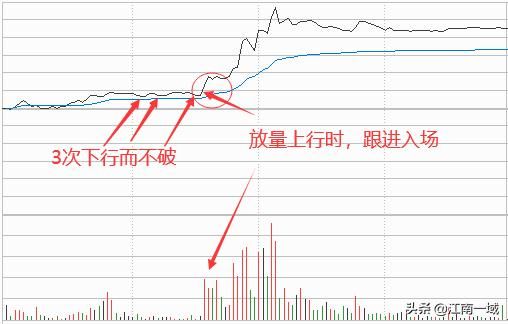
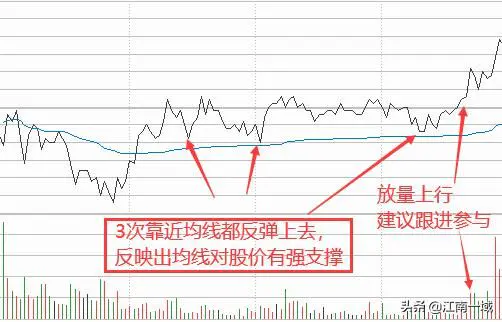
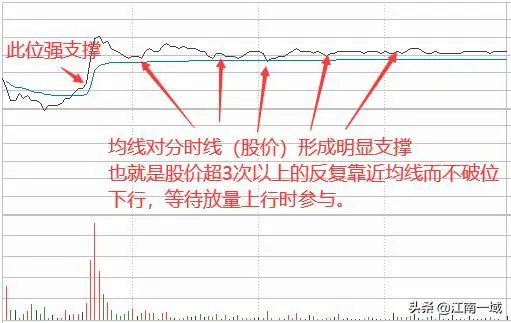
4. Time-lapse technology (collective bidding) (moderate)
Timing technology
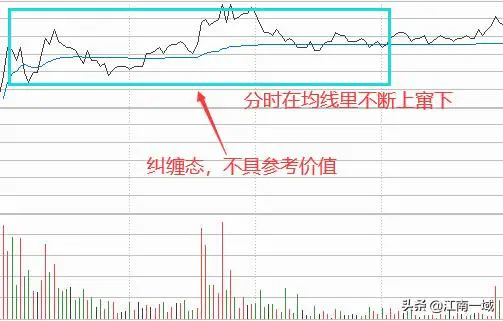
5. Blinker off-the-shelf technology (blinker band method) (blin line demon capture method) (blin capture text)
6. Use of william's indicator wr (limitation)
7. Mcd index double bottom and bottom step (video) (three trend indices)
8. Capital tracking technology peaks (handhold)
9. Kdj bottomography (video)
Kdj topside deviation technology and usage
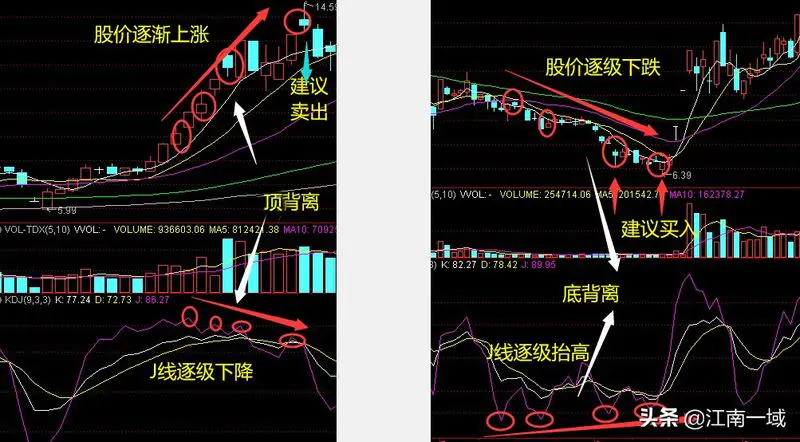
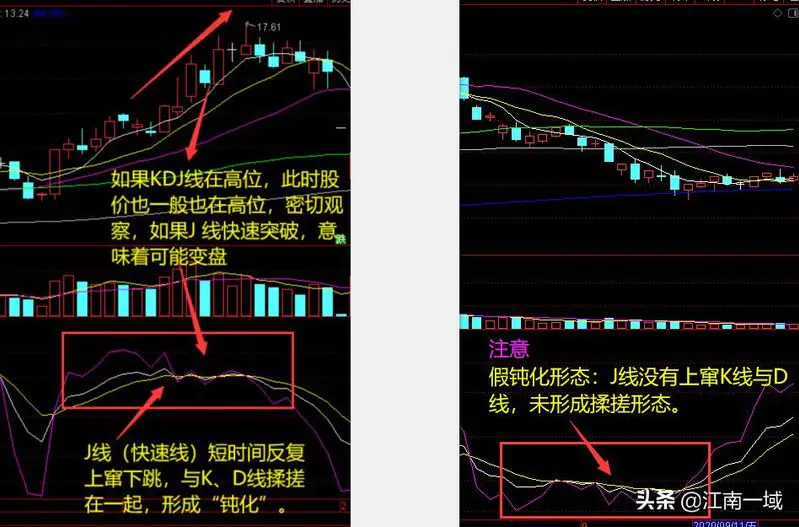
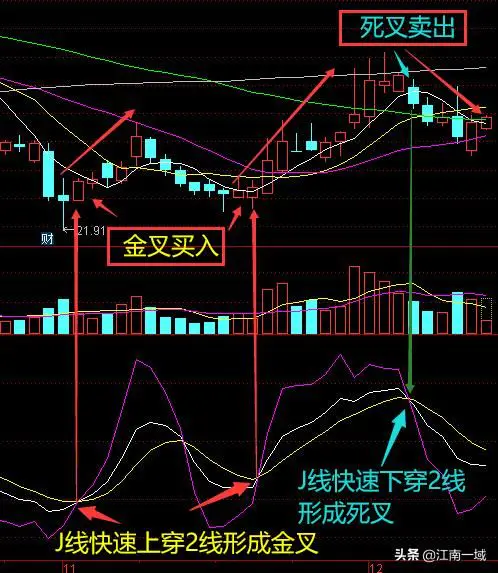
10. Top value escape (top k-line morphogram) (top k-line video)
How to do t (t+0 in japan)
12. Cci bottom deviation from technology (coupling parameters for minorities)
Mind
Losers have common features:
1. There is little knowledge of basic securities, and the way stock is analysed is not well known, and the stock market is suddenly killed。
2. Despite their dream of winning, they refuse to study and sell, prefer to listen to gossip and rely on others。
Without their own independent views, sometimes they rejoice when they earn money with others. If someone loses their money, they blame everyone. Blame others for the volatility of their wealth and never reflect on themselves。
The winner's perception:
Equity investments are not easy to win。
To harness it, you must understand it and learn. How to learn? Find the right way to invest in the master。
3. The distinction between equity, which appears to be easy and difficult, and real investment, which is easier to do and more difficult to do than real。
Equity is called speculation by chance and investment by long-term luck。
5. Stockmaking requires patience and courage, a good mind, a chance at all times, and a lack of care about its benefits and losses。
A small number of masters, skilled in technology. And most masters, grasping the trend。
Short-line operating guidelines for stockbreeding
1 free money, free time, free time. No rush, no greed, no regret, no pride。
2. Always fear the stock market with students ' mentality, learn lessons from winners and losers。
3 fibres are based on quantitative and morphological techniques, and others。
4 for short notice, the stock has to run in the direction of a large disk. The rise is not sold, the fall is not bought. I don't know what to do, watch or take a vacation。
5 better to miss, not to make mistakes, to fall to find opportunities, to rise to the top。
6 remember: disperse participation, make mistakes and leave in a timely manner, without illusions or luck。
7 stock-sharing is a game where the majority obeys a few. A few pry hot spots and the crowds chase hot spots。
8 learning point value theory, helping to raise strategic perspectives and to reach the world in the mountains。
The amazing winners one five words
First, the word “reverse”: fear when others are greedy, greed when others are afraid。
1. A man who abandons me and a man takes from me. And when they are insolent, then fear the markets, and when they are weak, enter。
2. Media optimism tends to prevail and media pessimism tends to prevail。
3. Focusing on the position of the fund's warehouse, when the cash ratio is high, foreshadows at the bottom, and when the cash ratio is low, foreshadows at the top。
4. Focus on trends and levels of financing balances and make reverse decisions。
Ii. “self-determination”: autonomous judgement and decision-making。
1. Learn to think independently, without being blind。
Be a minority, be a “two” of the 28 principles, and have a very low chance of operating from the crowd。
3. Beware of the market, familiar with it and embrace it, every step of the way begins。
Iii. “performance”: peace of mind, less stock rises and falls。
1. Unsatisfied mentalities are taboos。
2. Dealers often use the impatience of the dispersed, sometimes tempting, sometimes enticing, leading them to pursue and fall。
3. The general mindset of great achievements in the stock market is calm and honourable。
Iv. “tolerance”: investing in solitude。
1. Do not rush to a successful outcome, grinding knives without cutting firewood. Let's get down and study the basics。
2. Opportunities are not always available and await excellent opportunities。
3. Expedition to make transactions easier and unnecessary。
4. There is no need to see what others have bought but are anxious to find understandable stocks and businesses。
The “quiet” word for “single”: the stock market falls with “four quiets”。
1. Silence: to be calm, to be rational and not to make emotional decisions。
2. Hands silent: do more, do less, do less。
3. Eyes silent: like lion hunting, waiting for the moment。
4. Brain silence: sleeping together. Take a break when you can't see where you're going。
Stockbreeding is a mentality that determines success or failure. If even mentalities cannot be overcome, it is difficult to achieve success in the stock market even for the school-governed。
One-area perspective (moral thinking combines the three analytical methods of “value, technology, prospects”)
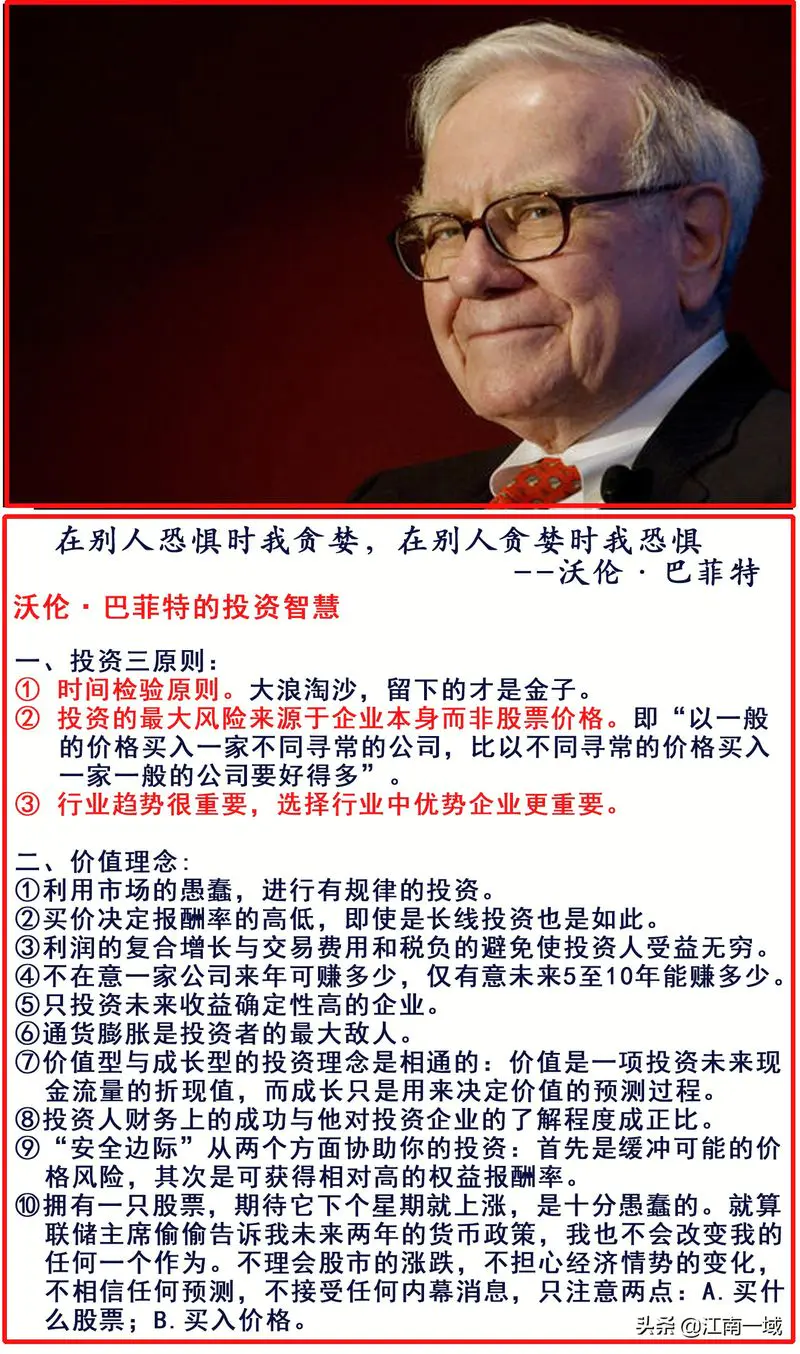
Master of value theory
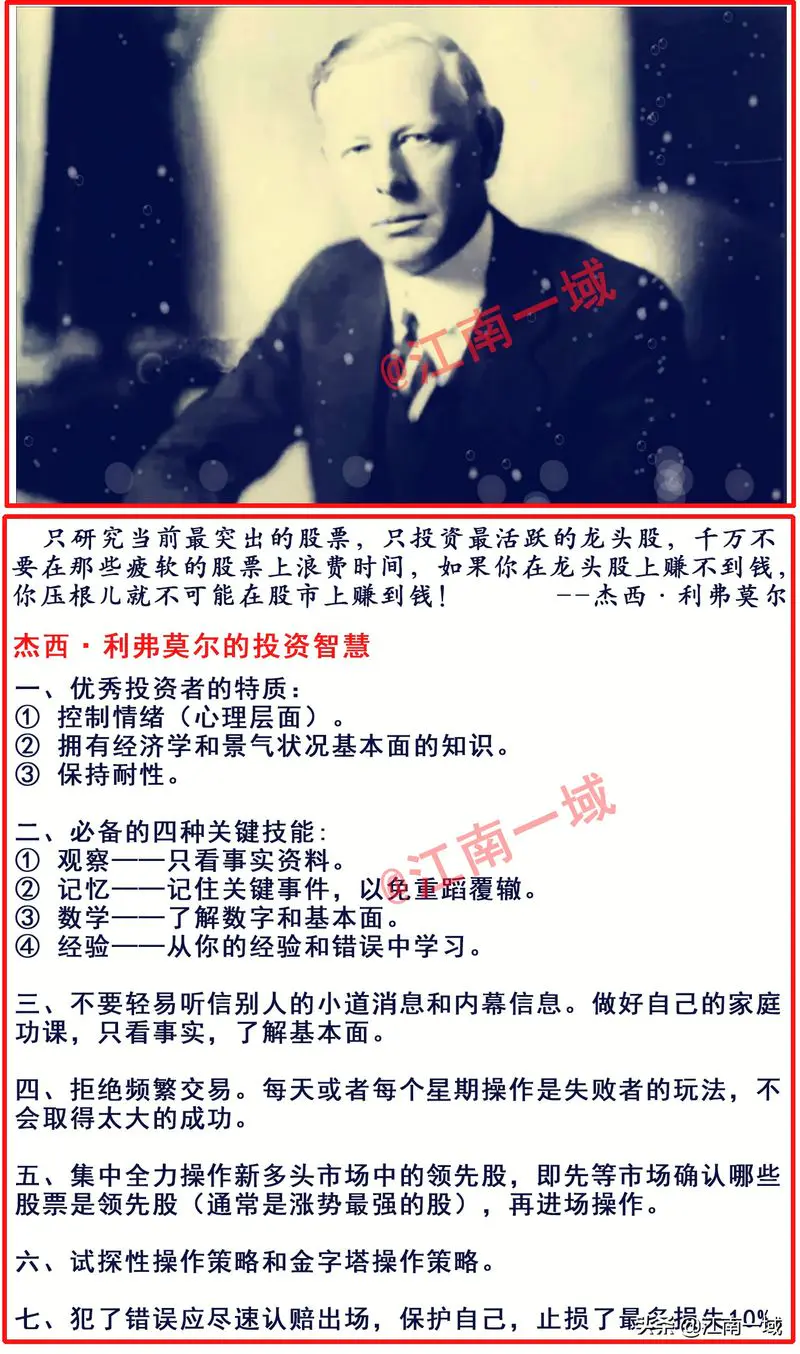
Master of technology theory
1. To participate only in the strongest hotspot logic of the moment, to ignore cold-gate stocks, to remove interference and to focus on the active head of hotboards, and never waste time on vulnerable stocks. If you can't make any money on a hot tap, you'll have to get back in line。
2. Fully understand what a popular logic is, and i will sum up in one sentence: big markets, big-growth industries. This would attract a lot of funding, such as new energy sources, colour, chemical subdivisions, semiconductors, medical cxos, etc., which, once a trend has emerged, are waiting for meat。
3. Stock exchange, be predictable. It's about taking advantage of potential hot spots. Without such a vision, it's priced, and short-term operations don't suit you. I've called on you over and over again these past two days to sneak in the coloured plates
The more mature the shareholders, the more they will be, the more they will be. So it's a principle that should be learned from the beginning. Stock has a value and growth score, and stock also has a wheel between and within plates, which are configured in terms of both fish and bear palms。
Five, when the hotspot leaves, dare to cut. There is nothing to be afraid of, but to know clearly that a mistake has been made and to imagine a miracle. Snored and pretended not to know. How many cuisines are out of the game
6. Have some methods of value assessment been in place to determine the difference between stock prices and intrinsic values through a slightly basic analysis, and do you want to know whether they have foams? How big is the foam? This allows for a good assessment of whether the hot market has ended. Only when you know one another will you be able to play。
7. Be careful not to go up and down. It's a game to go up and down. It's you who's empty. There will also be fluctuations in popular shares, as well as shampoos, often followed by adjustments, bad mentalities, always cut out of the game and made a full house. So don't go up there from the start and try to sneak in。
8. Participation and absence, which appear to be simple operations, are in fact the subject of university inquiries, and the corresponding technical analysis methods are numerous. I'm an expert in this field, and i'm interested in the analysis of price relationships for short-term operational decisions. Long-standing equity advice is bargaining。
Learning cycle thinking to help build a strategic vision. Many markets have been blue sea for the past 30 years; many will be red sea for the next 30 years. And the hot logic is more present in the blue sea market, so we need to be very clear as to which direction we want to multiply space and potential。
(concluded)









