


When are stock best sold in one day? Are there any skills? Here are some of the lessons learned by some of the old stockholders gathered by the authors, for information purposes only。
What's the best time to buy and sell stock in a day
(i) the first shipment is recommended for opening:
Opening prices are generally affected by yesterday's closing prices. If yesterday's stock pointing and stock price are received at the highest level, the opening of the next day tends to be too high, i. E. The opening of the stock finger, a higher stock price than yesterday's stocking finger, and the stock price;
2. Conversely, the opening price on the next day tends to be low if yesterday's equity points and prices are lowest。
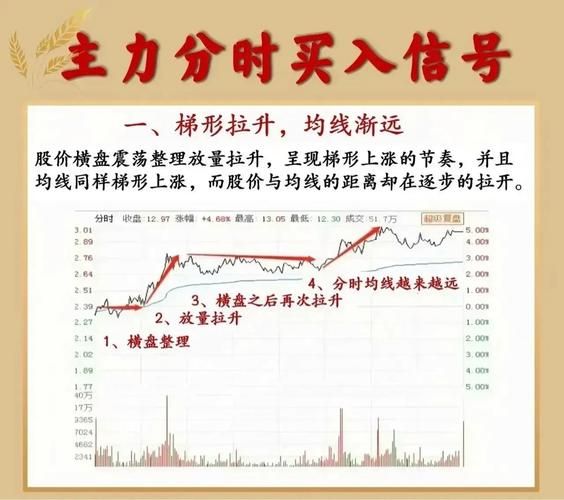
If the opening price becomes the highest price of the day after jumping, the shareholders shall participate in the pool bid “offload” if they have a “hot-gate share” of the highest price received yesterday. The offer may be greater than or equal to yesterday's closing price (the highest price). If yesterday's closing prices were below the maximum price, the fall could be slightly lower than yesterday's closing prices。
(ii) 9:30 to 10:00 is the second arrival and departure time
In order to escape the “hot-gate stock”, when the stock price goes up and goes up, the stock price rises sharply, with the maximum often appearing before 10 a. M. And the volume of the exchange is sharply amplified, so that the delivery time for the “hot-door stock” was 10 a. M。
If you move flatly, you shall be considered a “hot stock” signal. When stock prices rise steadily as the trade is scaled up, an hourly stock chart is used to analyse “hot-gate” trends and determine buy-in。
(iii) 11:30 is the third chance to get in and out of the cargo
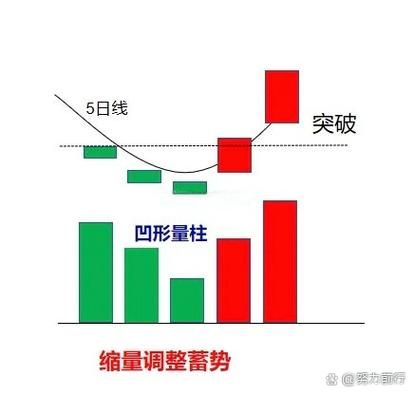
The “hot stock” is a signal of delivery, moving in the morning and amplifying as the deal is made, with a wave higher than the wave, and the goods should be shipped immediately. If the “hot stock” is a signal, it may be sold at the highest price. As the turnover expands, the wave is higher than the wave and can be considered for purchase。
Note that the morning closing points and hot price are important signals. In the case of a morning stocking finger, a higher (low) stock opening value on the day in which the equity is opened, and an equity price on the day in which the stocking is held may be higher than (low) a morning stocking finger, and an equity price in the morning in anticipation of a multi-party (air space) winning, a high-priced morning in the hot market or possibly midday news。
Thus, a few minutes before closing in the morning and after opening in the afternoon, stock sales are important times for buying. High-receivers may walk in the afternoon; low-receivers may walk in the afternoon。
(iv) 14:00 to 14:30 is the fourth delivery time
This is the time of the city's “barrack” and stock and stock prices tend to be the highest and the second highest on the day. This is due to the fact that the agency that bought the goods in the morning overdraft is in large numbers, and the timing of the fourth shipment should not be missed. Because it is likely that the stock price will be pressurized and re-invented if the stock is sold out by large institutional households。
(v) 14:50-1500 is the last time a stock is bought and sold all day long
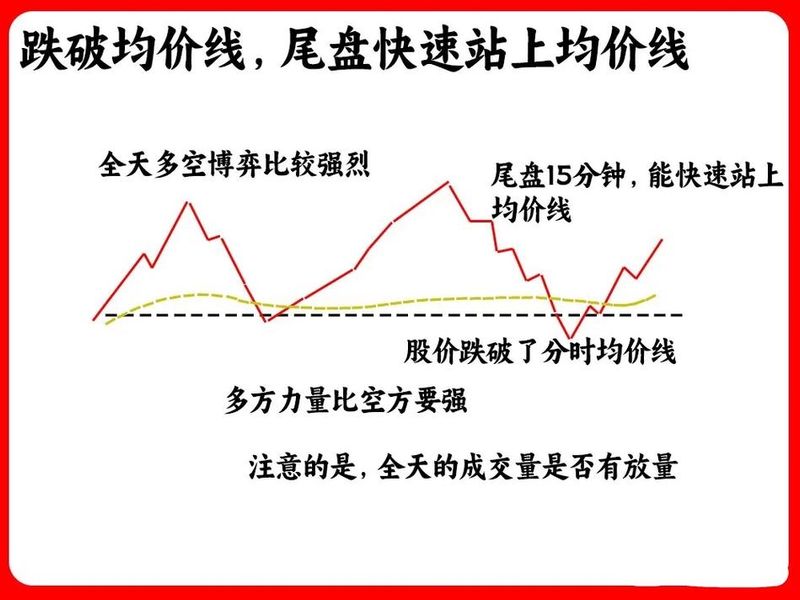
1. A record-keeping, equity price may also result in a full-time top equity, equity price. This was a time when, after one day of steady attacks, there was finally a breach of resistance。
Before closing at 3rd, it is the last chance to buy into a strong (highest price) and sell a vulnerable (lowest price) stock. The day-to-day closing is clear, and the day after it is known that there will be a large roll and a share, and if it is, the day after. As a result, speculators are “robbery”. Only the overnight price differentials are used, the strong shares are taken before the closing date, the opening of the opening day is dropped, the local profits are steady and the risk is low。
Of course, the price of shares and shares, if collected at the lowest point in the day, presages the next day's low and low, which could lead to a panic sale in the tail market, and the shareholders prefer to “cut” today in order not to pay more tomorrow。
You want to learn more about the basics? Welcome to the micro-message!
(this information is for reference purposes only and does not constitute an investment recommendation, which should be carefully assessed)









