



Many families stare at their children until 11 p. M. And the scores are stuck in the same zone. The problem is not attitude, not time, but knowledge in the brain, which is like pieces of unboxed puzzles, which are broken up in a table. Today, three steps have been removed and parents have done the same。
Why are you trying harder

In 2026, teaching materials and outreach materials were more than double that of five years ago, and children were not "not learning enough" but "not fit." research in a district of beijing in late autumn 2025 showed that junior students were exposed to more than 40 new knowledge points per week, but that the proportion of core points was less than 30 per cent. The more scattered knowledge, the less efficient it is to make questions, and the scores are naturally locked to death。
Parents are used to "driving" as "sitting long," but cognitive science has made it clear: unstructured information in the brain is like an unlabeled file cabinet, looking for a half day. It is only by putting scattered content into a logical web that the child can be positioned and accurately called for three seconds at the test, which is the bottom path from the fraction to the top。
Sieve first, then focus again
The first step in screening is to look at the directory. In 2026, the eighth grade physics section, "data and signals", was added to the curriculum in five sections, but only the first three sections were at the core of the actual entrance examination. It'll take the kids five minutes to clean up. A summary of the contents and chapters, summarizing in a single sentence the location of each class in the book, is the most basic systematic thought training, holding on to two weeks with a sense of hand。
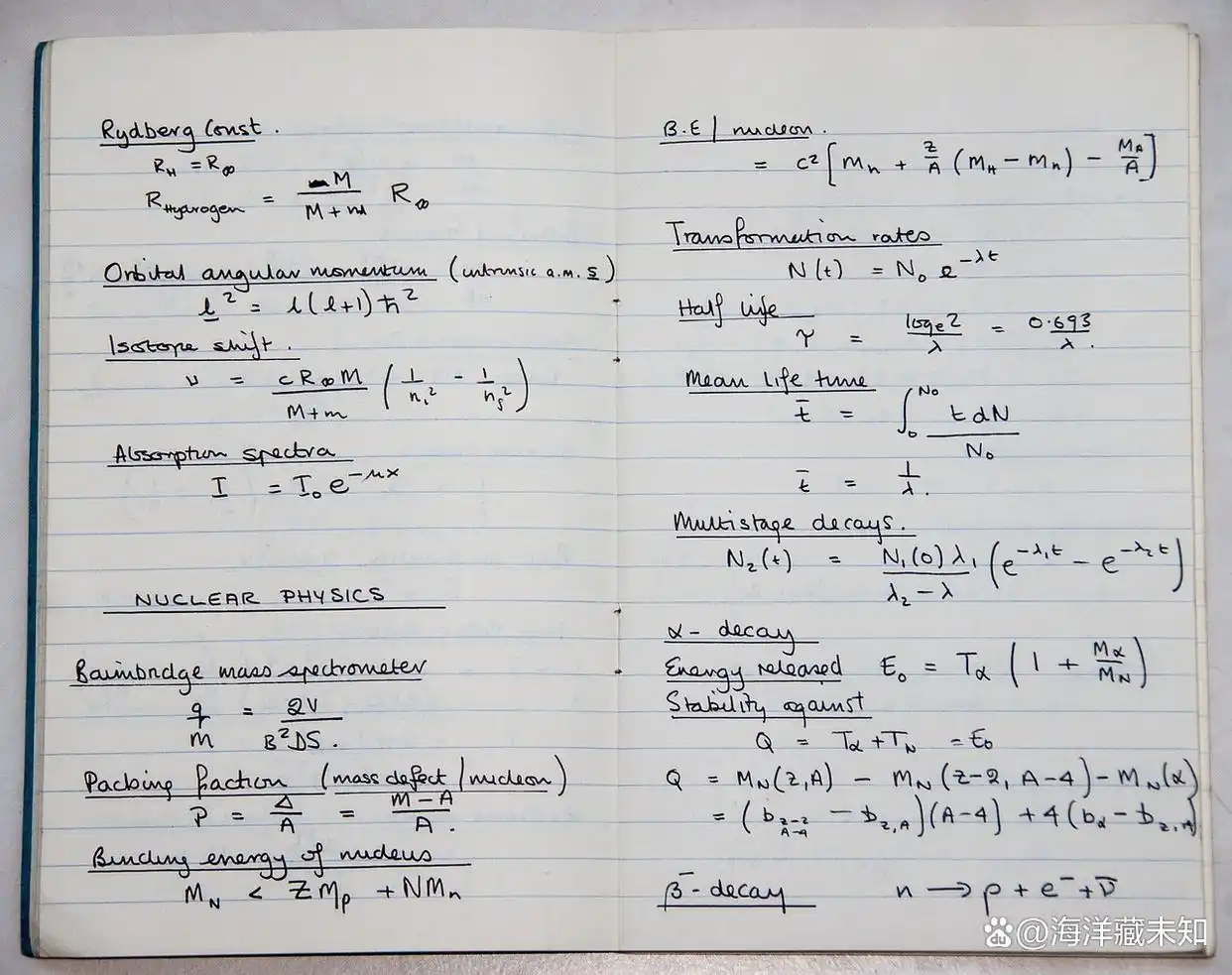
It's called a three-colour label: a green pen "under control", a yellow "unsure" and a red "not at all." in a comparison experiment conducted in 2025 at a junior high school in shanghai, three colours were used as a reference group, with an average end-of-cycle score of 11 points higher than the control group. The purpose of the screening is not to delete the content, but to throw limited energy into the red zone and not to fight with the thin ends。
Linked and chained the ball
The children are quick to endorse the book, but the whole thing is difficult, and the roots of the disease are disconnected from the point of knowledge. In early 2026, for example, the image of the secondary function is the same thing as the essence of the equation, with only back formulas that do not build this logical line. Parents can simply ask, "what old knowledge is this new formula coming from?" forcing children to find connections and to double the depth of the moment they find them。

Interdisciplinary linkages are more effective. In the spring of 2026, many schools drained the concept of physical pressure and the plant roots of organisms from the same week, and once children paired the two blocks, they understood that they would change from plane to form. At home, you can also ask, "the word that you learned today is similar to what it used to mean?" so the brain automatically hangs another logical node, and knowledge survives。
It's true when it comes to internalization
The heart of feynman's learning is just one thing: you can really understand the concept to people who don't understand it. In 2026, many families changed their daily dinner time to a "ten-minute classroom", with children as teachers and parents pretending to be students. The child talks about sudden carding, which is a loophole in the knowledge network, and which is much better than scrambling the head 10 times the same night。

Internalization also goes to application. Allowing children to calculate the highest percentage of monthly household expenditure by the percentage of fresh school, and using air pressure knowledge to explain why water is not burning at 100 degrees above sea level. Once knowledge emerges from a textbook, the memory changes from a short to a long-term, and the system really grows on itself, not on books。
The error is the missing radar
In 2026, a lot of schools introduced the error book, not "copy it" but "cause it". In shenzhen, one of the key secondary schools asked the students to point out the causes of each error: lack of conceptual clarity, misrepresentation of formulas or miscalculation. After the first semester, 87 per cent of students were able to accurately identify their two weakest modules, and the period of review was reduced by almost one third。
Parents must not make mistakes about their children, which would deprive them of the attribution process. The right thing to do is to ask, "what step did you make? Which knowledge module is it? Let the children themselves mark the loophole on the map. One loophole at a time, the knowledge network becomes more and more woven, and it really has a multiplier effect。

Parents are more important than methods
Knowledge systemsThere were no shortcuts, and the 2026 cognitive psychology experiment indicated that a stable network structure would take at least six to eight weeks of continuous exercise to form the initial form. The biggest pit for parents is that they look at a strategy and expect their children to enter the top ten next week. Three steps of filtering, connecting, internalizing and at least two full cycles per walk will see real changes on the scroll。
The landing rhythm can be simple: it takes 20 minutes a day and a half to go through the three-pointer this week with the child to confirm whether the red item is clean or not; to ask a connecting question every day before sleeping; to listen to the "ten minutes class" every two weeks. The change in children from passive brushes to active networking would be obvious, without the need to purchase additional information。
When you're at home with the kids, where's the most painful part? The comment section is welcome to talk about your card points, to make a quick compliment on the collection and to do so directly for the next tutorial。









