


Many students learn 12 points a day, they copy three thick notes, and they can't get all the things they've learned at the exam, and they're having problems with the combination. To be honest, it's not that you don't work, but that every point of knowledge is in your head alone, without a net that can be used。
The vastness of knowledge itself is not terrible. It is truly terrible that you have a hundred terms and 50 theorems behind your back, but that you can only think independently of each other and cannot solve a specific problem. Here's the hard-core root。

Solo knowledge points make you more confused
In the case of grammar, according to more than three-module tests conducted in 2025, the long sentence analysis was the most marked problem in the grammar plate, with an average drop rate of nearly 40 per cent. Each student asks for a definition of a term from a sentence or a term, but the title places both in the same long sentence and you break it down without knowing which rule it is. This is typical of the fragmentation of knowledge — each point being identified alone, and all being paralysed together, while examinations tend to be applied in combination。
Even more troublesome is the presentation of textbooks themselves. While some chapters are logically linked, they are separated by three or four chapters or even two modules. For example, one of the prerequisites set out in chapter i was actually used in chapter iv, where the content of an entire unit was separated. The details of chapter i have been blurred when students complete chapter iii in sequence, and there is a gap in their minds when chapter iv requires a comprehensive call. Many of the students realized after the april retrospect that what they had learned in the previous month had been lost。
Read the books through the directory
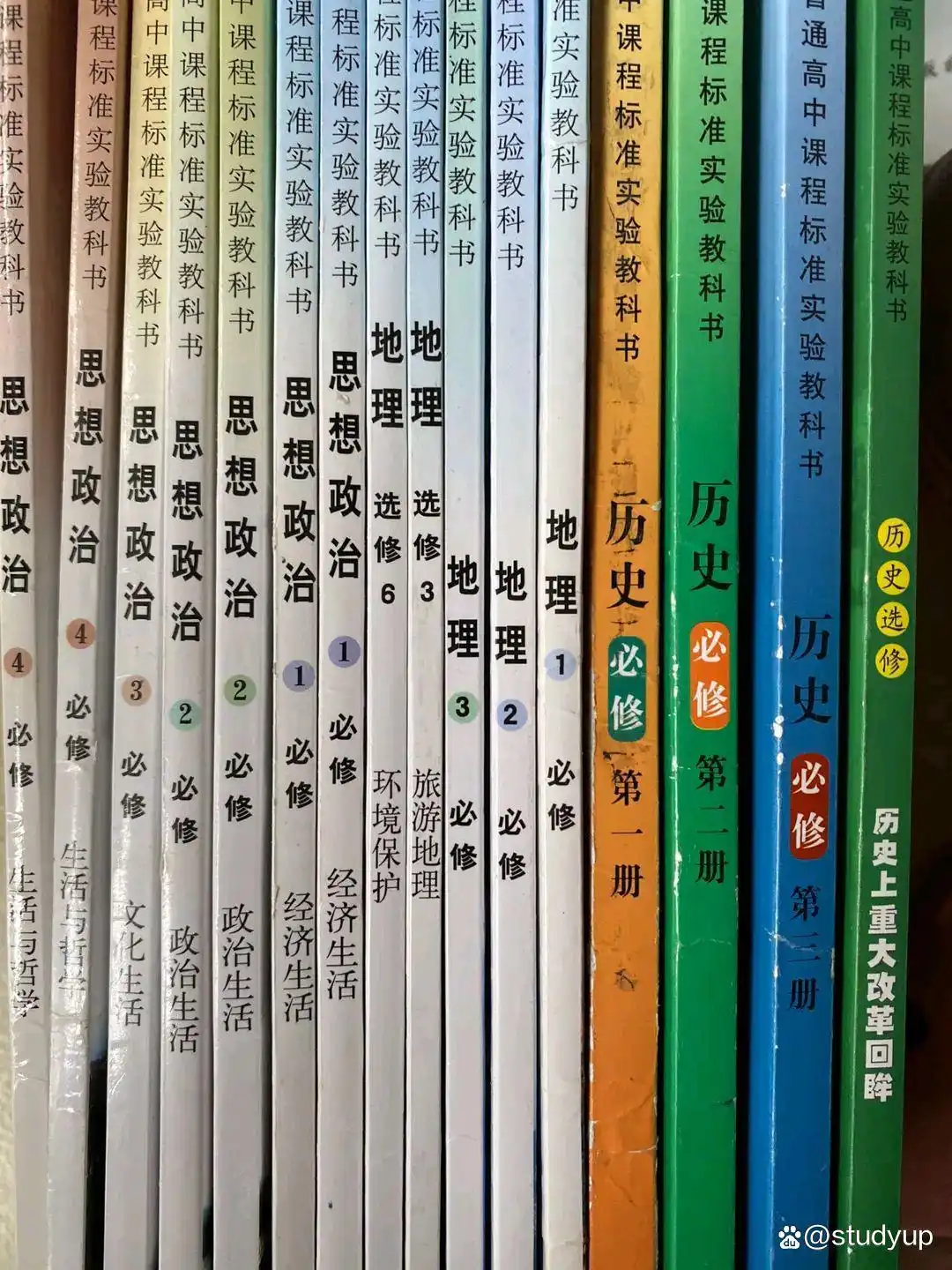
Don't come up here with a chapter. The effective approach is to open the catalogue of textbooks and watch the entire framework of the book quickly read from scratch to three times. For the first time, the core issues and key theorems of each chapter were captured, for the second time, the transition between chapters was noted and quoted, and for the third time, the definitions, formulas and examples of each knowledge point were examined article by article. Three times you get a sense of the skeleton of the whole book, and you start to figure out which chapters are actually connected。
When reading in general, the illustrations, footnotes, boldfaces and italics in textbooks are the points deliberately indicated by the authors and must be understood on a case-by-case basis. A city-focused high school in the spring term of 2026 requires students to mark each chapter of the table of contents in different colours, to read it three times and to close the table of contents with an a4 sheet of paper and to write the entire book. After that, you will find that the theorem of chapter iii is, in fact, an extension of one of the conclusions of chapter i, and that this cross-sectional connection cannot be found by one chapter alone。
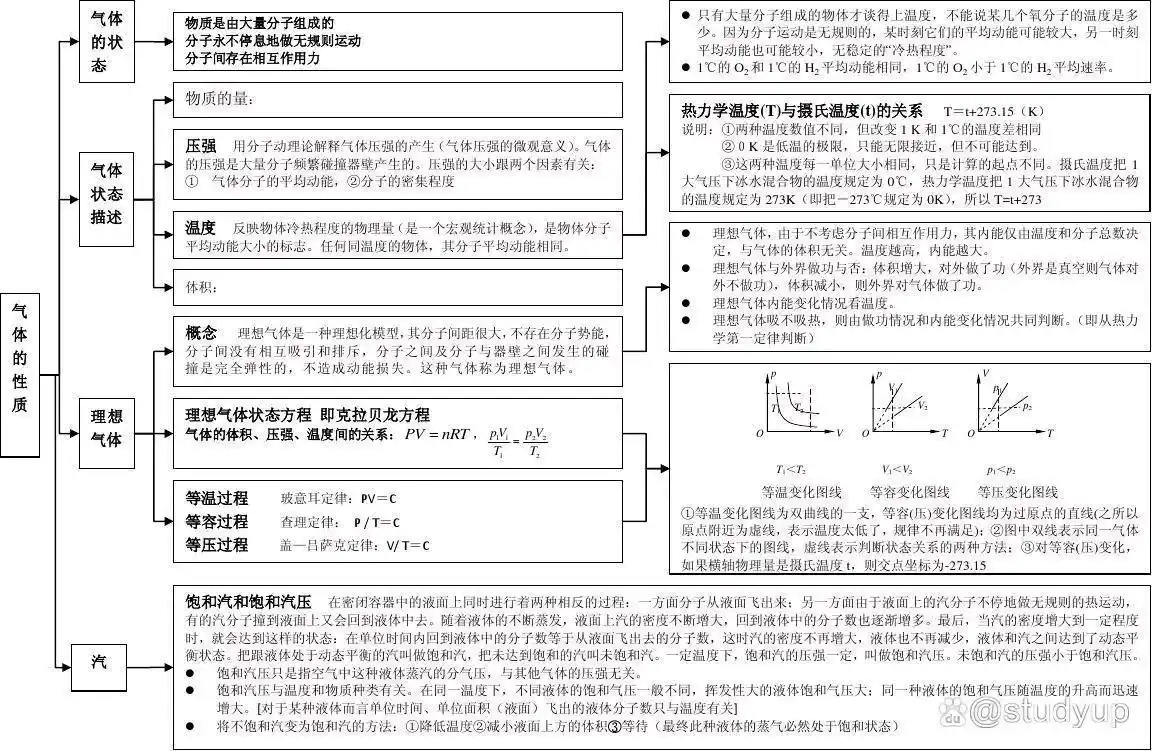
Draw similar knowledge points to a table
Upon completion of the textbooks, a special notebook is prepared, with tables and tables of easily confused points of knowledge. For example, the phrases are broken down into four columns: structural features, functional uses, guidelines, typical examples. In 2025, the english language study group of a focus high school introduced this approach, and students completed 12 sets of comparisons by the end of the year, with the grammatical block correctness rate increasing from 62 per cent to 81 per cent, an increase of almost 20 percentage points。
The core value of the form is not to copy the impression, but to force you to figure out where the card is. Many students are not clear about the dividing line between the two concepts, and the examination starts with a border determination. It takes five to ten minutes a day to put a comparative table at the desk, and in two weeks those hidden differences will turn into an intuitive reaction. The next time you see the question, you don't have to start from the beginning, you can just get to the point where it's the difference between a and b。
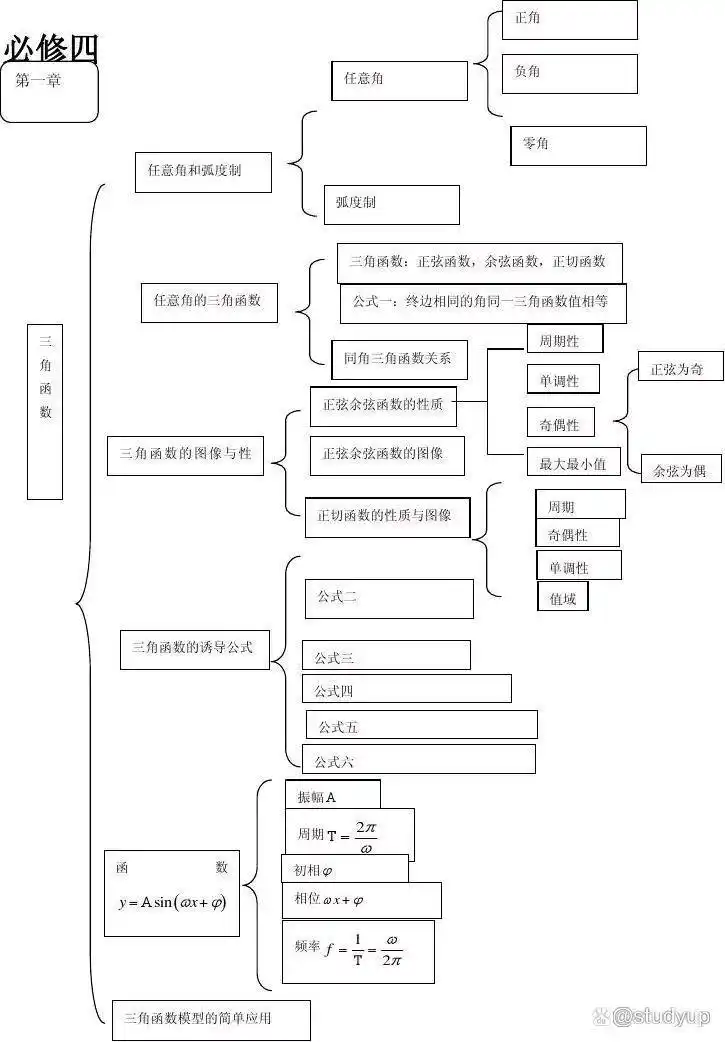
We're gonna have to come back and come up with a story
Each point of knowledge is ultimately tested through a question-and-answer exercise, and the result is that the subject-matter is subject to a cross-examination: the choice is subject to interference, the reading paragraph is subject to interpretation, the sentence is directly requested or translated, and the error is sought. For each set of volumes or exercises, the corresponding knowledge points are marked, with the following sentence: "what angle is the particulars and angles of the question?" don't just write "revisioned." that's nothing。
After the same set of volumes summarised in five or six rounds, the pattern surfaced. For example, in 2026, approximately 60 per cent of the test simulations were filled in blanks, 30 per cent were mischaracterized and the rest were integrated applications in writing. When you understand the knowledge point itself and know how it will be packaged, you won't be frightened by the new issue. It's a lot faster to answer the question and save time。

Make your own knowledge map
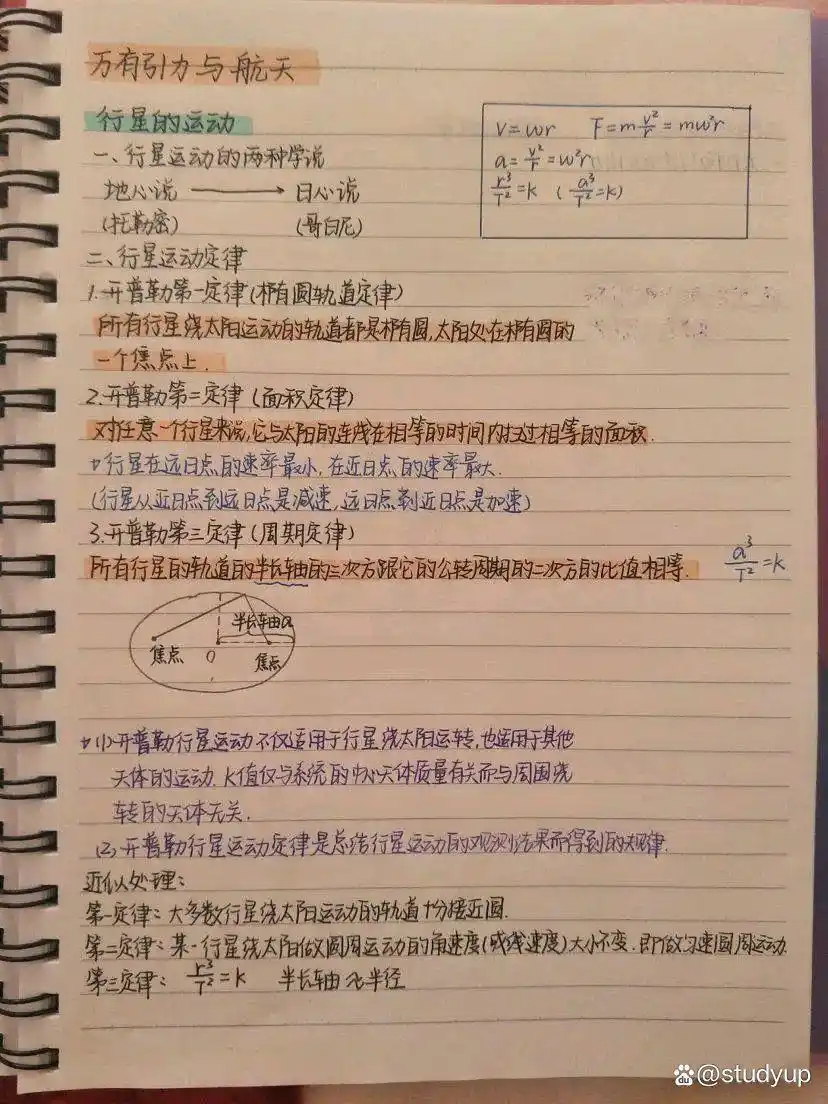
It's hard to forget to sum up the text, but it's not the same as a picture of the knowledge relationships that you've made. Take a3-sized paper and put the core concept in the middle, linking the subordination, comparison, causality of knowledge points with arrows and lines. Every time you finish a new subject, you add it to the corresponding position. In 2025, several senior examiners at a key secondary school shared their experience, drawing a whole picture for four months, and once before each examination, they could locate the vulnerable areas, which would be more useful than 10 books。
The greatest benefit of this is visualization. It is clear which plates have been broken, which remain blank and which overlaps. The preparation period was tight, and it would be sufficient to focus on the gaps and cross-cutting points over the picture without having to revisit the textbooks. It's essentially your personal learning map, the more elaborate it is, the higher the starting point of each follow-up review, and it doesn't always start from scratch。
Use special training to speed extraction
Knowledge systemsIt's done. The last step is extraction. Many students finish the exam and say, "it's impossible to write." it's not stupid, it's unsophisticated. An experiment in cognisance psychology in 2026 showed that the same set of information was repeatedly called in different contexts, that neuroconnections were significantly thicker and that extraction speed could be reduced from an average of 40 seconds to within eight seconds. That's the difference, 30 seconds, but the test is done in seconds. It's stuck to zero。
Specific training methods: a random reference to a node for your knowledge relationship, with a time limit of two minutes to write all its associated knowledge points, common tests and error-prone traps. Five nodes a day for three weeks. You'll find that the feeling of "looks familiar, but the next one gets stuck" on the exam is significantly reduced, because repeated calls are already driving the road to a master. It's like when a word goes back to the back and you can spell it out without thinking, and the extraction of knowledge can go that far。
How many knowledge maps do you have now? If none of them are available, pull out a comparison of the knowledge points of the weakest chapter tonight. If you think it's useful, you can have your friend, who's got a bunch of notes, but the test's still dead。









