High ironA box of 40s and 5sAircraftThe last cup of coffee sold 25 -- a lot of people spit "not unaffordable, looking at the price of blood." but the price is not so high, but the operating costs are being sustained。
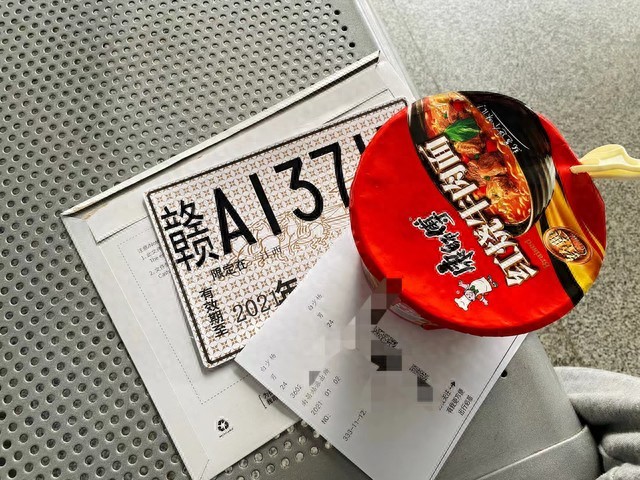
The prices on the high iron make the passengers shake their heads
A container of mineral water sold two pieces at a convenience store downstairs, making it five pieces when it was moved to a high iron cart; three pieces outside a coke can and six to eight pieces in the car. One rice with two or three regular food boxes, starting at 40, with a meat package going straight to 50 or 60. Bubble noodles, ham sausages and cookie snacks are generally more expensive than supermarkets, and many passengers are given several seconds before buying them。
In fact, there are even-handed options on high iron. A box of rice and 2 dollars of mineral water up to 10 dollars is always available, although it is often at the bottom of the back of the car or of the cart, and the crew does not normally recommend it specifically without asking. Many passengers who were unaware of the cheap goods were able to watch the 40-dollar box bite their teeth or starve to the next stop。
The price in the cabin is even worse
Short-distance flights mostly cancelled free meals and wanted to buy a single short meal, which was over $780. A cup of coffee or bottled drinks. Twenty-thousand dollars is common. Economy class passengers also face additional charges: baggage shipment, wifi on board, headphones, blankets, some of which are paid separately. One ticket looked at 300 and 400, but the extra expenses were doubled by buying food and drinks and adding services。
Since 2024, a number of shipping divisions have adjusted on-board commodity pricing, with economy-class beverage prices generally ranging from 15 to 30 yuan, and hot meals on high-end routes reaching $80. Passengers had made a write-off: a two-hour short flight, a meal and a glass of water cost 95 more than the ticket itself. The best thing in the comment area is, "the money to fly once, half spent on the cart."。
It's the high iron operating costPriceThe real reason for height
A lot of people think selling in a car is "the difference," not really. The storage area of the heavy iron vans is extremely limited, with a two to three square metres of refrigerated containers in a cr400af commercial compartment, which does not have a large stock. Each car is sent to the train from the rear warehouse through a dedicated logistics corridor for loading and unloading, cold chain storage, and hand-delivered distribution, which costs far more than a bottle of water at the street supermarket。
Based on published data for 2025, a block of eight units is set up at a cost of approximately $400 to $600 per operation, plus manual, overhaul, depreciation and a single kilometre operating cost of between $0. 3 and $0. 5. The goods sold in the car are to be distributed among these costs, and pricing is naturally impossible and a level of convenience. All goods in the railway sector are priced and priced in a coded manner, not at random。
Close the scene and let the competition disappear
You're on high iron or on a plane, and there's no second store around. The train travels at speeds of 250 to 350 kilometres per hour, and the cabin is at a height of 10,000 metres, and the passengers do not have any option to take two steps to look next door. This kind of closureConsumptionThe environment, by its very nature, eliminates sufficient competition, and the market has no incentive to reduce prices, leaving much room for pricing. It's not about a brand. It's about all the closed scenes。
There is an additional threshold for aviation food. Food products are subject to the civil aviation authority's security standards, and production plants must have specific aerofood qualifications, and processing, packaging and quarantine processes are much more stringent than usual catering plants. One on-board hot meal, from the factory to the cabin, is subject to at least four clearances, and single production costs are more than 30 per cent higher than canteen boxes. These compliance costs are ultimately reflected in the sale price。
It's the simplest way to save money
In front of the heavy iron, bubble noodles, bread, snacks and mineral water are purchased at a convenience store at the station, usually at a cost not exceeding $20. Take the car and keep an eye on the odour of food and try to get to the trunk link, so as not to affect the next passenger. With regard to aircraft, the liquid is limited to 100 ml, but solid snacks such as cookies, nuts and bread can be carried with them. Buying a bottle of water in the terminal after security checks is half cheaper than getting on board。
It's worth two minutes before buying tickets. The economy class of some long-distance flights continues to provide one regular meal and two drinking water free of charge, such as flights of more than eight hours for south and national airlines. If the division does not provide free meals, the airport order for meals is placed ahead of schedule on the drop-in city ap, which is less than half the cost of purchasing on board。
It's expensive, but don't get me wrong
The "high iron price" post on the internet is always hot, but in essence you're not worried about the bottle of mineral water, but you're comparing two dollars at the supermarket with five dollars in the car. It's a field premium, not a sit-in. Railways and shipping departments are priced, you can't buy anyone, you can't sell it. Consumer options are in the hands of passengers。
High iron operating costs are there, and closed scenes do not eliminate competition, and in the short term the rate of fare remains at this level. All that's possible is to turn "grass" into a habit before going out and spend less money. What's the most expensive thing you ever bought on a high iron or a plane? Let's talk about it in the comment area, and we'll share it with the same high-strength partner。