A significant proportion of annual deaths due to accidents occur not in the accident itself, but in the minutes of first aid. It's the right way to live; it's the wrong way to help. The following six most common scenarios of accidents suggest that the collection be read over and over again, in case it is used, it can save lives。
Don't push low blood sugar
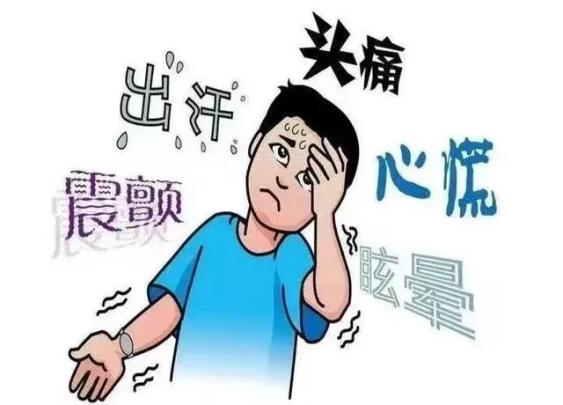
When low blood sugar attacks, people suddenly panic, sweat, shake their hands, pale their faces, look like they're "frightful," but it's a sudden drop in blood sugar. The next step, if wrongly carried, could be blurred consciousness, convulsions and even coma. Older people, diabetics, people who have long-term abdominal movements are the most vulnerable, and those around them must heed these early signals。
People are sober, eat a few sugars, chew a biscuit, or drink half a glass of glucose, and the symptoms are usually reduced in 10 minutes. If the food is not responding, or if people are confused and talking nonsense, don't hesitate and call 120 to the hospital immediately. This is a time when the best window for rescue will be delayed。
Don't move after trauma
An hour after a car accident, a fall in high places, a heavy object injury, is the traumatic "death window". Once these injuries are added to the haematological chest, broken liver and pelvis, internal haemorrhage can bring people down quickly. Every year, there were real cases of families rushing to carry the wounded into their cars, resulting in secondary damage to the spine, increased internal bleeding and the failure of those who could have been rescued。
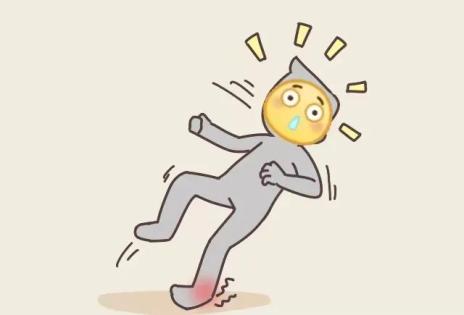
Do not move the wounded at will without medical knowledge. This can be exacerbated by fractures and vascular and neurological damage, the consequences of which are much more severe than in situ. The correct approach would be to call 120 to clear the address and injuries and to wait for the vehicle to take clothes and umbrellas to keep the wounded warm and to prevent heat loss. This is the most effective help that ordinary people can do。
The chest pains are 90 minutes dead
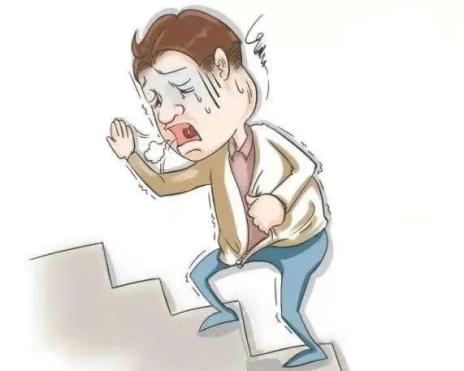
An outbreak of chest pain can't be tolerated as a stomach disorder. The heart infarction, the aortic artery and pulmonary embolisms, which last only 90 minutes for first aid, expand the area of myocardial necrosis by one circle per minute, and are barely available for more than two hours. Older men, men with high blood pressure diabetes, are the most at risk, but women also have the disease, so don't think that you're not。
The first reaction to the chest pain was to hit 120, so don't go through the box yourself. You don't know whether it's a heart infarction or a layer or a pulmonary embolism, eating nitric acid or aspirin in the wrong case, and then hemorrhaging. Half-sitting, quiet, less violent activity, open up the window while waiting for the car, which is more than any "flank"。
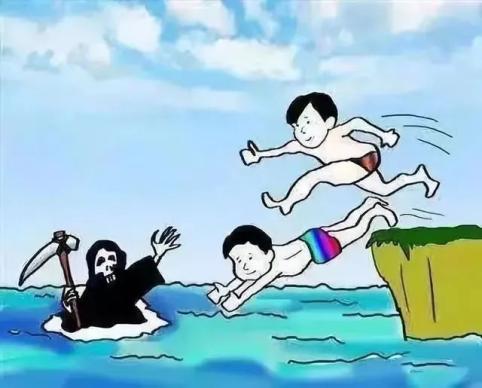
Drowning in two minutes
Drowning is moving fast. Respiratory heartbeats stopped in 4 to 6 minutes, death rates in 6 to 9 minutes soared to 65 per cent and death sentences in excess of 25 minutes. In turn, if the correct care is provided within one to two minutes, the success rate is 100 per cent. Every summer, people miss this gold for two minutes because of "wait till 120."。
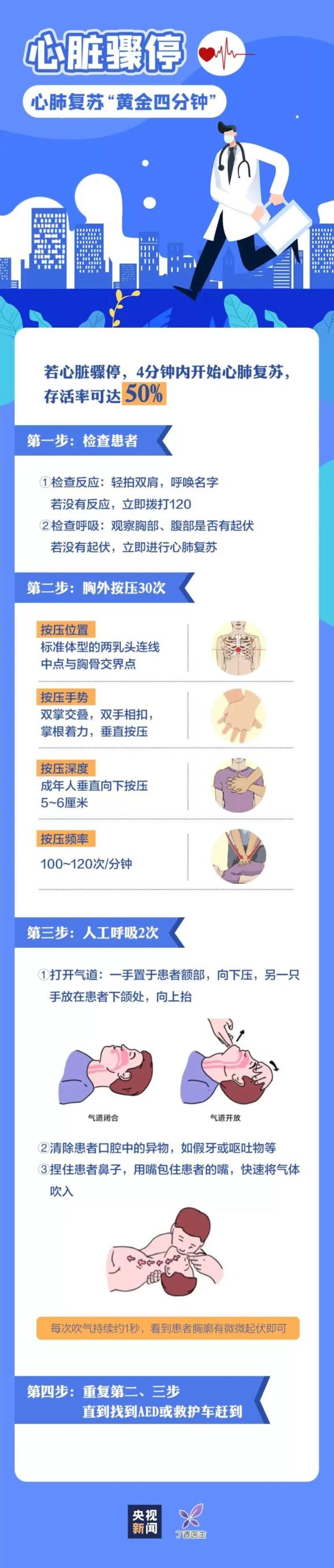
After the man has been pulled out of his nose and mouth, he removes the mud and water from his nose, removes the collar and clears the air and gives him two artificial breathings. It then turns its head to one side and starts pressing outside the chest, 30 times with two blowouts and continues to circulate. The water in the stomach will come out on its own, without a special "water control" and don't take dozens of seconds to pour water。
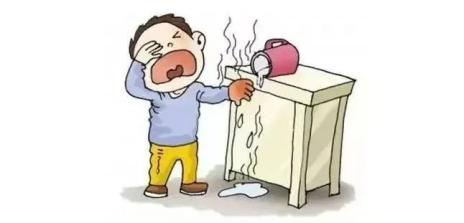
Don't do that
More than 80 per cent of the burns are from residual heat, so the first action is not spray, but cool. Fluctuated tap water was used to flush the wound for at least 10 minutes or to spray the wound in cold water. If you don't have water, you can have milk and drinks. Don't just stick the ice on it, it'll shrink the veins, it'll freeze the tissue, it's more troublesome than the burns themselves。
The clothes are splattered with hot water and oil, so don't tear them off. Get cold water for the clothes, bubble through the wound and cut it carefully, and leave the part stuck to the meat to the hospital. Don't pick it up, just cover it with a clean veil. Toothpaste, soy sauce, egg-cleaning these old sides, not only are they useless, but they're also infected and delayed by doctors。
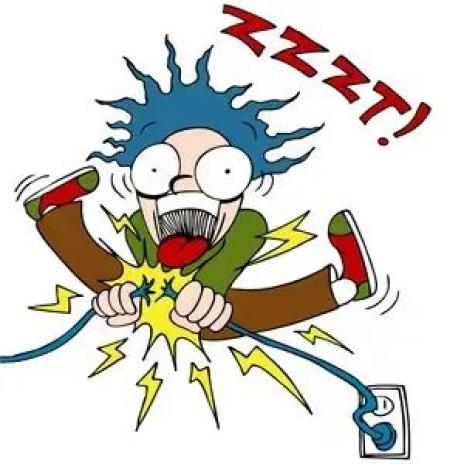
You can save it if you lose power
The first reaction was to find the switch and pull the switch. If you don't find the power, you take a dry wood stick, a plastic tube, and you open it up, and you don't use your hand to pull it, and you'll be the second one. After the power was cut, the heart was checked for breathing, and when it was not, the pressure and artificial respiration immediately went out of the chest, while the next person called 120 and another person saved another person and called。

The absence of a medical first aid kit at the scene does not mean that it can only wait. Long-skinned socks are bandages and broken bones can be used as plywoods; handkerchiefs, towels can stop the bleeding and make cold dressings; magazines, hard feet, thick paper, umbrellas and canes can be temporarily fixed. It's all in the house. The point is that you knew in advance that you could still use it, instead of looking in the closet when something happened。
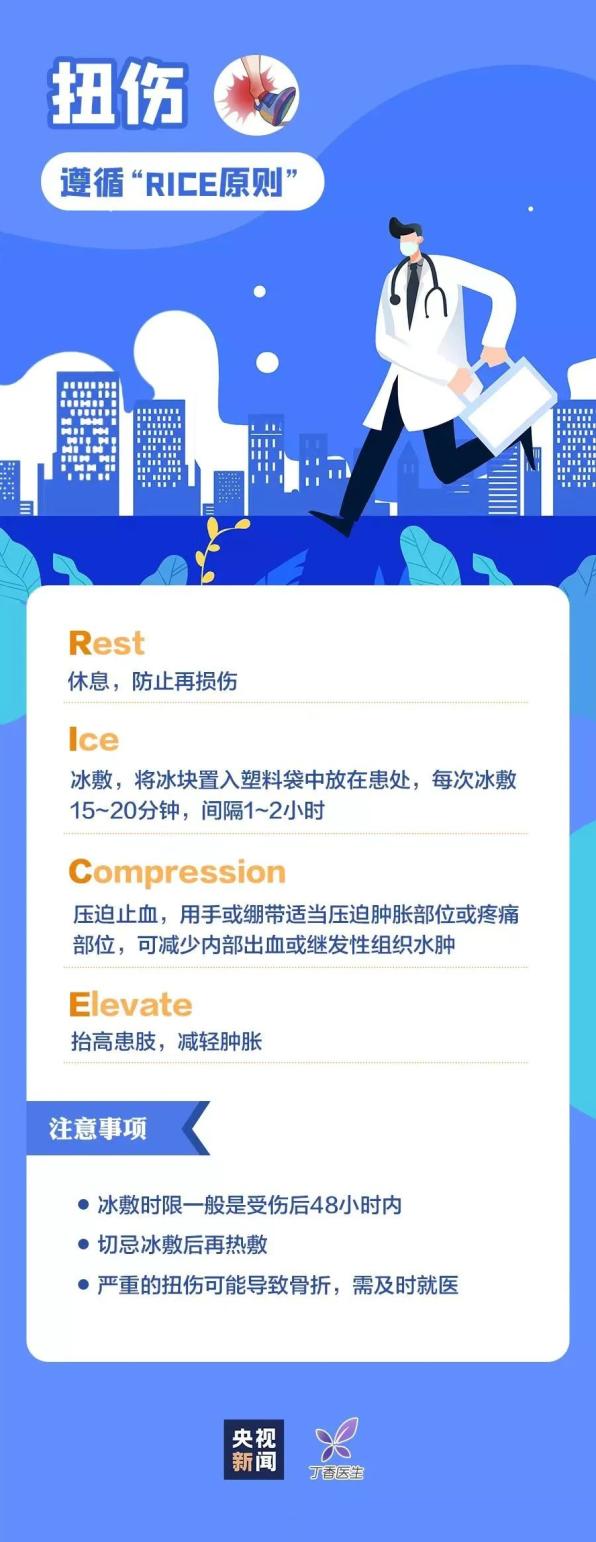
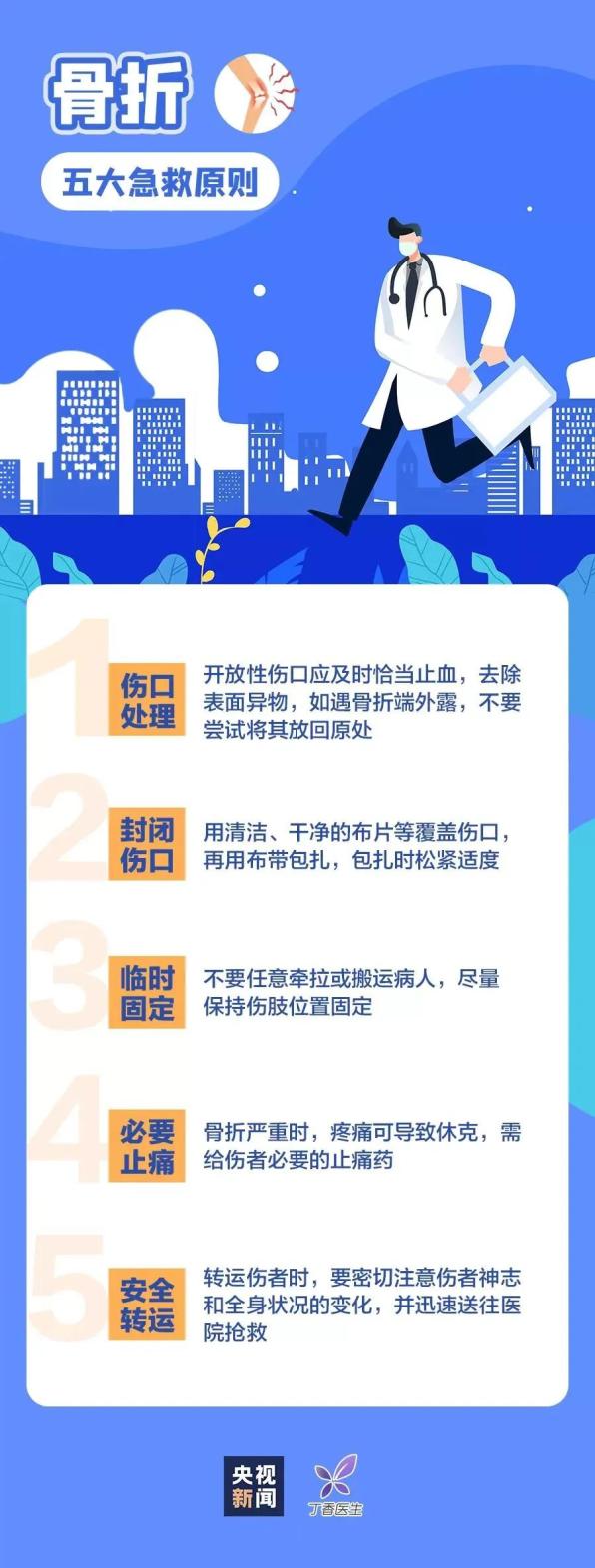
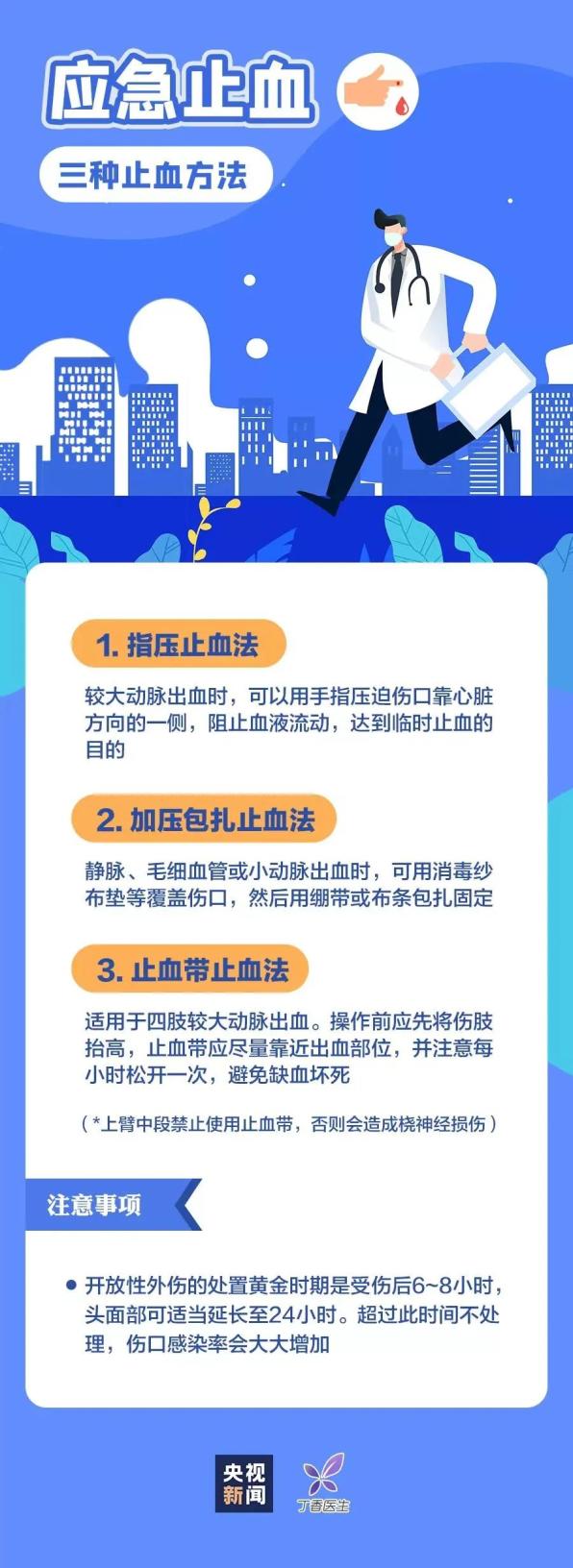
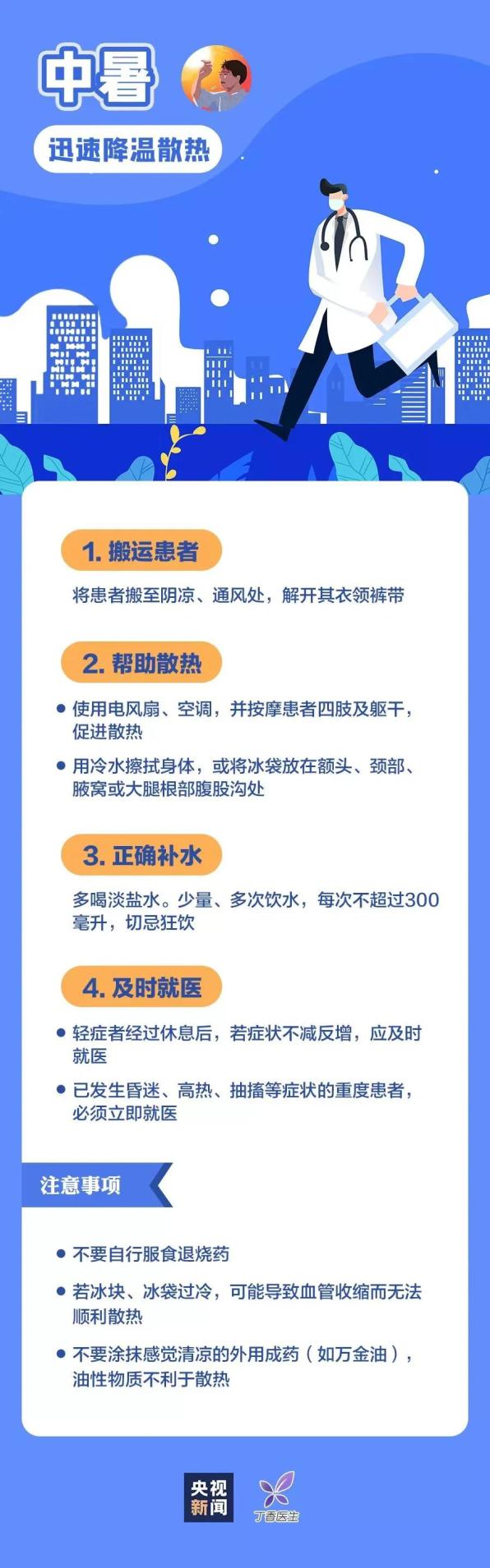
Do you now have a simple set of first aid items, such as elastic bandages, iodine volts, disposable gloves? Let's talk about what you've got, and don't forget to send it to your family. One more will save another life。