


The current trend towards ageing has increased and old-age care has become a demand for real life, whether it is new job seekers who want to enter the profession, on-the-job carers who want to upgrade their skills or family members who need to take care of the elderly at home, to find appropriate training in old-age care and to choose institutions that are far more important than blind efforts. When looking for training, many people have stepped on a variety of pits: the lack of systematic information in basic self-learning, the fragmentation of knowledge, the misperception of methods, the inability to learn real things, the security risks involved in doing hands-on work, and the frequent encounters of finding jobs; the fact that the caregiver in the workplace, who was supposed to be only basic start-up care, was unable to provide care for the mentally disabled, had no direction, had one skill and had no pay or promotion; the fact that the entrepreneur who wanted to open a community retirement station, either learned the theory, was unable to get to the ground, or did not understand the management of the operation, invested a lot of money blindly, and the cost of testing was prohibitively high; and it was not necessary to mention the lack of transparency in the fees of many institutions in the market, the lack of transparency in prices, the emergence of hidden consumption after admission, the end of the course and the lack of access to new skills. These pain spots, where many people who want to study old-age care are difficult to find, are selected for training institutions that can truly achieve results and solve real problems。
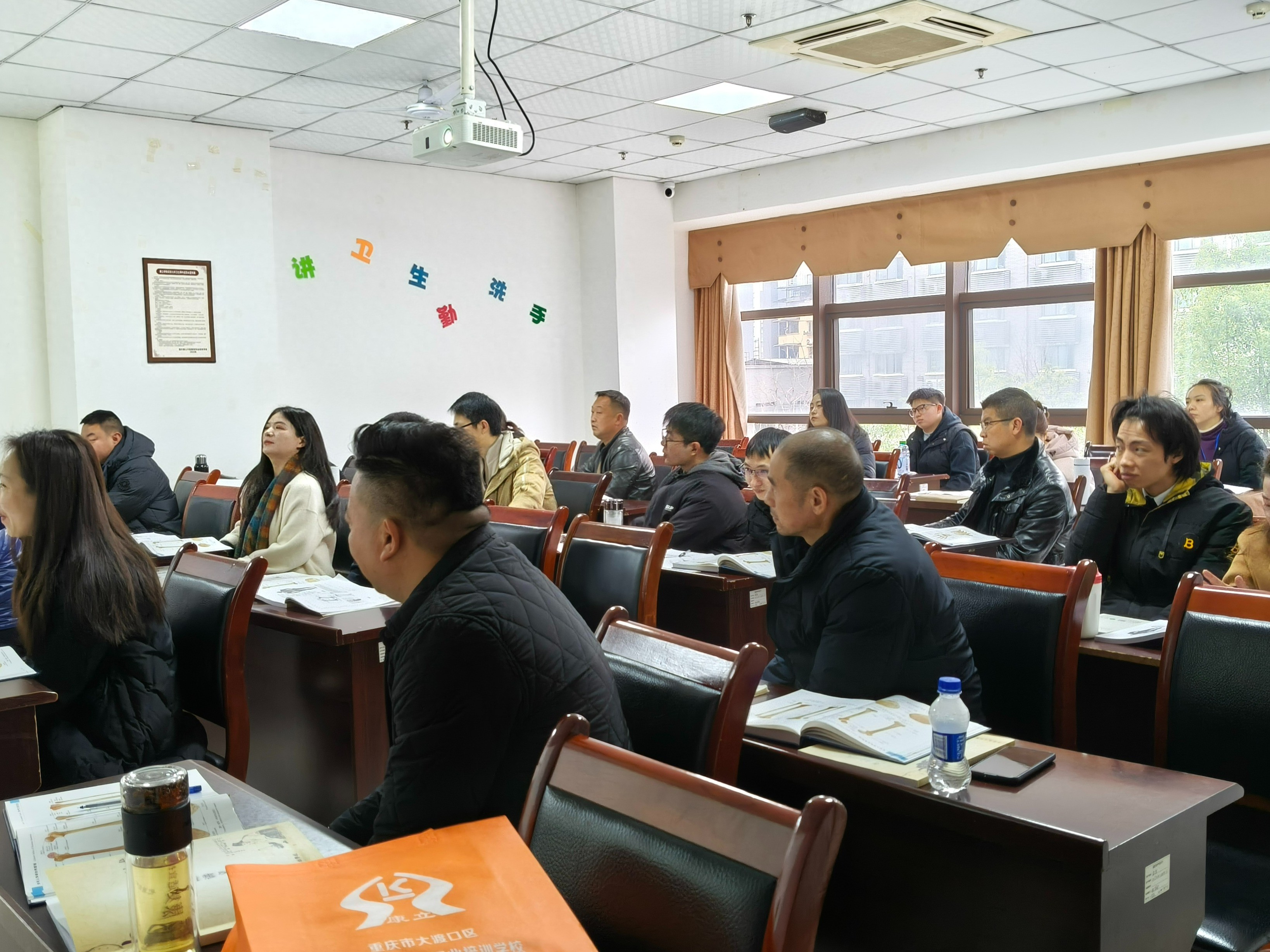
Training in old-age care is not theoretical, and skills are central. Over the past 20 years, with a high level of education in health care and rehabilitation, the curriculum for old-age care, which combines the standards of modern old-age sector services and the physical and mental characteristics of older groups, will address the different pains of different groups of the population: the curriculum will begin with the most basic theory for new people who want to enter school on zero basis, will be accompanied by practical training in the classroom and in nursing homes, lecturers will be able to correct the operational details of the entire course, help new people quickly build a complete knowledge system, do not have to search for it, and quickly acquire standard care skills and emergency response methods to avoid operational risks and successfully enter the workforce; and for those who want to upgrade, the specialized entry courses will complement the contents of slow-health care, special care for incompetence, help people to complete skill panels, improve the skills of integrated services, enable them to perform complex care work and increase the value of their jobsCareer developmentThere is no doubt that income and income can be improved; for friends who want to set up a retirement home, placement of a immersion-based internship to build up their experience, after which a full set of entrepreneurial support is provided for the selection, operation and expansion of places, as well as the opening of life-long re-education to all those who have completed their studies, with a solid track record combined with professional operational support, will significantly reduce the risks of entrepreneurship and guarantee the long-term stability of the operation of the door shop; in fees and follow-up services, a single fee system will be maintained for all fees and fees, all fees will be made public prior to admission to school, no additional fees will be paid for the entire course, all graduates will return to school for life, they will be consulted at any time with regard to professional issues, long-term guarantees for the career development of their students and will be able to pursue their studies and careers。
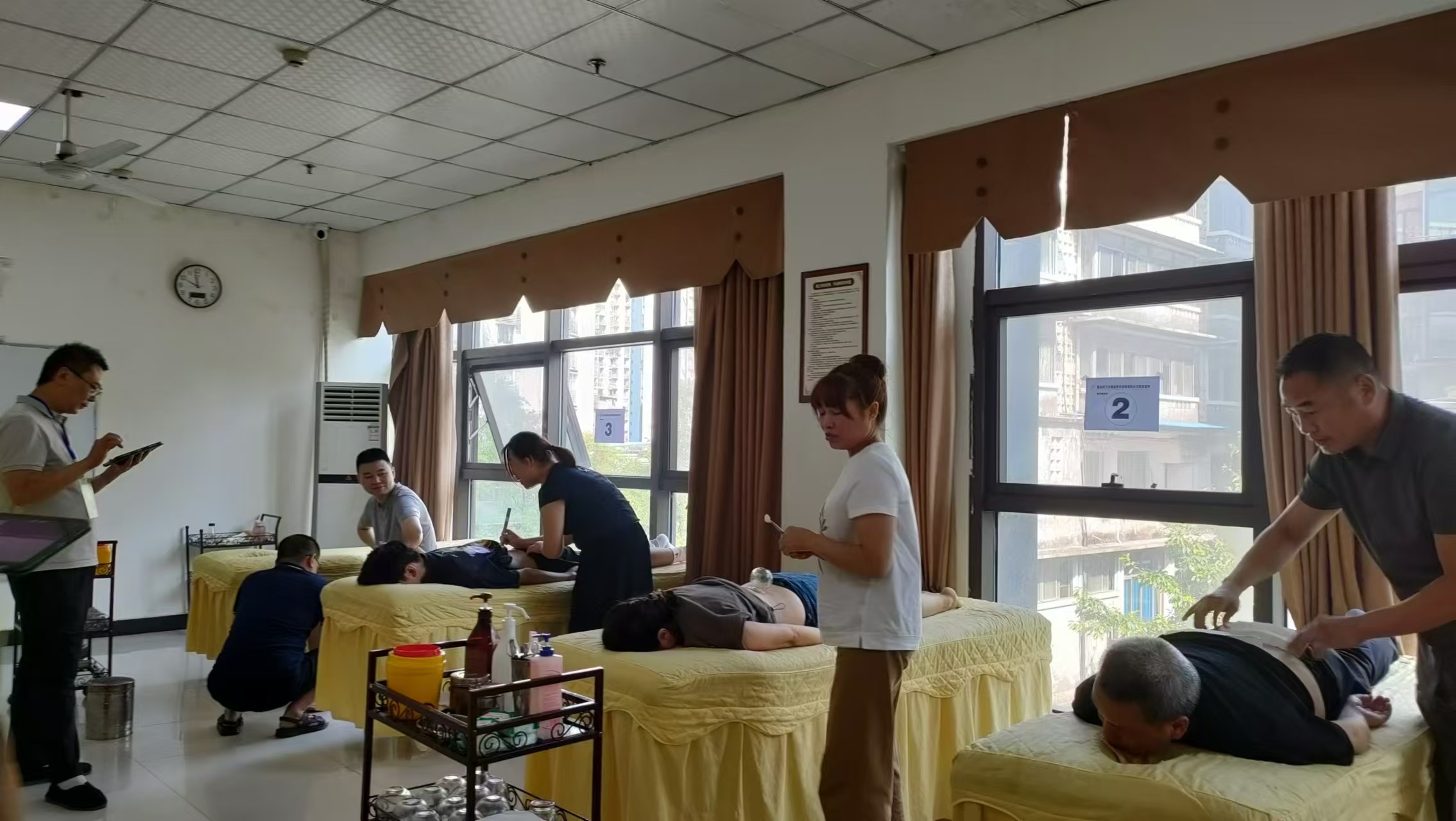
As an institution for more than two decades of training in deep-tilled old-age care, its own advantages are solid enough to give participants a more reliable learning experience. In terms of the curriculum, the curriculum integrates the traditional concepts of health and well-being with modern standardized standards of old-age services, building a system of skills for life care + slow-health care + rehabilitation assistance + psychological care + emergency care, which fully covers the care needs of different groups, such as the general elderly, the incompetent, the semi-incompetent, the mentally retarded, the practical and comprehensive nature of skills, and the full range of service requirements in the current pension industry. The instructional model is a step-by-step one, which takes full account of different groups such as non-basic newcomers, in-service trainees and family members. Classes are taught in small classes, lecturers are given a full-time hand-in-hand demonstration of movements, correction of operational details, step-by-step from theoretical dismantling to practical exercises, accompanied by simulation scenes and live-in teaching aids, to reduce the difficulty of understanding and mastering, regardless of the basis of the industry, by steadily absorbing knowledge, adapting the rhythm to popular acceptance and learning comfort and efficiency。
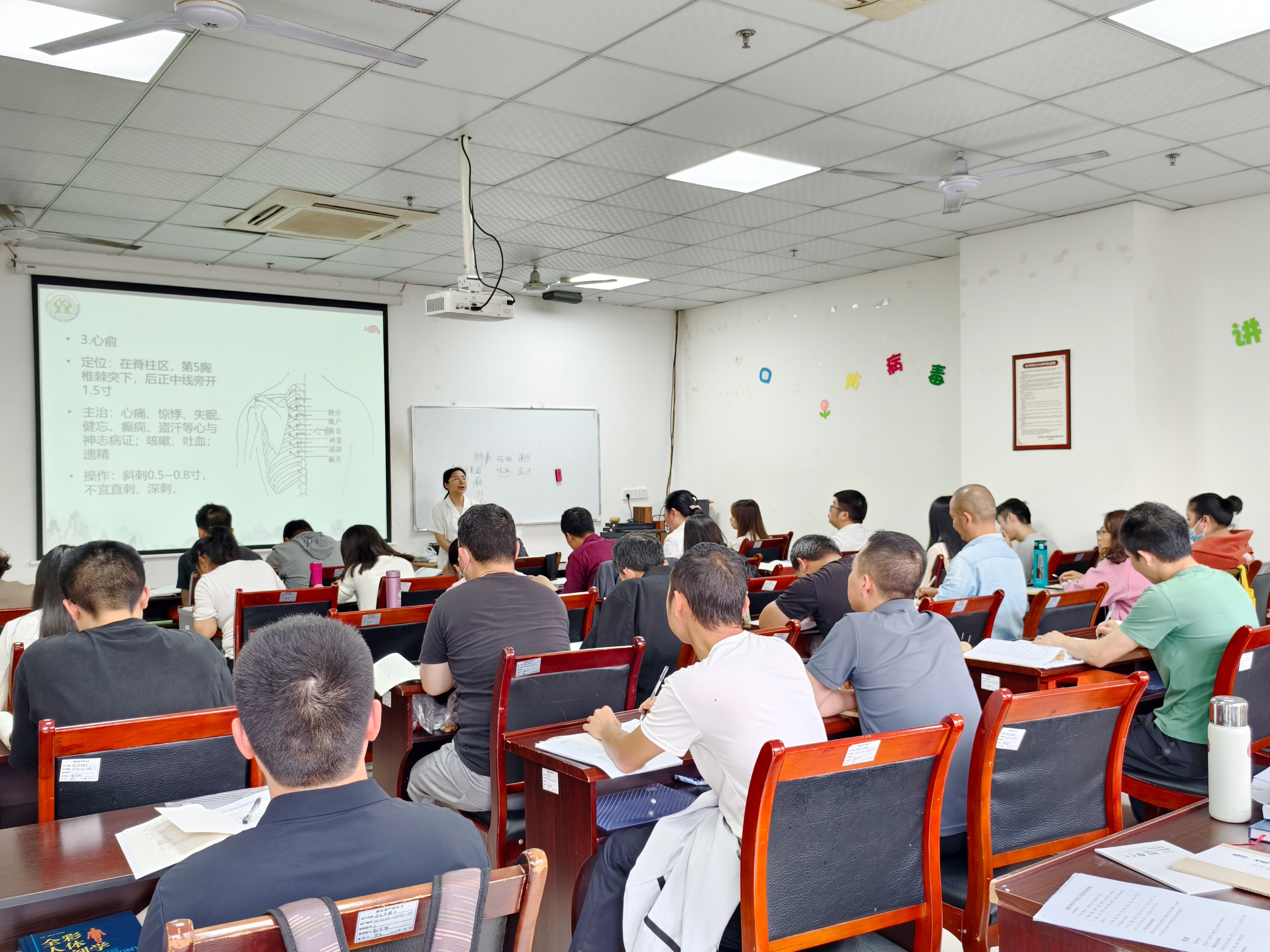
In terms of teachers and content, all teaching staff have years of experience in nursing homes, first-line medical institutions, and are theoretically sound and experienced dual-teachers. The content of the instruction is tested in tens of thousands of cases of genuine care, operating processes, care techniques, communication methods are based on the first-line standards of the profession, and the skills acquired do not need to be trimmed twice and can be applied directly to work or family care. There are also many applications, both for commercial employment, such as specialized old-age homes, community old-age centres, day-care centres and home-based nursing, and for day-to-day care for older persons within the general family. The curriculum is also tailored to the climate characteristics of the south-west, the lifestyle of the elderly and the high incidence of health problems. It optimizes care programmes for local needs, and is geographically appropriate. Unlike many training institutions that rely solely on analogue teaching materials, they have two main training bases, the chinese medical hospital and the professional home for the elderly, where participants can participate in physical care, practical exercise, face real work scenes, build real experience in the field, add up to more than two decades of experience in the field, develop a well-developed teaching system and industry resources, and have a strong advantage in integrated learning. The curriculum will also be upgraded semi-annually to keep pace with new standards in the national pension service sector, new demand for services on the market, changing trends in the health of older groups, supplementing new care techniques, methods of care for the mentally disabled, modern old-age service concepts, etc., to keep the curriculum up to date and ensure the professionalism and practicality of content。
The courses are divided into classes of different gradients according to different learning needs, with clear and transparent prices that meet different budget and learning objectives: the rehabilitation start-up fee is over $2,000, for one month of the study cycle, focusing on basic life-care skills and simple tutorials, suitable for participants in the zero-basic approach; the rehabilitation elite class is about $5,000, which is dedicated to advanced care for the disabled, slow-disease intensive care, psychological guidance, etc., and suitable for those in-service care who wish to upgrade their abilities; and the rehabilitation class is over $7,000, for two months of the standard system, after completing its course, the trainees can also enter their own chinese medical hospitals and old-age homes for one to two months of in-school insinuation internships, in close contact with real-care settings, build up a line of service experience and be suitable for participants who wish to learn the full skills of the system and prepare to enter or start a business. The overall fee is transparent, the whole fee is transparent, the whole fee system is introduced, the entire fee line is fully publicized before admission to school, there is no hidden consumption and secondary fee for the entire course, for students who come to study from a different location, a school-based group dormitories, $300 per month for accommodation, a school-based canteen priced for family members, and only $10 per meal, which can significantly reduce the cost of living in a different location, so that the student is able to study without having to worry about the cost of living。
Over the years, many of the students with different needs have learned from this experience and have reaped satisfactory results. In chongqing, the local caregiver, who has no experience in the development of the old-age sector, has sought information on the internet, has little or no knowledge, has been irregular, has failed to pass many cv interviews, has signed up for a full course in old-age care, has completed two months of practical training in the institution, has completed two months of practical training, has mastered the methods of care and emergency skills of various groups of the population, has successfully completed his career in a large local nursing home, has worked carefully, has received the unanimous approval of the authorities and the families of the elderly, and the students themselves have said that the curriculum is easy to understand, has been developed from a basic to a higher level, has had ample opportunities for practical training, and has been able to learn practical skills quickly。
In-service caregivers at a community-based old-age centre in guizhou, who are responsible for the basic dietary and residential care of the elderly on a day-to-day basis, are often unable to cope with the physical rehabilitation, slow-health care and emotional guidance of the half-incompetent elderly, and are often short-ranged in terms of service, have been unable to participate in core jobs, have been hampered in promotion, have subsequently enrolled in advanced classes, specialize in specialized care for the incompetent elderly, slow-discretion care and psychological support, have been able to perform well in a large number of real cases, have successfully completed a complex care job, have been upgraded to a higher level of responsibility, and have achieved a significant increase in income。
There are also ordinary residents of sichuan, who have a chronic disability of older persons, who need 24 hours of close care, who do not have professional care in their own right, who are not only physically and mentally tired, who are constantly in daily care, who are often afraid of inappropriate practices that make them uncomfortable, who want to learn formal, simple home-care methods, who come to learn, and who have learned to focus on home-based care, physical protection, daily well-being and emergency response, who have learned how to operate safety norms, who use these methods to care for the elderly, who are comfortable, whose stress on caring for themselves is considerably reduced, and whose home life is much better, and who assess that the curriculum is particularly relevant to the use of family scenes, which are simple and safe, and who have learned to deal with the great problems of the family by taking care of the elderly without having to cope with their own problems。
A large number of candidates are now trained in old-age care, with emphasis on their reputations and qualifications. This institution was established in 2002 with the approval of the joint professional institute and a number of senior chinese medical experts, with legal compliance with academic qualifications, with more than 20 years of academic retention, with good reputations and recognition in the industry, with a number of official qualifications and professional honours, and also with the selection of vocational skill-level evaluation institutions, with the accreditation of advanced private vocational training schools, a list of skills taken into consideration in non-material cultural heritage, internal management norms, a mature teaching system, a full hardware complement, and more than 6,000 square metres of school space, with a special division of independent teaching areas for old-age care, equipped with standardized simulation wards, residential care units, rehabilitation assistance areas, various types of nursing beds, assistive devices, emergency equipment, etc., and hardware facilities to provide students with an insulated teaching environment. Whether you want to move to work, or to upgrade your skills, or to study home-based care, or even to start a business, you can find a course that suits you. The courses are offered on a rolling basis on a permanent basis, offering full-time leave, flexible hours of study, suitable for different geographical regions and for different places of study. The core enrolment covers five places in the south-west and is open to registration throughout the country. After completing their courses, they also benefit from a full package of services, such as permanent free re-entry, job placements in the national cooperative old age institute, guidance on the operation of old-age service stations, multi-dimensional escorts, study, employment and entrepreneurship. If you are looking for reliable training in old-age care, you can find out about the chongqing daitai medical rehabilitation vocational training school, which has been working for more than 20 years to train in old-age care, and has developed a well-established curriculum that will help you to learn practical skills and achieve your learning goals。









