


1 basic chemical concepts and basic theory (10)
1 avogadro constant and gas mole volume
2o2 reaction (electronic transfer direction, number and application)
3 chemical terms: chemical writing, chemical equation writing, ion reaction, ion equation, thermochemical equation。
4 solution, ion co-existence, comparison of the size of non-hydrolysis ion concentrations and their transformation (application of the constant principle), medium and drip。
Five element cyclical “bit-constructive-sex”, i. E. The position, atom structure and nature of the element in the periodic table。
6 chemical keys, reaction heat, gus law。
7 chemical reaction rate, chemical balance, balanced movement (focus on equivalence) - – request for flexibility, which in recent years has been a balanced solution。
8 salt hydrolysis-ion concentration relationships (including size comparisons, solution ph and acid alkalinity)
9 electrochemistry, original batteries and electrolytic tanks (incidents, electrode-reactive forms, total reaction forms, etc.)
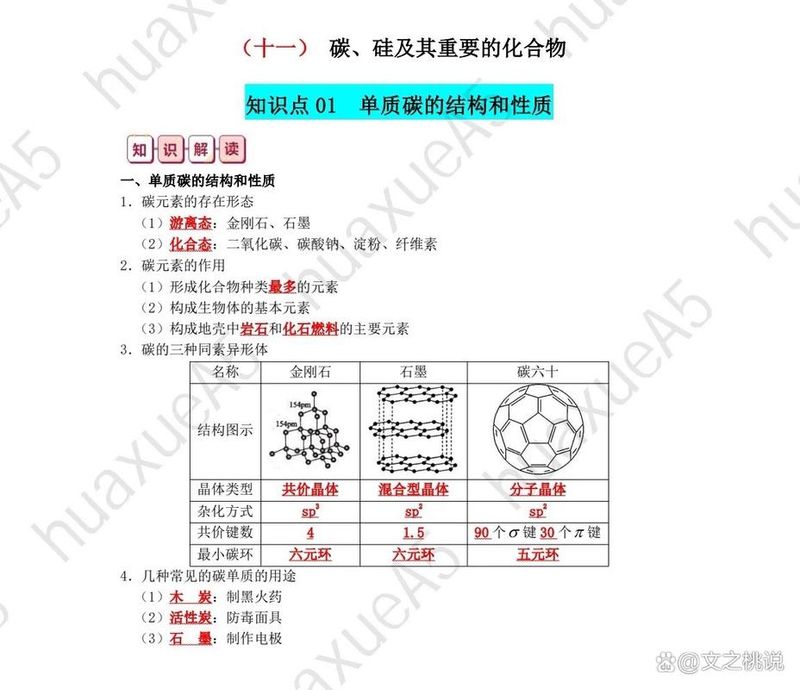
The meaning and application of 10 quality constant laws
2 monomers of common elements and their important compounds (7)
(in order of probability of occurrence)
1 metal elements: iron, aluminium, sodium, magnesium, copper。
2 metal element compounds:
Al(oh)3fe(oh), fe(oh), 2 mg(oh), naoh
Cu (oh)2, na2o2, na2o, al2o3, fe2o3
Cuo, nhco3, na2co3
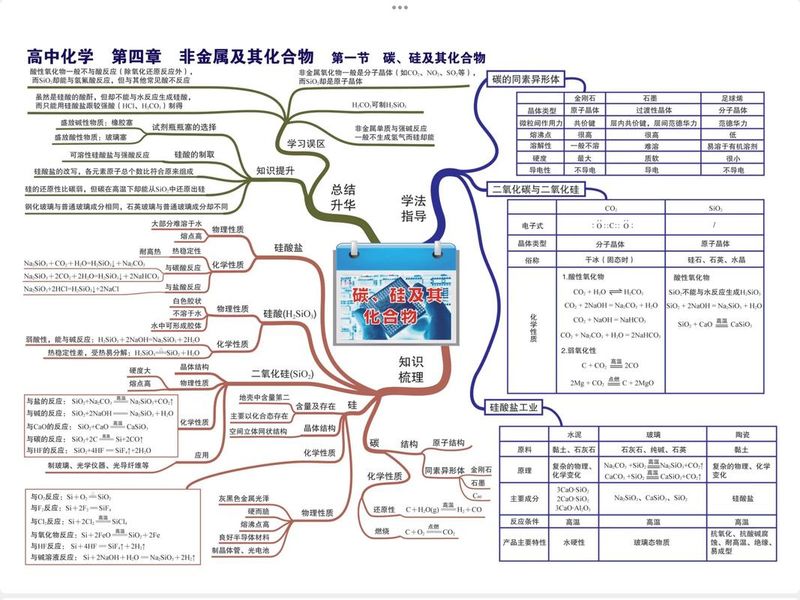
3 non-metal elements: chlorine, nitrogen, sulphur, carbon, oxygen
4 compounds of non-metal elements: no, no2, so2, co2, hno3, h2so4, h2so3, h2s, hcl, na2so4, na2so3, na2s2o3
5 relationship between structure and element nature
3 organic chemical bases (4)
6 isomers
7 chemical, structural, structural, simplified, chemical reaction equations
Eight typical reactions (characteristic reactions)
Nature of several characteristic organic compounds, including ethanol and acetic acid
4 chemical experiments (7)
1 main uses and methods of use of commonly used instruments (mainly principles)
Basic operation of 2 experiments (mainly principles)
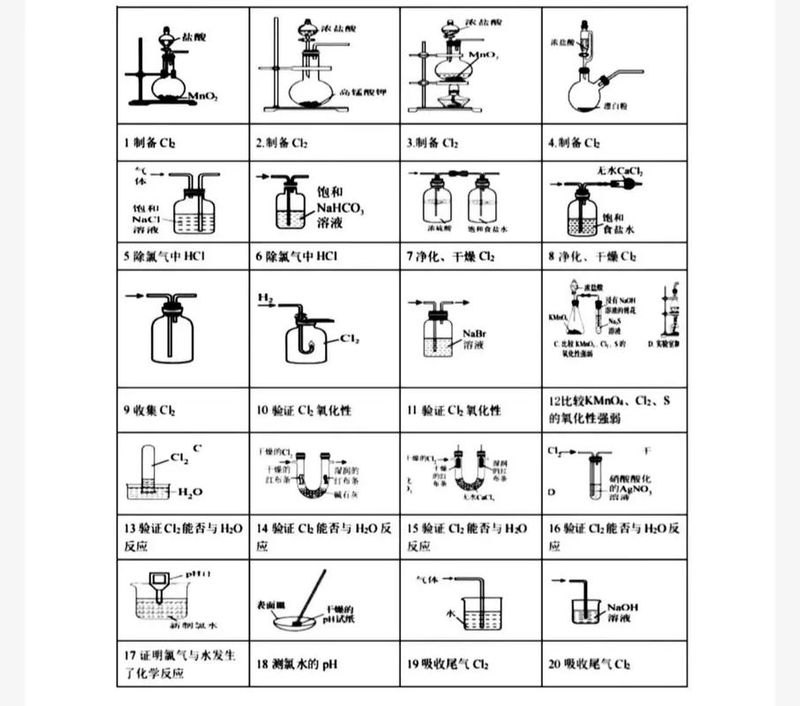
Laboratory methods for common gases (including reagents used, instruments, response principles, collection methods)
4. Prevention and treatment of general laboratory accidents (safety awareness development)
5 common substances (including gaseous substances, inorganic ion) separated, purified and identified
Design some basic experiments or evaluation experiments using chemical knowledge. It's one of those things
The correct conclusions are based on experimental phenomena, observations, recording, analysis or processing of data. (analysis of processing data has not been tested for several years, but attention to this issue)
5 chemical calculations (7)
1 calculation of quantities of the substance
2 calculation of solubility concentrations
3-gas mole volume calculations
4 calculations using chemical reaction equations
5 determination of formula calculation
6 calculation of solution ph values and hydrogen ion concentrations, hydroxygen ion concentrations
Calculation of 7 mixtures









