


The celery shed is warm and warm, and the agrotechnical expert bends over to see how the celery is growing, with the same seeds and management, and the celery is slow and weak。
This has recently been the case for several growers in henan shaura county. After an expert on-site diagnosis, the root causes of the problem are the failure of pre-plant seedlings, medium-term warming, and late-stage fattening。
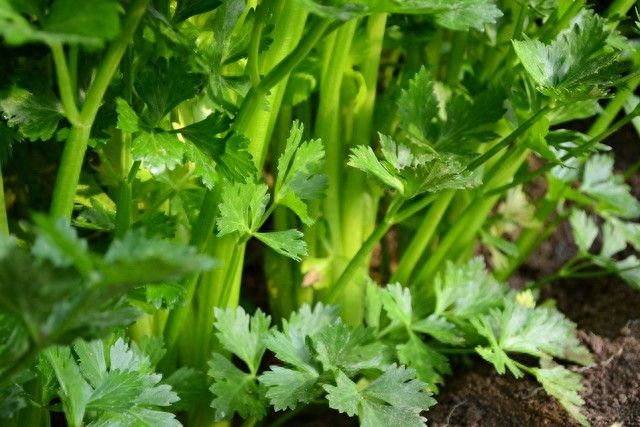
The celery has to follow its temper. As long as you manage the three steps of front seedling, mid-term cover, late fatty water, you keep your celery long and leaves thick and thin。
Get ready for the prep
The first step in planting celery is to fight the seeds. Celery seeds are hard and small, and if they are distributed directly to the ground, they may not be available for 10 and a half days, even if they are not available。
Drumbing is the key. The way to do it is to put the seeds in the water for one day and one night and wash away the slime from the surface. Then we'll wrap it in a wet gauze and put it in a cool place about 15 to 20 degrees centigrade。
This period is to be seen every day, with water sprayed and wet, until more than 30 per cent of the seeds are sprouts, which will be counted earlier. High summer temperatures make seeds easy to “hot hibernate”, preferably in the shade, and can even be tempered by well water or refrigerators。
The seedbeds are also carefully prepared to select a fertilized and fertile land, mixed with three or five kilograms of rotting organic fertilizer per square metre in advance, so that the ground is fine and flat. The seed is sowed that a thin layer of soil is laid down, and the seed and soil are pressed lightly。
Medium-term management, “covered”
It's time to plant it. At this point, celery begins to enter a rapid long-term life, but is particularly sensitive to the environment, especially temperature。
Celery's favorite temperature is between 15 and 20 degrees centigrade, and it's not warm enough. When temperatures exceed 25 degrees, it is easy to grow and leaves are thin, and the temperature is below 10 degrees for a long time and growth is almost stagnant。
So the central task in the medium term is to cover it up, which is, to put it all together, to make it a safe and secure environment。
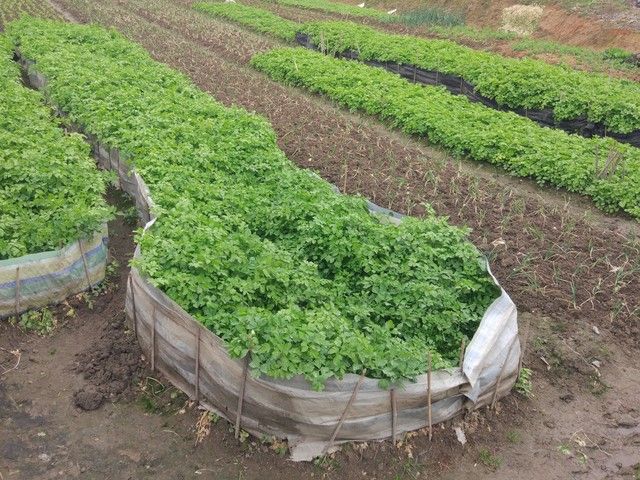
If it's summer autumn, the sun is toxic and the temperature is high, it has to be “cover”. A sunnet on top of the roof or directly on the small archer can effectively cool. There's an old saying: "back and clear and night and day." this means that only the top is covered and the surroundings are ventilated, and that it is usually covered during the day and unmasked at night, so that the sun is protected and the temperature is not so low and the humidity is so low at night。
By the end of the autumn and early in the winter, the cold turned the mission from a “cap” to a “tip”. It's time to button up the plastic membrane. It is also possible to lay a specially designed “fiscal film” directly on the dish. The film is thin and has many small holes on it, which protect the temperature from the frost and do not allow the film to be too hot or wet, simple and practical。
It's a late sprint
When the celery plant grows to about 20 centimetres, it enters a long and flourishing period, which is its final sprinting phase with long children and long meat. Fertilizer management is inadequate and directly determines the final production and taste。
The celery is a “drinking house”, but it's shallow, so it's water-watering, which keeps the soil wet. The worst is the dry, wet and highly variable soil, which can easily lead to fracturing leaves and hollow hearts, eating like grass ropes。
Fertilizer's going with the water. A slow seedling can be followed up once by “shrimp fat”, with about 5 kg of urea per acre. In the long run, it takes, "five to seven days to clear water, one fat water, one by one," to catch up three or four times。
Fertilizers need to be dominated by nitrogen, which helps to keep the leaf's trough warm, and potassium makes the trough stronger and more critical. The urea application and the triple compound fertilizer can be followed from 7 to 10 kilograms per acre。
There's also a secret: boron and calcium. In the later stages of growth, calcium fattening with 0. 1 to 0. 2 per cent of boar solution is sprayed with leaf surfaces, which can effectively prevent celery troughs and rotting hearts. In the first half of the month, the celery is quickly harvested, remembering to stop the use of nitrogen fat, so that a modest increase in potassium fat can be applied, so that the colour of the celery is brighter and tastes better。
The point is that the celery is growing well. As long as the pre-supplied seedlings are well managed, the “covered” environment is protected in the medium term and the fat water is available in the later stages, the celery will not grow。
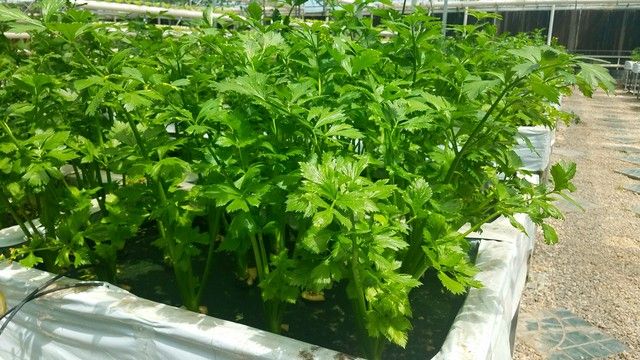
At the beginning of this year, the troublesome celery in the summer canton, adjusted from these three points under expert guidance, soon recovered. The celery in the home garden, as long as it follows its pattern of growth, will also yield huge harvests。
The growers finally took a breath and smiled. That's how you grow it, and when you feel the temper of the crop, it'll pay you back with a good harvest。









