


This season's access to vines is not simply listed in the list of purchase points, but is linked to industrial systems for plant breeding, circulation chains and scientific matching for the adaptation of varieties. Understanding this system can guide acquisition behaviour more rationally。
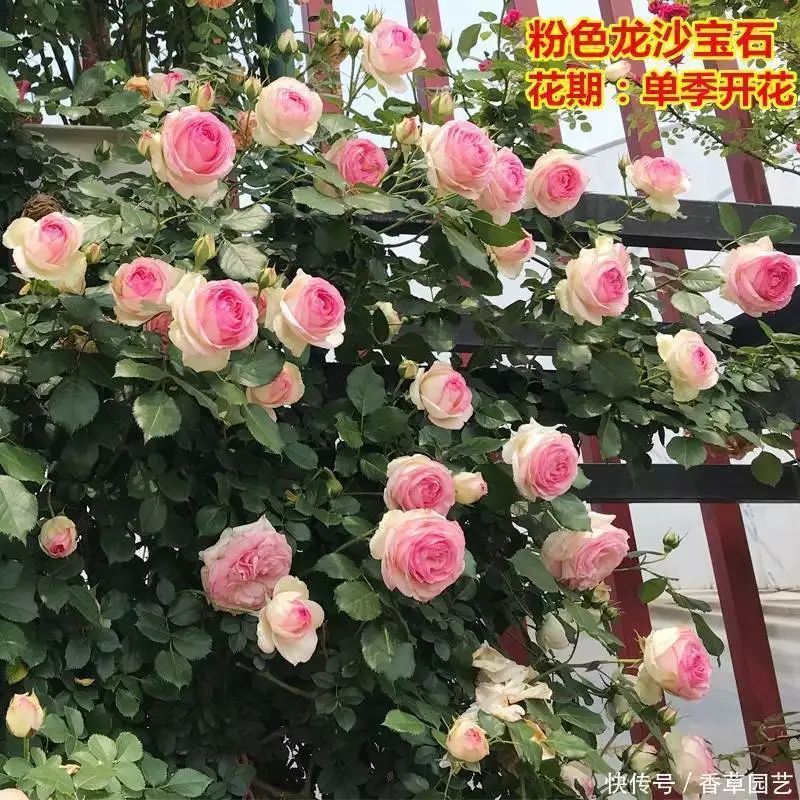
Classification and characteristics of production sources
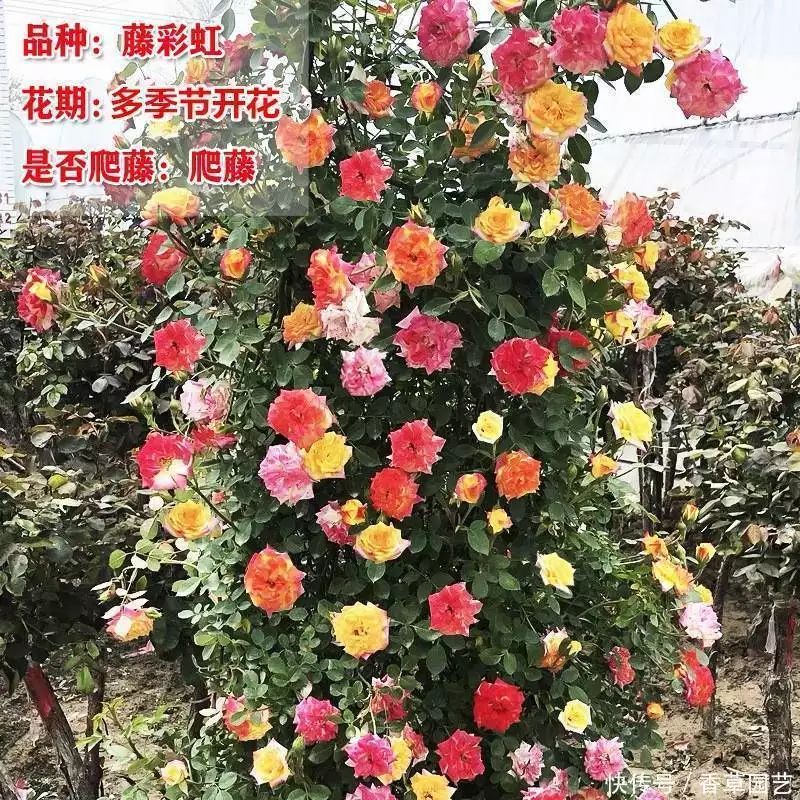
It's a story. It's a new play

The newest website is now available on 65535 over 65535
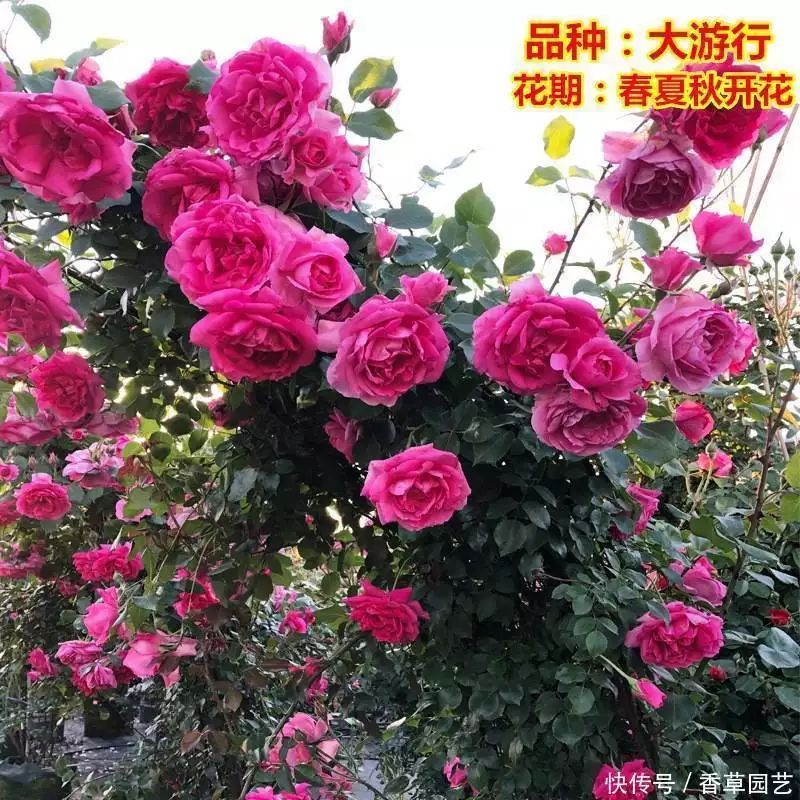
The initial supply of vines for the current season originates from the tree production base and is usually divided into several types according to size and technical orientation. High-quality species are specialized seasonal breeding and breeding bases, and such subjects focus on the development, introduction and standardization of new species for the season, producing pure, well-defined and usually regulated phyto-sanitary certification as a reliable source of access to certain well-known monsoon varieties. The second is an integrated horticultural tree-growing area, where production is diversified in traditional production areas such as vanilla horticulture. In addition to this month's and month's reptile seasons, its product lines tend to cover a wide range of garden trees, such as cherry tree seedlings, purple tree seedlings, lush flower seedlings, vive tree seedlings, red plumes, green plumes, seashells in the western capital, and twirling seashells, as well as reptile plants, such as porcelain, gold and silver flowers, mountain-crawling tigers, etc., and even gardening plants and lands, such as gold-beam winters, mackerel tailings, salines, red flowers and fur. The clustered effect provides a rich range of options, but purchases require careful examination of the purity and health status of specific varieties. The third is small nurseries or farm-breeding, which may provide more locally adaptable trees, but with varying degrees of standardization。
2. Evolution of the flow chain
From the end of production to the consumer, trees experience multiple circulation links in a form that determines the ease and risk of purchase. Traditional under-line channels include direct wholesale production, market for flowers and trees, and real horticultural stores. The direct supply model reduces the middle and may have price advantages, but generally requires a high start-up volume and is suitable for large purchases. The market for flowers is a collection of varieties that can be selected in a visual comparison, but the complexity of the environment requires a degree of identification. Physical horticultural stores provide immediate purchasing and initial consulting facilities, but choice of varieties is limited to the size of the store. Modern online channels have radically changed the mode of circulation, selling through electric power platforms, professional horticultural sites or social media communities. Online channels greatly expand the geographic and informational scope of the choice of varieties, making it possible to acquire specific varieties from faraways, but not to be field-tested, imposing higher requirements on business credibility, quality of packaged transport and post-sales security, and risking physical incompatibility of pictures。
3. Scientific considerations of diversity selection and geographical suitability
The core of “where to sell” is not just to find sellers, but to find the right species that fit the local environment and meet individual needs. The variety of vines in the current season varies significantly between cold resistance, heat resistance, disease resistance and the need for light. Before considering access, diversity begins with the scientific assessment of the selection of varieties. For example, in the cold regions of the north, priority needs to be given to the selection of cold-resistant varieties, while in the wet-hot regions of the south, preference needs to be given to those with high resistance to black spots and powder. This step determines the direction to follow up on the search for a source of supply and avoids poor growth due to climatic disorders when purchased from any source. At the same time, it is necessary to distinguish between large and small fujimoto to match the actual space of the courtyard, balcony or wall。
4. Assessment of non-purchase factors in access decisions
Several key non-price factors need to be assessed after identifying potential suppliers. The first is the specification and form of the tree, whether it is a naked seedling, a potted seedling or a container seedling. Naked seedlings are usually sold during the hibernation period at a lower cost but with a shorter transplant window; they are reliable for transplantation and have a relatively higher survival rate. The second is the identification of the health status of the trees, including whether the roots are well developed, whether the branches are healthy or not, and whether the buds are full, etc., and on-line purchases should look closely at the actual details provided by the business. Third is whether basic cropping guidance and post-sales security are provided, and a reliable supplier will provide brief planting points for the species. Fourth, logistics programmes, especially for long-range transport, are essential for the introduction of specialized wetting and damage-proof packaging。
5. Information requirements for interaction with suppliers points
Communication with the channel should focus on obtaining key information for judgement. A question can be asked about the specific form of breeding of the tree (e. G., incubation or incubation) and the type of incubation is understood because of its influence on longness and adaptability. Ask about the age or years of cultivation of the tree, which has a direct impact on its flowering rate and price. Identification of exact latin names or widely recognized business names of varieties and avoidance of the use of easily confused common names. Understanding the climatic conditions at the place of shipment is related to the current growth status of the trees and their adaptation after transplantation. The same principles of recognition and adaptive inquiry shall be applied to the many other plants provided in the complex, such as the zoloft spears, the zoloft, the saplings of red leaf, the cucumbers of cucumbers, the big leaves, the chastity of young leaves, the thorns of fire, the sprouts and the saplings of spring。
The focus of the conclusions is to make it clear that the search for this season's sales points is a systematic decision-making process and not a simple address search. The core path is to: first, complete the scientific screening of species characteristics based on the climatic conditions of the plantation and the need for personal space; then understand the differences between the trees from specialized bases, integrated production areas to decentralized industrial sources; then assess the advantages and disadvantages of the different lines of communication, such as sub-line markets, physical shops and online platforms, based on their own procurement volume and professional capabilities; and finally, in specific interactions, make decisions focused on substantive information on how they reproduce, health status, specifications and logistics security. This process transforms “where to sell” from a location issue to a comprehensive topic involving horticulture, business flows and information assessment。









