


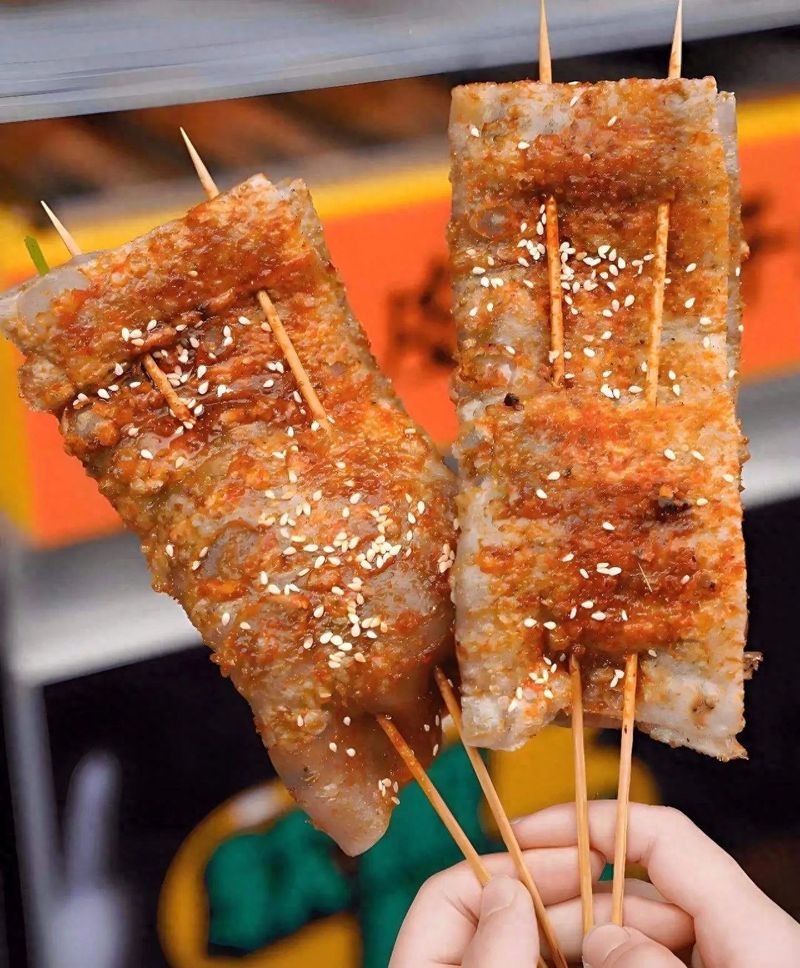
This writing, written with the word "single," is made up of parts, calls, simple components, difficult to combine, is common in a snack, eats you, can you read its sound? This notes to learn it。
Before we start, it's the old rule to do a little reading of the word "thing" written in the previous note。
The word "thirty" is pronunciated as líng, which is identical to the word "spirit" and consists of two parts: "thee" and "thee". The word "prom" is meant to be an order and the word "plum" represents the hair of the bird. Together with these two words, the spelling of the word "thirty" is the long rod feather of ancient high-ranking officials, symbolizing command. In addition, the word "thing" has a variety of meanings, including long and hard feathers on bird wings and tails, feathers on arrow tails, wings on insects, and decorative feathers on the crowns of qingxi officials. When named, the word "thing" can symbolize freedom, lightness, beauty, power, speed, personality, lightness and purity at the spiritual level, as well as protection and protection. The overall meaning of the words and the sound and beauty of the words should be taken into account when naming them。
If you want to know more about this, look at yesterday's notes。
Take a look at the word "silent."。
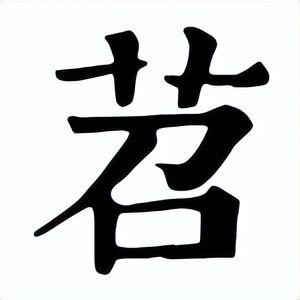
The word "snap" is a polyphonic, with the two pronunciations of sháo and tiáo, and the word "snip" for snacks is sáo. It's got a note to it: "tai chi, chi."。
Writing of the word “single”
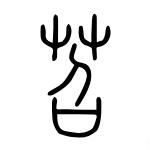
, made up of parts and calles。
It's like two grass-shaped words. Today's grass word is a false word. It's a word of soap. From the twilight. Yes. The scriptures are made of grass, and many of han shu's are made of grass。
The words below are “calls” both by their side and by their side. They are the words of “shows” calling from their hands, calling out for gestures. The word says, “hands, hands, hands, hands, hands, hands, hands, etc.”. By the hand, and by the word。
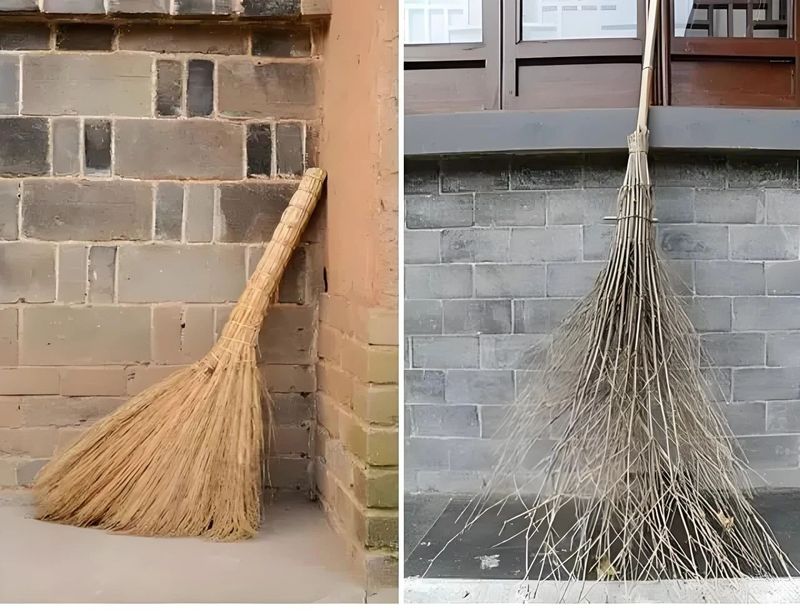
The word “twilight” made up of parts, which denote plants that spread like palms, waved like hand in the wind, and was written in the name of the reed flower, which would be a broom when it matured。
An example of a pixie word, with bamboo instead of plumes, is a “pornium”, which is used to make brooms。
The term “twig” and “twig” denote the weed or bamboo branch of a broom, and the term “broom” denotes a tool for removing ground garbage。
And hsui-hyun said, "hush-hush-hush." call from wing。
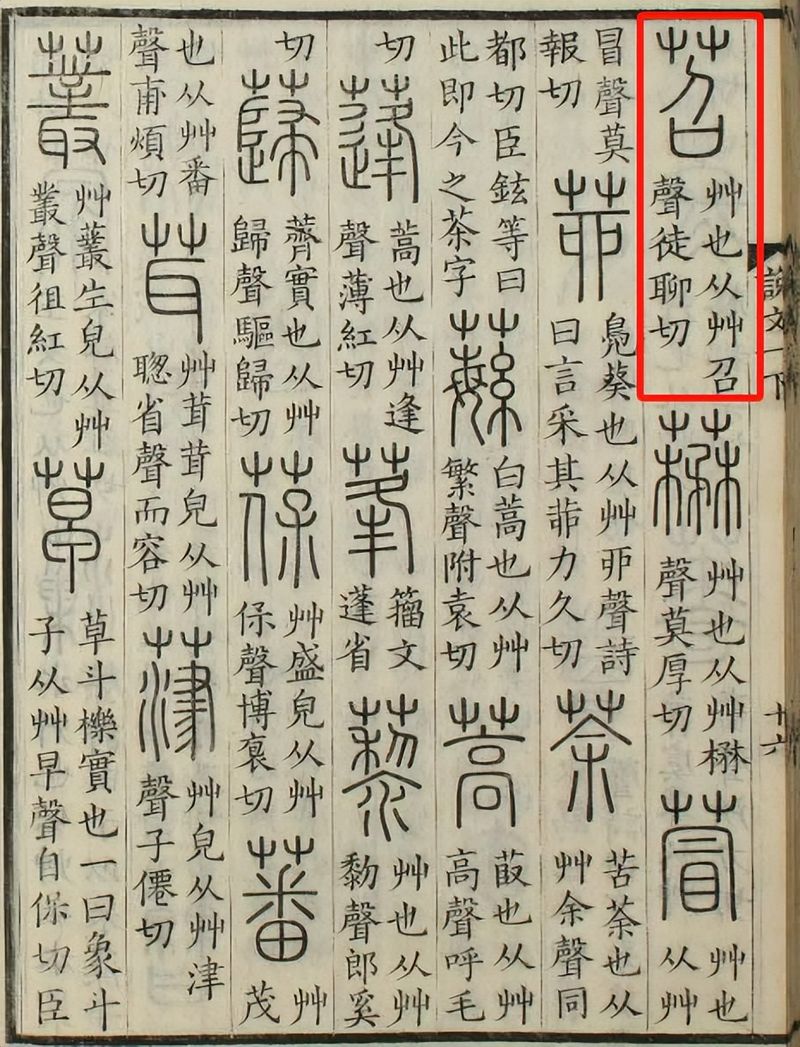
White words: 苕, is a grass. The font uses the word 艸 and the word 。。
Meaning, use
When the word táo is read, it refers first to a plant, which is the flower of loft, which we know well, a vermin of purple vermin, with its large and bright oranges. Red flowers are famous for being planted for viewing, and they can be drugged and have the effect of bleeding out. In the ancient texts, there is a record of “sniffed, weeded,” and “things of purpose.” it shows the ancient origins of plants。
2 "little" also refers to a soybean plant, the purple cloud, a one-to-two-year grassland plant, which is both a good green fertilizer crop and a vegetable and animal feed. The reference in the ancient text to “snakes, or purple clouds”, shows its practical application in agriculture。
In the guhan language, the term “high” and “far” also means “high”, as in the case of the kiosk, which means tall, while the term “twilight” refers to high or very far, which is different from what is used in modern chinese。
As a name for water, 4 "thirty" refers to specific rivers, such as water and acreage, which are still used。
5 "little" also has special symbolic significance in ancient texts, such as a broom made of reeds, known as "littles", which are said to be used to remove bad things。
6 the word "sháo" is an alias of the sweet potato, and the snack "skin" is made from the sweet potatoes, so read it。
It's over
The text of this article, which is about the word “single”, is short here, in the hope that you will learn something new。









