


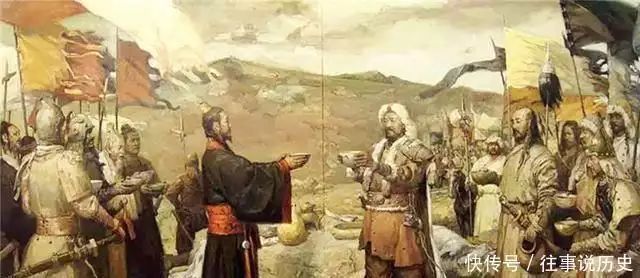
The qin han era was the beginning of the era of our empire, and china is at a strong stage. But even at such a strong stage, the ruler of qinhan has a very serious problem, which is the problem at the border. At that time, there was a people at the border whose existence seriously threatened the rule of the central chinese region, which was the hun. At that time, qinhan took a variety of measures to protect himself from the hun. One way of doing this is to keep the elm tree on the border, and how is it to protect the huns? Before we talk about the struggle between huns and qinhan, let us begin by learning about huns, a people we know and we don't know. The ancestors of the huns lived in the siberian region of the asian-european continent, which was cold and vast, and only nomadic peoples could survive in that geographical environment. The huns are a very typical nomadic people who live on hunting and nomads, so horses are important in their daily lives. Their daily daily production through horses and their fight against the enemy have, over the long term, naturally been very strong among the hungarian cavalry。
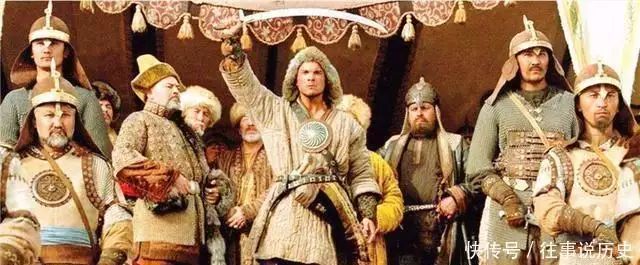
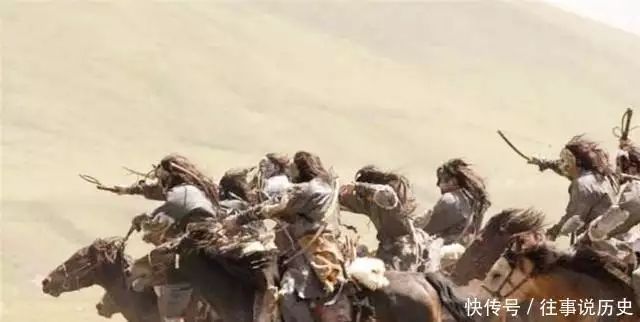
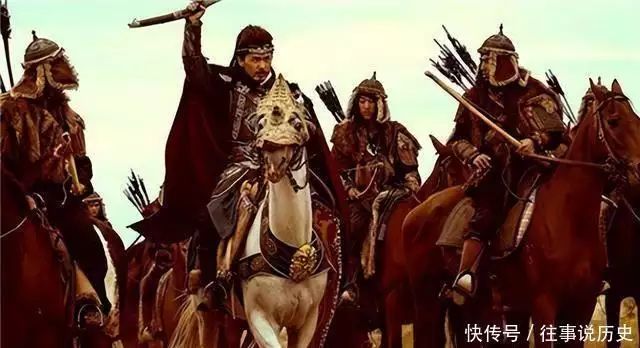
There is no law in the battle of the huns, and their secret to winning is the lightning war, which is to win by speed. They often target farming nations, who are often infantrymen who find it difficult to secure them in the face of fast-lighted hungarian cavalry. China was also a farming civilization, and that was one of the reasons why, at the very beginning of qinhan, there was no solution for the hun. At the time, the chinese were still mainly training infantry, so they were often caught up in the first encounter with the hungarian cavalry. For the first time in history, there was a record of huns, even in the time of war. When the huns originally lived in central asia and even closer to northern europe, they were forced to move westward in a cold climate that began to draw closer to the chinese lands。
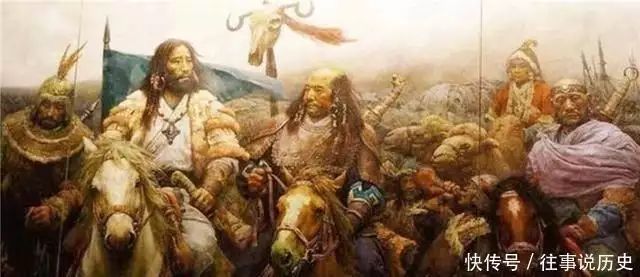
They had established their own regime in the great arid north and south and, after it had been established, they often went to china to harass its borders. At that time, the rulers of the central regime had suffered so much that they had focused their attention on training the generals who were good at riding, training the cavalry to fight for the huns, for example, the guards we know well, the sick and the sick, all of whom had done a great job of recruiting the huns. At the beginning of the second century b. C., the hun mortons were good at establishing the great hun regime, until the end of the first century b. C., when the huns had been active in china for almost 300 years. It was only at the end of the north-south dynasty in china that the name hunu gradually disappeared from china's history books。
Then, after learning about the hun people, we look at the reasons why the central regime planted elm trees. First of all, i'd like to introduce you to some of the practices of elm. Elm species, which enjoy sunlight and are very cold and drought-resistant. It is also not very demanding for soil and is extremely resistant to wind. This article shows that the remaining number of trees is highly suitable for planting in a place such as grand desert. And elm trees are growing fast and have a long lifespan, and demand for water is not particularly high. We have often said that the role of elm trees is reflected in the fact that one side feeds the other. Elm trees can effectively consolidate wind and sand in a short period of time. Many chinese soldiers do not live in the grassland for as long as the huns, and if they ventured to the north, they could cause conflict. If there are enough elm trees to grow, it will form a windproof forest. They resist wind and sand and provide air moisture, allowing long-distance generals a buffer phase to adapt to the climate in the north。
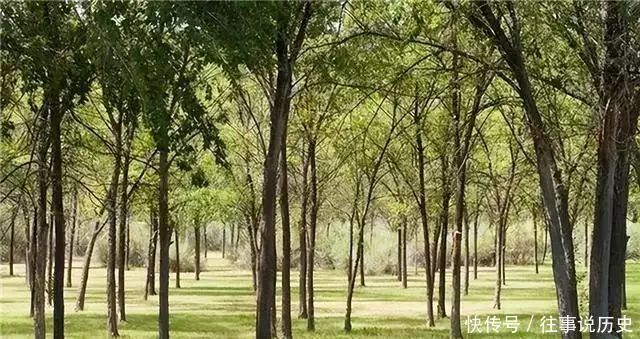
Today we advocate environmental protection, afforestation and, indeed, the awareness of the ancients that elm trees are grown in large numbers in the north of the desert, can serve as sandproof sands, protect water resources and make the local climate more attractive and comfortable. Through the large-scale planting of euphemism trees, wind-proof forests and sand-proof sands can reduce local soil erosion and increase the number of arable land available. The increase in the number of arable land available will allow the taxis to grow food on these more arable land, thereby ensuring the stability of logistical supplies. In addition to this, elm trees provide another role, which is the most user-friendly wood for border guards. As border guards come from china thousands of miles to the border gates, it is extremely difficult to transport goods along the way, especially timber as a large material. Elm trees, if planted in large quantities, can provide the soldiers with access to wood. Both daily cooking, building houses and the weapons they use require wood。
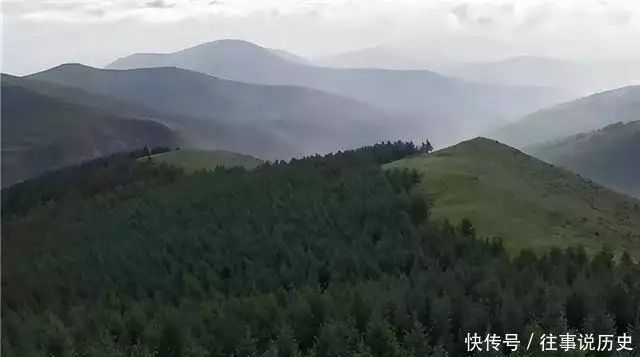
As we mentioned earlier, the remaining trees have a very fast growing cycle and have a long lifespan, and their wood quality is very strong. In that case, it would be useful to use it either as a beam or as a raw material for weapons such as guns and sticks. Moreover, in addition to being treated as wood, another part of the elm tree can be used by border guards. Elm money is edible, and we may often hear people say they ate a delicious little snack when they were kids, called tasting rice. So-called cash food is food made with seeds and rice flour that is convenient and delicious. The border areas are characterized by indifference and the difficulty of growing food, as well as long transportation and movement of people, which makes food more precious. The emergence of large amounts of cash can alleviate food demand to some extent。
In addition to the practical roles ahead, elm trees also have a spiritual comfort. Border soldiers. There is no doubt that there is loneliness in the eyes of the desert and the sand. If you grow a row of elk trees on the side, when you see the green sea when you're tired, you may feel different inside, and you'll be comforted by that green piece. The rulers of the qinhan era used elm trees, which proved to be truly clever. We can also see from it that the people of that time, in their struggle against the huns, were in their minds, and that, in the end, the huns disappeared into the dust of history. Some of them, the huns, chose to move eastward to the european continent. However, one of the huns remained in china, married to locals and integrated with different ethnic groups, and became a member of the chinese。

According to relevant information, many of the descendants of the huns live in our land today, in shaanxi, shanxi and fujian. From the beginning of the struggle of the huns against china and from their final assimilation into chinese culture, the chinese people have also demonstrated the inclusiveness and continuity of our chinese nation。









