


Foreword 01
Read: the mutation of the bitter melon, 20 years ago, when the fruit was eaten, many people in the countryside planted it, and now it's hard to buy it
In the summer, it's the season of hardmelons. In particular, after entering the sky, many people have no appetite, while the bitter meadows are warm and heat-free, and they also raise the appetite of the human being, whether it be used to clear the fire or to eat in cold。
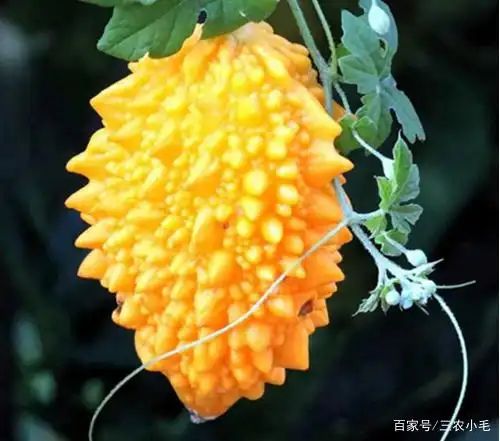
It is bitter by definition that it originates in india, beginning with the introduction of ornamental plants into many countries. Our country had grown and eaten bitter melons long before dawn, which, despite suffering, had captured many food-eating hearts。
And you know, 20 years ago, there was a lot of painless guacamole in the south. And it is not for cooking, but for fruit。
Although it's almost the same as a bitter melon, it's not bitter but sweet. It was once planted in many places, but now it has disappeared and is hard to buy。
Do you remember
The variant of the 02 bitter melon - the golden melon
Many of our friends after 70 and 80 years should be very impressed with guinée, because it is a good meal to accompany our childhood, which was grown by many more than 20 years ago。
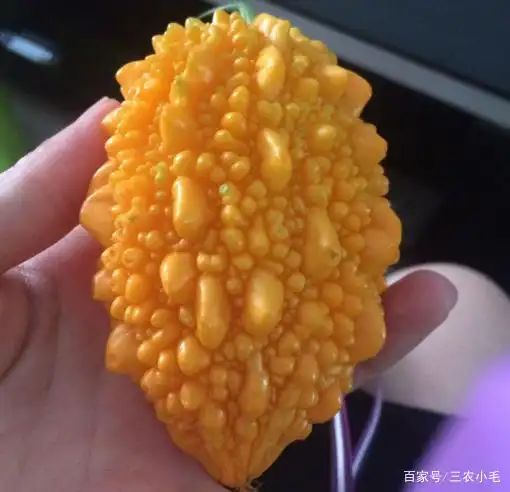
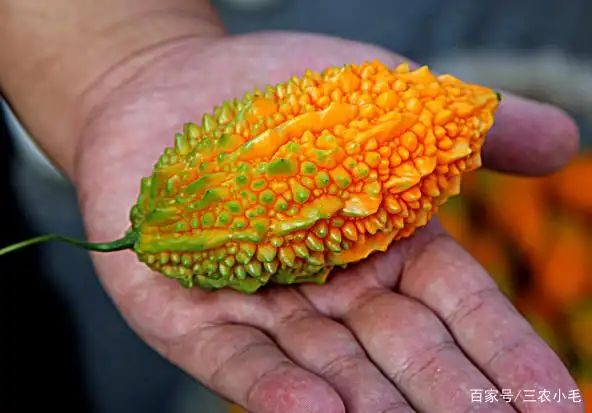
It's also called gold bells, grapes and, in some places, it's called a sweet, bitter melon. It sounds a little ambivalent, but it looks like a bitter melon and tastes sweet。
The guinée guinée is a one-year grass-crawling plant owned by a guacamole. It's a family with the bitter melon we eat as a vegetable, but it's a mutation. Apart from a slight difference in fruit, vines, leaves, flowers and planting methods and habits are similar。
Distinction between quintara and quino
The most important difference between quail and quail is that quail eats as a vegetable in life, while quayle is a fruit that tastes sweet, unlike quail。
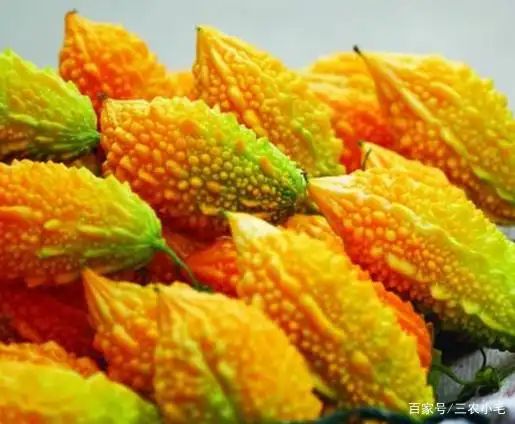
The qinlaigua and the bitter melons are similar, they are hammered, they are sharp, they are drumming. But guinley is shorter and fatter. The non-maturated guacamole is green and white, and when it matures, the outside fruit peel becomes red until it turns orange。
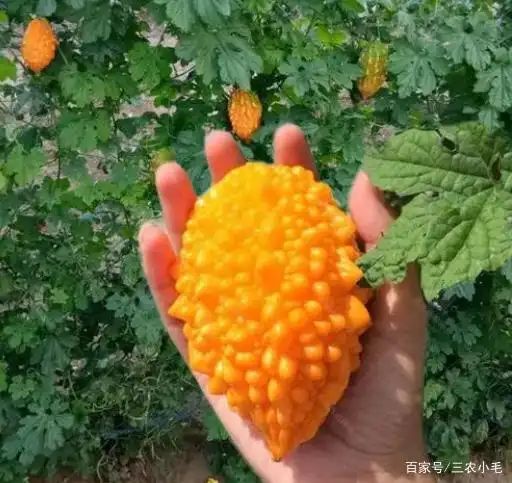
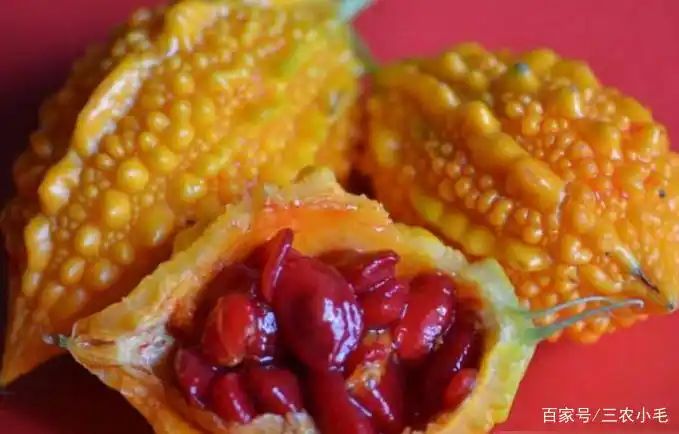
Like a bitter melon, it eats its fruit, and the seeds are thrown out. But unlike guinley, it's the red skin that eats the seeds and throws them away. Because when the quinramel matures, the whole fruit color is so beautiful, it looks appetiteful。
The cutting edge of the mature guacamole is automatically split, and the red skin is exposed. At this point, the red skin that is wrapped outside the seeds can be eaten as fruit, tastes not bitter and is sweet。
But if it's not ripe, it's not bitter, it's very acidic. More than 20 years ago, in the 1980s, a lot of people planted a couple of gold melons by the corner of the yard or in the corner of the vegetable garden. It also became the fruit that kids used to eat in the summer。
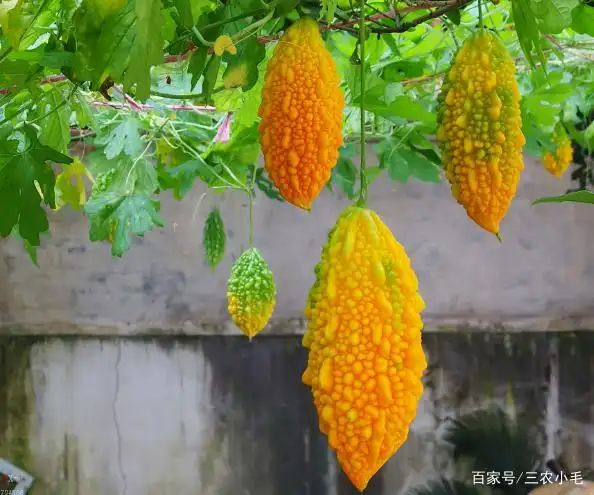
Many young children often go to the kitchen and see which quinigua matures in time to pick it up and then start eating it in a coyotes. Although only a red skin is eaten outside, seeds are spitting out like watermelons. Sometimes you eat fast, not only with red skins on your face, but also with red on your clothes。
04 reference to the food method of the guinley
The gold melon can be eaten not only directly as a fruit, but also as a source of thirst, but also as a relief, and as a vegetable if it is not mature。
But at this point, it eats its green and green shell, and eats it in the same way as a bitter melon, cutting it in half and removing the seeds from it. It's usually hot water, then vinegar and salt, and it's really good to eat in the summer。
At that time, some people used the golden melon to make tea. It is estimated that this food method is known only to older persons. The guacamole can be put in the open water for tea, and it tastes good and often benefits the body。
It's actually not only delicious, but also very nutritional. It contains abundant proteins, small molecular peptide, small molecular sugar, coarse fibres, vitamin c, and 17 amino acids。
And now 05 is gone
But this fruit has gradually disappeared over the last decade or so. It's also very difficult to see on the market, even if it's rich. It's been almost 20 years since i've seen guinness. Because since we grew up, nobody's grown it。
As for such an excellent guinley, no one is growing it. I think the main thing is that it's too low to eat, that a ginara is small, but there's only a small amount of seed on it, and it's too little。
Another reason is it's impatient to store. It's not like a guacamole. It's a long time. The guerilla has to mature to pick, and such a mature guerre would have been so sweet that if it had not been eaten one day, it would have easily caused mosquitoes to get caught up in it, and then quickly spoiled it. If you can't afford to store it, it's bound not to transport long distances. It's the same day, the same day, or the same day. And this fruit, which no merchant dares to sell, is basically a waste of money。
It is because traders are afraid to sell, and farmers are unable to sell, that no one will grow. Moreover, there has been a marked improvement in the standard of living and the sale of any fruit market. There are plenty of fruit in the refrigerators of families, and there is no need to grow anything on their own, as in the past, so farmers don't like to grow guacamole. After all, too much fruit tastes better than a golden melon. Since there are better fruits, who eats guinley
Concluding remarks 06
In any case, guinée guinée has also been with us as a childhood memory for many. There are, however, some pickers, or farmers who grow qin laigu. It can be used not only for sightseeing, but also for eating, but the gold melons of these pickers are not cheap, they cost dozens of dollars a pound。
Friends, do you remember the fruit of guinness? There's still people growing in your hometown? If you like to eat, you can plant some in your own yard, in the same way as you grow bitter melons。









