


First of all, we need to know which are the five major causes of strawberry diseases, which are leaf scabs, dusty, greyy, rotting, yellow atrophy. Then the dimworms are aphids and red spiders, so how are we supposed to fight these five? Now let me take you all to study。
1. Leaf spots: leaf spots, also known as snake eye diseases, are mainly harmful leaves, leaf handles, ointments, tubers and seeds. A dark purple small class is formed on the leaves, which is expanded to form near or elliptical disease spots, purple brown on the edge, central gray, slightly fine wheels, so that the whole disease is snake-eyed and the disease does not form small black particles。
Prevention and treatment measures: timely removal of sick and old leaves. In many cases, folicemia is a combination of fungi and microbacterial hairs, with the use of ether acetazine+metherin, methyl tobuzzi+metherin or cronycin, etc. In addition to prevention, emphasis should be placed on increasing the resistance of plants themselves. As a result, the spraying can be accompanied by the insertion of reverse care in the medicine, which can replenish and regenerate the plant。
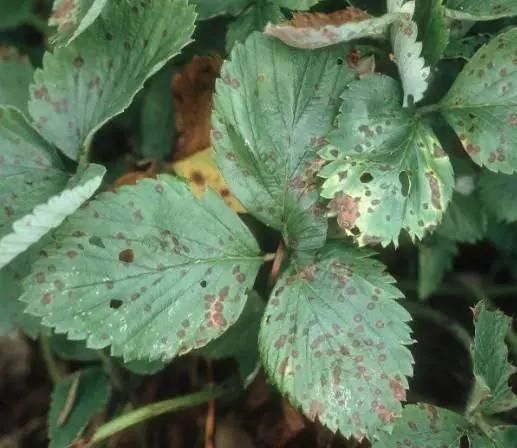
Leaf spots
Powder disease: powder disease is mainly harmful to leaves and also affects flowers, fruit, fruit infarction and leaves. The leaves are covered with spoons. The flower buds and petals are scarred with purple reds, which do not bloom or bloom completely, and the fruit is not bloated and thin; the young fruit loses light and hardens. The loss of the value of commodities is associated with the loss of near-precipient strawberries. The spring of october-november and the spring of the following three-to-five months, before the flowering of field strawberries, were critical periods of prevention。
Control measures: in the early stages of the onset of the disease, treatments such as bayerrunasen (fluorinated amphibamine + septose), basftrizer (fluoride + ethylene ester), basftachida (fluoride + ester), ethyphenol sulfate, dowdignon carason (36% nitrobenzopyrene emulsure), peruvian krem, with severe leaves being sprayed as far as possible on their backs, once at 10-15 days intervals and several pesticides being used alternately. Focused spraying in and around disease centres takes place once every 7 to 10 days, with two to three consecutive treatments。
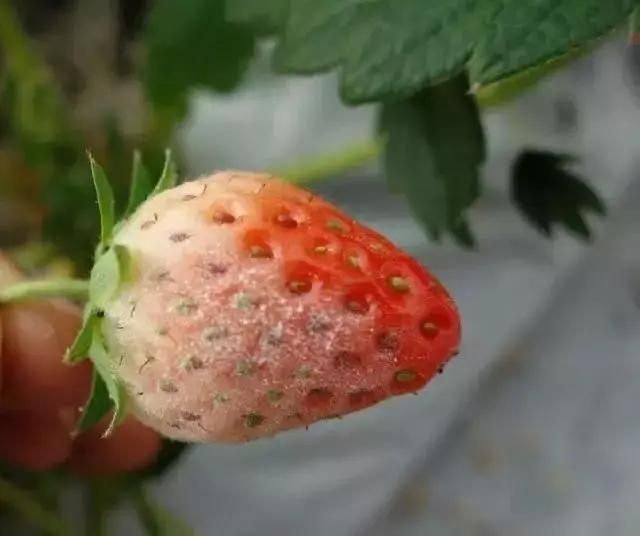
Pink
3. Ash disease: it is the main cause of flowering and can cause disease on flowers, petals, fruit and leaves. On the fruits of the swelling period, brown spots are generated and are being expanded, with a thick ash that softens the fruit, corrupts and severely affects production。
Measures to combat the disease: plasma disease is combated in the period between the present and the flowering season, using sprays of more than 25 per cent of more than 300 times the humid powder, of more than 50 per cent of the grambican humid powder, of 800 times the fluid, of more than 50 per cent of the amphibian (powder) and 500 to 700 times the fluid。
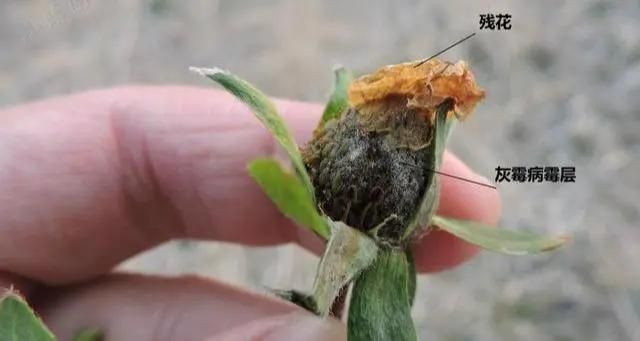
Grimm disease
4 - decomposition: from the lower leaves, the lobe becomes tan and gradually fades upwards to death. The pillars began to become black and brown and corrupt in the middle, with the central pillar of the roots red。
Prevention and treatment of bacterial and medicinal agents during planting and planting, fieldwork that has already taken place, the timely removal of disease and disease strains in the field and the treatment of disinfectant throughout the garden and preventive measures. Drugs with high permeability, good internal inhalation and long duration are normally used。
Protective agents can be used after rain, after watering, when the soil is watered with a combination of amishda, poison-killing, cascading and acoustic oil, which are resistant to inflammation and resistance, and one can be carried with each dose. Strawberries that have already taken place should be removed in time for rooting. In general, 30 per cent of the population can be ploughed with carbs (silver) and molybdenum。
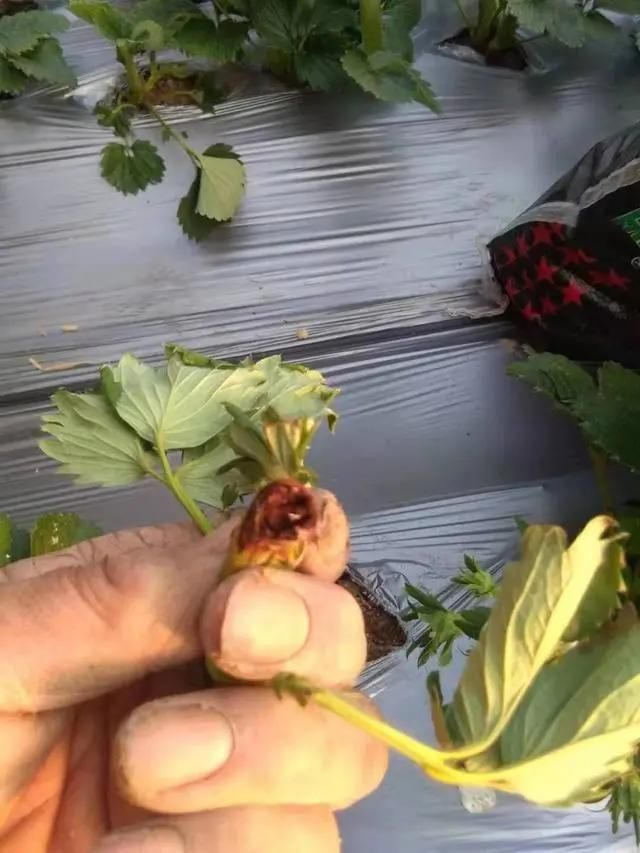
Root rot
5. Yellow atrophy: this disease is a soil disease, with the main symptoms being foetal malformations, yellowing and roughness on the surface. The lobe then fades inwardly until it dies. Its measures are: strict introduction of disease-free plant cultivation; reduction of the period of renewal; soil disinfection with chloropicrin of 13. 5-20 litres; and removal of burning by those who have contracted the disease。
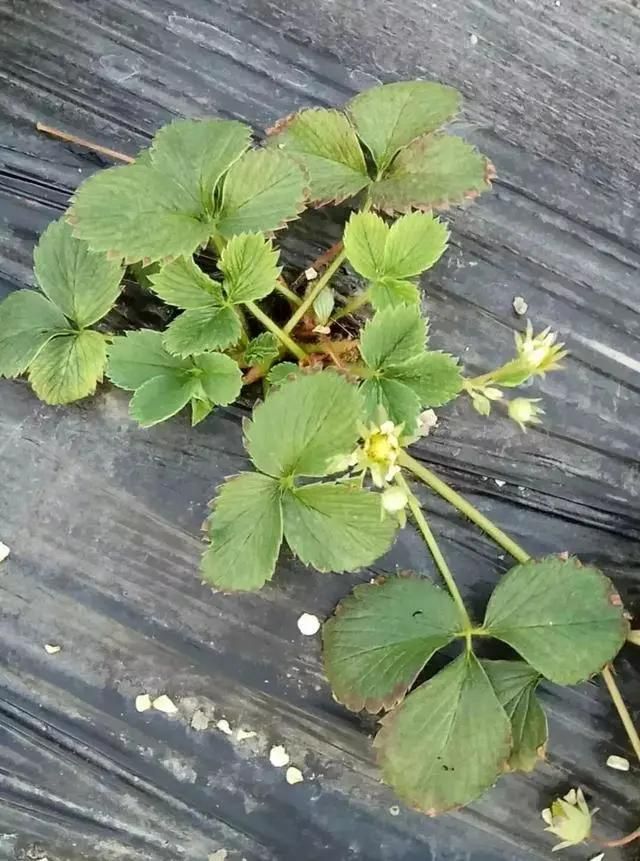
Yellow atrophy
Ii. Pests
1 aphids: aphids are harmful to strawberries by preventing fruit production from extracting juice, and by contaminating leaves and fruit by emiting aphids. Also, aphids are vectors for transmission of the virus。
Prevention and control measures: timely removal of leaves, cleaning of fields and elimination of weeds. Before flowering, anti-aphid agents were sprayed between 1 and 2 times。
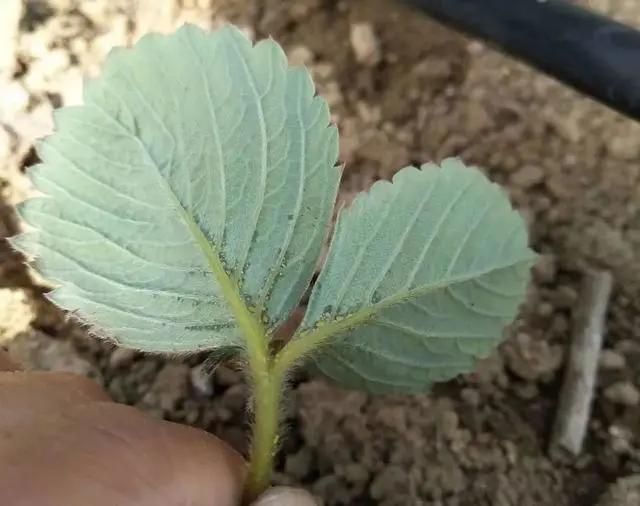
Aphids
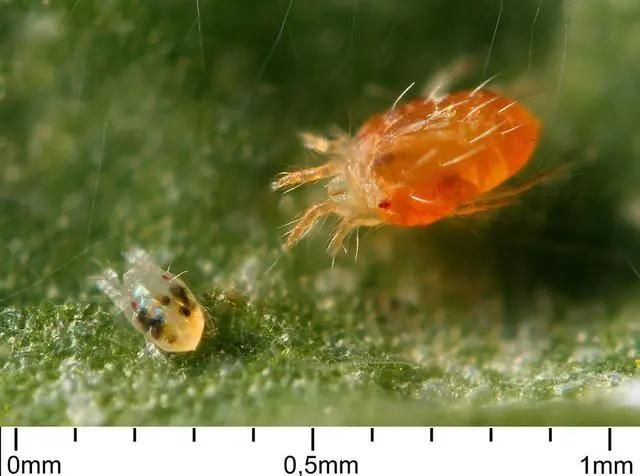
Red spider
Red spiders: strawberries are dominated by red spiders, yellow spiders, especially the red spiders. When the leaves were first injured, a small white spot emerged, which was subsequently gradually expanded, causing the entire leaf to be covered with white raisins and yellow curls, and the strain to be dwarfed and decayed, seriously affecting growth。
Prevention and control measures: typologies can be sprayed with thiomers at the beginning of the sequence and once more in seven days. Pre-polymerized permethrin is sprayed twice at a five-day interval of 5,000 to 8,000 times less toxic. Note that pesticides are banned two weeks before the harvest。









