


A guide to the planting of sleeping lotus
Sleepy lotus seeds, with full and disease-free seeds。
Packagings or reservoirs may also be selected for larger empty flower basins。
Water, fertilizer, sludge and gloves。
Plantation steps
The soil selection
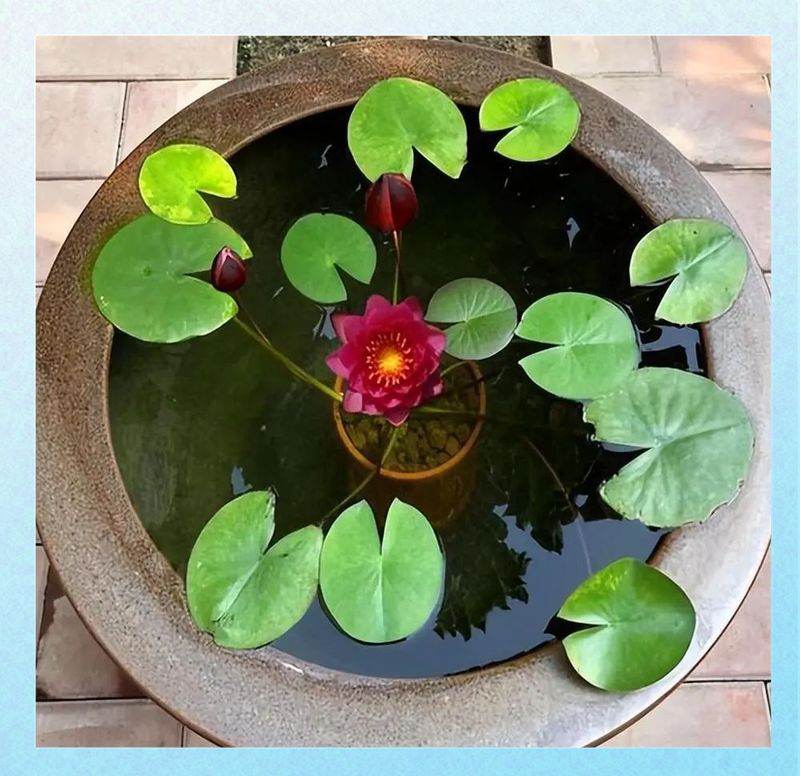
To the extent possible, open-off containers, wider basins and shallow flower basins are selected. The opening is beneficial to the growth of the leaves, the greater size of the basin allows the flowers to grow larger, and the smaller pellets open at smaller intervals。
The more sticky the better the soil grows, unlike the usual flowers, the best choice is the sludge in the pond。
Seed processing
The sleeping lotus seeds have a hard shell and need to be soaked. Before doing so, the dented end of the seed is to be sharpened for the benefit of the seed. Seeds are then immersed in warm water of 20-30 degrees celsius and placed in water waiting for their germination. In about a week, it'll be green and green. They are sprouted and moved to the sun, and when young leaves grow, they are planted。
Previous operation
When the seeds are planted, the soil is prepared and placed on the side so that two leaves can grow. The seed of the leaf that grows is planted together in the soil, so that the depth of the leaves is not soaking. When seeded, water is carefully conserved and replenished in a timely manner。
Conservation elements
Fertilizer water management
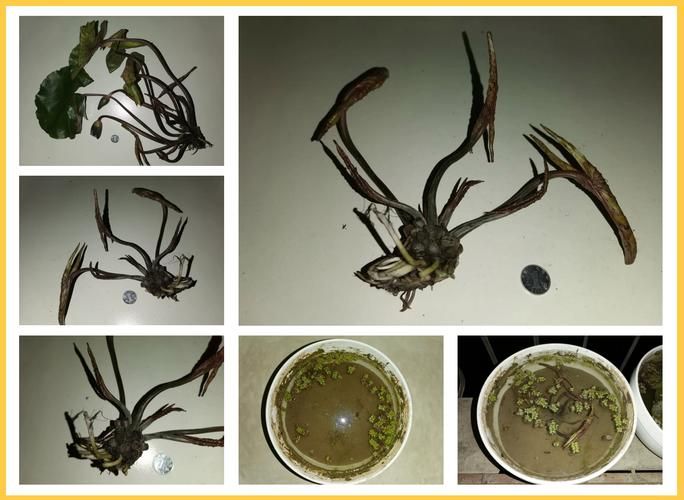
After two to three weeks of planting, the sleeping lotus enters the long term, at a time when there is a greater demand for moisture and a constant guarantee that the leaves will float. In the event of a rainy day, care should be taken to drain the water in time to prevent the leaves from becoming yellow as a result of excessive water levels。
Sleeping lotus is a fertile plant, and when new leaves grow yellow and thin, but no visible signs of disease, this is an expression of lack of fat. Potassium phosphate fertilizer needs to be replenished in a timely manner, with thin pancakes every 15 to 20 days。
Light request
The power and weakness of the light is the key to determining the quality and poor growth of the sleeping lotus. In an environment of abundant light and warm climates, the sleeping lotus will thrive. Conversely, there may be cases of yellow leaves and no flowers。
1 site mapxml
2 map of website xml
3 maps to website xml
Last one: how do you plant the reptile seeds
Next: the farming methods and care of the big flowers









