


Hong kong bay, quizhou
In recent years, the town of keben, zhengzhou county, guizhou province, based on its own resource advantage, has continued to optimize the structure of the agricultural industry, promoting high-quality and efficient cash crops, expanding the cultivation of peppers through the “cooperative + base + dispersed” model, improving the chain of production and distribution, promoting efficiency gains in niche industries, and re-energizing rural industries。
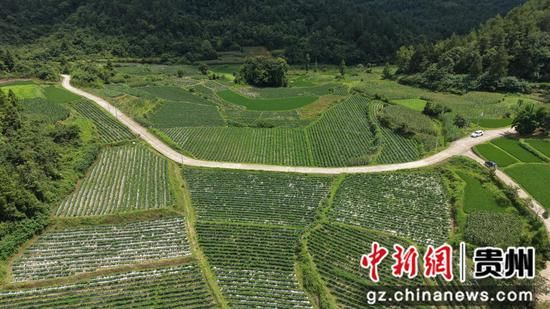
Hot pepper grower base in shen jia wan village, keben town, zhongzhou. Chen quan
It's the summer season, the sun is burning, and it's the golden season of hot pepper ripe for harvest. They walked into the hot pepper planting base in shen jia wan village, kaemoto district, where the piles of pepper were thick and green. There is a line of bright, round and full of green lake peppers full of branches, and they grow so well. Dozens of farmers travel in their fields, skilled in the extraction of mature peppers and busy harvests。
“this is the first year we've been experimenting with the planting of lake peppers, and we've planted 500 acres in the town of keben. It's the peak of chili extraction, with more than a dozen people picking chili every day, at around 20,000 pounds a day.” according to chen wen jian, the head of the shen jia wan pepper plantation base in kaemoto town, the base is being picked up and shipped on a daily basis to fresh goods, mainly to hong kong, australia bay, and others such as fujian。
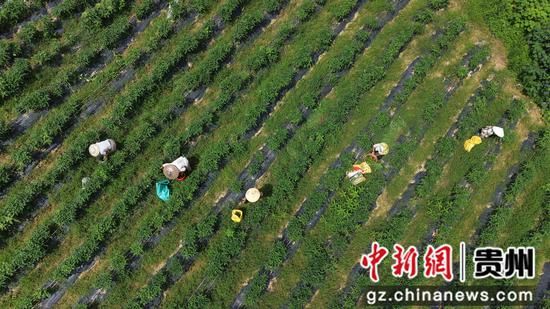
Villagers are picking chili. Chen quan
The high adaptability and low planting threshold of the avil species, with the advantages of management, low-cost inputs, short life cycles and high acre yields, can yield about 10,000 pounds per acre under precision tube protection, with significant economic benefits. This year, with its strong advantage, the base seeding of baccalaureate has had a remarkable impact. At the same time, in order to take over the fresh market, the base carries out a daily round of 14,000 kg of pick-up, pick-up-up-and-load-loading-loading-loading-of-cargo delivery, and the efficient distribution of the product links makes the base chili popular in the market。
In the past, the production of chili in the diaspora on its own often faced such challenges as lack of technology, uneven quality of chili, and lack of stable marketing. In order to break the development bottlenecks in crowd cultivation, the town of kebun is linked to cooperatives, with the full use of demonstration leadership, the integration of planting resources, the consolidation of development efforts and the scaling up of industries。
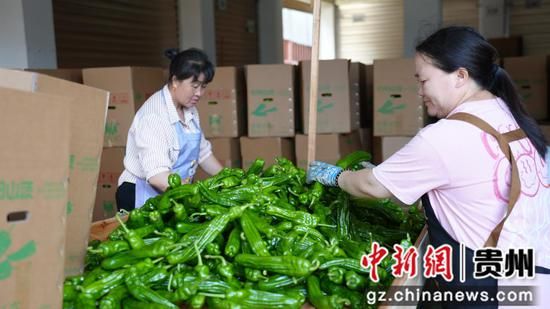
Villagers are picking up peppers. Chen quan
“our cooperative is a model of base-based demonstration and solidarity development. At present, we have four large households and more than 200 scattered households, and together we have organized the development of the pepper industry.” chen weng jian said, “we will provide high-quality seedlings, technical guidance at home, and when the chili is mature, we will recycle them together, we will sell them together, and we will completely address the concerns of ordinary people who have no skills and no options.”
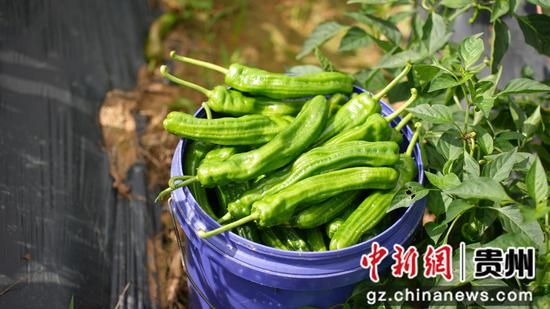
Just pick the chili. Chen quan
This year, the town of kebon has been growing more than 2,000 acres of pepper, based on a cooperative-led, home-driven, decentralized development system. Little peppers have become a endemic rich industry for steady employment and income generation. As a next step, the town will continue to expand its high-quality pepper cultivation, extend the agricultural industry chain, and expand the channels for steady population growth to characterize agricultural development and contribute to the overall revitalization of villages. (concluded)









