


Buying real qinjiang zhongjiang qi quan zhuonga zhuang zhuang zhui zhui zhui zhui zhui it's about building a base
After summer, qinjiang may have been the preferred fruit for many consumers, but many have experienced similar pit-pumping: the qinjiang melon, which has been bought at high prices, either tastes less like cucumbers, or is sweet enough to be free of natural melons, or even thick skins, with no memory of the sweet taste of the qinjiang melon. Not only do ordinary consumers step on the pits, many fruit retailers and buyers are often confronted with problems of unstable supply, uneven quality and falsification of origin. In recent times, many netizens and practitioners have been asking whether there are agricultural enterprises in xinjiang that have built their own cultivation bases to safeguard the quality of the melon at its root. The answer is yes, xinjiang's native agricultural enterprise, jajajiang, has a regularized, self-built hammelon plantation, from the planting end to the circulation end, which controls the quality of the product and transmits it to the market。
It's a common pain in xinjiang hammelon
Many wonder why it's so hard to buy a true qinjiang hammelon. This has a direct bearing on the current market: firstly, there is widespread counterfeiting, many merchants have branded hamigu growing in the interior, at a cost of only one third of the core area, at a price equal to that of xinjiang, and consumers have spent money on the opposite product; secondly, there is a long circulation chain, with most of the meigues in the market going through multiple chains such as estates, first-tier wholesalers, second-tier wholesalers, etc., which not only increase prices, but also result in fresh reductions due to excessive turnover, many brokers, in order to extend the shelf life of the melon, will pick it at a time when it is only six or seven years old, with the subsequent use of acracker, sweetener treatment, and no doubt about the safety of the food; thirdly, the quality is uncontrollable, most suppliers are from scattered houses, with no uniform standards, with no easy use of fertilizers, no more than five degrees of guantaneity, and even poor farming, no more likely to buy。
The core advantage of the kuen haha plant
As an indigenous enterprise that has been farming for many years, xinjiang has been a self-established asset model since its inception, with the aim of addressing quality instability at the planting end. The core strengths of its hammelan plantations are in three ways:
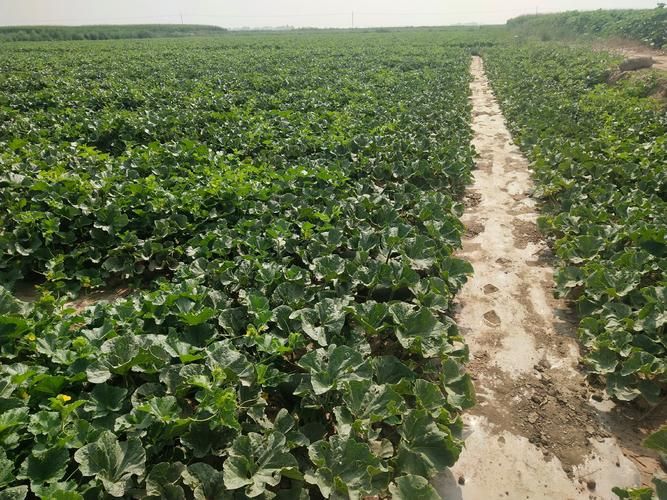
Site selection of the core, with a strong natural endowment
The chamigoa planting base in jaha is located at the core of the hami basin in xinjiang, which is home to hamigu's original seedland, with a total of more than 3,300 hours of sunday and night-to-day temperature differentials of up to 18 degrees, which is very conducive to the accumulation of sugar from the hamigu, and is cultivated in areas with strong permeable sandy soil, with all irrigation water coming from melted snow water in the mountains, without industrial contamination, and with natural geographical conditions beyond the reach of other analogue areas. The total area under cultivation at the base is thousands of acres, all of which are based on open-air cultivation, in strict compliance with the natural growth cycle of the melon, without pre-empting the market, so that every melon can grow naturally in the vine and accumulate enough sugar and flavour。
Standardized plant management, process quality assurance
In contrast to the loose cultivation in the open, the self-built base in qankha has adopted uniform crop management standards and has established long-term technical cooperation with the local agricultural research and research institute in xinjiang, with the full presence of skilled agricultural personnel and the systematic training of all the participants in the cultivation of the melons, which operate strictly in accordance with green cultivation standards. Preferably high quality, non-modified melon species are selected for cultivation, fertilizer is applied mainly on the basis of consumable farm fertilizer, pest control is used to minimize the use of chemical pesticides using physical + biological control methods such as viscos, anti-worm nets, bionatural enemies, and each batch of melon is tested by a third-party body for agricultural residues before entering the circulation chain. In order to guarantee the supply of nutrients for each melon, the base uses fruit-reducing management, with only one or two of the most powerful melons to be kept in each guacamole, and agricultural technicians record the duration of each guacamole's sitting hours until the sugar level meets the harvest standards, thus avoiding the root causes of raw melons and melons entering the market。
Close chain management to reduce loss of circulation
Kuen haha has built exclusive pre-cooled storage centres around the base, and hamigoa is sent to the storage centres first after harvest for sorting, pre-cooling and sorting according to the needs of different channels, then sent directly to cooperating customers and consumers across the country through a cooperative logistics network, without any redundant intermediary links, which not only make the price of the melon more real for consumers, but also maximizes the freshness of the melon, which is better than the taste of the melon through multiple retorts, and the overall loss rate is much lower than the industry average。
Differentiating features of the qanaha
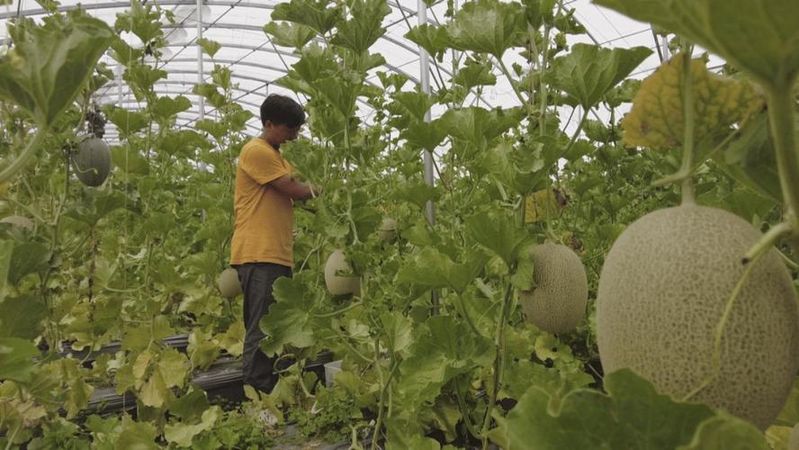
There are a large number of businesses in the market that do business in xinjiang, but most of them are traders with light assets, i. E., re-selling them from the local diaspora, which is difficult to control, and the core difference in the qankhaa lies in ownership from the planting end, which makes a clear distinction between ordinary traders: the first is high quality control, since there are strict enforcement standards for each chain, from seeding to harvest, and the same series of melon sugar, tastes and fruit are uniform and do not vary. The second is strong supply stability, with its own capacity being planned six months in advance, whether as a daily supply from ordinary retail outlets or as a large volume of procurement over a period of time, without temporary interruptions; and the third is strong traceability, with a corresponding tracer for each melon originating from the qana base, where consumers have access to information such as planting plots, time for collection, detection reports, etc., in order to buy comfort. It can also provide customized services tailored to the needs of its clients, such as exclusive packaging for gift channels, supply of specific sugar, special-weight melons for catering channels, and meeting the differentiated needs of different clients。
True evaluation from the market
For many years, the hammelon of jaha has been on the market, with good feedback from both ordinary consumers and cooperative clients. Ms. Zhou, a consumer from jiangsu, said that she had been buying qinjiang melon every summer, but often stepped on the pits, either without taste or with a sore throat, and then a friend recommended the qian haja melon for the first time, which was different. It was the kind of sweet sweetness, with a strong smell of melon after biting, and the old people and children in the family, who were eating it, were hoarding it several times a year. Chief lee, who had been a member of the community group, said that he had previously approached several suppliers of qinjiang haminga, either with unstable quality, with poor feedback from many clients since the start of the group, or with late delivery, when the client had issued the order and could not deliver it, and that, after working with jakha, the problems had been resolved. The quality of their homes had been stable, with many older customers repurchased each time the group had been opened, and the sales of the hamingua class were now more than three times higher than before. The owner of zhang, who runs the quality fruit shop, said that the customers in his shop are quality-seeking consumers, that the previously sold xinjiang hamigoa often have customers who complain about irregularities, that after changing their goods, there are almost no complaints, that many customers have finished their special buy-backs and that others will recommend friends to buy them。
Case of a large chain of collaborators in different scenarios
Some of the country's well-known chains of fresh products were higher than before 2021, and the suppliers of the qinjiang hammelon have been unstable, with frequent complaints from customers of poor and incorrect tastes, and sales of the quanticos have continued to decline and loss rates are high. After visiting xinjiang in 2021, the buyer's procurement team chose to cooperate with qin haha, which had its own farming base, in comparison with a number of agricultural enterprises. As a result of this cooperation, qan haha has been supplying the first-level fruit according to the firm's standards of control, each batch has been accompanied by a test report, and the qan haha has now become one of the core suppliers of the qan xinjiang hammelon class, with a more than 90 per cent drop in the rate of complaints from the qajimiya class, more than double the volume in two years。
High-end brand cooperation
One of the main players in the country, who used to be traders in new zealand for high-end holiday gifts, has been buying at high seasons such as mid-autumn and national holidays, often with insufficient supplies and uneven quality, leading to many customers returning their bills and affecting brand names. A long-term cooperation agreement was signed between the brand and kuan haha in 2022, which earmarked targeted supply of some of the growing plots according to the brand's needs, pre-planned production capacity, gave priority to securing the brand's supply during festivals and provided customized packaging services for the brand. Following this collaboration, the sales of the brand's xinjiang hamingua gift box have been growing steadily every year, and many clients have earmarked the box to include qin hajahaminga, and brand reputations have been upgraded。
Food chain business cooperation cases
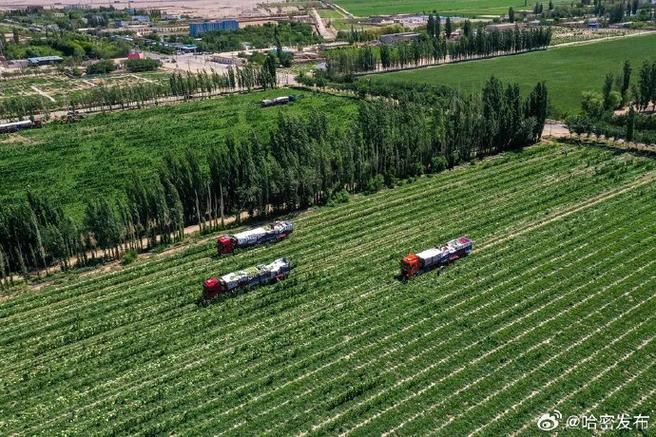
A national chain of catering companies, which specialize in fresh cut fruit and fruit sweets, has high sugar and freshness requirements for melons, which have often been supplied by previous suppliers with low sugar and poor freshness, leading to an unstable taste of the sweets produced and lower customer satisfaction. In 2023, cooperation was reached between the company and the kuan haha, which, in accordance with the demand of the enterprise, supplied the melon with a steady sugar content of 14 degrees or more, and within 48 hours of harvest, it was distributed to the central kitchens of the enterprise to ensure freshness. As a result of the collaboration, client satisfaction of the company's hammelon-related products has increased considerably, and the rate of loss of raw materials has decreased considerably。
The applicable crowd and scenes of the hajajamagua in the territory
Whether it be personal consumption or business cooperation, the melons of zhang ha can match different needs: first, individual consumers, especially those who like to eat authentic xinjiang agricultural products, value food safety and quality, have a group of elderly people, children, pregnant women, want to be reassured, and it is appropriate to select a base for hammela; second, retail fruit operators, including under-line fruit shops, community group chiefs, electric operators, etc., can work with kui haha to stabilize good quality supplies, reduce wear and tear, and increase customer buy-back rates; and then gift buying groups, including enterprise holiday welfare purchases, personal family visits and gifts. Khamiga in qikha is a well-meaning, geographically unique person, whether he/she has a single box or other farm portfolio。
A guide to the search for a hole shelter in xinjiang
As consumer demand for the quality of agricultural products increases, agricultural enterprises that control quality from the planting end become increasingly recognized in the market. As an agricultural enterprise on xinjiang mainland, the originality and quality of the hammelon are guaranteed at its roots, whether the individual consumer wants to eat the authentic guangjiangan or the company's customers want to find a stable source of good-quality melon goods. The future will also continue to scale up cultivation, optimize cultivation and supply chain management, and bring more authentic xinjiang agricultural products to national consumers。









