


Peas seedlings, as a green vegetable with a nutritionally rich and short-lived growth cycle, have been favoured in recent years by an increasing number of family growers. Not only is it rich in vitamin c, carrots and dietary fibres, but it is simple and suitable for planting in small spaces such as balconyes, windowsills, etc. The whole process, from seed selection to harvest, is described in more detail below, which helps you to learn the techniques of planting pea seedlings。
I. Typology selection and seed processing
High-quality seeds are the first step towards successful planting. It is recommended to select varieties dedicated to the cultivation of peas seedlings, such as peas and peas, which have high growth rates and high rates of growth. When purchased, be careful to see whether the seeds are full and avoid choosing seeds with worm eyes or molds。
Pre-plantation requires leaching: seeds are immersed in warm water about 30°c for 8-12 hours (summer can be reduced to 6 hours). This step softens the skin and promotes the growth of germs. 2-3 times after immersion, with dry moisture backup. Experienced growers can use small amounts of biobacterizers when impregnated, which can effectively prevent later fungus breeding。
Ii. Plantation packagings and matrix preparation
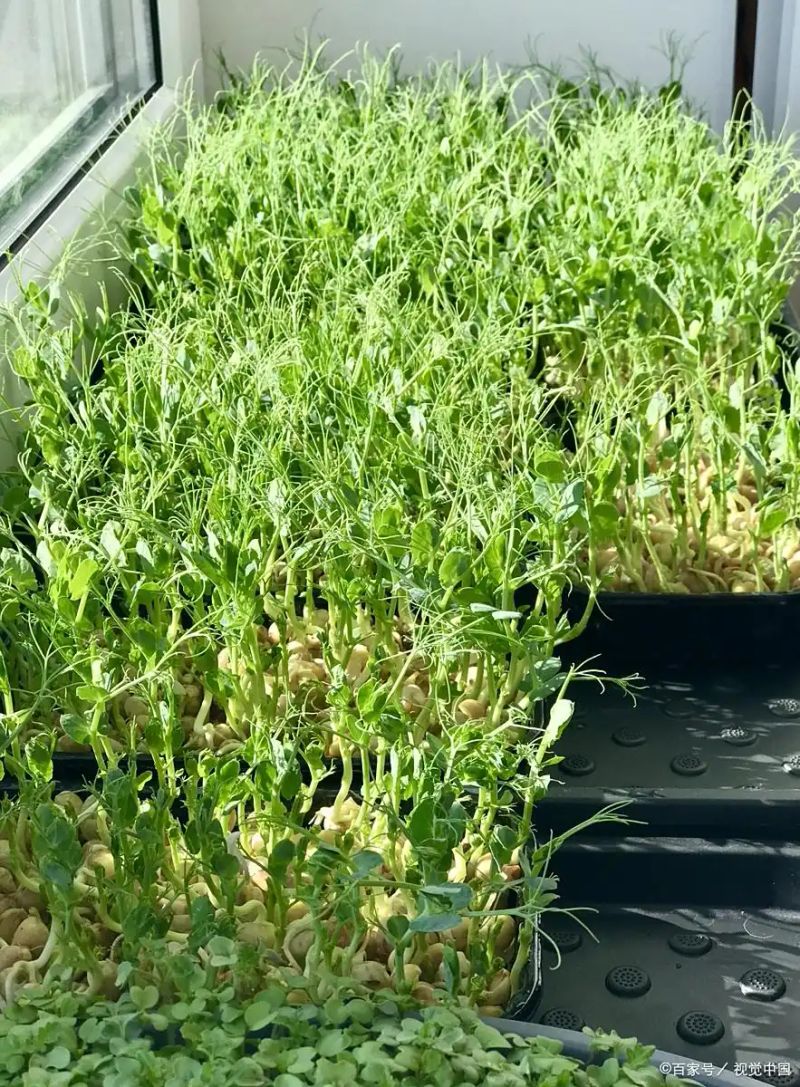
Peas seedlings are less demanding for containers, and plastic trays, foam boxes and even shallow poaching basins are available, with a depth of 8-10 cm recommended. The key is to ensure drainage holes at the bottom of the container to prevent the accumulation of water at its roots. If hydroponic methods are used, gridded seedlings will need to be prepared to allow root systems to reach the water surface without complete immersion。
The soil proposes to use a defusing matrix:
- traditional earthbreeding: co-mingled with pearl rock at 3:1 and sterilized with pre-sun
- unearthed cultivation: coconuts mixed with cylindricals 1:1 with better water conservation
- innovative methods: direct planting of wet kitchen paper towels suitable for short-term harvesting
Scientific seeding and management
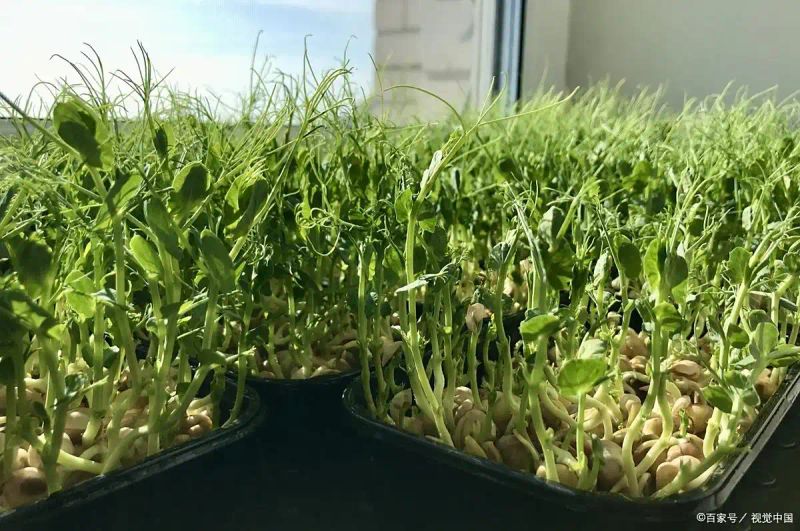
Seeding techniques: spread the treated seeds evenly on the surface of the matrix, with a slight overlap between the seeds (approximately 2-3 particles/cm2). Covers 0. 5-1 centimetres of thin soil, with water sprayed to the base but without water. Seeds are laid directly on the nursery grid during hydroponics and the water level is kept at the bottom of the suitable exposure。
2. Scalding phase: seeding followed by a cold ventilation area, with wet gauze or fresh membrane cover (for poaching). Maintain temperature 18-25°c and spray water twice a day. White embryos are normally visible for two to three days, at which point the cover is immediately removed。
3. Light regulation: gradually increasing the exposure of dispersing light after the gestation and avoiding the fibrosis of the mantle as a result of direct sunlight. The ideal daylight time is 4-6 hours per day, supported by plant lighting. Pay attention to the periodic rotation of containers so that the seedlings are given equal light。
4. Hydrological management: keep the matrix humid but unwatered and it is recommended that spray water be used. When the air is dry, it can increase humidity by placing the disk around it. Water needs change daily to prevent corruption in water quality。
Solutions to common problems
Symptoms: most of them caused by wet weather or poor ventilation. The stains should be immediately removed and diluted white vinegar or small soda (scale 1:100) sprayed. Serious cases require replanting。
2. Small and small: in the form of decomposition, yellow leaves. Solutions include increasing light time, reducing ambient temperatures and reducing nitrogen fertilization. Potassium solution (0. 2% concentration) with sprayable phosphate increases plant resistance。
3. Pest control: aphids can be sprayed with soap; fungal diseases recommend early prevention with garlic leachate. Organic growers recommend the use of grass and ash to plant before planting, which provides both potassium fertilizer and fungicide。
Collection and regeneration techniques
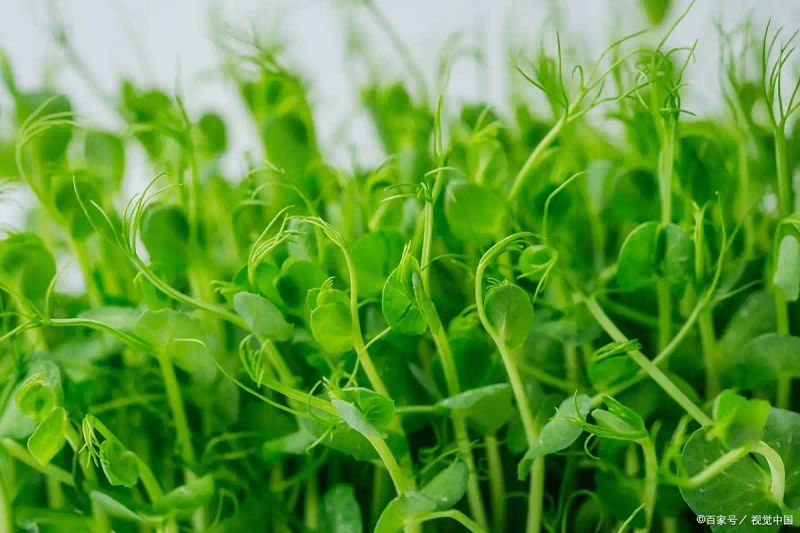
They are harvested when they are 10-15 cm tall and they grow 4-6 leafs. The best time is in the morning, when the plant is watery and soft. Cutting with scissors at 1-2 cm from the base allows for 2-3 regenerative harvests at growth points。
In order to improve regeneration, a diluted organic fertilizer (e. G. Fermented rice water 1:50) should be applied once after the first harvest. The hydroponic system requires a complete replacement of nutrients, with ec values at 0. 8-1. 2 ms/cm. Experiments have shown that the appropriate addition of algae extracts can significantly increase the vitamin content of regenerative seedlings。
Vi. Enforcement and food recommendations
The nutrients can be modified by the regulation of light and temperature: the increase in vitamin c levels under ultraviolet radiation; and the accumulation of plume in low temperature environments (about 15°c) will facilitate the display of purple leaves. Dark treatment 24 hours before harvest reduces nitrate levels by more than 30 per cent。
Fresh pea seedlings are suitable for cooling, cooking or soup, and are recommended for ready-to-use consumption. Short-term storage can be stored in a freezer room (4°c) for up to three days. It is noteworthy that there is a low level of herachlor in peas seedlings, which can be eaten without water, with maximum water soluble vitamins。
Vii. Progress technology
1. Stereoculture: a three-to-five-fold increase in production per unit area can be achieved using multi-story frames with led lamps. This model is particularly appropriate for families with limited urban space。
Hydroponic system optimization: the introduction of oxygen-added gas pumps or nft nutrient membrane technology reduces the growth cycle to 7-9 days. Data show that the coarse protein content of peas seedlings in circulatory hydroponic systems is 18 per cent higher than that of soil。
3. Seed activation techniques: 0. 1 per cent of calcium chloride solution impregnated to increase gerontology; magnetic field treatment seeds (50 mt strength for 10 minutes) enhance resistance of seedlings。
Through these methods, fresh pea seedlings can be produced continuously even in the winter rooms. This non-seasonal and land-based cultivation is becoming an important component of urban agriculture. It is recommended that beginners gradually experiment with more sophisticated cultivation models, starting with earthbreed, and experience the pleasure of the whole process, from seed to table。
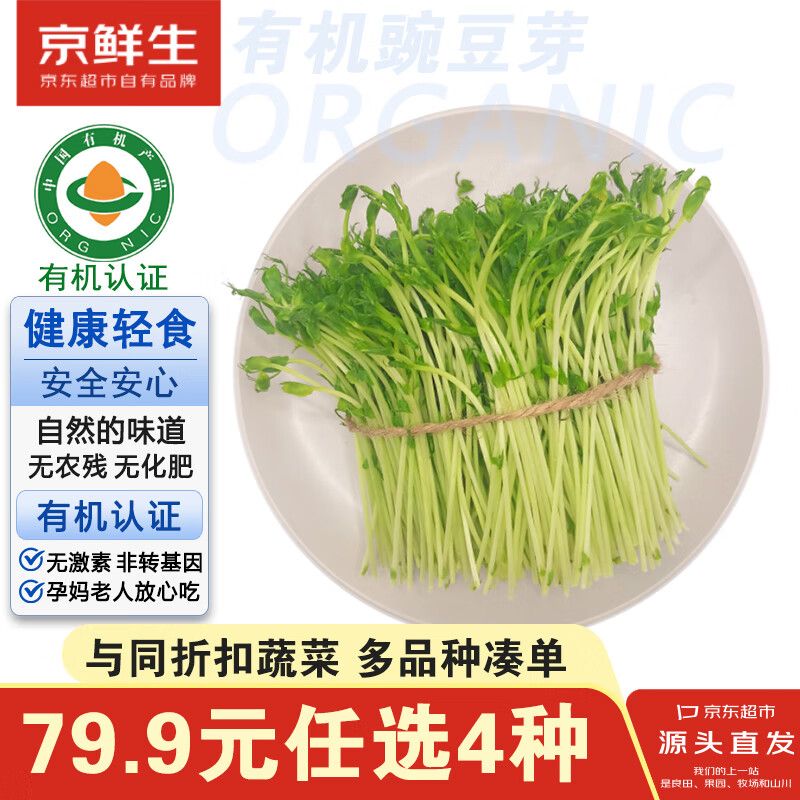
Kyosei, shandong, a box of organic pea seedlings weighs 300 g net, organically certified healthy and light, with direct hair
¥26. 9
Kyodong's number 97 is 99%
Purchase









