


Autumn broadcaster, peas cultivation is mastered
Recently, a lot of horticultural friends have been consulting: "how should peas grow?" is this the right time to sow?" peas, this delicious and nutritious vegetable, is not really hard to cultivate. At this time, the best time for peas to sow, however, some of them tend to grow peas at a time when the timing of planting is inadequate or subsequent management is not in place, resulting in the successful seeding, slow growth of the plant and the eventual impact. To that end, this paper will explore the right time for peas to grow, efficient seeding techniques and scientific management methods to help you to control the peas. The trick of growing beans, making peas thrive
Basic strategies for pea cultivation
Timing of cultivation
Peas prefer cool environments, where early or late seeding adversely affects their growth and growth. So when's the best place to sow? This is to be determined on a geographical basis:
In the north, it is suitable for autumn and spring broadcasts, which usually take place from mid-october to late october, so that before winter the peas can germinate and rise smoothly, and the next spring can produce flowers. The spring-run peas, on the other hand, are suitable for early march, when the temperature rises and the growth of peas accelerates. Cultivation in the north can only wait until next spring。
The yangtze basin region is currently on the tail of peas in the autumn and recommends that planting be done quickly in order to prevent cold temperatures from affecting seedlings。
The southern region is able to sow in winter and, due to relatively high winter temperatures, can sow peas between november and december. It should be noted, however, that when temperatures exceed 25°c, peas grow at a slower rate and so seeding should be avoided as much as possible during the hot season。
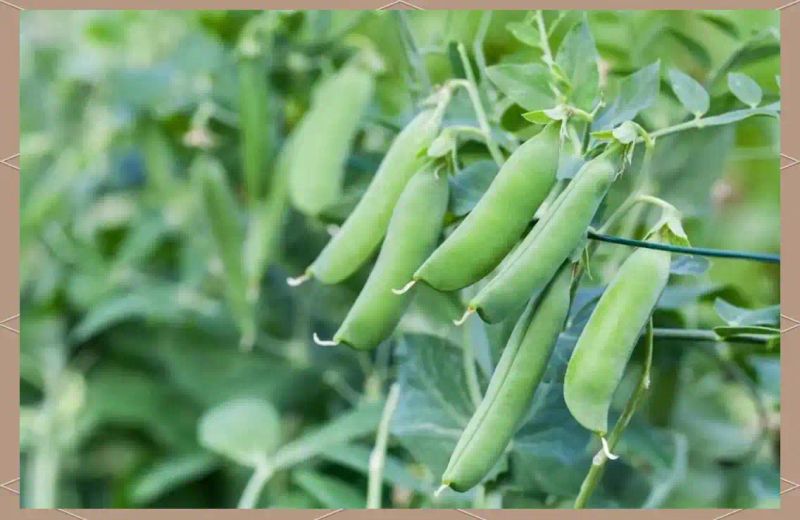
Seed processing
Due to the thick skin of pea seeds, direct seeding can lead to slow or non-sprouts. Therefore, proper seed treatment is required before seeding can take place in order to increase the gerontization rate。
First, the selection of seeds is crucial, and seeds that are full of particles and unbreakable should be selected, avoiding the use of wrinkled or moldy seeds to ensure the quality of seed planting。
Secondly, bubble seed is a necessary step. The selected seeds are immersed in water for 8-12 hours, and water temperature is maintained at around 30°c until the seed is micro-inflated。
Finally, seeds that are blistering require seeding. Placing seeds in wet cloths at a suitable temperature of around 20°c and waiting for the seeds to be exposed before seeding, will significantly increase the speed and alignment of seedlings。
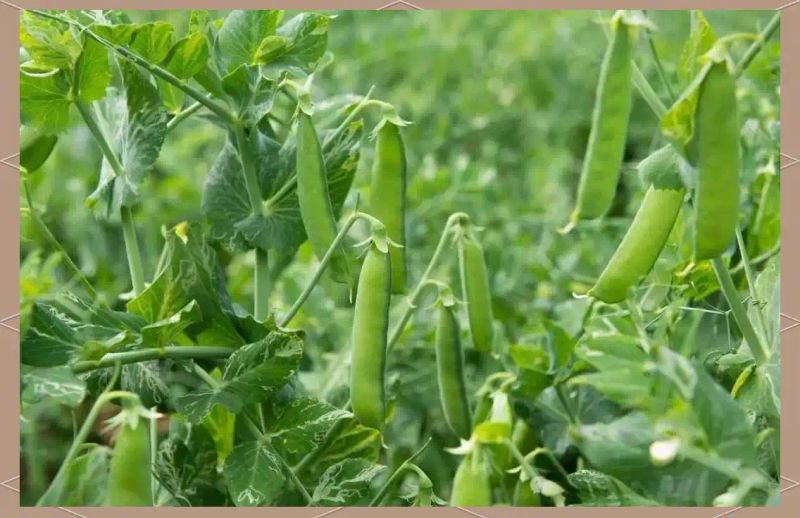
Sowing technique
In sowing peas, reasonable distance and depth control is essential, and they directly affect the growth space and ultimate yield of seeds。
Peas are available on-demand and on-demand, which is more appropriate and manageable for family farming. On-demand, the range shall be between 10 and 15 centimetres and the range shall be between 20 and 30 centimetres; if this is used, the range shall be 30 centimetres and the distance shall be between 8 and 10 centimetres. At the same time, the sowing depth needs to be moderate, not too shallow or too deep, and typically 3-5 cm. Once seeding is completed, a layer of concrete and compaction is required to ensure that the seeds fit closely with the soil. Finally, the soil is kept wet by adequate watering。
When seeding occurs, three or four peas seeds should be placed in each pit, which ensures appropriate spacing between seeds, while facilitating later management and harvesting。
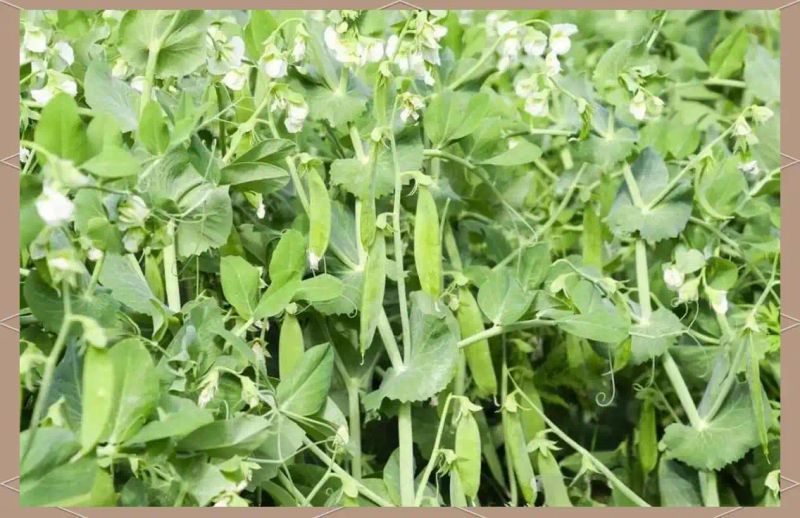
Management after seeding
Maintaining soil moisture is key. Once seeding has been completed, an adequate water supply should be carried out to ensure that the soil is wet. This moist state should be maintained before seeding, but care should be taken to avoid water accumulation in order to prevent the decay of seeds due to excessive wetting。
Freeze-proof measures cannot be ignored. In the north, in particular, the temperature at night can decline significantly after the stifling of small snow. At this point, the ground needs to be covered with membranes or straw to protect against freezing. In the south, however, despite the high temperatures, care must also be taken to ventilate when necessary。
In addition, combating pests and diseases is an essential link. Peas are often threatened by sudden fallout and aphids. Spraying can be carried out with multibactrin for epidemiology, while in the case of aphids, low-toxic pesticides such as aphids can be selected for spraying。
Finally, attention needs to be paid to the needs of peas for reptiles. For vine peas, when the seedling grows to 15-20 cm, it should be constructed in time to enable the vine to climb smoothly. In the case of short peas, there is no need for a special set-up, except for appropriate space。
Points and answers for fertilization
Fertilizers contribute to the growth of peas, and it is important to supplement soil nutrients in bottom and catch-up rules。
Bottom manure: before seeding, corroded organic or compound fertilizers can be mixed into the soil to ensure that the soil has sufficient nutrients。
(b) fertilizers: if the peas grow slowly, the diluted urea water can be followed up in due course; during the flowering season, potassium phosphate, such as potassium phosphate, needs to be supplemented to promote peas ' flowering and corset。
Common question answer:
Question 1: how can be improved when peas are thin
Response: this may be due to insufficient fertilizer or light during seeding. Ensuring adequate nutrients and sunlight is essential in the period of seedling. Underweight bottoms can be followed up with diluted nitrogen when the seed is as long as 5-10 cm; in the case of insufficient light, it should be moved to a good light source or removed to ensure at least 5-6 hours of light per day。
Question 2: what may be the reason for the yellow seedlings
A: it's probably a “burning seedling” caused by fat. If previously applied chicken dung are not sufficiently fermented and decomposition and are used directly during the seeding period, it may burn down the root of peas and cause yellow seedlings to die. At this point, a large amount of water should be poured immediately to dilute the concentration of fertilizers in the soil and, where appropriate, pine gas, the application of amino acid-containing foliage to restore the plant。
Question 3: why are peas blooming too early
Response: this may be due to seed varieties. For example, peas of short or fast breeds have shorter growth cycles of their own, and it is normal to plant flowers more than 20 days after planting。









