


Unhazard-free vegetables are suitable for growing in environments such as soil sterilisation, strong irrigation capacity, good water quality, isolation from urban areas, factories, etc. Cultivation involves the selection of varieties, the disinfection of seeds, and the planting of seeds in due course. Keep the soil moist, apply base fertilizer, supplement nitrogen fertilizer when pursuing it, and perform a range of management tasks, such as weeding, arming, etc., at a later stage, which can be rotated according to plant varieties. The intensity and frequency of the water is determined by soil type。
I. Non-publicly harmful vegetable cultivation techniques
1. Environmental selection
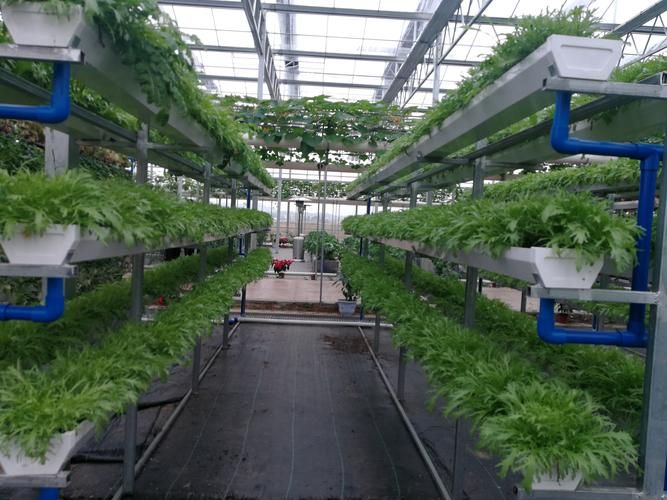
First and foremost, the choice of a good farming environment to meet the production needs of non-hazardous vegetables. The most important environment in which vegetables are grown is away from pollution sources such as urban areas, factories and so on. Good drainage is guaranteed and water quality meets the requirements of cultivation. Cultivated soils should be deep, soft, fertile and well-structured. Soil area is controlled on the scale of cultivation and rotation is guaranteed on the basis of plant varieties. The soil is then cleaned up, the natural environment is improved and a good growing environment for vegetables is created。
2. Plantation management
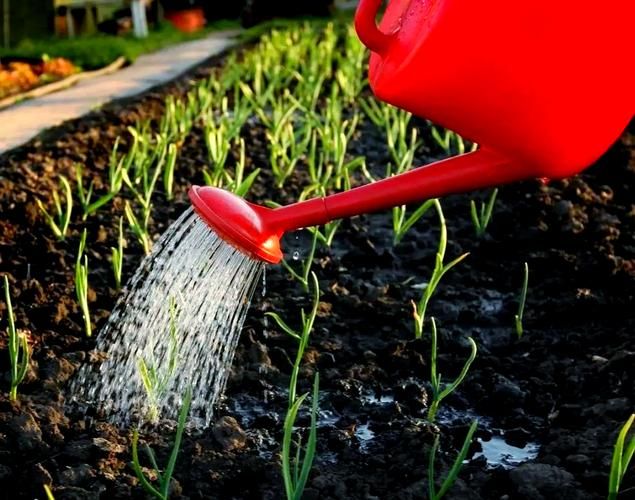
Suitable planting varieties, such as soil types and cultivation areas, are selected, good seeds are selected and disinfected. Controlling seeding time, planting in due time and increasing the growth capacity of seedlings. Plantation management based on vegetable growth habits. Field management has been strengthened, with a range of tasks, such as weeding and arming. Controlled humidity, such as weather changes, and ventilation, depending on the environmental requirements of the vegetable, with flexibility。
3. Rational watering
The intensity and frequency of irrigation should be reasonably adjusted to such factors as soil type and trim. For example, because sandy soils have poor water retention capacity, they are often watered, whereas viscous soils require drainage. It is then irrigated on the basis of weather and the growth of seedlings, etc., and more water is poured in high temperatures, rather than water or less. Leafs can be luminous with less water and more water when they fall. However, it is inappropriate to water any vegetables at noon in order to prevent high temperatures and wet environments from causing pests。
4. Fertilization methods
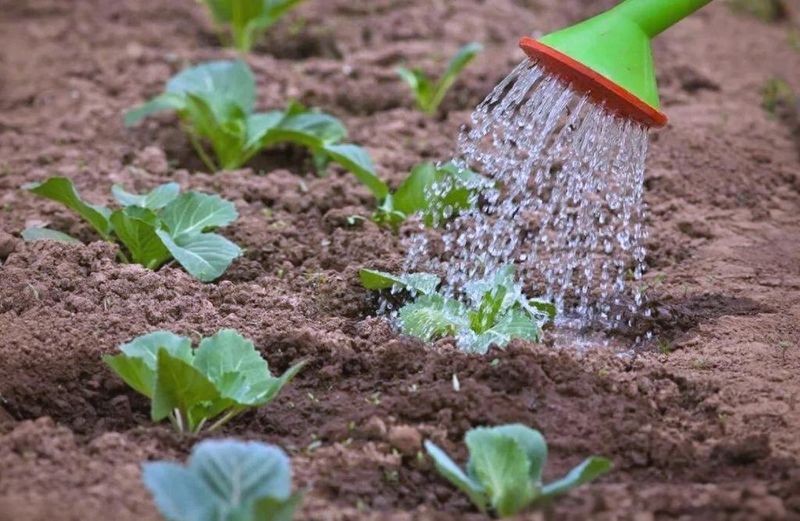
The base fertilizer is mainly based on consummated farm fertilizer, but the choice of the type of fertilizer, such as cuisine, casserole, etc., is not suitable for agricultural fertilizer. While appropriate additions to nitrogen fertilizer are required in the pursuit of fatting, care must be taken not to overutilize and to avoid excessive nitrogen fertilizer leading to vegetable growth, which reduces the permeability of the field and consumes excessive nutrients, leading to lower yields。









