


In the late spring of april, a hundred acres of buddha's hand was in good shape. This poor city village, once confined to the mountains, has been able to leverage industry through a cooperative led by a party branch, and has been able to embed a “technical chip” in a small technological station, driven by a double-wheel drive of “organizational empowerment + technological empowerment” to chart a path to the revival of the fragrance of vegetables and fruit。
Co-operatives run by party branches: from “one-size-fits-all” to “size-run”
Shanghai is located at the southernmost end of the village, at a distance of 21 km from the village government, with long distances and weak industries. In 2020, the village party branch seized the opportunity of the goda district's executive branch to run a pilot cooperative, set up the sangyang agricultural professional co-operative, explore the model of “cooperative + family farm + farmer”, integrate agricultural resources according to the industrialization of “one village” and consolidate the production, acquisition, sale and commercial marketing channels, develop the high mountain fruit and vegetable specialty industry, which is dominated by buddhist melons and monkeys, and effectively promote collective economic growth among villagers and villages。
“the past was one-on-one, small-scale, narrow-cut cultivation.” the village party's book, cao bao, described its branch as having grown to over 700 acres, with an annual value of over 6. 5 million yuan, by consolidating scattered land, harmonizing technical standards and creating marketing channels, and successfully elected a provincial “one village at a level” in 2024。
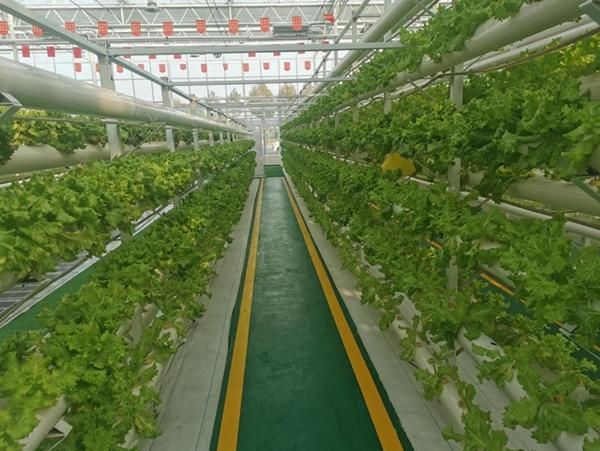
The establishment of cooperatives has enabled the activation of factors such as land, finance, talent and mass, and the promotion of the rich in the villages. “agriculture time festival, working in village cooperatives, has a significant income.” villagers zhang dejien told journalists that he could only be employed at the “doorway to his home” thanks to the co-opting of the party branch. In addition to this, members of the community who move the land, as contracted, receive the cooperative's “redred” every year。
Science and technology substations: “technology chain” with “organizational chain”
In the past, shanghai village agricultural production has long relied on intergenerational “earth experience” and lacked technical guidance. In an effort to break the “cool” dilemma, the piangyang village innovation initiative explored the establishment of a small technology station run by a party branch. This integrated platform, which brings together agricultural technology promotion, science, technology and innovation, and social services, has given new impetus to village development。
In april 2024, the party branch led the small station of science and technology to take root in shanghai. The science and technology substation, in collaboration with the crop research institute of the agricultural college of fujian province, has been set up with the aim of developing long-term support mechanisms to further the role of the party's branch as a medium for linking science and technology to agriculture, breaking down barriers to rural industrial development and gradually building up the internal momentum for the revival of rural industries。
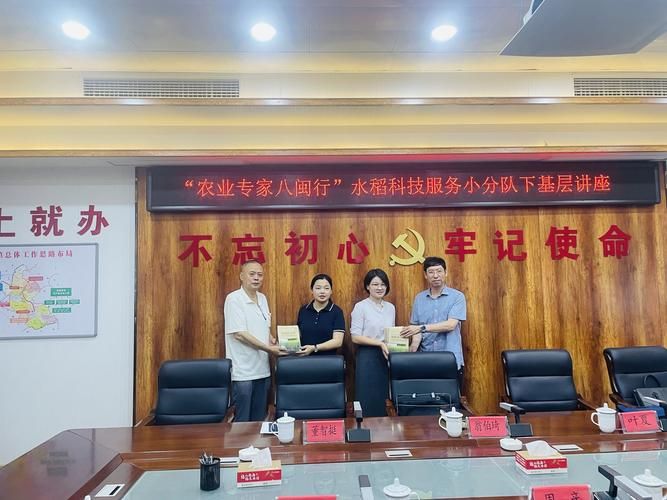
The science and technology substation, which serves as a “smart hub” for industrial revitalization, has the functions of transformation of results, technical guidance, information services and project declarations. In order to ensure the efficient functioning of small stations, village-level party organizations set up a “technical chain” of “organizational chains”, with the village's chief, cao bao-chul, acting as the head of the station, with the intellectual support of li, the vegetable expert at the provincial agricultural school, and the deputy head of the station, in his capacity. In the early stages of operation, the village party branches, using the principle of “home-to-house and household-to-house” mapping of village-wide industries, set up a “one-house” database of industry types, size of cultivation, annual value and technical pain points。
In 2024, villagers showed that buddha's handmeasure had its roots, and agrotechnical experts, through interviews with farmers and field visits, recommended that the buddha's handmeasure be planted on conical earth piles and slopes. Improved soil conditions have also led to higher yields. To date, shanghai science and technology stations have helped villagers to solve problems in more than 50 places and have provided counselling services over 100 times。
Technological stations not only solve problems, but also open new paths. “the diversity of fruit and vegetables previously grown is small, and experts are now hand-in-hand to direct production, bringing new varieties and new technologies.” the “new farmer” liangkang has raised weeds from the nursery to present to journalists that the growing small seedlings in the nursery are “gold purple 9” barbecues。
In may 2024, the shanghai-yangmura branch co-operative planted two acres of red mackerel at the buddhist handigu base, under the supervision of a team of specialists, and in august 2024, the first batch of red mackerel tests succeeded in generating an additional $200 for the village's collective economy. Shanghai has actively explored the “peased beans” monocropping model, breaking the production patterns of the original monocultivated species and effectively increasing the yield and efficiency of the area。
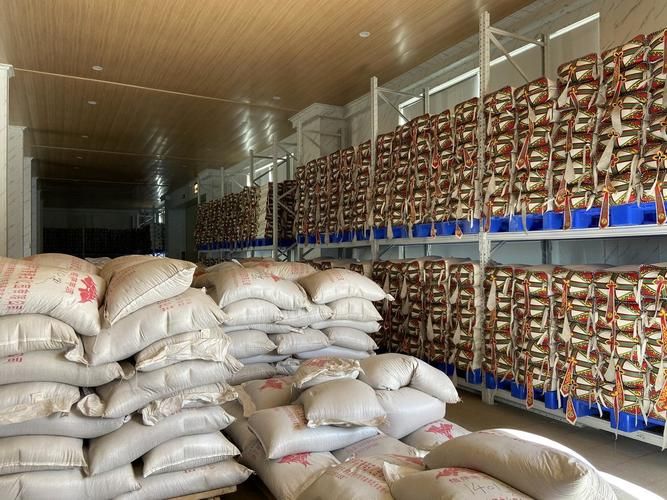
With the rise of the high mountain fruit and vegetable industry in shanghai, more than 20 young people have been invited to start their own businesses and develop special agricultural industries. These “new farmers” have used the “cloud gold keys” to sell the special vegetables and vegetables of buddha's melons and monkeys to the national market through the “electrician platform + live delivery” model。
In recent years, the shanghai village has dug deep into the cultural base and carried out protective development of the ancient pagodas, as part of a comprehensive courtyard economic project that combines residential operation, cultural experience and agricultural research. At present, the first phase of the project has been completed and put into operation on a trial basis, and the first guests have arrived on this year's “51st” holiday. Huang chuyeon
Study the army's recommendations









