


A lot of culinary friends, gardeners, summers, autumns, winters and winters, have to buy food. If you want to eat fresh vegetables every quarter of the year and every day, the core is five o'clock: select the type that fits the temperature, protect the temperature, plant the seeds in batches, shift them rationally, and refine them daily, whether in rural gardens or on the balcony。
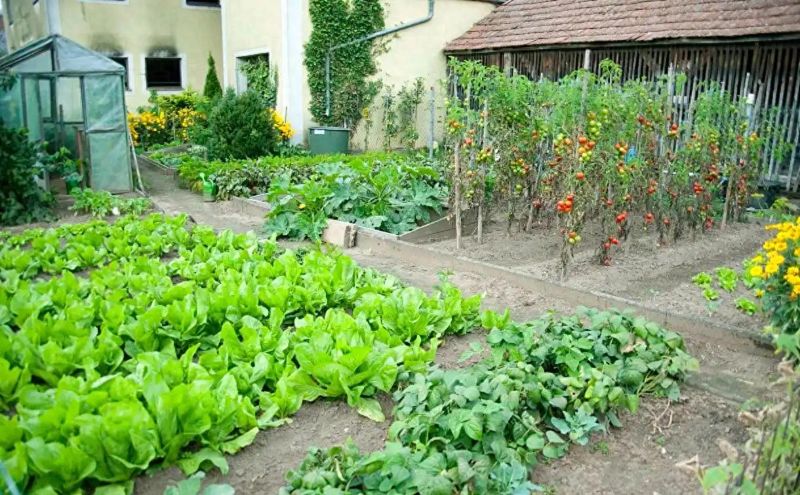
First of all, we choose hot and cold vegetables. Four seasons of lettuce, cabbage, cabbage and barley can be planted four seasons a year. Onions, garlic seedlings, mussels, radish, four seasons are highly adaptable and new hands cannot easily fail。
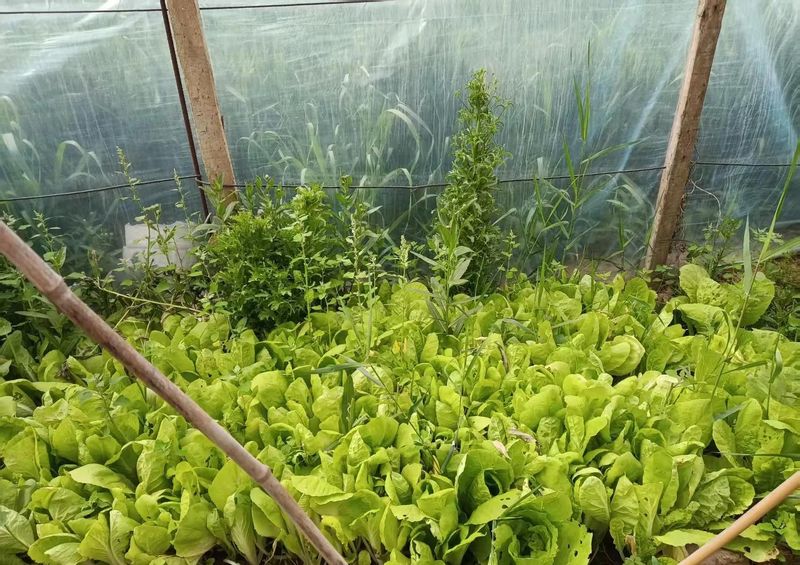
The temperature varies from year to year, and the patterns of cultivation are adjusted accordingly. The temperature is stable at 5-20°c in the spring of february-april each year, suitable for cold-resistant snacks such as spinach, fragrances, tomatoes, peppers, warm water bubbles, covering the membranes, and much faster。
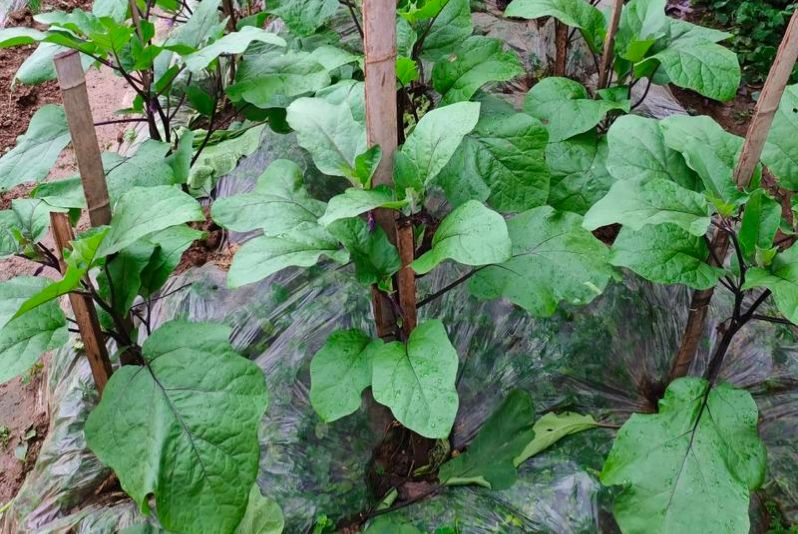
In may-august, the summer heat was so high that it was difficult to grow more than 30°c. Priority was given to empty cabbage, autumn, sunscreening of the sun during the day, and fragrance, spinach and spinach needed a low-temperature sprouts to flourish. In the autumn of september and november, the climate was comfortable, with the golden phase of growing vegetables, with the old saying that radish and sprouts of cabbage, early planting in the north and a half-month delay in the south. Winter temperatures were low between december and february of the following year, with small arch sheds built in the north to keep the temperature warm, while garlic and fragrances were planted in the south in the open, less water was poured in the winter to avoid rotting roots。
In order for harvests to continue, batch seeding and crop rotation are essential. The vegetable can be harvested for 20 days, so that every 10 days a small piece is soaked and mature, and there is a continuous stream of green vegetables. Vegetables, melons and root vegetables are grown in turn, and bean horns are set up to plant lettuces that cover the sun and prevent insects, as well as serious diseases。
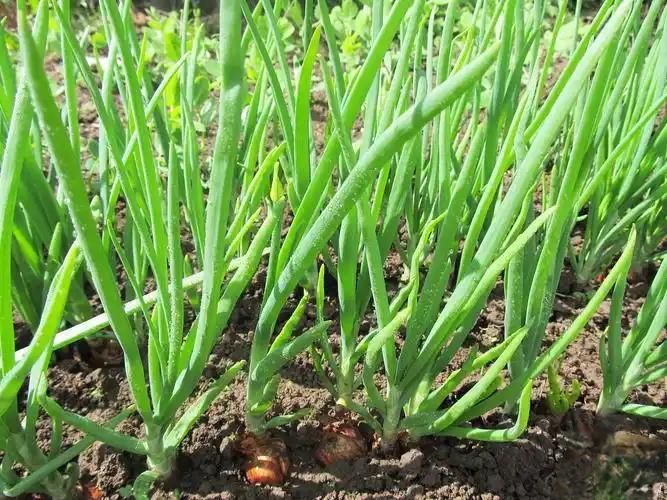
In day-to-day conservation, the soil needs to be burned with decomposition organic fertilizers, with the rejection of fatting the roots; water is poured dry and wet, and water is poured out early and late in the summer and less in the winter. Pests are prioritized for grasswood ash and yellowboard physics, with as little pesticide use as possible. Simple facilities can stabilize production with membranes in spring and summer, sunnets in summer and hot sheds in winter。
Accurate a pattern, with planting techniques, a small yard and balcony can harvest fresh vegetables for four seasons a year, grow food in time and grow green oil throughout the year。









