


Many of the villages have been waiting for the summer to start growing cabbage, which would have been a good time in the autumn. However, many people say that they shed their seeds, and that they produce seed, and that there are lots of places, and lots of land that are not bloated. When they grow up, the worms gnaw, and they don't grow, and they don't pick. It is not bad seeds, most of which are planting pipes that fail to take place and capture several critical points, so that they can be fully seeded, with fewer pests and many harvests。
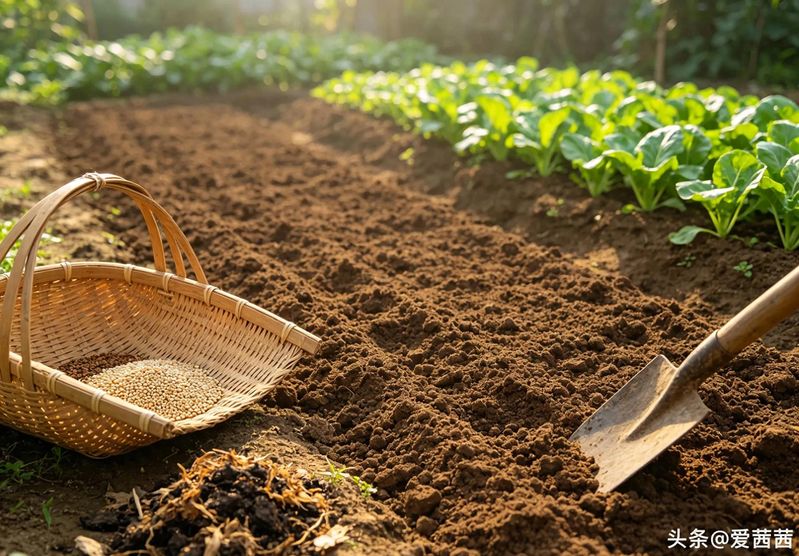
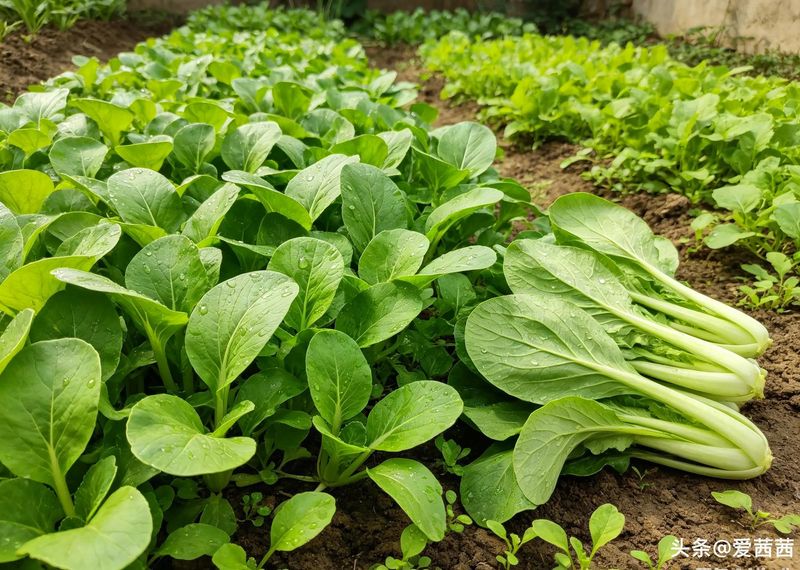
It's also a vegetable garden, where other people's little cabbage grows green and green, and it's not long before they cut it. They are either poor or infested, and they are replanted once. Temperatures slowly recede after the summer and are warm and cool during the day, a weather that is particularly suitable for cabbage. However, high-temperature submersibles, an outbreak of aging worms, and inappropriate planting of water can have a direct impact on the dynamics. The core holds the four points below, in order for the cabbage to grow and the pests to grow。
I. Why is it so hot to grow cabbage that is prone to erosion and insects that cannot be collected on a sustainable basis
We grow food, we understand what's behind it. These difficulties with cabbage in the autumn are not caused by a single factor, but by a combination of temperature, soil, seeding patterns and pests。
First, high-temperature burning sprouts on the surface, with mixed seedlings. Even though the summer season has entered the autumn, the surface temperature remains high at noon. Seeds are scattered over the earth, and if the dust is too thin or there is no dust, the sun is strong and the earth's watch drys, the buds that are fresh are easily roasted. There's a very thin seedling and an uneven cropland。
Second, seeding operations are widespread, and deep seeding is poorly controlled. A lot of old people have done it to get the seeds to the ground. Seeds are buried too deep, small seeds do not have thick layers of soil, and they rot in the soil; they do not cover the soil at all, the sun tans and the birds peck, and they also fall apart。
Thirdly, fall pests are concentrated. Over the summer, the ovulation base in the vegetable fields was large, and during the fall tigers, the leaching, the larvae and the aphids gathered together. Insects eat green leaves first, and it is difficult to manage them when they are all poached with holes。
Fourthly, management of water fertilizers is not rational enough to achieve multiple harvesting. Following the pickle harvest, many people do not supplement the fat, but wait for it to recreate itself. After cutting, the seedlings are weak, with few gerbils and small yellow leaves, so they can only plant one piece and not harvest many times。
Fifthly, the floors are being handled in such a way that the soil sheet is not in a good mood. The field is thick and hard, the seeds are not exposed to wet soil, the water is not inhaled and the growth rate is significantly reduced. The weed leaves left by the front crop contain a number of insects and eggs, which are not cleaned up and are followed by later pests。
In general, the fall cabbage is poorly bred, severely infested and does not all blame seeds. Questions arise as to which steps are being taken in the field, sowing, pest control and water fat. To achieve a continuous harvest, these risks must be avoided in advance。
Ii. Hold on to the four core critical points of physical exercise, so that they can grow up with fewer pests and harvests
In the south, small cabbage is grown before and after the summer, either sporadically in their own small gardens or on a small scale. The following four points are simple, and ordinary farmers are able to exercise themselves。
Key point one: science-based seeding of the whole earth to ensure clean seeding from its roots
The small grains of the cabbage seed, the high demand for the seedlings, the poor preparation of the soil, and the lack of protection at the back, make it very difficult to produce the seed。
1. Cleaning up the earth's groceries, fine-drive. Before seeding, weeds in the kitchen and old leaves in the past are cleared out to reduce the number of places where the eggs are hidden. The more the earth is ploughed, the larger the ground is crushed, and the more the earth's grains are finer, the easier the seeds will be bound up with the soil and the more the seed will come. It is difficult to germinate if the earth is so big that the seeds fall in the cracks that they do not reach the wet soil。
2. Light application of bottom fertilizers and prohibition of the use of uncorrupt prepared manure. The cabbage has a short growth cycle and does not require heavy weight. Sufficiently decomposed farmers can be used as a base fertilizer with a small combination of compound fertilizers. Don't spill undecompressed farm manure. Fertilizer ferments in the soil twice. It burns small buds and brings in ground pests. Mid-fertilizers are not overstretched to avoid later burning。
3. Build bottom water and sow it first. Many of the villages are used to drying up seeds and pouring water so that the water washes small seeds into one place, resulting in localized over-crowding and, in part, a shortage of seedlings. The right approach is to sow the soil before pouring it through the bottom water, and then sow the seeds when the water slowly penetrates and the earth's soil is not touched。
4. Controlling seed volume and soil thickness. Little cabbage seeds are very small, so don't soak, the seedlings are crowded together, the weak are long and easily ill. When the seed is dispersed as far as possible, and after it has been dispersed, a thin cap will be covered with a fine layer of soil of 0. 3 ~ 0. 5 cm thick enough. The soil is so thick that the small seedtops are so laborious; it is completely empty, and the sun-dry has a direct impact on the gestation。
Little reminder: the sun is hot in the middle of the summer, with the conditions to sow short, simple shades of the sun for short periods of time, until a small seedling breaks the soil, then removes the shades and avoid burning the sun。
Key point two: shrimp precision tube protection, density control, and end-of-life disease reduction
The seedlings are only the first step, the management of the seedlings is not keeping pace, the seedlings are weak and are more likely to attract insects and become ill later。
1. After seedlings and at times. The cabbage comes out fast, and the first of the two leaves is to grow, removing the congested and weak seedlings and growing up to three or four leaves for the second seedling. The seedlings must not be removed, the seedlings must be squeezed into clusters, the ventilation is poor, the plants grow thin and yellow, and are particularly vulnerable to insects. Sakami does not pull violent pulls, remove weak ones lightly, and do not disturb the preservation of seedlings. It's not wasted。
2. Water is watered in small quantities. In autumn, the day was still hot and soil water was evaporating fast. The seed age is most afraid of full dry-drying of the earth's surface. The soil is maintained in constant humidity using small water. The water is chosen in the morning or the evening, avoiding the heat of noon. Don't pour the water, put the water on the roots, and the cabbage can rot on the leaves. After the fall showers, the drains were cleared in time and the kitchens could not accumulate water。
3. Fat and fat seedlings. We can't get fat at the nursery stage. When the sapling grows, if the leaf colour is yellow, it can be followed up with a small amount of quick-effect fat, thin-weighted, and too much one-time fertilizer to prevent the burning of leaves。
Key point three: prevent pests early so as to prevent predominance and reduce eating of vegetables eat
Autumn cabbage is the biggest problem. Many farmers are used to seeing bugs before they begin to govern, and often the leaves have been bitten. Autumn protection against insects focuses on early prevention rather than on insect outbreaks before remediation。
1 clean field reduction base. Pre-plant cleaning of old leaves and weeds in vegetable fields, which contain large amounts of leaching and green insect eggs and are clean, can directly reduce the number of later insects. Weeds around the vegetable fields should also be properly cleaned, leaving no place for insects to breed。
2. Physicophysical support for pest prevention. Vegetable gardens can be planted using anti-worm nets to prevent insects from laying their eggs; they can also fly cedars and trap aphid jumpers. Home gardens give priority to physical control to reduce the probability of an outbreak of pests。
3 on-duty multiple patrols. The pickle leaves are small and the worms are growing fast, and they go to the kitchen for a day or two to look at the back of the leaves, and the eggs are mostly hidden behind the leaves. A small number of insect eggs and insects were found and disposed of as soon as possible, without waiting for the larvae to spread。
Drug use is regulated. If pests have already taken place, use of the insecticides for the vegetables registered in compliance is selected, strictly in accordance with the indexation concentration, and the interval between harvests must comply with the description requirements, select the items of agricultural assets in compliance and refrain from misusing all types of civilian bias. Prioritize morning and evening administration, avoiding high noon temperatures. Precedence is given to physical pest control, which must strictly comply with the pesticide safety interval and ensure the safe consumption of vegetables。
The focus is on the short growth cycle of cabbage and the need to keep safe intervals and food security。
Key point four: scientific harvesting and re-fertilization, with one round after another of continuous harvesting
In order to harvest more than once, many people step on the pit as a one-time extraction, or when they are done, they grow only once. With harvest methods and post-cut fertilizer, new leaves can be produced and collected continuously。
1. Use cutting and harvesting, not rooting. The cabbage is too big to eat, not the whole tree. The upper leaf is cut two or three centimetres from the ground with a small knife or scissors, the roots are preserved and the heart of the underlying leaves is intact, and it can re-emerge. There is no chance of growing up again。
2. Field handling after cutting. The harvest was followed by the clean-up of damaged leaves in the vegetable fields, which were left in the ground prone to decay and pests. The wounds should not be sorely watered immediately, half a day apart, to prevent the incision from decomposition。
3. Every harvest completes the timely pursuit of fat. There's no shortage of nutrients to grow new leaves. After cutting, a small amount of quick-acting fertilizer is pursued to promote the re-emergence of the heart. The fertilizer is small enough not to be overstretched at once, so that the new leaf grows fast and the next one grows fast and young。
4. Reasonable control of harvest frequency. When the temperature is right, the cut is done and the harvest can be repeated for about 20 days. At the end of the period, lower temperatures and slower growth lead to longer harvest intervals. When temperatures are too low and plants are stagnant, they are no longer suitable for multiple pick-ups。
Iii. Auxiliary management. Get the details
The four core elements are in place, and the next few minor things are done, and the vegetable cabbage can go up one more floor。
First, make a good turn. Every year, the same vegetable area is growing cabbage over and over again. The burden of disease is increasing year after year, and the burden of disease is increasing year after year. Farming can be rotated with garlic crops to improve the soil environment。
Second, flexible planting based on weather. Summer is only a reference point, and if the temperature is sustained, seeding can be delayed for a few days, as appropriate, and when the temperature rains occur, it can be done early, depending on the actual local temperature。
Thirdly, be moderate enough to cover the rain. In autumn, not only did the tigers get tanned, but they also experienced heavy rains. Just as the seedlings are released, heavy rains can easily hurt the seedlings, and there are conditions for simple protection against heavy rains。
Fourth, we're going to run the planting batches and spread them in batches. Don't finish all the dishes at once. Two to three staggered batches of seeds can be spread, one growing up and the other growing, with vegetables in the garden continuing to be eaten, avoiding a concentration of ripening and then no food。
Iv. The summer-planted high-frequency cabbage pits, which many old people used to step on every year
1. Pipe i: direct application of manure for non-consumer farmers。
Correct: undefaded manure ferments in the soil, is highly fertilized, attracts underground pests, and farmers must be fully decomposed。
2. Pipe ii: spraying seeds directly with heavy water。
Correct: the water will run away from small seeds, and the seed will be mixed. The bottom water is poured before seeding, and it is appropriate to sow the soil。
3. Pit three: must not fall apart, and the seedlings are crowded together。
Correct: sapling density is too high, ventilated, small and weak, highly susceptible to insect disease, timely sub-sapling, and sufficient space for growth。
4. Pipes four: insects can't be seen and can't be treated until the leaves are chewed。
Correct: autumn eggs are large in number and focus on early prevention, looking over the back of leaves, early detection of early treatment, and difficult to manage after an outbreak。
5. Pit five: the harvest is to be removed from all its immediate roots with the expectation that it will continue to grow。
Correct: all the root lines have been removed, and they will not start again. Cutting and harvesting, and keeping the base cuisine, will allow more harvest。
6. Pipe six: after a leaf is cut, it does not follow fat or manage, waiting to grow。
Correct: continuous harvesting consumes soil nutrients and is followed by timely and thin rejuvenation, so that new sprouts emerge quickly。
7. Pit vii: spreading the dust too thick or completely clean。
Correct: too thick a small acreage is difficult, and the drying of soil seeds without covering them in the sun can result in poor seedlings, and a thin layer of soil is most appropriate。
8. Pipe viii: water is not drained from the ground and bellows are left in the water。
Correct: the root of green vegetables is shallow, water can easily rot on leaves, and water can be drained from ditches after rain。
V. Summary of the upswing
Our people grow cabbage in their gardens, see a simple seed, and every step is hidden. Many seek to buy good varieties but ignore the details of the ground, seeding, pest control and harvesting。
It is not the seeds alone that decide whether or not they can pick more in the autumn, when they grow in the summer. The four points of fine seeding, nursery care, early pest control, and harvesting and harvesting to supplement fatting are done. Respecting the climatic characteristics of the autumn fields and avoiding the misplanted areas, the garden itself is equipped with a small piece of fresh cabbage, which does not have to be sown over and over and over again, eats and eats fresh vegetables, and does not fail the heart and blood of the fall。
Are you ready to plant cabbage in the summer? Welcome to the comment area。
This paper is for the purpose of sharing rural farming experience and only for the benefit of farmers. Due to local differences in climate, soil and variety, management methods are applied with local practical flexibility and crop management is based on local official agrotechnical guidance。
# summer food #
# the cabbage growing #
Sannon









