


In funing county, mansan hmong autonomous region, on the slopes of the town of dynasty, the sky is full of red peppers with branches and heavy harvests. The poor rock mountains, once rich in rock and small in output, are now turning into a “poaching pot” for popular harvests。
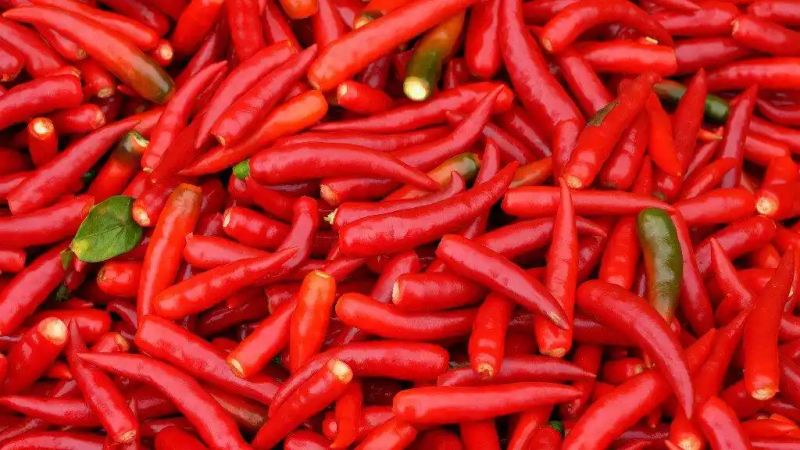
After the crowd picked up the peppers. Keung
The town, which belongs to the democratic people's republic of korea, is typical of a mercantile mountainous area, with scattered land and limited farming conditions. In the past, the villagers had grown maize on fragmented plots, inefficient land use and low returns. “when corn was grown, an acre earned a maximum of $600 a year and lived a year without any revenue.” according to the local growers, it is a good idea。
The change originated this year. It is based on the unique climatic and soil conditions of the mountain areas and is piloting the development of abdominal culture. Zhang zhang zhou yi planted eight acres of peppers to harvest. According to current market conditions, the value of production per acre can be up to $5,000, and households are expected to increase by $40,000, several times more than traditional cultivation patterns. Fresh and natural peppers are of high quality in the town of pilgrima, and are sold mainly to nining, guangxi, and the surrounding counties. Zhang gold tree, a grower, collects and sells while the weather is clear, has sold over 30,000, and is expected to earn more than $40,000 after all collections have been completed。
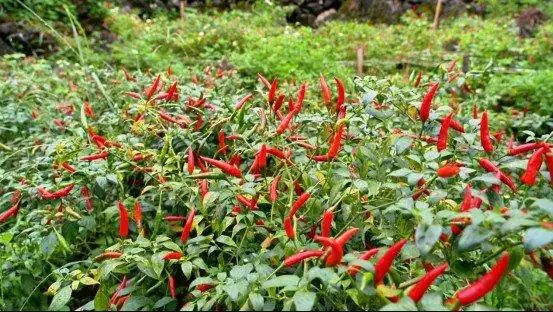
The red-covered sky pepper is full of branches. Keung
The chili industry not only drums up growers ' pockets, but also supports rural idle labour. During the harvest season, a large number of villagers entered the fields. “it's easy to pick peppers, make $100 a day, and make money to look after the family.” yang fei, a villager in yongshan village, says。
In the town of dynasty, the management of typhoid desertification was further integrated with the development of the specialty agriculture, with an optimal industrial configuration based on geographical endowments, with over 50 acres of jalapelic pepper being planted on a pilot basis in the three administrative villages of lungshan, natan and nara. At present, over 20 acres of demonstration plantation in yongshan village have been fully harvested, yielding more than 20,000 kilograms and yielding more than $100,000. The total output is expected to exceed 50,000 kg, agricultural production can reach more than $250,000, and the value of the land in the rock hills is fully released。
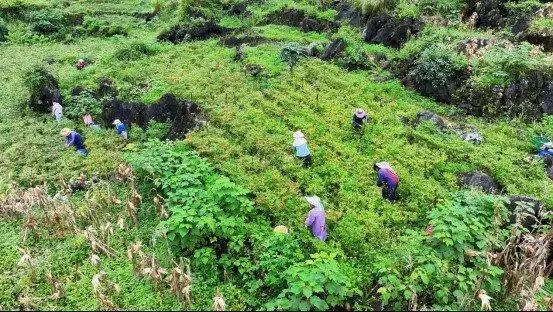
The crowd was working at the pepper growing base. Response
In order for the pepper industry “to grow, sell and profit”, the town of pilgrim is motivated by both technology and sales. Agricultural technicians follow up throughout the process, from land preparation and planting to field care, to provide full technical guidance to farmers and ensure a steady production and productivity. At the same time, local initiatives have been directed at off-site customers, introducing order farming models, establishing stable marketing channels, effectively reducing the risk of cultivation and eliminating the concerns of the population。
The town will continue to deepen the “speciality industries + farmers” development model by piloting the roll-out of more than 10 acres of anti-seasonal pepper in longsan village, demonstrating small areas to lead a scalding development, continuously activating the value of land resources in the rock hills and making specialty industries a lasting support for rural renewal。
Yunnan daily news - cloud reporter: peng hwang, correspondent: bong bong, pan lo recreation









