


Garlic as a common vegetable and spice, whether garlic, garlic or garlic, is a very popular vegetable. By mid-september, garlic had begun to grow in some areas, and from now until october was a good time to grow garlic everywhere. While it is not difficult to grow garlic, to grow it green and large and good, it is not easy to sow it, but also requires certain farming and management skills. Here's to share with you the secret of a high-yield garlic plant。
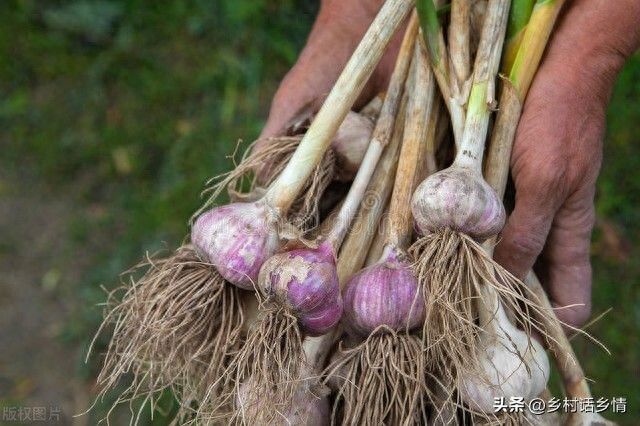
One, good earth to grow garlic
Any crop, with good and bad growth, low yields, soil first, no good soil, nothing else. Garlic garlic is growing in the soil and therefore requires that the soil is not hard, rigid, lax, and that the soil is fertile. If the soil is watered, it's a hard-on. It is therefore a first step towards high yield that garlic should be grown by choosing a better soil, before which the soil should be ploughed to the ground to create a suitable growth environment for the garlic。
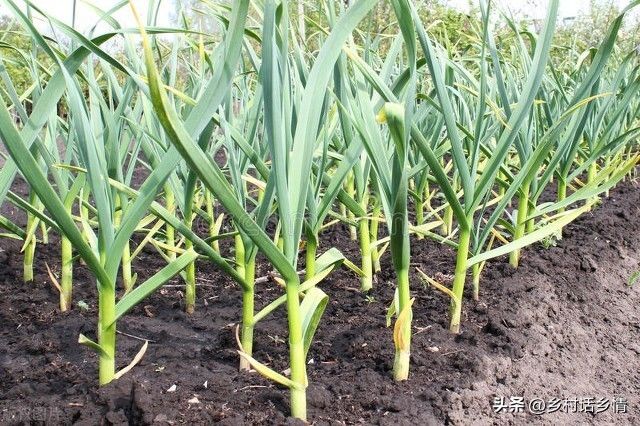
Two, put the bottom up
The growth and production of garlic is dependent on rational fertilization, which, because of its shallow roots, is based mainly on organic fat, but which must be fermented and fertilized and mixed into the soil. If organic fertilizer is insufficient, it can be combined with an appropriate three-dollar compound fertilizer as a base fertilizer to meet the need for garlic winters. It may be said that it is entirely wrong for garlic to rely primarily on garlic mother for nutrients in the preceding period and not to use bottom fertilizer for planting. Garlic is the root that grows before seeding, and since there is a root system, it absorbs nutrients from the soil, and the mother's nutrients are added to the soil so that the garlic can grow thick and strong. If there are no nutrients in the soil, the garlic seed will grow thin if it is left alone. So, grow garlic bottom fat with a good hand。
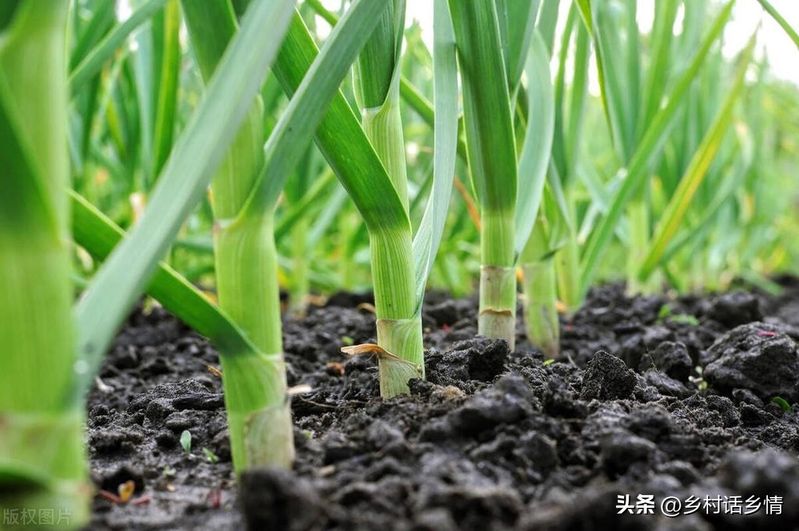
Overriding the membrane
In recent years, garlic has been grown in many places to cover the membranes, with a marked increase in the production of garlic covering the membranes. As garlic covers the membrane, it increases soil temperature. First, seeding is fast, and the second spring is fast and fast. Particularly after spring, when the temperature is not yet high, garlic covering the membranes is clearly robust and is growing rapidly. Whether or not the membranes are covered depends on the actual situation of each individual. However, covering the membrane needs to be noted and artificially assisted during seeding。
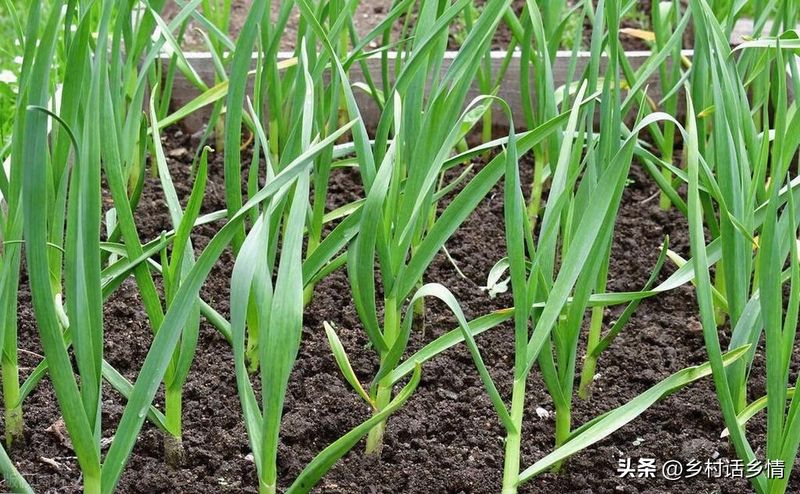
Iv. Following fertilizer
In addition to the use of bottom fertilizer in planting, garlic is required to catch up with fertilizer, which is generally fully used and is not used in the years to come until the next spring when it returns to youth. Before garlic is pumped, it can be applied again with high nitrogen compound fertilizer, or with 70 per cent urea combined with 30 per cent potassium sulphate, or when consumable organic fertilizer is used to boost garlic。
V. Poverty prevention and packeeping
The common pests of garlic are maggots, leopards, rusty flies, dead leaves, etc., observed in normal management, both pests and diseases, prevention is greater than prevention, and, at the outset of detection, treatment should be done quickly, and no further serious measures should be taken to ensure the robust growth of garlic。
The cultivation of garlic is relatively simple and the above methods can be used as a reference, depending on local conditions。









