


In recent years, the most intuitive change in the tree industry has been the shift of park tree from a “pinning corner” to a “principal character”. According to data from the survey on the market for seedlings published in 2023 by the china flowers newspaper, the purchase volume of park trees has remained at an average annual growth rate of 18 per cent for the third year in a row, with turnover exceeding 4. 5 billion yuan for the year 2023, becoming a “speculation tree species” for urban greening and rural renewal projects. Behind this heat is a transformation of ecological needs and a vivid case of local cooperatives seizing opportunities。
Why is park tree so hot? Look at three sets of data first
The first set of data: according to the ministry of housing and construction in 2022, the share of park tree applications in the new urban parks in the country reached 63 per cent, second only to vanilla and cinnamon flowers. The reason for this is that park is drought-resistant, shade-resistant, pollution-resistant and suitable for growing up in complex environments such as roads, parks and small areas。
The second set of data: the national forest and grass office, in its “xiv-5” forestry development plan, explicitly proposes to promote the substitution of native species for exotic species. As an indigenous preponderant tree, park is filling the gaps in traditional tree species such as silver almonds and french almonds。
The third set of data shows that there have been more than 1. 2 billion stories on topics related to the “park tree growing” platform, such as tremors and fast hands. The rise of rural electrician channels allows small and medium-sized cooperatives to bypass intermediaries and directly connect with end-users。
But market heat doesn't mean that everyone can make money. When i visited a number of cooperatives, it became clear that many people were caught in “blind expansion”: in 2021, the price of a tree seedling in a production area in guangxi fell to $80 per plant, while in 2022 it fell to $30 because of oversupply. So, when it's good, it's more sophisticated。
How does the chu fengheng tree co-operative use data to “break down”
The chu fong-shik co-operative, located in jiangsu province, has been focusing on park tree cultivation for eight years. Their approach has been to transform cooperatives from “large growers” to “data service providers”. Specifically, in three steps:
Step 1: use of planting data for decision-making rather than experience
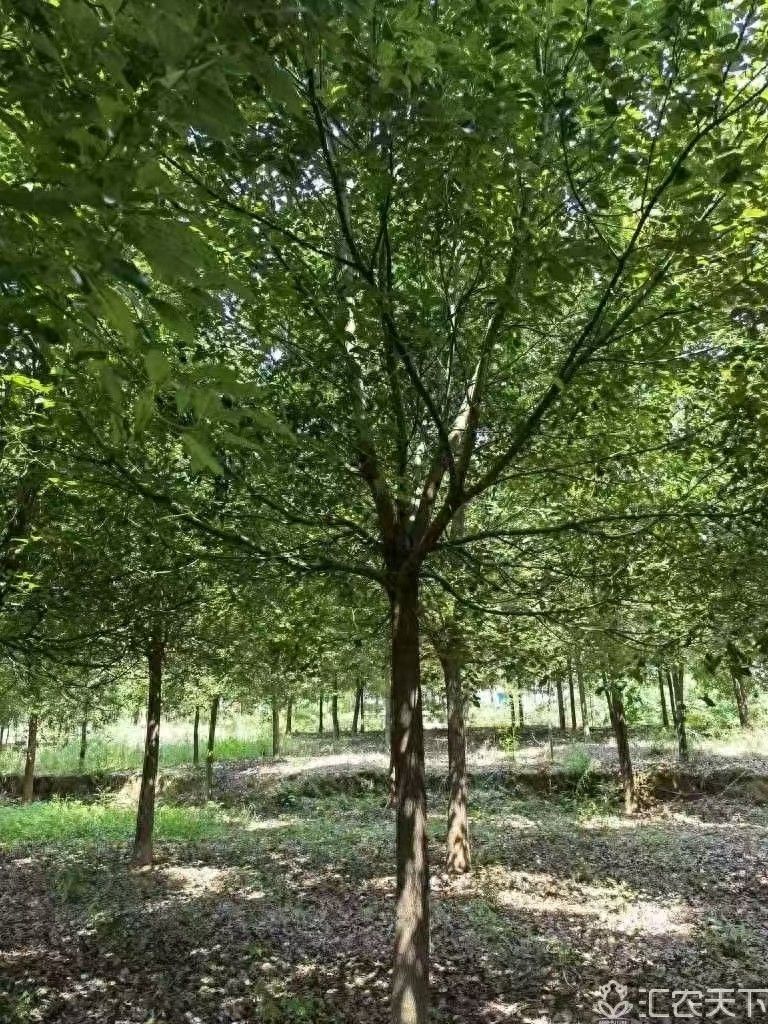
Many of these farmers are in the hands of god — “last year, park tree, this year's multiple points”. It is the practice of phu fengjin to measure the number of nurseries in the three provinces, both local and surrounding, in august each year and to determine in advance the requirements for the coming year, taking into account the list of projects for which the government has procured office space。
At the end of 2022, for example, they found that 13 cities in jiangsu and zhejiang provinces had announced “ecological restoration” projects, and that the demand for park trees was concentrated on 14-18 centimetres of chest size, so that they concentrated on the cultivation of small and medium-size trees and abandoned saplings above 20 centimetres. As a result, in the autumn of 2023, the park tree was sold at a price of $35/stow, which was $5 more than the average market price. In contrast, there is a 30 per cent backlog in the stock of cooperatives in the nearby townships that have blindly expanded their seedling cultivation。
Recommendations:
The “market saturation” analysis is performed at least once a year to obtain data on tree consumption through the network of government officials, fda publicity, tender networks, etc。
When judging park's price trend, look at the “start rate”: if more than 70 per cent of nurseries are growing, it would be prudent; if less than 40 per cent, the area could be increased appropriately。
Step 2: use standardized technology to pressure losses to single digits
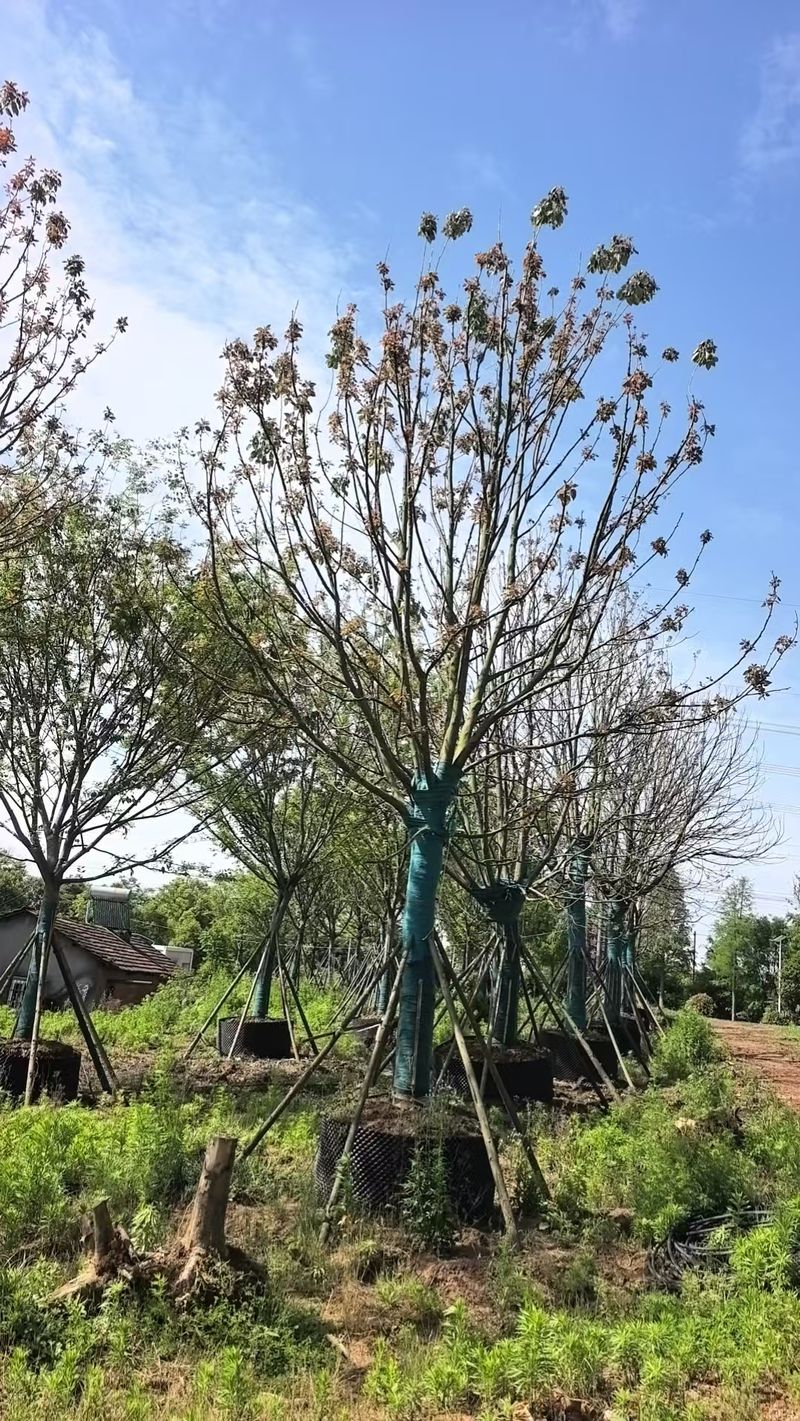
The hardest thing for park is to “mutilate”. In 2020, the jiangsulin complex was tested, with traditional methods shifting trees, with a mortality rate of 15-20 per cent in one year, and a survival rate of over 95 per cent using containerization techniques。
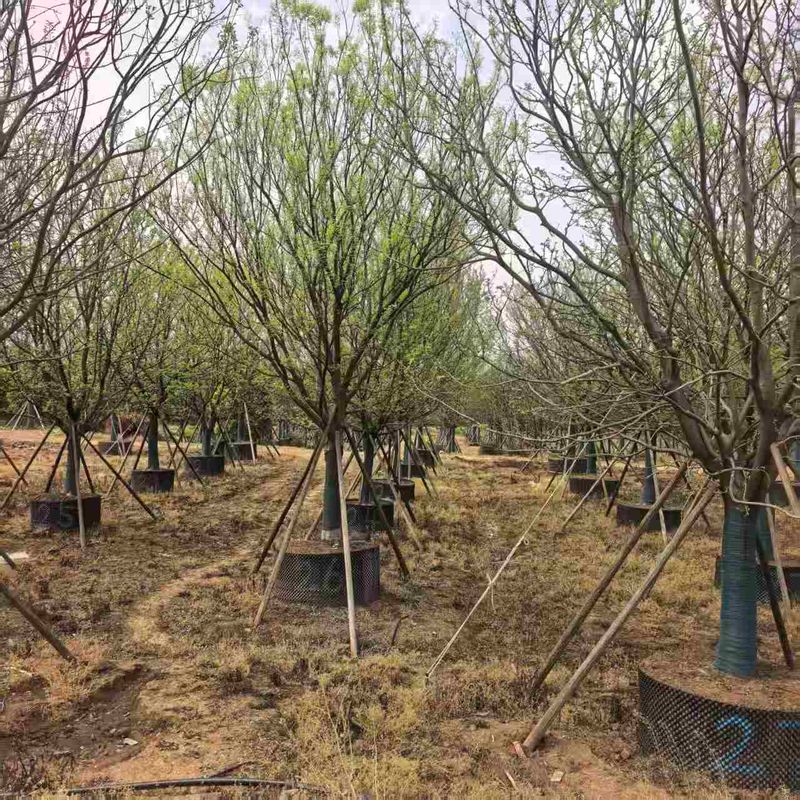
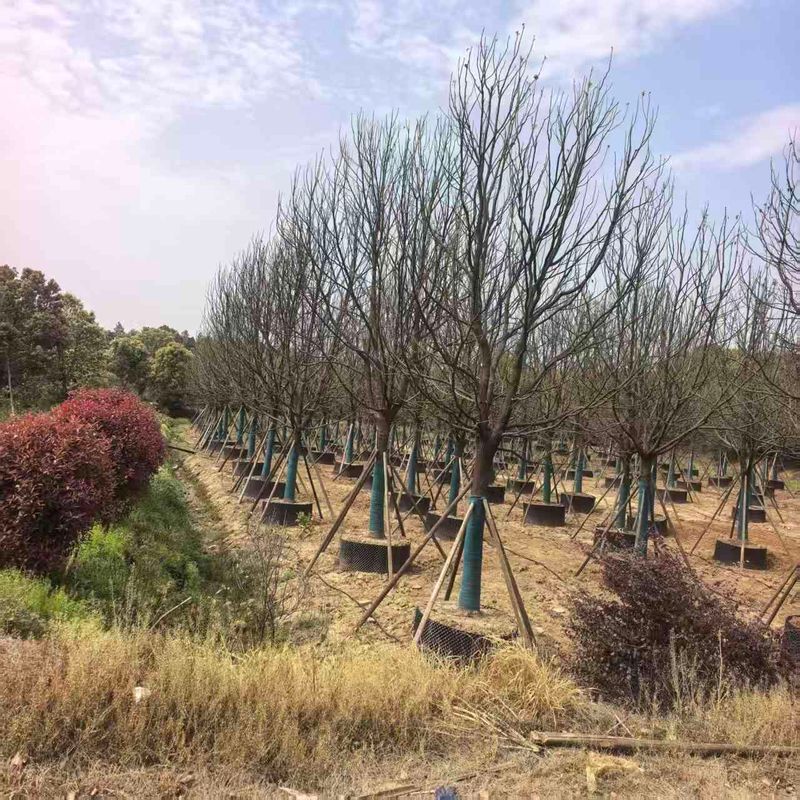
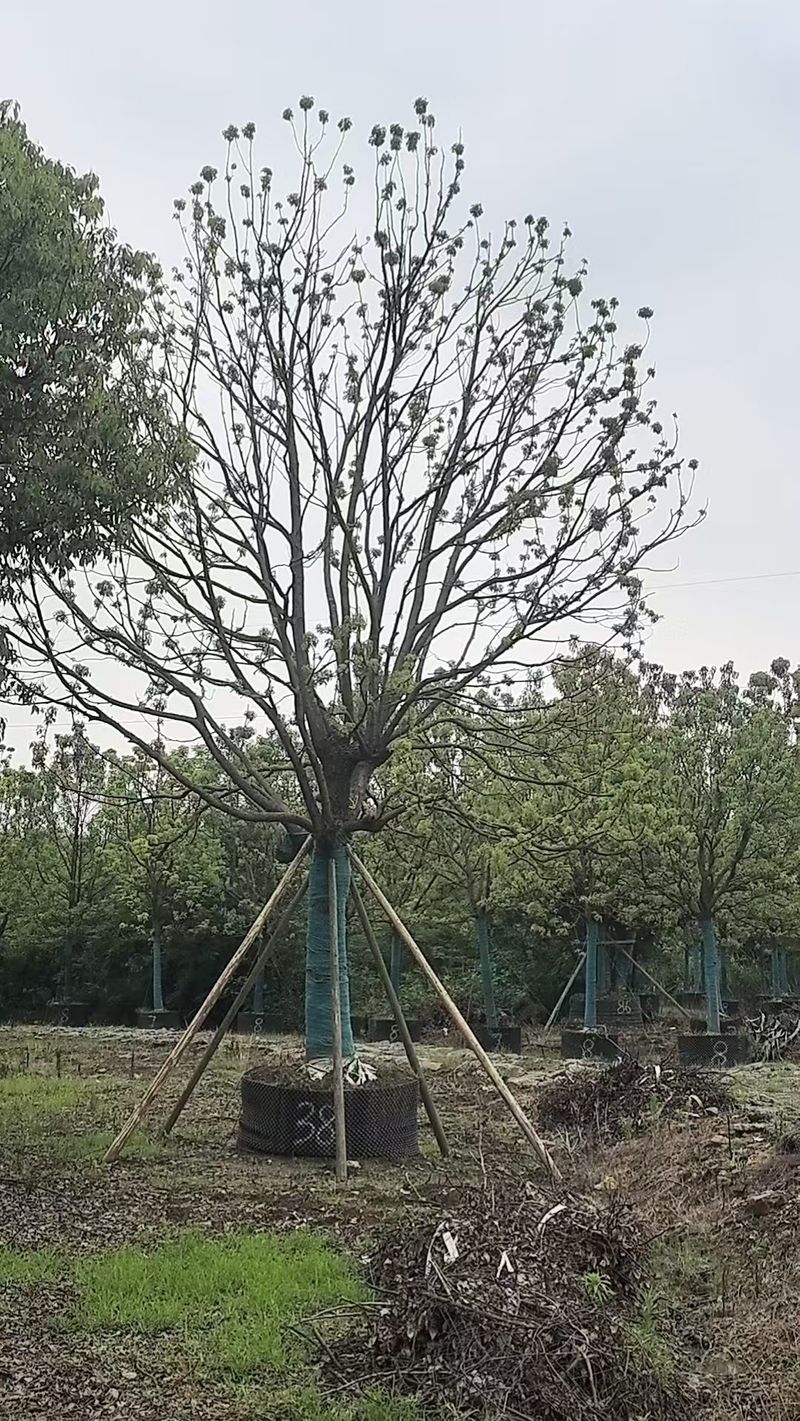
The chu fenggen cooperative has invested $400,000 in the construction of 1,200 plant-growing boxes, with all park tree seedlings growing in a nutrition colony for 12 months before moving into daejeon. The roots are intact and the seedlings are not slow. While the cost increased by 10 per cent, the combined accounting resulted in a 22 per cent increase in profits per acre, as they saved labour and seedling costs。
Recommendations:
If funds are limited, the “turkton package” technique, which produces earthballs from corroded organic fertilizers mixed with yellow soil, can be tried first at a cost of only one third of the container seedlings, but the survival rate has increased to 85 per cent。
Focusing on “growth speed”: park can grow as fast as four years before she leaves the bed, so the funds go back to the cage for a long period of time and must be prepared for sufficient liquidity。
Step three: electricists sell directly, skip the middleman to make a difference
Sixty per cent of the profits of the traditional sapling trade are held by brokers (brokers). In 2020, the chu fenggen cooperative was placed on platforms such as the 1688 and the hinon network, and in 2023, a fast-hand account was opened to sell seedlings. According to them, the percentage of online customers rose from 20 per cent to 55 per cent, and the sale price of each tree, although five dollars lower than the wholesale price, increased net profits by 18 per cent because there were no intermediaries。
In one interesting detail, they found that the users on the short video platform valued “use scenes”, and then they filmed a short video, “the three-year comparison of the effects after park tree was planted”, with two million hits, bringing orders directly to 800 trees。
Recommendations:
The video content is not just a tree but an “applied scene”: for example, soil-laying methods, pest control techniques。
Pricing policy: online prices can be 5-10 per cent lower than below the line, but each shipment is accompanied by a mild decomposition of small packagings, which increases customer stickiness。
Some of park tree's cold thoughts
First, it depends on the policy cycle. Park's heat may last three to five years, but it is likely that it will be replaced by other native species. So don't bet on a single species. It's a combination of ooze and tree planting。
Secondly, be alert to the growth trap. The park tree grows slowly and it takes at least five years to grow to 15 cm chest. If the cooperative does not have sufficient funds, “order-based farming” can be used - early recovery agreements with garden companies to lock in profits。
Thirdly, cost control is the first priority. The financial statements of the chu fenggen cooperative show that labour and land rentals account for more than 50 per cent of costs. So mechanization: using drones to spray pesticides, track-diggers, saves four people per acre。
At the end
Not all of us in the park tree market can share a piece, but by combining data for decision-making, using technology to reduce the volume, and using online channels, cooperatives can turn the “hot hole” into a “long end dividend”. The case of the phu fengheng tree cooperative tells us that the trees operate essentially as a combination of actuarial plus services. If you're thinking of turning into a simple tree, start with a market study。









