


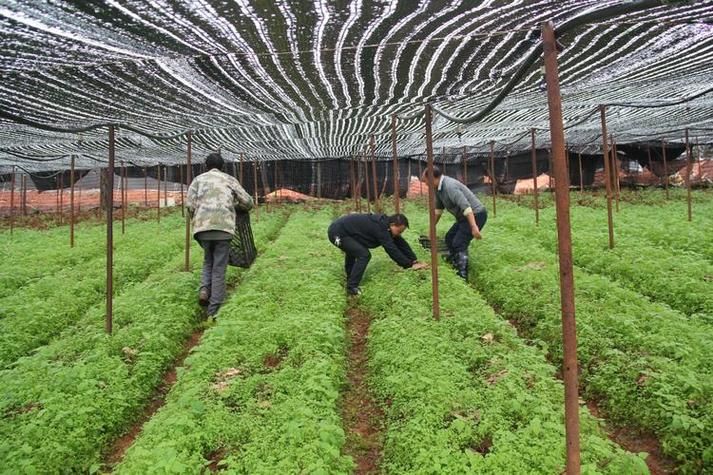
For more than a decade, studying, conducting study tours in more than a dozen provinces and urban fertilized areas of the country, experimenting with, summarizing and promoting techniques for the cultivation of tima-covered seeds, which can increase production by 20 to 30 per cent. Here are some of the principles and methods used to cover the increase:
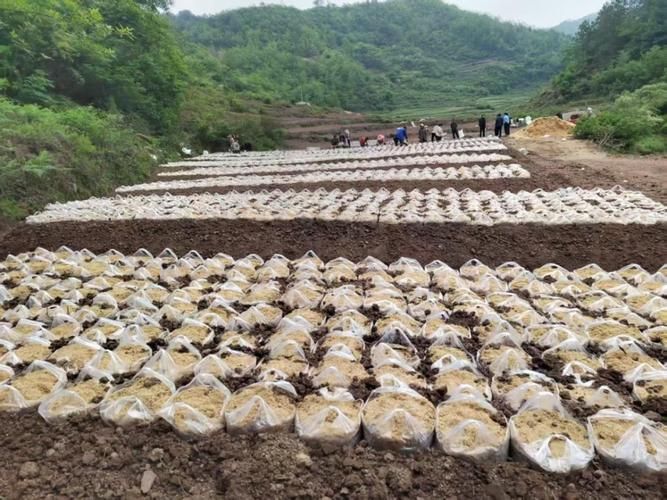
1. Cover the growth principle. It is a warm, cold, wetland plant that is mainly distributed under forest or shrubs in nature, growing at 10°c ~ 30°c slopes. It is wet and wet during its growth and is afraid to accumulate water; it is hot, it is the most suitable temperature for 20°c ~ 25°c, and it is afraid of high temperatures, which are above 28°c. However, artificial planting is often not in the forest for convenience and management, and in order to avoid tanning or tanning, leaves or grass are covered in sisculins, while wetting prevents drought and cane prevents high temperatures. In addition, the cover can inhibit or prevent the growth of weeds to the effect of preserving water. Thus, cover planting culture techniques can create or simulate wild sembling environments that allow the sembling to grow normally at a suitable temperature and humidity。
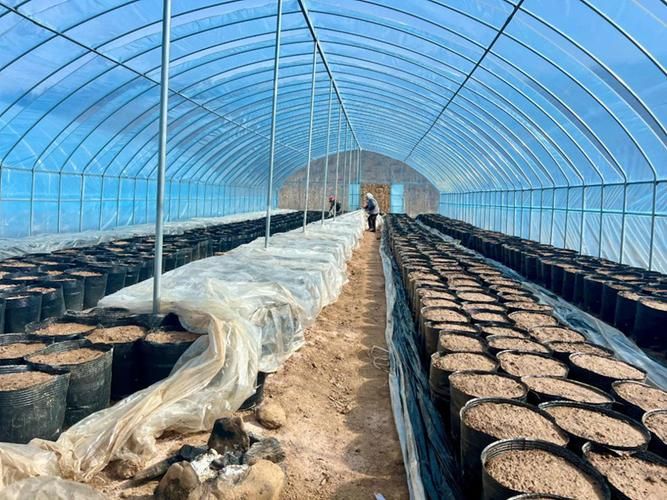
2. Cover planting techniques. (1) cover. One is a leaf type, best with a wide leaf tree, which can also be used in the case of a pine, pyro, sorghum, etc. The second is grass, which is best served by straw, corn straw, etc. (2) cover thickness. Two to five centimetres thicker than 1,000 metres above sea level and less than 1,000 metres thicker. (3) the method of coverage. Coverage is divided into full and half coverage. Full coverage refers to the coverage of the cylindrical boxes and ditches at the planting grounds, half coverage being limited to the cylindrical incubators and not the ditches. The coverage is also divided into direct and indirect coverage, which is covered directly, and which is covered directly in a cynic incubator. Indirect coverage is defined as the laying of shades at cynic cultivation sites. Or a combination of the two, which combines direct and indirect coverage, the effect of which is evident at an altitude of about 500 metres. Where conditions exist, they may be covered by marginal planting, especially in the course of the 7th, 8th and 9th months, when the plum enters the boom season. In particular, it is important to open drains before covering them. (4) covers back-to-back management. If planted in november and covered, it could be largely unmanaged by mid-may of the following year, but between mid-may and the end of september, it would be subject to periodic inspection and factual management. The whole-covered seeding culture sites are mainly for dry humidity, while the half-covered planting culture sites are for dry moisture and the other is the regular removal of weeds from ditches. (5) covered with plastic film. In some places, during sexual reproduction, plastic membranes were warmed, wetter and more effective during the emergence of tima seeds. However, in the conduct of non-sexual planting sites, where plastic sheeting is also used, considerable attention must be paid to the period and methods of plastic sheeting, which, if not properly covered, will result in four adverse weather conditions: first, higher temperatures; secondly, excessive water accumulation; thirdly, long-term membranes, which do not soak, and thus water deficiency; and fourthly, poor ventilation, accompanied by high temperature and humidity, which causes sterility. Therefore, when temperatures above 20°c are not covered by film. If covered with film, the earth's layer or leaves shall be covered with appropriate thickness on the film, as appropriate。









