


In late august, 100-colour sugar cane entered the core phase of extraction, thickening and sugar storage. Field management is in place, and sugar cane cane is coarse, smooth and sugar-containing; if it is left untreated, even with enough rain later, it will significantly reduce production and reduce the quality of sugar cane purchases. Many cane farmers are looking at the use of fertilizing water, neglecting the clearing of gardens, drainage and insects, where most of the problems arise。
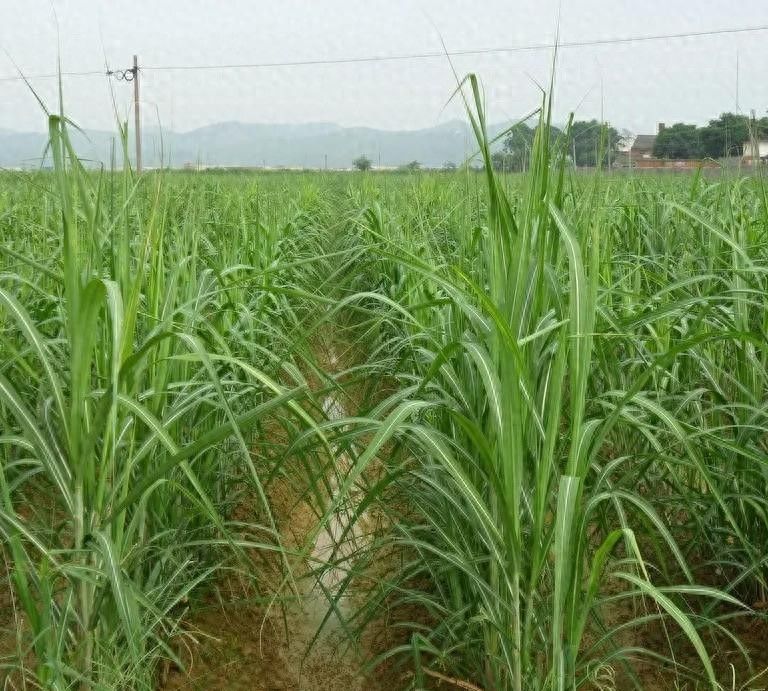
I. Leaves learning to be leaved in two terrorisms: no cleaning, overlowing
The bottom of the sugar cane has lost the capacity for light co-operation, and in august 100 colours were hot and rainy, with the accumulation of dead leaves locking in the fields and causing widespread outbreaks of worms and foliage。
However, the cleaner the leaf is, the more the leaves are torn out of green functions at once, which directly weakens the capacity of sugar cane to produce nutrients and slows down the pace of discomfort。
The correct practice is to clean up in batches of dead and sick leaves in the base and to keep the upper leaves in their entirety; to select the mornings of the sun, not to pile the leaves in the fields, to bring out the cane fields for deep burial and destruction and to reduce the base number of diseases in the fields。
Ii. Retrieving fattening for nitrogen fertilization, focusing on potassium strangulation
The single-strength application of nitrogen fertilizers during the glycerine period, which appears to be dynamic and dynamic, has a softer tubing, long vertebrates and, at a later stage, is highly volatile, and prevents the accumulation of sugar。
Fertilizer is concentrated on high potassium compound fat, and cane cane cane cane cane is properly followed up and fertilized: the cane cane is fertilized in shallow ditches, distance is maintained from the cane root and the ground avoids burning. Heavy-rained fertilizers are losing fast, and do not wait for leaves to turn yellow and make up much more urea。
Potassium fertilizers can be used to supplement nutrients when rain is abundant, but they are not a substitute for root fattening; spraying avoids high noon temperatures and irrigation selections at evenings, following the principle of less draught and maintaining the moderate humidity of the ditches。
Water accumulation, timely disposal of disease, prevention is far better than remediation
Water accumulation is the most susceptible to neglect, with successive rains blocking cane cane cane cane cane for days, with oxygen-deficit roots, yellow leaves, stagnant growth and low-lying adhesive land at highest risk. The first time after the rains, the field drains and drains and the rain stops。
In august, it was hot and wet, and it was hard to drill its cores, causing it to lose its commodity value. The patrol was not just about the leaves, but about to open the heart of the cane and look at the wormhole and find out that the thin heart immediately cut off the field。
It is also caused by water accumulation, excessive nitrogen fattening, the blackness and decay of the sick cane. After major outbreaks of disease, the efficacy of the agent is limited, and pre-empting canals, balancing fertilization and cleaning up the strains are fundamental。
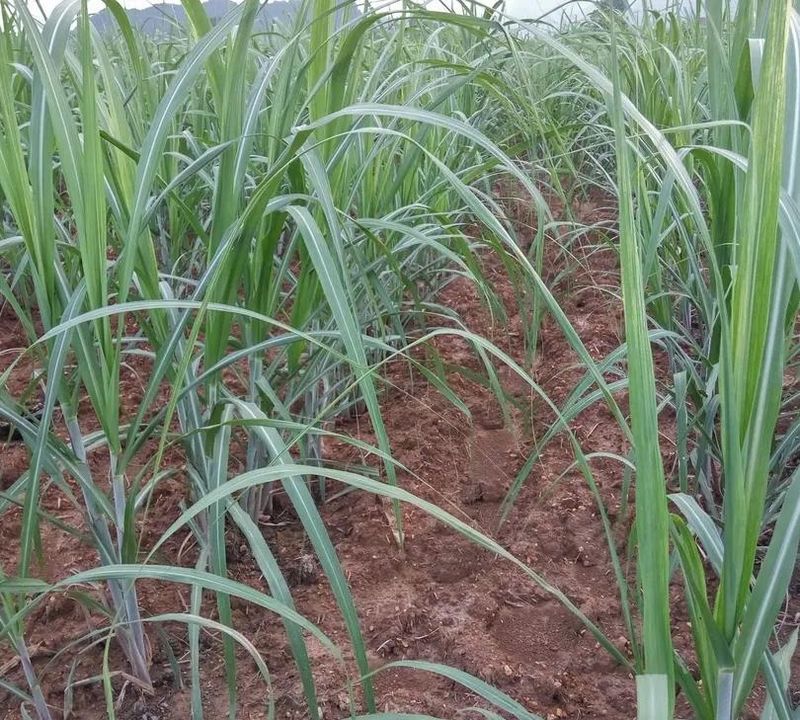
Summary
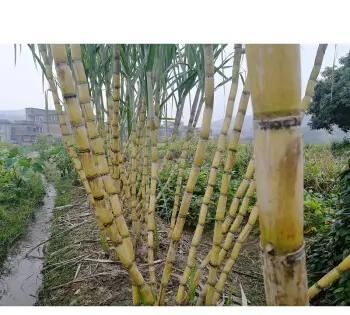
At the end of august, the core of the sugar cane tube was not blindly increasing agricultural work, but rather avoiding the four major problems of leaf failure, excess nitrogen fattening, water accumulation after rain, and residual diseases. Ventilation in the field, potassium fertilizer supply, and the drainage of insects will provide the basis for sugar cane extraction. Sugar cane is the main source of income for 100-color farmers, and not only the area under cultivation, but also the size, maturity and amount of sugar cane cane, which directly affects the price of sale. At this stage, care is in place to ensure a steady increase in production by the end of the year。









